Understanding the environmental concepts of green buildings.
Green building is not just a set of construction specifications; it is a way of living that focuses on resource efficiency. Throughout the entire life cycle of a building, it aims to minimize environmental impact through energy and water conservation and the use of eco-friendly materials, while simultaneously enhancing the comfort of the occupants.
During the property inspection process, owners should evaluate the construction quality and focus on whether various green facilities can perform as expected. A good green building should balance natural lighting, ventilation, and thermal insulation, allowing owners to enjoy an environment with lower energy consumption over long-term residence.
- Improve the efficiency of energy and water resource usage.
- Reduce the building's negative impact on the environment.
- Ensure high-quality air and lighting.
- Choose sustainable and non-toxic building materials.
Inspecting energy-saving performance during property inspection.
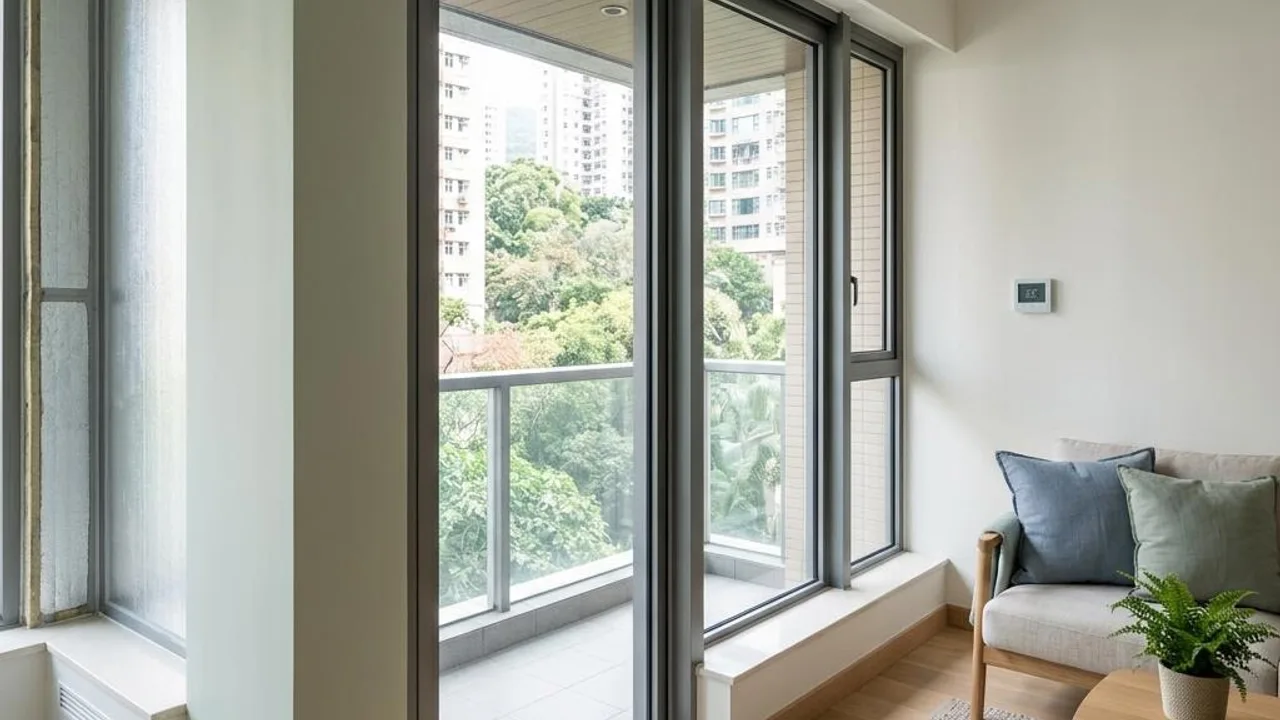
Checking the thermal insulation of the building envelope is a priority for green property inspection. The airtightness of windows and external walls directly affects air conditioning energy loss. During handover, pay special attention to the tightness of aluminium window closures and whether the glass coating is uniform to ensure the energy efficiency of indoor temperature regulation and reduce unnecessary energy leakage.
In addition, the energy efficiency of electrical appliances should not be overlooked. Owners are advised to check the energy label grade of air conditioners and confirm whether LED lighting has been used throughout the home; this can immediately reduce household electricity demand and implement energy-saving and carbon-reduction living principles.
- Inspect the tightness of aluminium window closures to assist with thermal insulation.
- Evaluate the energy label grade of air conditioning equipment.
- Confirm the energy-saving performance of the indoor lighting system.
- Check the layout for natural ventilation and lighting.
Selection standards for eco-friendly materials.
Decoration materials in the home should prioritize products with low volatile organic compounds (VOCs) or zero formaldehyde emissions, which is critical for protecting the respiratory health of family members. When inspecting the property, owners can observe for paint odours and note whether flooring materials have eco-friendly certifications.
When purchasing household items or carrying out subsequent renovations, prioritize ecological materials such as natural bamboo, wood, and eco-friendly paint. These materials emit fewer pollutants during production. At the same time, avoid excessive use of boards containing chemical adhesives to reduce the accumulation of harmful volatile substances.
- Prioritize the use of low-VOC paint and flooring.
- Confirm whether building materials have eco-certification marks.
- Reduce the amount of formaldehyde used in boards.
- Promote the use of natural and renewable materials.
Residential water resource management and greening.
Modern green homes are often equipped with water-saving bathroom fixtures that reduce water usage through pressure regulation or air-mixing technology. During property inspection, you should check that plumbing accessories are functioning properly, without drips or leakage, to ensure that water-saving facilities can operate effectively in daily use.
For units with balconies, green landscapes help regulate the micro-climate. However, note that when arranging plants, ensure the drainage system is unobstructed to avoid damage to the balcony's waterproof layer or potential seepage issues caused by long-term water accumulation.
- Check if water-saving bathroom taps are working properly.
- Confirm that there is no hidden leakage within the unit.
- Evaluate the efficiency of the drainage system in green areas.
- Ensure that waterproofing in planting areas is sound.
Indoor air quality management strategies.
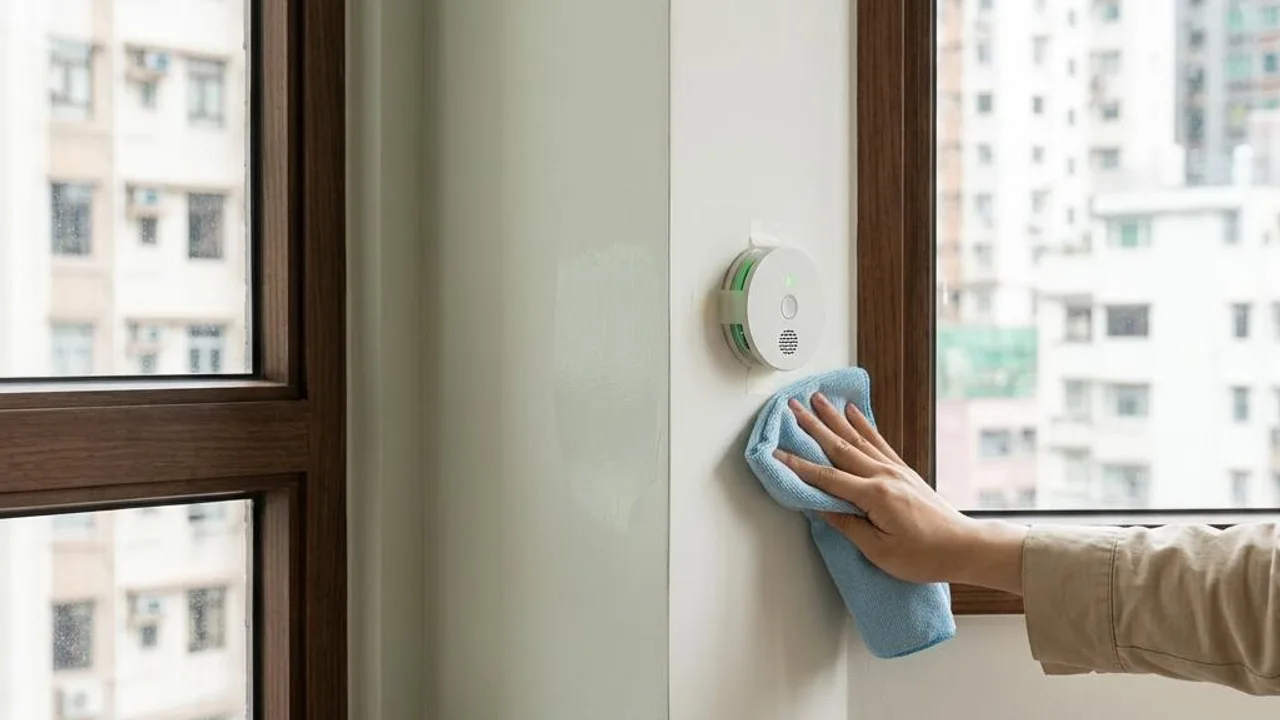
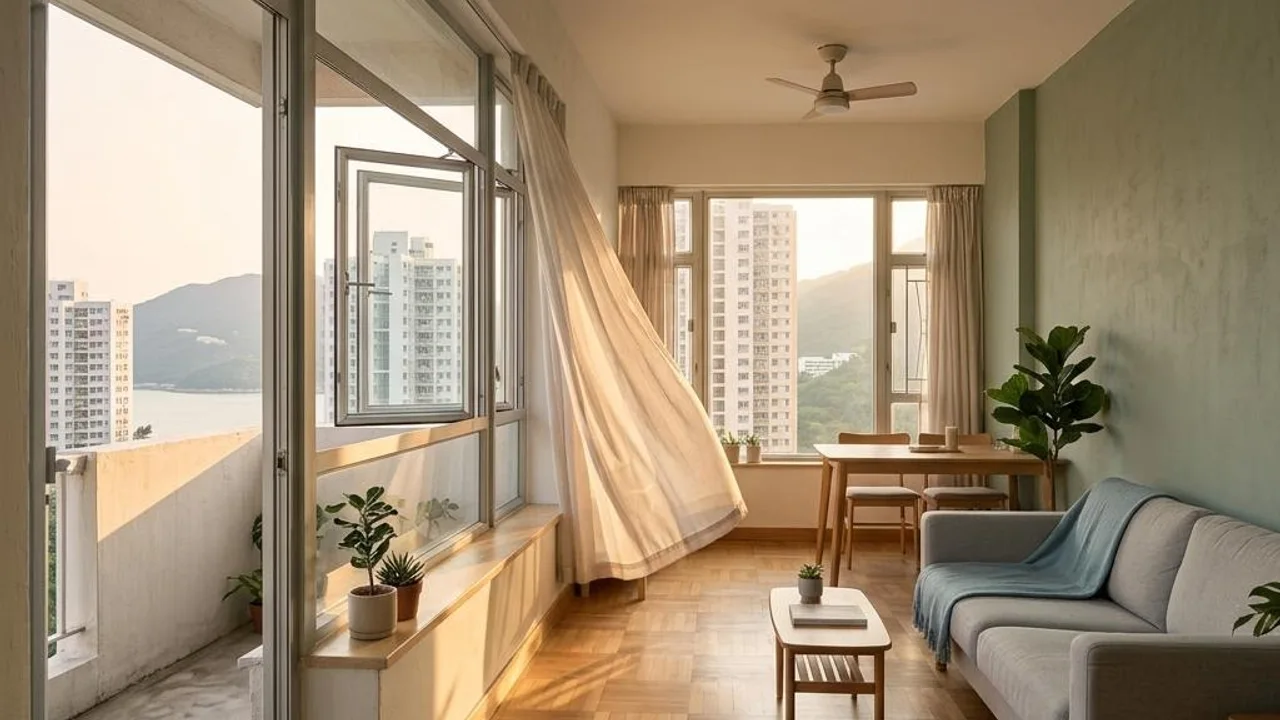
Maintaining high-quality indoor air is an important indicator of a green building. Owners should pay attention to ventilation conditions to ensure window designs effectively promote natural airflow. If the space is tight or air circulation is poor, using air purification equipment at the right time is a beneficial supplementary measure.
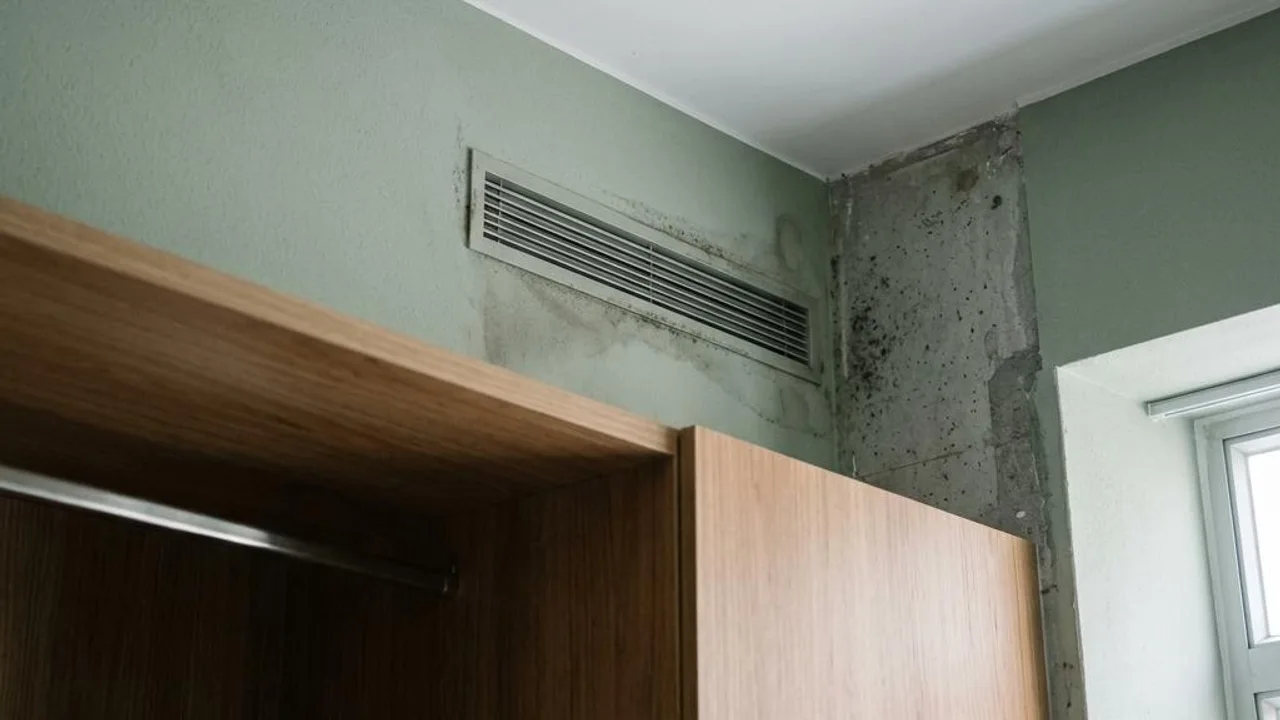
In daily life, air conditioner filters should be cleaned regularly and the space kept dry. If a distinct mouldy smell is detected or water stains appear on the walls, the root cause should be found immediately. Excessive humidity is a breeding ground for mould; keeping a constant temperature and humidity is crucial for the living environment.
- Ensure indoor ventilation design is smooth.
- Regularly replace and clean air conditioning filters.
- Monitor indoor humidity to keep it below 70%.
- Remove visible mould and improve seepage.
FAQs
How can an owner judge the thermal insulation performance of windows during property inspection?
Owners can observe the tightness after opening and closing the aluminium windows, check if there are obvious gaps between the window frame and the sash, and ensure that the weather stripping is intact. If light is seen penetrating the window frame, request a follow-up to avoid affecting the energy consumption efficiency of air conditioning operation.
What should be done if a mouldy smell is discovered indoors?
First, check for water stains or traces of seepage on the walls and observe the air circulation. It is recommended to clear the source of the mould, keep the area dry, and strengthen ventilation. If the smell persists, consult a professional to investigate the source of the seepage.
Will water-saving equipment affect the water pressure sensation in the shower?
Modern water-saving taps or showerheads often use air-mixing technology, which can maintain an appropriate spray pressure while reducing water flow. Owners can turn on the taps themselves during property inspection to check if the flow and pressure meet daily washing needs.