Common types and characteristics of interior stone
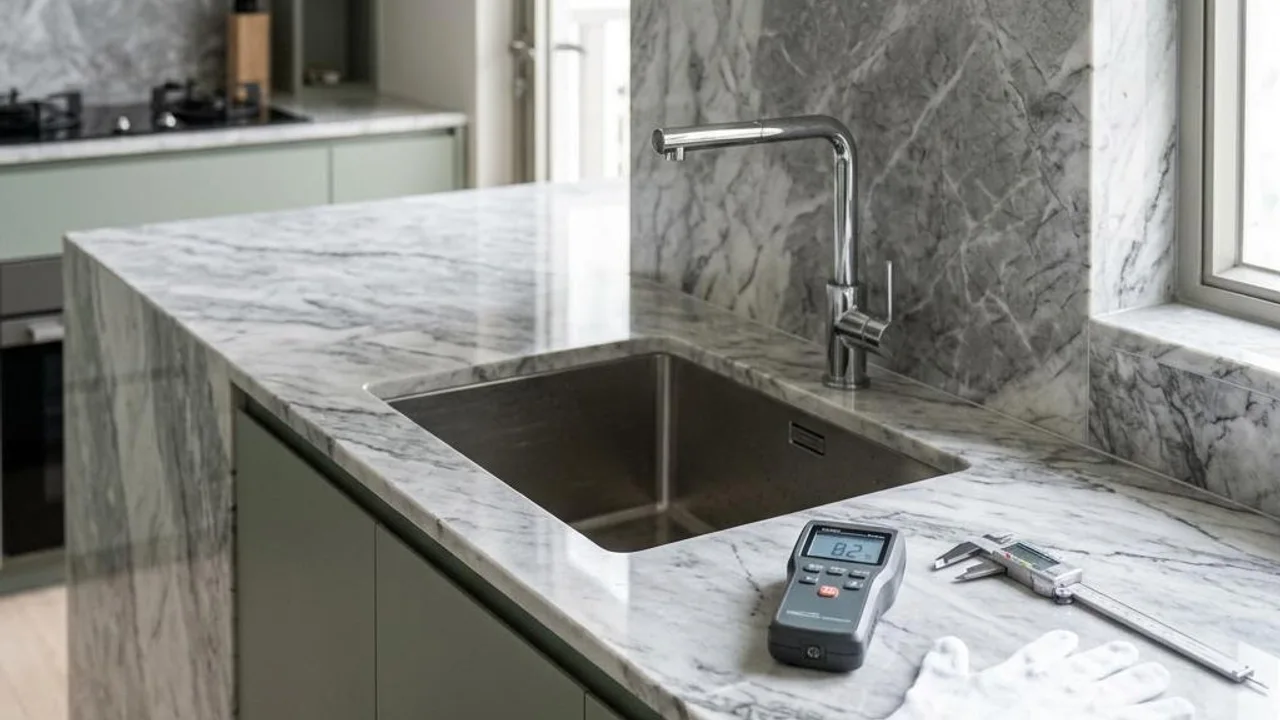
Stone combines aesthetics and durability in interior design. Granite has a hard texture and high tolerance for wear and pressure, making it suitable for kitchen worktops or flooring; marble has a delicate and rich texture and is mostly used for finishes, but its structure is relatively soft and sensitive to acidic substances, requiring careful care.
Quartz stone is a type of engineered stone made from a mixture of natural quartz sand and resin. It possesses excellent heat resistance and acid/alkali resistance, and is a popular choice for kitchens and bathrooms in many new developments. Understanding the characteristics of each stone helps owners perform more targeted quality assessments during property handover.
- Granite: High hardness, wear-resistant, suitable for frequently used areas.
- Marble: Diverse colours but soft texture, must avoid acidic cleaners.
- Quartz stone: Durable and stain-resistant, maintenance is relatively simple.
Professional steps for stone surface inspection
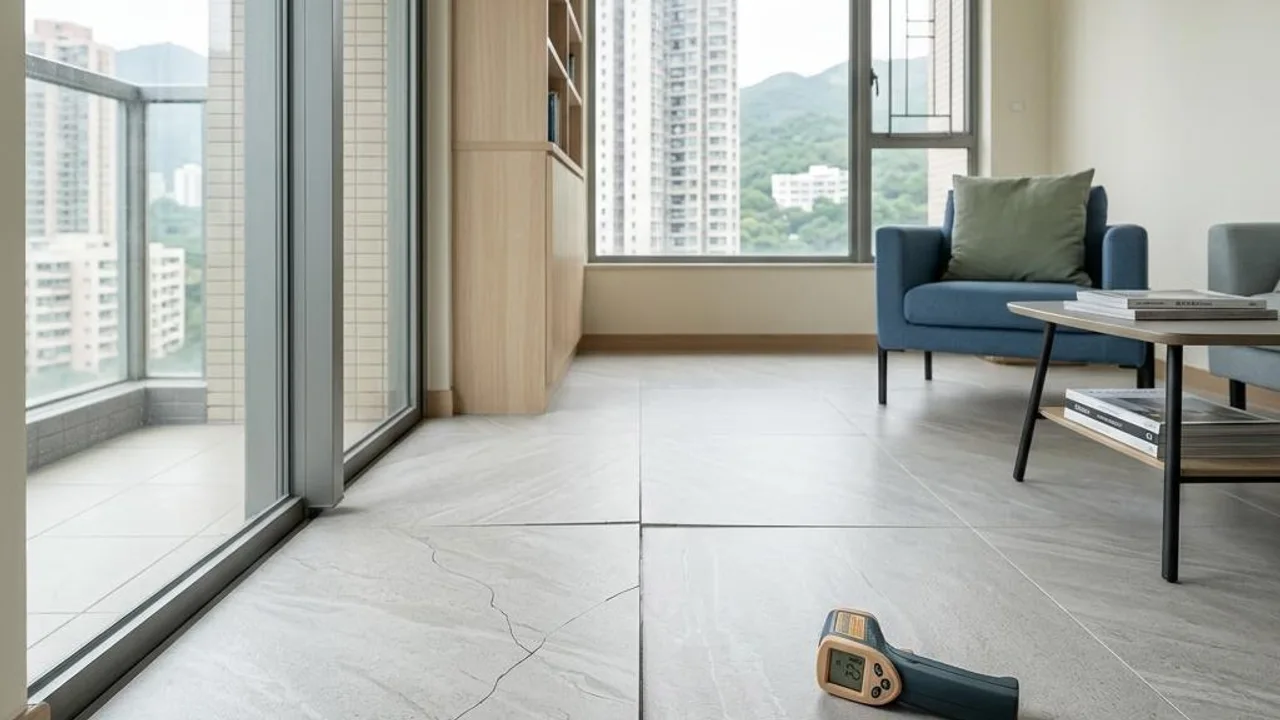
When performing a stone inspection, visual inspection is the basis. Owners should note whether the surface texture is uniform, and whether there are obvious cracks, chipped corners, or severe colour variations. Careful observation can reveal potential surface wear or construction flaws arising during the installation process.
In addition to visual observation, one can perform a tapping test to listen for sound feedback. If the sound is crisp, it indicates the stone is dense; conversely, if a dull, hollow sound occurs, one should be aware of potential hollow spots or hidden cracks underneath. Additionally, observing whether the installation details are flat and flush is equally critical.
- Visual inspection: Check carefully for cracks, spots or installation colour variations.
- Tapping sound: Crisp sound represents a solid structure, dull sound may imply hollow spots.
- Surface check: Observe whether installation details are flat and flush.
Daily cleaning and maintenance guidelines for stone
The core of stone maintenance lies in prevention. Daily cleaning is recommended using mild, neutral cleaning agents; do not use strong acid or alkaline products, as these can easily erode the surface gloss of the stone and even cause structural damage. If contaminants are accidentally spilled, they must be cleaned up immediately to prevent them from penetrating the interior.
Regular professional sealing treatment can effectively prevent oil and moisture penetration. By applying a protective agent to form a protective film on the surface, the life of the stone can be extended and its lustrous texture maintained. Good daily maintenance habits can effectively reduce the frequency of needing deep restoration in the future.
- Use neutral detergents for daily cleaning.
- Clean up stains promptly to prevent pigment penetration.
- Regularly check the protective layer and perform sealing treatment as needed.
Distinguishing natural features from installation damage
Owners often have blurred boundaries between aesthetic issues and functional defects during property handover. If stone shows slight colour variations or natural texture differences, it usually belongs to natural phenomena rather than engineering defects. However, if it involves chipped corners, loosening, or height differences caused by poor installation, these are considered clear property inspection defects.
When faced with doubts, owners can take photos as records, carefully check whether the area is intact, and make notes on the inspection sheet. If it involves installation craft issues, one should consult persons with stone decoration knowledge at the appropriate time to confirm whether it falls into the category of installation craftsmanship deficiency.
- Colour variations and natural textures are usually natural features of the material.
- Chipped edges are considered obvious construction damage.
- Installation level differences can reflect the precision of the installation craft.
Advanced stone quality management strategies
As high-value building materials, stone inspection standards often refer to developer contracts and building codes. Owners should confirm whether the on-site handover status matches the contract description, including whether the stone type, thickness, and surface treatment method are consistent with expectations.
If large-scale installation defects or stone breakage are discovered, avoid handling it yourself; it is recommended to consult professional inspectors to obtain detailed inspection advice, and ensure that subsequent rectification directions comply with safety and aesthetic considerations.
- Verify consistency between contract specifications and the physical product.
- Record large-scale defects for subsequent follow-up.
- Consult professionals to handle major construction hazards.
FAQs
Is it a defect if a stone worktop has natural colour spots?
Natural stone such as marble contains rich textures and mineral components; natural colour spots or texture variations usually belong to the natural characteristics of the material itself, not engineering installation defects.
What does a hollow sound mean when tapping stone?
A dull tapping sound may imply that there is a hollow spot underneath the stone, meaning insufficient adhesive between the stone and the underlying base material. If serious, it may affect the stability of the stone; it is recommended to have a professional evaluate it.
Can I use household abrasive cleaning powder to clean stone?
It is not recommended. Most abrasive cleaning powders contain abrasive particles or chemical ingredients that may scratch the stone surface or erode the protective layer; one should always choose neutral, mild cleaning products when cleaning stone.