Understand the issue locations and inspection results first
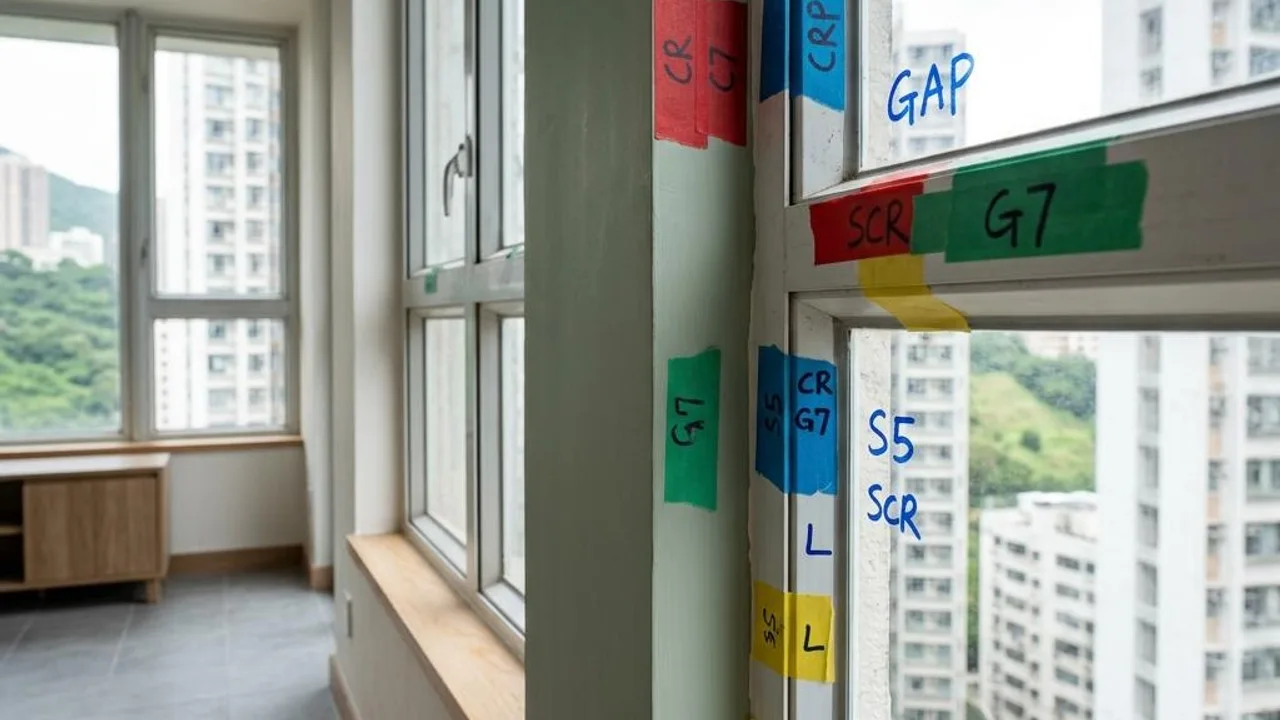
Our electronic property inspection reports do not include photos, recording issue locations and inspection results in text. Owners can take their own photos of locations awaiting follow-up, organise them according to the locations listed in the report, and use them as supplementary records for communication and reinspection.
First, read the text records room by room or location by location, and cross-check whether the issue description matches the site. If you do not understand a location, inspection result, or limitation, consult the property inspection company before submitting the defect rectification list; do not conclude on unconfirmed causes yourself.
- Compare the site with the locations listed in the report
- Separate recorded issues from new findings
- Keep records of when reports were received and when follow-up data was submitted
- Query unclear records first, do not infer causes yourself
Categorise issues based on severity
To make defect rectification work more organised, we suggest owners divide the issues in the report into three priority levels. This classification helps you clearly point out to the developer which issues must be handled immediately and which are aesthetic finishes, thereby improving communication efficiency and reducing disputes.
Once issues are categorised, you can arrange the order of defect rectification more systematically. For issues that seriously affect living safety, priority must be demanded; for potential hazards that may worsen over time, ensure the repair quality meets standards to avoid higher maintenance costs in the future.
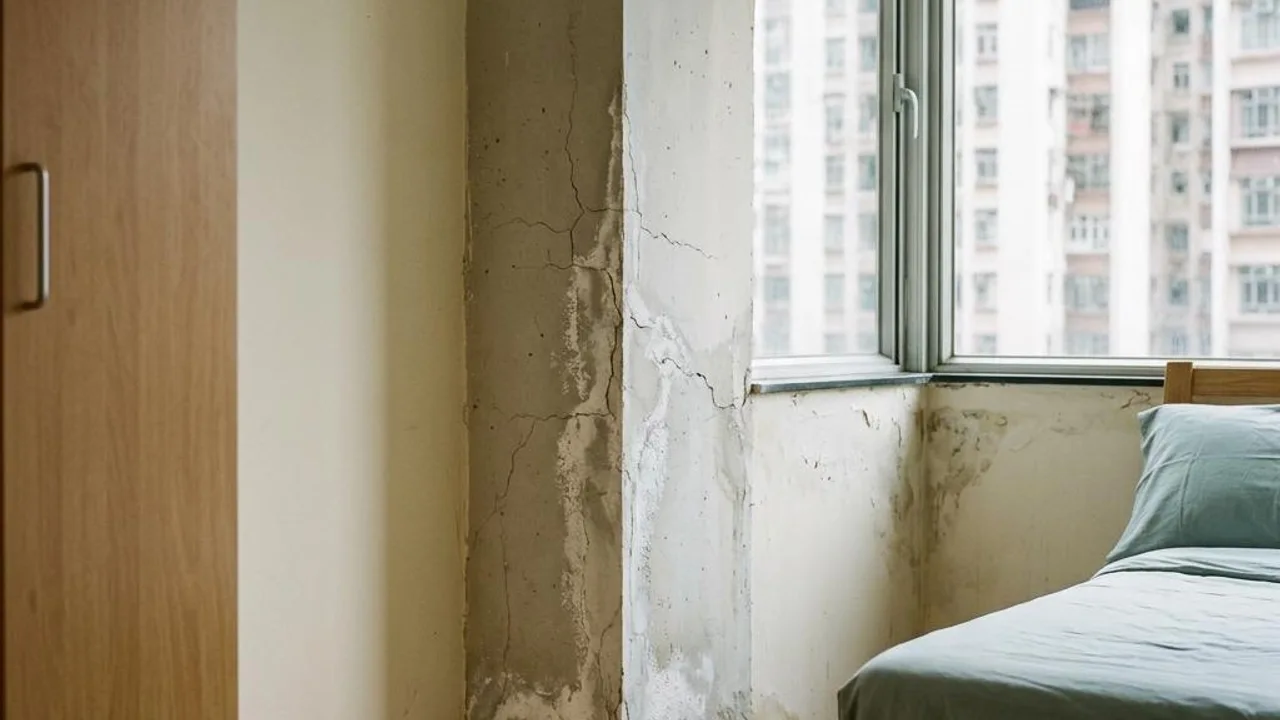
- Issues affecting living safety or core functions, such as electrical circuits and water seepage
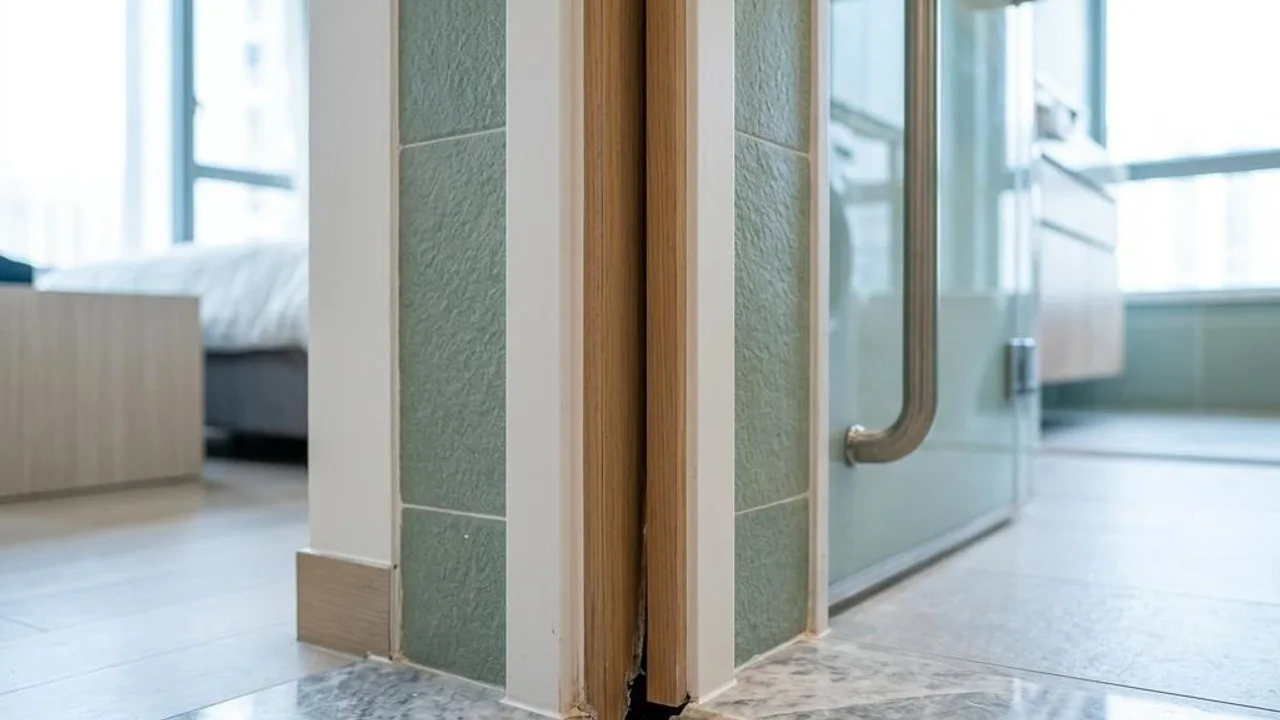
- Damage that may worsen over time, such as hollow tiles or peeling rubber seals
- Purely aesthetic flaws, such as scratches or paint stains
Effective communication and follow-up with developers
After confirming the list of issues, you should submit the report according to the format specified by the developer. When submitting, be sure to keep a copy and a record of the submission date; this is an important basis for verifying the progress of defect rectification later. A clear and organised list usually allows developers to process things more quickly and reduces communication misunderstandings.
Owners can take photos of locations awaiting follow-up and organise them by report number to avoid mixing up situations in different rooms. Reinspection is a separately charged service; the scope, timing, and fee must be confirmed, and it is not automatically arranged after the initial property inspection.
- Use the specific format designated by the developer
- Keep submission records and date proof
- Perform strict reinspection after defect rectification
- Unresolved issues need to be formally raised again
Home safety observations and responsibility reminders
Besides defect rectification handled by the developer, owners should pay attention to their own home safety management. For example, regarding electrical installations, regularly checking plugs and wires for scorch marks or odd smells is a basic observation. It is strictly prohibited to touch electrical appliances with wet body parts or use extension cords in damp areas to prevent electrical accidents.
The boundary between owner observation and professional acceptance must be distinguished. Visual observation cannot prove the legal safety of electrical installations or windows. All fixed electrical appliances involving electrical connection, addition, or modification, such as electric water heaters, must be handled by a Registered Electrical Contractor and issued a WR1 Work Completion Certificate.
- Regularly perform visual checks on the condition of electrical appliances
- Prohibited to operate electrical appliances in damp environments
- All electrical modifications must be carried out by qualified contractors
- Ensure electrical installations have a WR1 certificate
Scope and limitations of property inspection reports
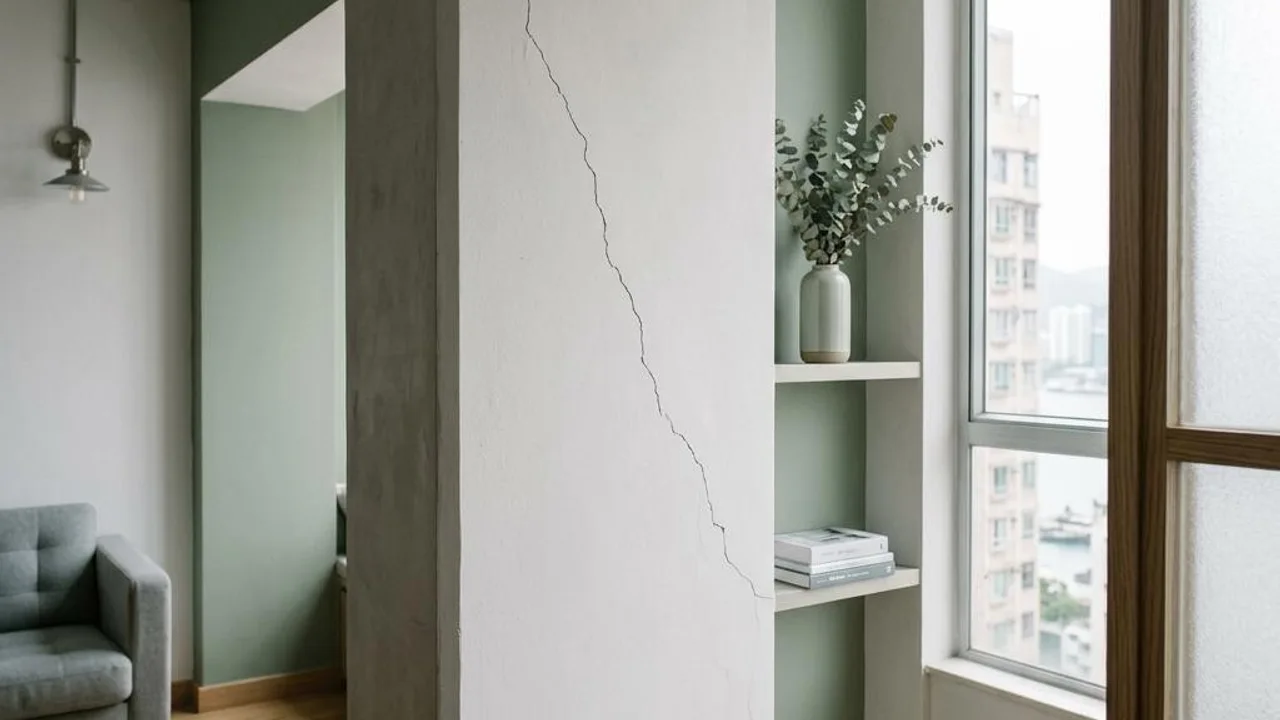
Property inspection reports are primarily to assist owners with developer defect rectification follow-ups. This type of inspection service is not equivalent to a structural assessment of the building, nor can it serve as legal certification, and it cannot prove that the building fully complies with all regulations regarding long-term structure or safety standards.
If owners are involved in the Mandatory Window Inspection Scheme or building illegal structures, they must engage qualified persons on the Buildings Department register to handle them. The property inspection report aims to provide an objective record of site conditions and is not a guarantee of structure, electricity, gas safety, or concealed works. If safety hazards or structural issues are discovered, consult a professional engineer or relevant registered contractor for advice; do not perform electrical tests or dismantle structural devices yourself.
- Property inspection does not equal building structure or legal certification
- General home property inspection services cannot prove the safety of building structures, electrical, and gas systems, nor can they guarantee compliance with relevant ordinances, detect concealed pipes, waterproof layer thickness, remaining lifespan, or repair effectiveness. Thermal imaging technology only shows surface temperature distribution and cannot be viewed as direct evidence of water leakage causes or concealed structures. Please do not view inspection tools as a guarantee that all hidden flaws can be detected, nor should they provide unconditional warranties or numerical limits. Regarding the Mandatory Window Inspection Scheme, it must be performed by qualified persons registered with the Buildings Department; this is an independent statutory procedure and is not part of the general property inspection service scope. Regarding professional safety matters, please consult relevant qualified experts; owners should also not attempt electrical tests, dismantle fixed devices, adjust water pressure valves, or perform high-altitude inspections themselves. It is recommended to keep inspection records and follow-up repair advice for reference.
- The report is primarily for use by owners and developers for follow-ups
- Professional inspection and repair responsibilities are separate
FAQs
How can I supplement the site records in the property inspection report?
Our electronic property inspection reports do not include photos, recording issue locations and inspection results in text. Owners can take their own photos, organise them according to the locations listed in the report, and keep submission dates and the other party's replies to facilitate defect rectification follow-up and reinspection.
If I find issues are still unresolved after the developer's defect rectification, can I request another property inspection?
Reinspection service after defect rectification is usually considered an independent arrangement and is not automatically included for free in the initial property inspection service. If a reinspection is required, please contact the relevant unit to arrange an appointment.
Can a property inspection report serve as proof of electrical installation safety or window compliance?
A general property inspection report is not proof of compliance for structures, electricity, or windows. Any addition, modification, or connection involving fixed electrical installations should be handled by a Registered Electrical Contractor and qualified personnel, providing a work completion certificate according to applicable requirements. Mandatory window inspection is an independent statutory procedure that must be inspected by qualified persons on the Buildings Department register, and repairs must be handed to corresponding registered contractors as prescribed; a general property inspection cannot replace this.