The Core Value of Property Inspection
Property inspection is a key procedure for safeguarding an owner's long-term interests. Through meticulous examination, owners can verify whether the building quality, renovation workmanship, and mechanical and electrical configurations comply with building standards before moving in, effectively reducing the annoyance of having to deal with major repairs later. This is not just an administrative process, but a necessary line of defence to lay the foundation for future home comfort.
During the inspection process, owners can identify conditions such as wall cracks, signs of water seepage, or flaws in electrical installations. These detailed records can provide objective evidence for follow-up maintenance with the developer, protecting contractual rights. Through systematic inspection, it ensures that the property condition reaches an ideal level upon handover, allowing residents to move in with peace of mind.
- Safeguarding residential safety and stable facility operation
- Verifying building quality and renovation workmanship levels
- Recording issues as evidence for maintenance and repairs
Preparation work before property inspection
Before conducting inspection work, preparing sufficient tools and documents is key to improving efficiency. Owners should confirm the inspection time in advance and reserve a sufficient period for the check. It is recommended to bring suitable detection tools, such as a torch for inspecting dark corners, a socket tester for verifying power supply, and a spirit level to check if floors and door frames are level; these tools assist owners in scrutinising property details more comprehensively.
Properly organising documents such as the purchase contract, interior design plans, and property specification sheets is crucial. These data help in referencing facility configuration standards and confirming whether the installation of equipment in the house matches contractual promises. During the inspection, comparing drawings helps owners check engineering details, ensuring that internal facilities meet general inspection expectations. Property inspection services do not guarantee structural, electrical, or gas safety, or legal compliance, and cannot detect hidden pipes or waterproofing layers, or predict the remaining lifespan of facilities. Thermal imaging technology only shows surface temperature distribution and cannot directly confirm the source of a leak. If there are related hidden or professional engineering concerns, they should be referred to qualified professionals.
Do not dismantle electrical installations, adjust water pressure valves, or perform high-altitude checks yourself.
- Book a suitable time in advance with the developer or agent
- Bring professional detection tools such as testers and spirit levels
- Prepare purchase-related contracts and floor plans for comparison
External Structure and Drainage Review
The flow of the drainage system not only affects daily use but is also closely related to structural safety. Professional inspection will focus on the operation of balcony and external wall drainage outlets to ensure water flows smoothly without long-term stagnation, preventing moisture from seeping into the building structure. Owners should also watch for obvious damage, cracks, or rust on the drainage pipes.
Observation of external wall plastering is also important. Owners can inspect from the window area inside the room, noting if there are any unusual cracks or signs of peeling in the wall plastering. If these conditions are found, they should be clearly recorded and reported to professional inspectors, who will assess whether such signs are normal settlement reactions or require further detailed inspection.
- Check external wall plastering for cracks or peeling
- Confirm if balcony drainage outlets have blockages
- Observe if external pipes are securely installed
Interior Renovation Detail Inspection
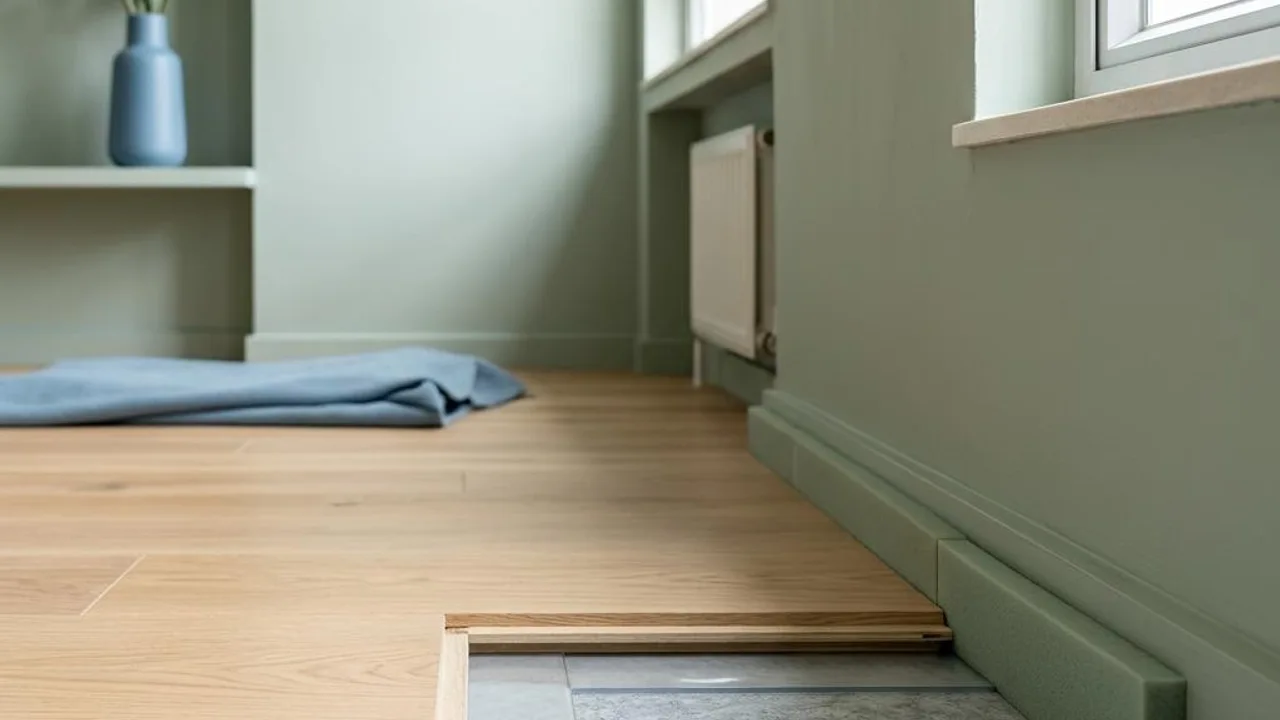
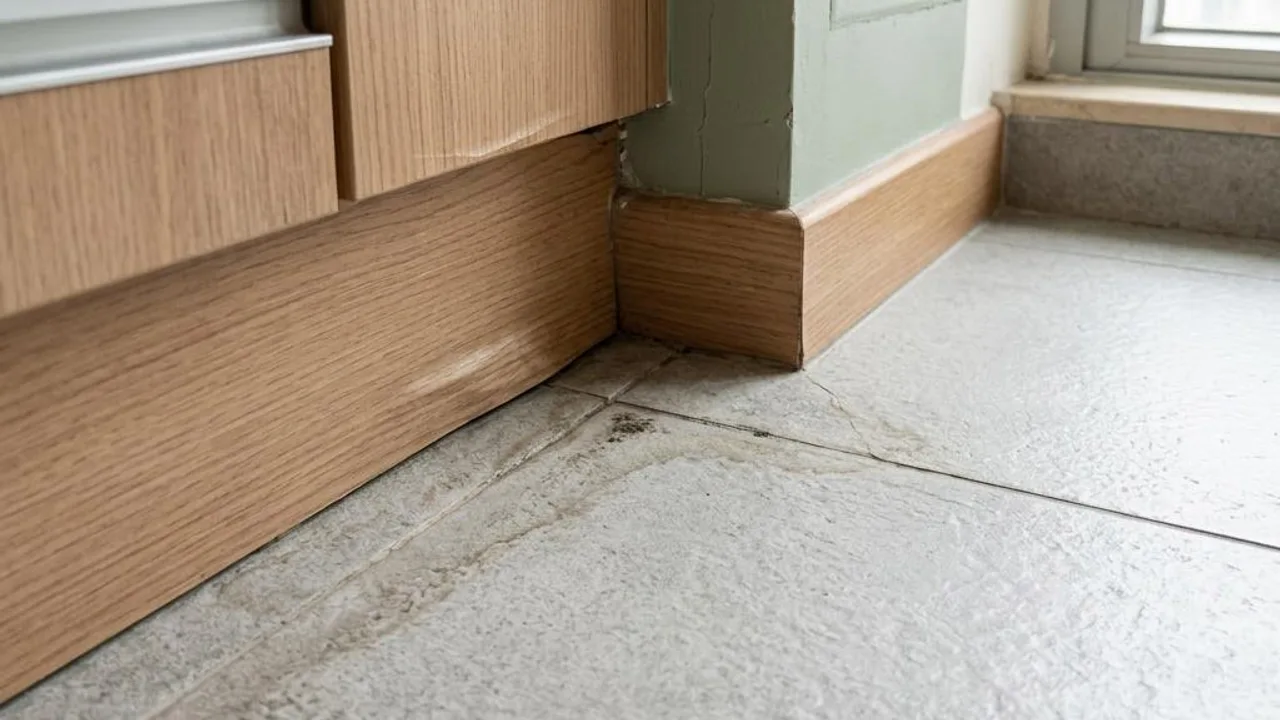
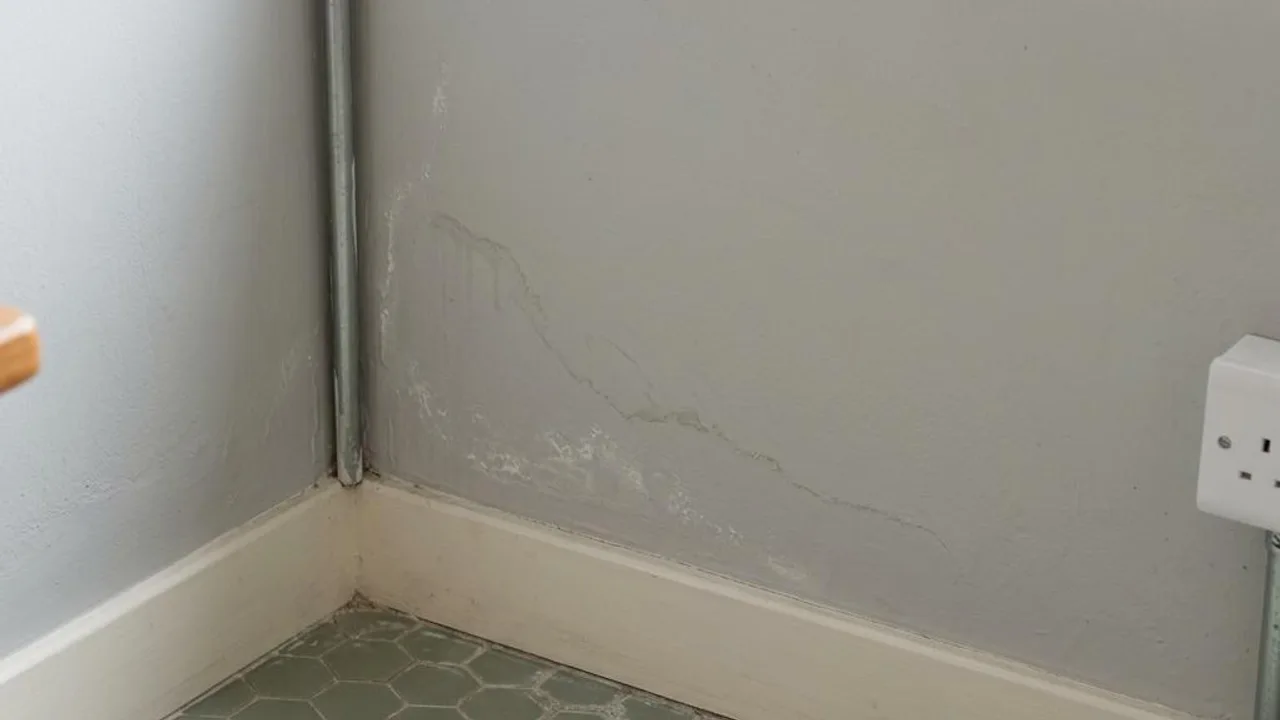
The inspection focus for interior space is on craftsmanship details, with floor flatness being the core object of observation. When walking through each room, carefully check for floor scratches, hollowness, or unevenness. For walls and ceilings, examine in detail whether the paint is smooth and if there are yellow stains, water marks, or mould from water seepage; these are often initial signs of wall leakage.
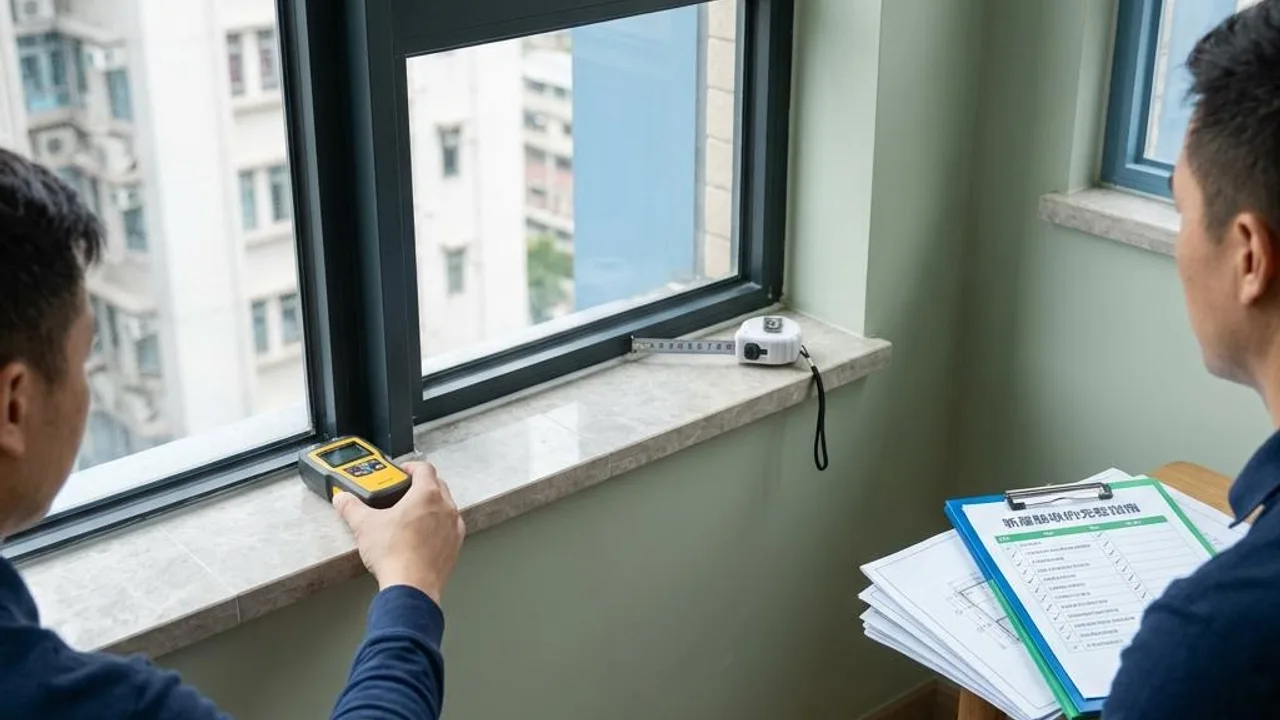
The flexibility and sealing performance of doors and windows should not be overlooked. Check if the caulking between the window frame and the wall is intact, and if there is any sticking or noise when opening and closing. The locking mechanisms should operate smoothly to ensure effective insulation from the external environment when closed. Also, check the sealing strips for a proper fit to prevent rainwater ingress. These details directly affect the comfort and soundproofing quality of your future home.
- Inspect floor tiles for hollow sounds, cracks, and levelness.
- Observe walls and ceilings for water seepage or yellow stains.
- Test if doors and windows operate smoothly and provide a good seal.
Key Points for Electrical Facility Inspection
Water and electrical installations are the lifeblood of home operations; safety is the primary principle of property inspection. When inspecting water systems, note whether all faucets leak, if the toilet flush has sufficient pressure, and if the drainage pipes are properly sealed. If any signs of leakage are found, record them immediately and request follow-up; never attempt to disassemble any drainage devices or perform repairs yourself.
Regarding electrical inspections, ensure that all sockets and switches are functioning normally and never touch exposed wires. According to safety regulations, high-power appliances should have independent power sources to avoid the risk of overload from shared power strips. If you notice charred marks on sockets or abnormal operation, immediately hire a registered electrical contractor to handle it to ensure the safety and reliability of your home electrical system.
- Confirm that all water faucets are free from leaks.
- Ensure that all sockets and switches are installed securely and safely.
- High-power home appliances should not be used with power strips for distribution.
FAQs
If I find minor cracks in the walls during a property inspection, how should I record and handle them?
Owners should first use a camera to clearly capture the location and form of the crack, then use a label to mark the area near the crack. Meanwhile, record the specific wall location and length in the inspection report, and subsequently submit the record to the developer to arrange for personnel to evaluate it.
If the socket tester shows a power polarity error, how should it be followed up?
Owners must not attempt to open the socket themselves for repairs or circuit modifications. They should immediately record the anomaly and request the developer to arrange for a registered electrical contractor to conduct a professional inspection and rectification to ensure compliance with safety standards.
If water stains are found on the ceiling during the property inspection, does this mean there is already a structural leak?
Water stains on the ceiling are usually a sign of seepage, but it cannot be determined solely by appearance as a structural issue. Owners should photograph and record the water stain condition and request relevant professionals to conduct a detailed survey using professional equipment to confirm the source and specific nature of the seepage.