
Appointment and site time coordination
Before conducting a property inspection, confirming the specific time and location with the developer or owner is crucial. It is recommended to avoid busy construction periods to ensure that professionals can conduct inspections in sufficient light and a quiet environment. Participants should arrive on time to reserve sufficient time to complete all detail checks.
After the property inspector enters the unit, they need to focus on structure and equipment inspection. Homeowners should ensure that no other construction teams are working on-site at the same time. If there are special acceptance requirements, please communicate in advance when making an appointment to ensure that the inspection service scope covers the required key points.
- Confirm the handover time window
- Ensure that the unit has access to water and electricity supply
- Reserve at least 2 to 3 hours for inspection time
- Confirm that the on-site light source is sufficient
Required documents and information organization
Adequate information preparation can make the property inspection process more targeted. You should have your property purchase contract, floor plans, sales brochures, and relevant maintenance manuals ready. These documents can help professionals compare the original configuration of the unit with the actual completed situation.
If the property involves past maintenance records or renovation plans, please provide them together. This historical information can help professionals identify changes or potential problems that the unit may have experienced in past use, especially regarding changes in second-hand properties.
- Sales brochures and floor plans
- Property purchase agreements and important contracts
- Appliance warranties and instruction manuals
- Historical maintenance records of the property
Formulate a personalized inspection checklist
During the property inspection, owners can customise their checklist based on their own requirements. The list should cover wall paint finishes, floor tile installation, cabinet drawer operation, and bathroom fixture functionality. This list serves as a basis for communication with your property inspector, ensuring that specific renovation details of concern are not overlooked.
Do not ignore inspections of hidden areas, such as the condition of piping inside ceiling bulkheads, the seal of window locks, and the power stability of high-load sockets. Discussing your checklist with professionals will help you understand which items are part of standard inspections and which are areas requiring extra attention.
- Floor tile and hollow tile inspection
- Wall paint finish and evenness
- Flexibility of window opening mechanisms and locks
- Smoothness of cabinets and room door operation
- Operation of power supply and lighting facilities
On-site environmental cleaning and safety
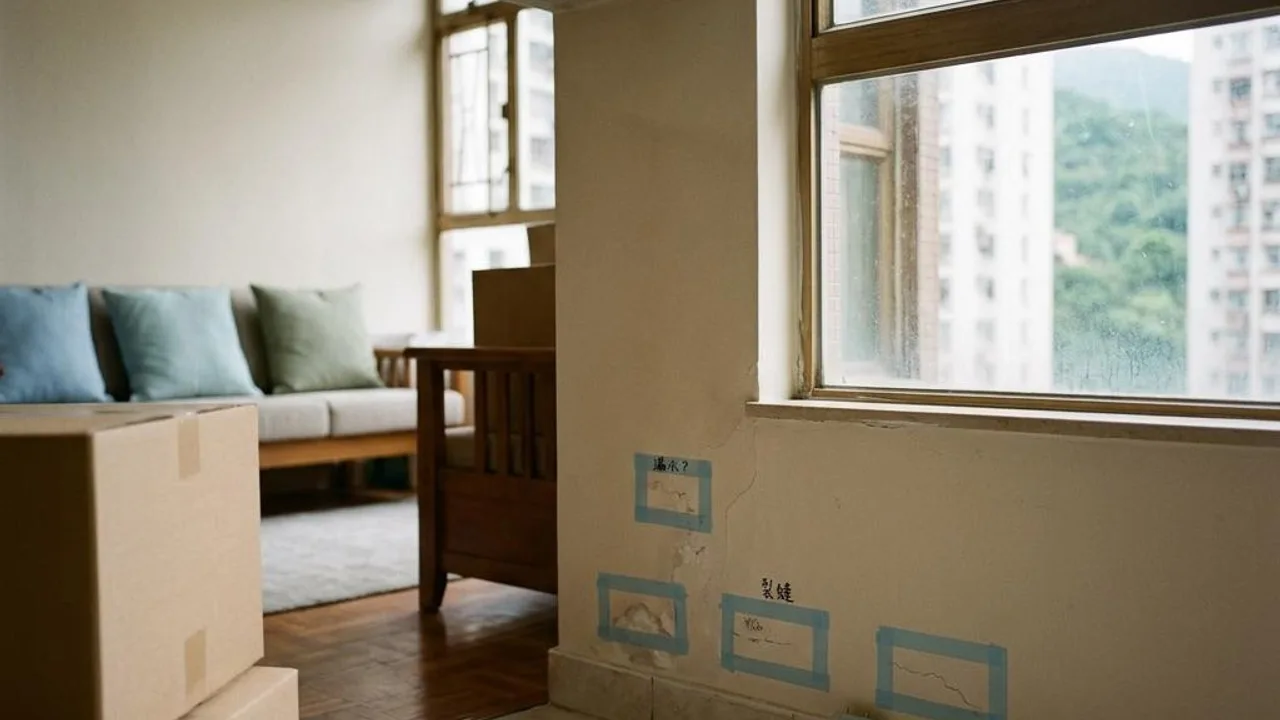
Before the OPO Inspection team arrives, ensure that the unit is cleared of clutter so that all wall corners, nooks, and ventilation ducts can be inspected. A tidy site allows for clear observation of structural cracks or signs of wall dampness, preventing obstructions from hindering the assessment.
Before the inspection, confirm that the drainage system and power supply are functioning correctly, and ensure that access paths are clear so that the inspection team can safely check all facilities. If necessary, confirm in advance if advanced items like the high-pressure water jet test require a scheduled appointment.
- Clear construction waste from the site
- Keep access paths clear
- Ensure taps and water pressure are normal
- Confirm that all electrical appliances in the unit are powered on
- High-pressure water jet test requires prior booking
Integrate questions and observations
Before the property inspection, write down your concerns in advance, such as suspected areas of water seepage, observed odours, or questions about the use of electrical installations. Raising these points with the property inspector during the check allows for targeted investigation.
Owner observations should focus on significant physical conditions, such as signs of warping in woodwork and gaps around window frames. By recording these beforehand, you can more effectively document the professional's explanations regarding these matters.
- Record areas of concern regarding wall water seepage
- Check the condition of the electrical distribution board cover
- Confirm that all drainage channels are unobstructed
- Observe if woodwork fixtures are warped
- Look for gaps around window frames
Professional assessment and collaboration
Choosing a professional OPO Inspection team provides a systematic assessment of the property's condition. The inspection process covers the building structure, plumbing and electrical equipment, and craftsmanship of various finishes. Through professional measurement and observation, it helps owners identify potential issues that might not be visible to the naked eye.
Good communication is key to a successful property inspection. The professional team will provide on-site guidance to the owner on how to identify issues and suggest follow-up actions. Staying in touch with the experts ensures that details during the handover stage are properly addressed.
- Detailed inspection of property structure and equipment
- Professional property condition assessment
- On-site guidance by the professional OPO Inspection team
- Maintain regular communication
FAQs
What should I do if I find suspected water seepage marks on the walls during the property inspection?
Owners should first record the location and take photos. Raise the matter when the property inspector is checking the site; the professional will use instruments to check the wall moisture levels and advise you on inquiring with the management office regarding maintenance responsibilities for the external walls or seepage from the floor above.
If electrical appliances are found to be working improperly during the property inspection, can I disassemble them to check?
Never disassemble any electrical appliances or installations yourself, as this involves safety risks and warranty terms. Record the issue, have the professional property inspector confirm the power status, and then formally request repairs from the developer.
Can the property inspector guarantee that the unit will not have any cracks or water seepage?
The property inspection service only assesses and records the current observed condition of the property. It cannot provide guarantees regarding structural safety, electrical circuit safety, gas safety, hidden pipe conditions, waterproof membrane thickness, remaining service life, or the effectiveness of repairs. Thermal imaging only reflects surface temperature differences and is not absolute evidence of water leakage causes or internal structural issues; it cannot be used as the sole indicator for detecting hidden defects. This service does not include statutory window inspections, which must be performed by qualified persons registered with the Buildings Department. Do not disassemble electrical appliances, adjust water pressure valves, climb to heights, or perform dangerous inspections yourself. For relevant professional issues, it is recommended to consult licensed engineers or professional technicians. This report is for reference only and cannot be treated as a promise of future safety in use.


