
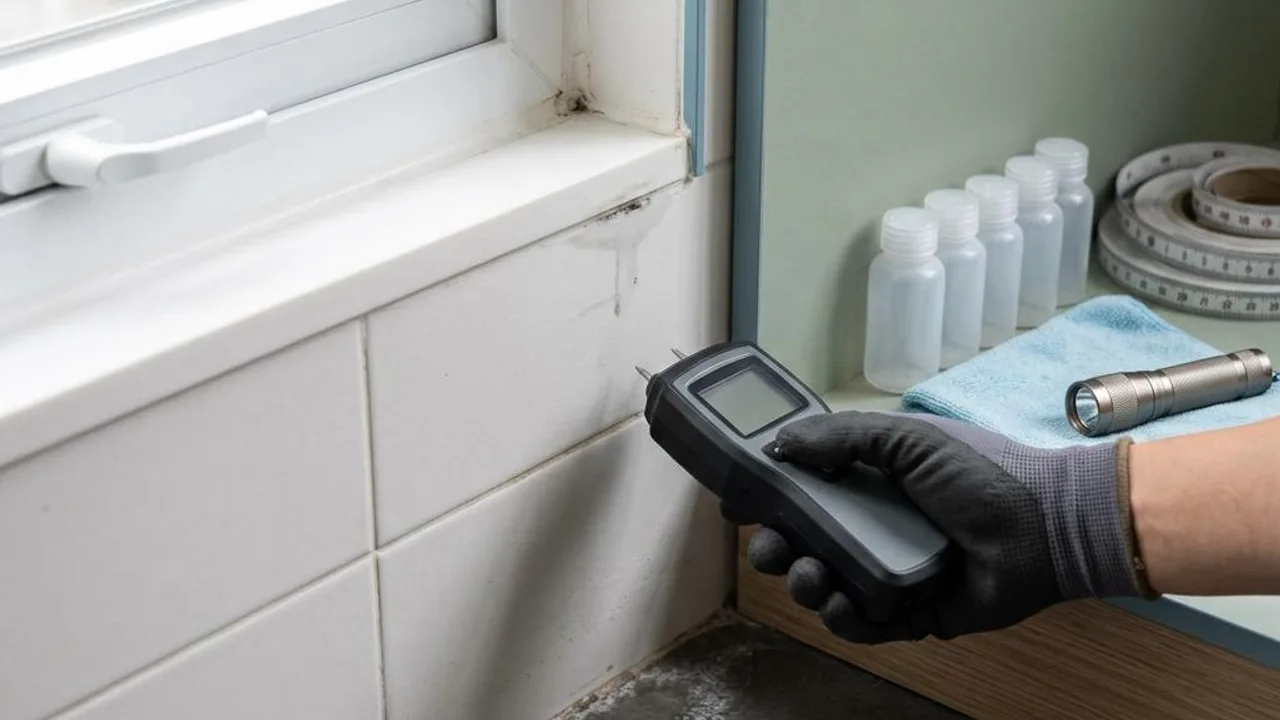
Key Preparation and Essential Documents for Property Inspection
Before conducting a professional property inspection, owners need to make sufficient preparations. First, collect all documents related to the property, such as floor plans, the purchase agreement, and the list of facilities provided by the developer. These documents allow the inspector to accurately compare the actual condition of the unit, ensuring all equipment meets delivery standards.
Secondly, hire a property inspection company with a professional background. In Hong Kong, experienced teams can provide targeted assessment advice. Property inspection is not just about being picky, but rather using objective measurement data to help owners grasp the real details of the unit, thereby safeguarding their own rights.
- Prepare unit floor plans and facility manuals
- Record all known expected defects
- Confirm the inspection date and avoid peak renovation periods
- Commission a professionally qualified inspection team
Standardised Property Inspection Workflow
The inspector will conduct a comprehensive and detailed examination of the unit according to industry standards. This process includes checking all indoor finishes, such as the flatness of wall paint, the installation status of floor tiles, and whether the processing of floor joints meets basic workmanship requirements.
In addition, the inspector will thoroughly test the installation quality of indoor fixtures, including whether cabinet doors open and close smoothly, whether window locks function properly, and whether there are obvious cracks or defects in the glass, ensuring the unit is maintained in the expected condition upon handover.
- Initial inspection of the overall structure and appearance on-site
- Functional testing of water supply and drainage systems
- Inspection of electrical device connections and operational status
- Testing the smoothness and seal of doors and windows
Water and Electrical System Inspection and Safety Assessment
Electrical safety is of paramount importance during property inspections. According to household electrical safety guidelines, we will focus on observing whether sockets have damage or scorch marks. If the owner discovers any alterations involving fixed electrical installations, it is advised that these must be handled by a Registered Electrical Contractor to ensure the eventual issuance of a related Work Completion Certificate (WR1).
For the water system, we mainly observe drainage flow and whether there are obvious signs of leakage. If the owner has severe concerns about pipe leaks, they can choose to additionally apply for a professional high-pressure water jet test. This test requires prior permission from the management office and the payment of related additional administrative fees.
- Confirm that fixed socket casings are complete and undamaged
- Test water tap switches and drainage flow
- Check if electrical circuits show signs of overload
- Confirm the visual appearance of waterproof layers in all wet areas
Interpreting Inspection Reports and Follow-up Items
Upon receiving the report, carefully compare the repair list. For structural issues or problems affecting daily use, it is recommended that owners contact the developer or seller to follow up as soon as possible. If the report indicates that further professional assessment is required, please consult a contractor with corresponding registered qualifications and do not perform structural modifications yourself.
When reviewing the report, owners should prioritise items involving safety and water leakage, and categorise them accordingly. For non-emergency aesthetic defects, repair schedules can be arranged with the relevant person in charge according to the unit's move-in schedule, ensuring the repair process does not cause too much impact on daily living.
- Study the specific defect points listed in the report
- Categorise emergency and non-emergency repair items
- Negotiate specific follow-up deadlines with the seller
- Keep a copy of the report as a reference for future repairs
After-sales Warranty and Reinspection Mechanism
During the repair process after a property inspection, if the owner wishes to confirm the repair quality after works are completed, they can book a professional team for a reinspection. Reinspection service aims to verify whether repair items have reached the expected level, avoiding secondary disputes caused by improper repairs.
During the reinspection, the owner needs to confirm that all initially listed repair items have been properly handled. If colour differences or incomplete repairs are found in the patched areas, they should be recorded again and follow-up requested. Keeping communication records is crucial for tracing repair responsibilities.
- Confirm all repair works have finished
- Arrange a flexible window for reinspection
FAQs
If cracks in the wall are found during property inspection, does this mean the unit's structure is flawed?
Wall cracks may be cracking in the surface plaster and do not necessarily involve the building structure. It is recommended that owners record the condition of the cracks in detail and require the contractor to check them. If structural cracks are suspected, a Registered Structural Engineer should be sought for a professional assessment.
How should an owner handle signs of water pipe leakage mentioned in the inspection report?
If water stains or dampness are visually observed around pipes, you should take photos as evidence and notify the developer or property management office as soon as possible. It is strictly forbidden to dismantle or replace pipes yourself; testing and repairs must be carried out by qualified persons.
If the developer refuses to repair certain items in the inspection report, how should the owner respond?
Owners should reiterate the clauses in the purchase agreement regarding handover standards. If the dispute persists, it is recommended to retain all inspection reports and communication records, and if necessary, consult a legal professional or a professional surveyor for advice to safeguard their rights.


