The concept of preventive maintenance.
Many homeowners adopt a passive 'repair only when broken' attitude after moving in, which often allows small issues to deteriorate into major projects. For example, slight water seepage under the kitchen sink, if not handled in time, will allow accumulated water to seep into the cabinet base, inducing wood panel swelling or even attracting termites. This passive mentality is the main reason for the subsequent surge in maintenance costs.
Establishing a proactive home maintenance concept is an important means of protecting property asset value. Regularly checking waterproof seals, electrical loads, and structural conditions not only maintains living quality but also prevents problems before they occur, ensuring the property maintains a better condition in the market.
- Avoid water seepage problems turning into floor cabinet destruction.
- Reduce maintenance disputes caused by ageing window rubber gaskets.
- Maintain the overall asset value of the property.
- Safeguard family living safety and stability.
Management of the first-year warranty period.
The first year after moving into a new building or following renovation is the warranty period; this is a critical stage for verifying engineering quality. Homeowners should pay close attention to whether cracks appear in walls due to fine-tuning of the building structure, and the deformation of wooden furniture after the change of seasons. If discovered, the contractor should be notified immediately to ensure repair services can be obtained within the warranty period.
It is extremely important to properly establish a home archive folder. Centralise all appliance warranty certificates, renovation layout water and electrical drawings, waterproofing warranty certificates, and accessory manuals so that if a fault occurs in the future, maintenance personnel can quickly grasp the location of pipelines.
- Use the warranty period to require the contractor to perform repairs.
- Create a centralised home file and instruction manual collection.
- Keep records of water and electrical wiring for future reference.
- Pay attention to the wear and tear caused by seasonal changes on materials.
Module 1: Waterproofing and Water Systems.
The water system is the most sensitive link in a home. Firstly, check the mildew-resistant silicone around the washroom, bathtub, and kitchen worktop. If the silicone is found to be blackening, peeling, or has gaps, it should be scraped off and refilled as soon as possible to prevent water from seeping into the wall or cabinets.
Secondly, ensure drainage pipes are unobstructed. Periodically test drainage holes in all areas and observe if the drainage speed is normal. At the same time, inspect the inlet and outlet hoses of washing machines and water heaters, checking for signs of hardening, ageing, or slight seepage at the connections. If the above conditions are found, it is recommended to replace them early.
- Scrape off and refill damaged mildew-resistant silicone.
- Test the flow capacity of kitchen and bathroom floor drains.
- Check whether washing machine water hoses are showing signs of ageing and hardening.
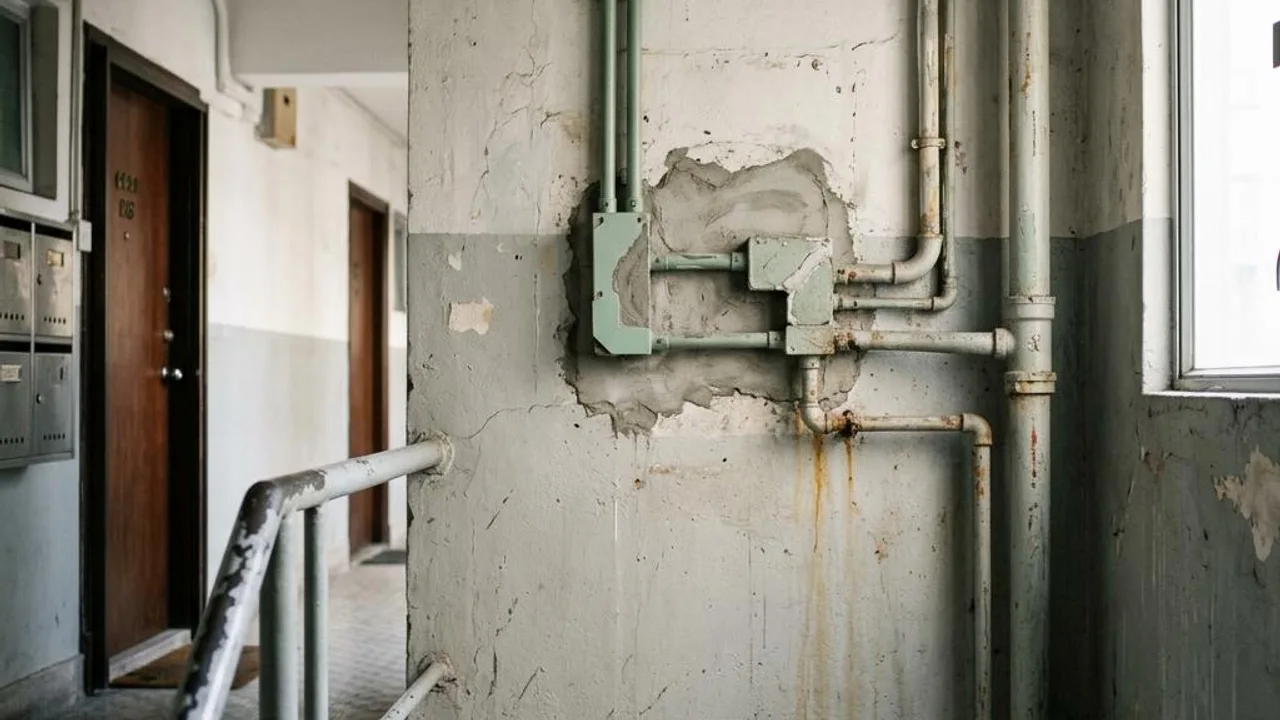
- Assess hidden pipes for clues of water seepage.
Module 2: Electrical and Equipment Safety.
Electrical safety must not be ignored. Homeowners should check wall sockets for looseness, heat, or scorch marks; if there are any abnormalities, be sure to hire a registered electrical contractor to handle it, and do not dismantle them yourself. Also, test the residual current device (RCD) function to ensure it can trip accurately in abnormal situations.
Appliance care is equally important. For air conditioners, check cooling efficiency and drainage pipe clearance to prevent water dripping from the unit due to clogged pipes. The grease filter of the range hood should be cleaned regularly to prevent grease accumulation and fire risk.
- Check sockets for scorching or looseness.
- Periodically test the tripping function of the residual current device.
- Clean the range hood to prevent grease build-up.
- Commission qualified personnel to perform circuit modifications.
Module 3: Aluminium Windows and Sealing.
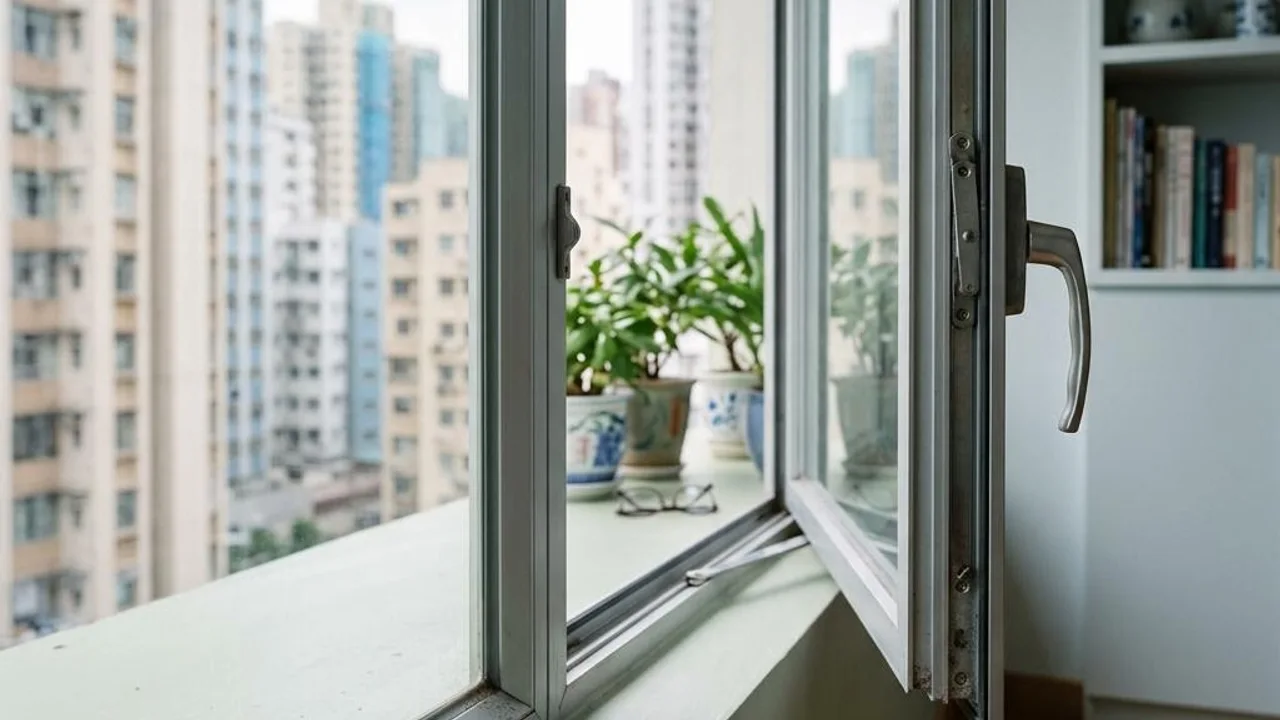
Hong Kong's weather is changeable, so window sealing and structural safety are vital. The focus of the inspection is whether aluminium window hardware (such as hinges and window locks) is rusty or not working smoothly. If the window frame gasket has hardened, consider replacing it to ensure that during the rainy season, rainwater does not seep into the room through the gaps.
For buildings ten years old, if a Mandatory Window Inspection Scheme notice is received, it must be inspected and repaired by a qualified person registered with the Buildings Department in accordance with the law. Even if the statutory window inspection age has not been reached, one should self-inspect aluminium windows before the typhoon season every year to ensure lock functions are normal and can be locked tightly. If windows are found to be loose or difficult to open/close, contact a qualified person in time for follow-up; do not attempt to dismantle or repair them forcefully yourself.
- Check window hinges and locks for signs of rust.
- Confirm whether window frame rubber sealing strips have aged.
- Ensure windows open and close smoothly and can be locked tightly.
- For applicable properties or units that have received notification, the statutory Mandatory Window Inspection Scheme is an independent procedure that must be carried out by a qualified person registered with the Buildings Department; it is not part of daily inspection items or the default service scope of this website.
Module 4: Pest and Structural Inspection.
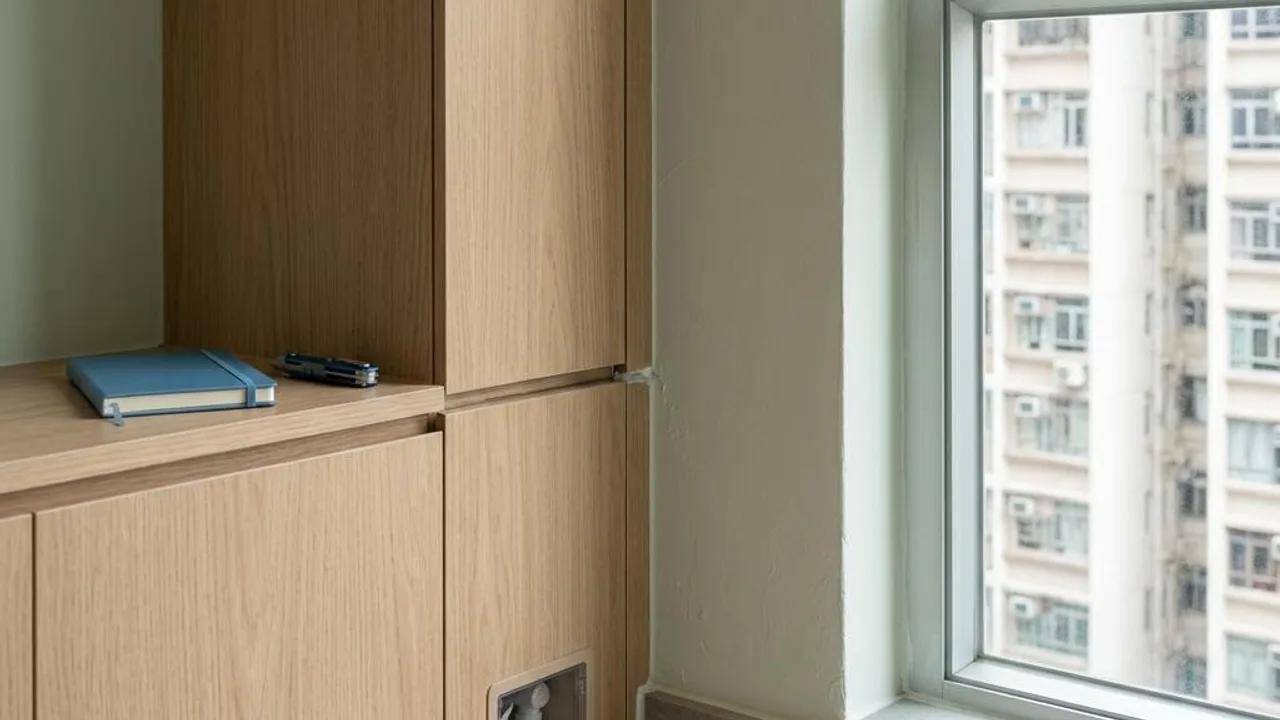
Wooden renovations are the main target for pests. Periodically check floor beds, wardrobe edges, and floors, noting whether there are fine wood powder residue or traces suspected to be ant paths. If such signs are found, consult a professional pest control company as early as possible to prevent damage to the wooden structure.
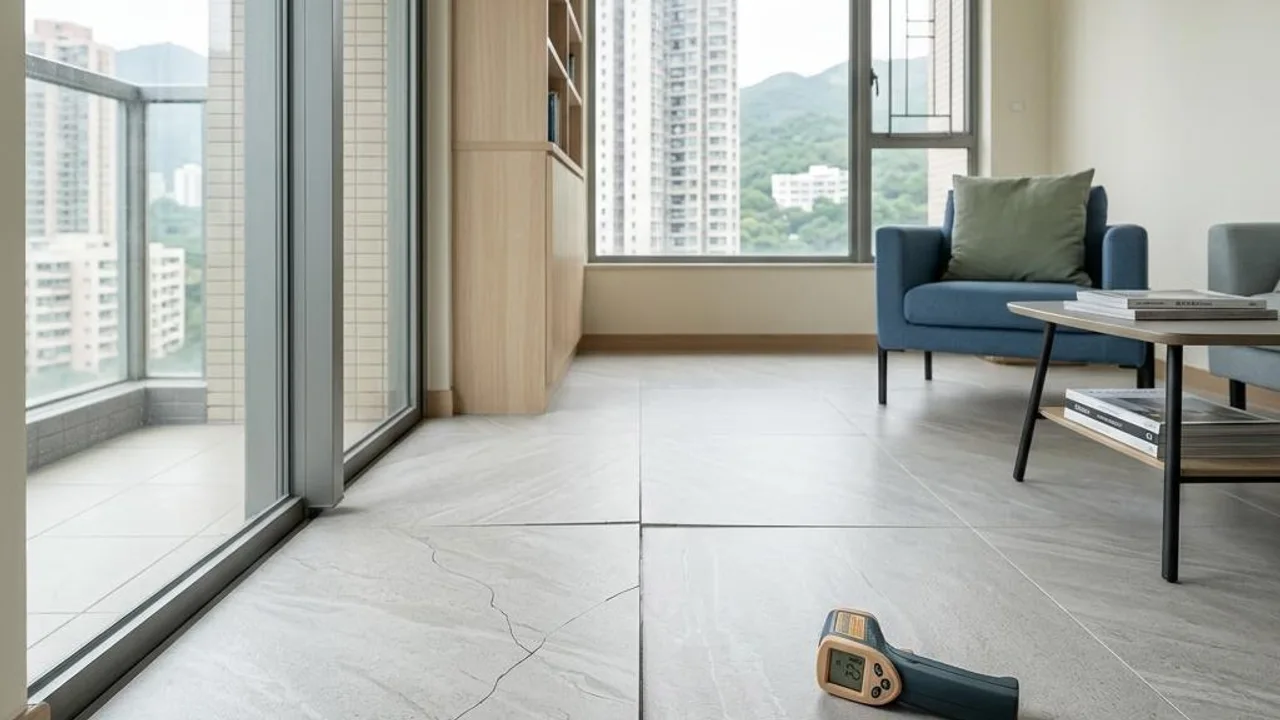
Regarding structural inspection, watch for abnormal wall cracking or hollow spots. Although most minor cracks are issues with the renovation finish, if you notice cracks expanding abnormally or structural diagonal cracks appearing at the window frame edges, seek professional engineering assessment immediately.
- Patrol wooden furniture for traces of woodworm.
- Check for unidentified wood powder or ant paths.
- Pay attention to whether floors and wall corners are damp or deformed.
- Assess whether abnormal cracking affects the structure.
FAQs
If I find rusted window hinges at home myself, can I buy parts and replace them myself?
It is recommended that homeowners should not dismantle or replace aluminium window parts themselves. Aluminium window structures involve high-altitude safety risks; therefore, hire a professional and qualified window contractor to perform inspections and repairs to ensure they meet safety standards.
If an electrical socket becomes slightly hot, is it enough just to unplug the plug?
Unplugging only temporarily stops the power supply and does not resolve potential circuit faults. If a socket is found to be heating up, immediately hire a registered electrical contractor for testing to check if the circuit has issues such as overload or loose wiring.
Does the appearance of slight cracks in the walls mean the building structure is in danger?
General minor cracks mostly stem from the thermal expansion and contraction of the renovation surface materials. If the homeowner observes that the cracks are expanding abnormally, appearing in a stepped pattern, or are located in critical load-bearing positions such as window frames, commission a professional for a structural assessment; do not judge it yourself.