Why are common facilities just as important for handover?
Many owners focus their inspection entirely on the interior of their private units and often ignore common areas such as lobbies, lift lobbies, and corridors. However, these areas are not only the daily routes for owners but are also important indicators reflecting the developer's overall construction sincerity. If common facilities show severe edge chipping, disrepair, or poor electromechanical operations at handover, this often indicates higher management and maintenance pressure for the housing estate in the future.
Proper maintenance of common areas directly affects the property's appreciation potential and future living experience. If problems are not recorded and developers are not asked to rectify them in a timely manner during the initial move-in, future issues will often need to be collectively borne by all owners. Therefore, taking a few extra steps during handover to check common facilities is a necessary task for every savvy owner.
- Common facilities reflect the developer's overall reputation.
- Avoid using owners' maintenance funds for defect rectification in the future.
- Well-maintained common spaces help increase property value.
Common inspection blind spots and impacts in common areas
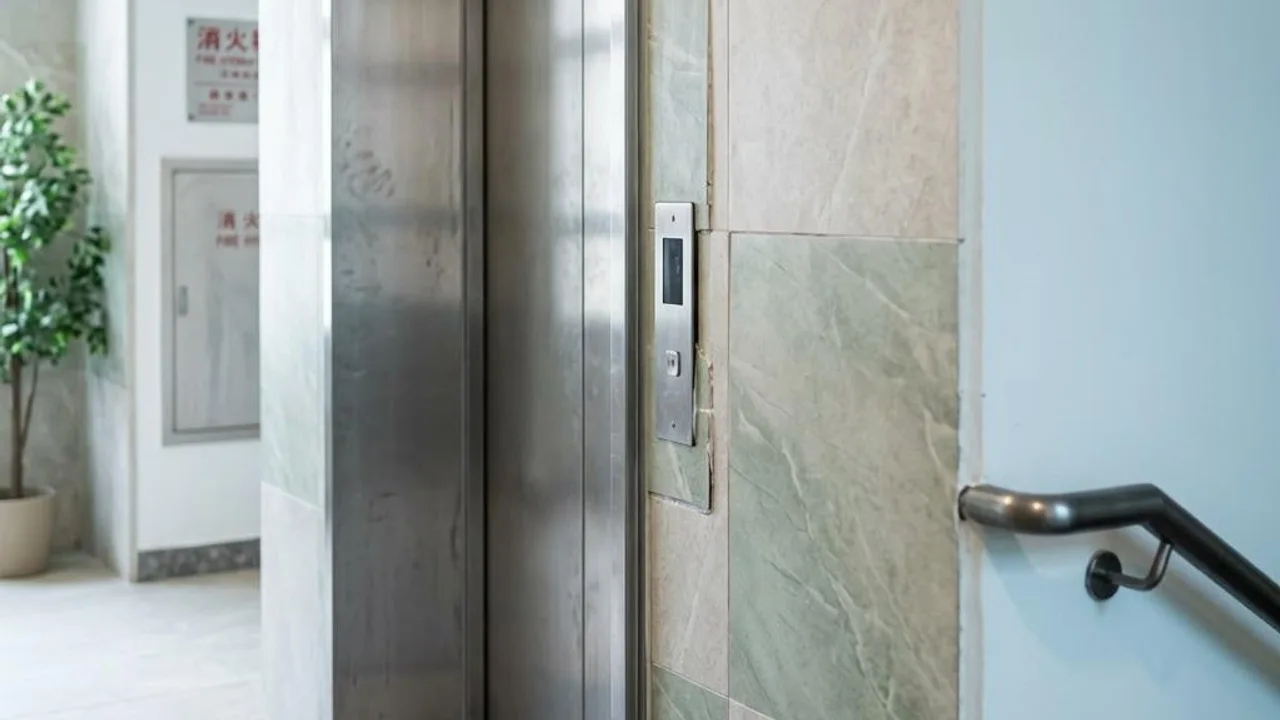
Common defects in common areas during handover include lobby marble chipping, unusual noise during lift operation, and fire doors failing to close automatically. If these defects are not recorded, they are usually regarded as normal wear and tear. For example, if a fire door cannot spring back automatically, it not only creates a fire safety loophole but may also be questioned during inspection for poor maintenance, seriously affecting the overall safety rating of the housing estate.
By observing these details, property owners can perform a preliminary assessment of the quality of the residential estate’s electrical/mechanical facilities and interior fit-out. Frequent wobbling in elevators may suggest imprecise installation or insufficient calibration, while uneven corridor lighting could reflect potential hidden issues with electrical wiring. These subtle observations often serve as strong evidence for owners to hold the developer accountable for construction maintenance.
- The flatness of marble and floor tile installation
- The stability and safety of elevator operation
- Performance test for automatic door closers on fire-rated doors
Four key points that must be checked before moving in
The first step is to check the security and stonework craftsmanship of the ground floor lobby. Observe the operation sensitivity of the lobby glass and access control system to ensure the first line of security is effective. Next is the elevator system; while riding, pay attention to whether starting and stopping are smooth, and ensure that internal ventilation and floor indicator displays are functioning correctly. This is key to ensuring daily commuting comfort and the best testing ground to reflect the standard of electrical and mechanical installation.
Furthermore, check the corridor fire safety facilities to ensure that fire-rated and smoke-proof doors on each floor can close automatically and fit flush against the frame, and that fire extinguishers and fire hose reels are in place. Finally, for the car park and refuse room, observe whether there are abnormal water seepage or reverse slope issues to ensure public facilities maintain good functional status under extreme weather or daily use, reducing the chances of discovering problems only after moving in.
- Test the responsiveness and security of the access control system
- Ride the elevator to check for smoothness and ventilation
- Verify the automatic return and sealing performance of fire-rated doors
Correct reporting procedure for discovering common defects
Unlike defect rectification in private units, issues with public facilities belong to all owners. It is recommended that owners photograph and record obvious defects found and include them in the 'Public Area Feedback Form' distributed by the developer. Do not ignore them just because 'it is not inside my unit'; these preliminary records are indispensable as evidence for forming an Owners' Corporation in the future and for claiming maintenance obligations from the developer.
Please ensure to keep an objective record, marking the location and defect conditions. If a major safety hazard exists, such as elevators frequently trapping people or missing fire safety facilities, besides recording it on the feedback form, you should write directly to the management office demanding repairs within a specified period and keep a record of all correspondence to follow up on the execution of relevant works during the maintenance period.
- Photograph and archive public defects for backup
- Report public issues through the official feedback form
- Serve as a foundation for fighting for owners' rights in the future
The role of professional testing in common areas
A professional property inspection team can use instruments to observe hidden electrical, mechanical, and fire safety defects in public areas, which goes beyond superficial cracks visible to the naked eye. This type of inspection helps owners clarify whether defects are construction faults rather than simple wear and tear due to age.
In addition, the expert report can provide owners with objective data, assisting in recording and organizing a follow-up list more effectively when communicating with the management office regarding public works, ensuring the developer fulfills its repair duties during the maintenance period.
- Use instruments to confirm electrical, mechanical, and fire safety hazards
- Assist owners in recording and organizing a repair list
- Provide objective reports to strengthen negotiation arguments
FAQs
If marble in the public lobby is found to have chipped corners or cracks, how should an owner handle it?
The owner should first photograph and archive it, specifying the exact location (e.g., left pillar at the lobby entrance), formally write the problem down on the public area feedback form provided by the developer, and request completion of repairs within a specific timeframe.
If abnormal vibrations or noises are discovered while the elevator is operating, can I open the panel myself to inspect it?
Absolutely not. Elevators are electrical and mechanical systems regulated by law; owners have no right and should not perform any disassembly or testing. If a problem is discovered, notify the management office immediately and demand that a registered elevator engineer conduct the inspection and repairs.
The fire-rated door does not close automatically; is this an item the owner needs to repair themselves?
No, it is not. Fire-rated doors in public areas are communal facilities, and the party responsible is the Owners' Corporation or the property management company. If a faulty door closer is found during move-in, it should be reported to the management office in a timely manner to ensure compliance with fire safety requirements.