
Preparatory work before booking a property inspection
Before booking a property inspection, homeowners should first clarify the unit type, including whether it is a brand new development or a second-hand property, and provide interior area data for relevant personnel to assess the workload. Clear information ensures more precise testing time allocation while allowing homeowners enough time to arrange their daily schedule, preparing for a smooth handover.
Before finalising the property inspection date, homeowners need to confirm that they have obtained approval from the management office to enter the unit for testing. Maintaining communication with the inspection team and informing them of special renovation details in the unit in advance allows the inspection team to prepare more thoroughly before arrival, thereby increasing the overall efficiency of the on-site survey on the day.
- Confirm unit type (new or second-hand) and interior area
- Reserve sufficient time to match the property inspection schedule
- Ensure approval has been obtained from the management office to enter the unit for inspection
- Check with the personnel for any items requiring special inspection
Focus points for professional on-site testing
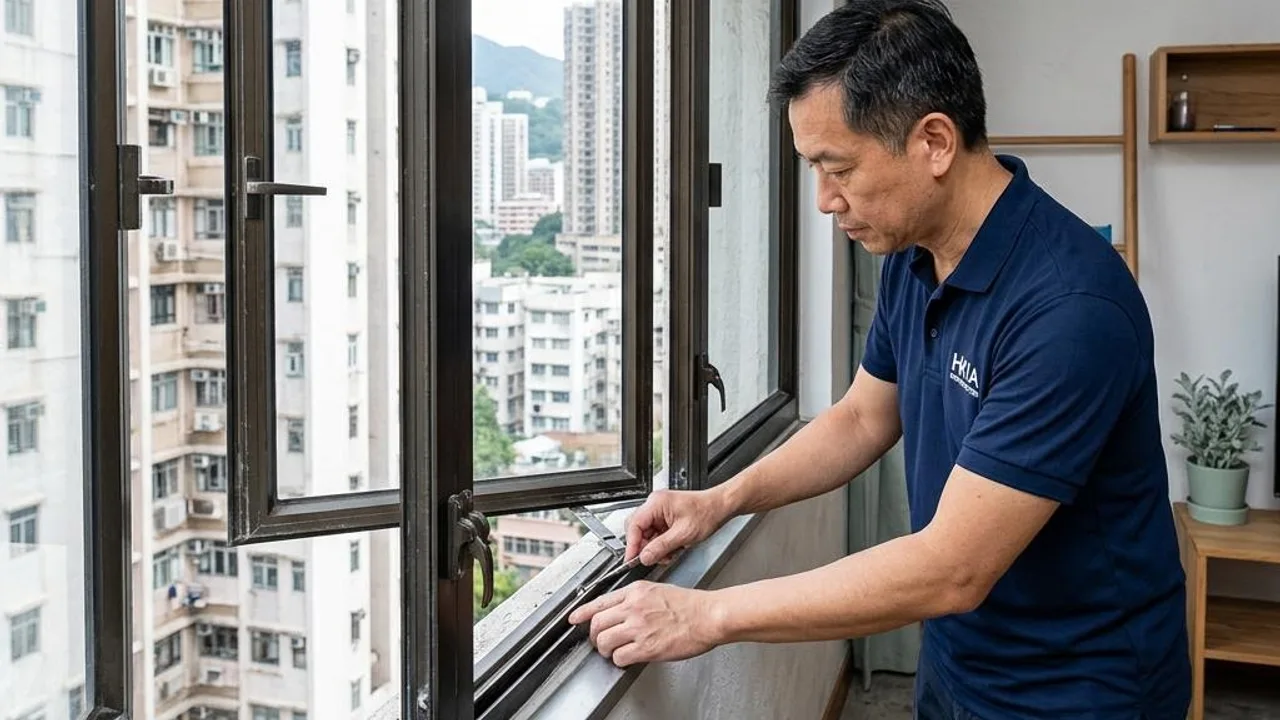
On-site testing is a systematic project that covers multiple core areas within the unit. Professional inspectors will conduct functional tests on door and window hardware to ensure the tightness of window frames and use tapping methods to check for hollow rendering on walls and ceilings, while carefully observing floor levelness and brick surface smoothness.
In addition to finishing checks, the operational status of the electrical and water/drainage systems is of paramount importance. Through standard testing procedures, personnel will confirm whether various devices are operating normally. If homeowners are concerned about external wall seepage, they may consider using professional equipment for a targeted high-pressure water jet test to assess environmental impact.
- Inspection of door/window hardware functionality and window frame tightness
- Tapping test for hollow wall and ceiling rendering
- Inspection of floor levelness and brick surface smoothness
- Operational testing of water/drainage systems and electrical installations
- External wall survey targeting seepage risks
On-site explanation and problem analysis
On-site explanation is an indispensable part of the property inspection process. After completing the initial inspection, the inspectors will immediately summarise the various defects in the unit and detail the causes of the problems and their potential impact on living. This enables homeowners to clarify doubts on the spot and obtain targeted repair advice, avoiding blind demands for rectification.
Through professional explanation, homeowners can plan the priority of the defect rectification list with more confidence. This on-site communication content serves as an important basis for negotiations between the homeowner and the developer or renovation company, helping to clarify the scope of responsibility for both parties and ensuring repair work addresses the pain points, avoiding wasted time.
- Inspectors summarise all unit defects on-site
- Analysis of problem causes and potential impact assessment
- Provide professional advice on whether repair is required
- Assist homeowners in clarifying the priority of the defect rectification list
Report compilation and follow-up support
After the inspection is completed, the professional team will consolidate the day's records and compile a detailed electronic report. The report aims to accurately record the inspection results of the unit, covering all tested items. Homeowners can usually receive the report within one working day after the inspection; the text description is ensured to be precise, serving as a powerful record for future follow-up.
In addition to the delivery of the report, follow-up consultation support is equally critical. If homeowners have questions about the report content or encounter communication difficulties while executing repair strategies, they can enquire with professional personnel. This ongoing support ensures that homeowners can continue to receive professional evaluation advice when dealing with property defects.
- Reports are usually delivered on the next working day.
- Provide property owners with targeted advice on repair strategies.
- Support property owners with consultation needs during the defect rectification process.
- Provide detailed records to serve as evidence for property owners during negotiations.
Long-term assurance of professional property inspection
Property inspection is not just about accepting the current state of a property; it is a guarantee of the property's long-term quality. Through systematic testing, property owners can discover hidden structural defects or renovation oversights early and complete repairs before moving in. This effectively avoids frequent maintenance expenses caused by leaks or unstable electricity in the future and enhances living comfort.
Choosing a professional property inspection service means choosing peace of mind for your home. It is not just about verifying property quality, but about safeguarding future home safety. Through this process, every property owner can embark on a new chapter of life with a full understanding of the property's condition, ensuring that every investment is translated into quality of life.
- Identify structural and renovation hazards early to reduce subsequent costs.
- Enhance home safety through professional inspection.
- Assist property owners in verifying property quality before taking possession.
- Provide property owners with professional evidence for negotiations with developers.
FAQs
How should a property owner handle suspected water seepage discovered by a property inspector?
If signs of suspected water seepage are found on-site, the property owner should ask the inspection staff to mark the location and record details. Do not carry out destructive testing or remove the waterproof layer yourself. Property owners should include the relevant records in the defect rectification list and request the developer or a professional contractor to send staff to investigate the source of the leak and evaluate repair plans.
Is a property inspection report sufficient to prove that a wall structure is unsafe?
Property inspections mainly target the quality of renovation finishes and visible areas, such as whether plasterwork is hollow. If suspected structural cracks are found, the report will record their specific location for the owner's reference, but the property inspector cannot directly determine structural safety. Owners should submit the report to a qualified engineer for a professional structural assessment.
If electrical installation issues are discovered when taking possession, can they be repaired on the spot?
According to safety guidelines, electrical testing during property inspection is limited to functional operation checks and instrument testing. If circuit problems are found, they should be recorded in the report and the developer should be requested to arrange for a licensed electrician to perform repairs and certification. Property owners should not attempt to carry out any alterations or repairs to electrical installations themselves.


