Understand the importance of exterior wall water testing.
Exterior wall water testing is an indispensable part of residential property inspection, mainly by simulating strong rainfall environments to check the waterproofing performance of building exterior walls, window frames, and connection points. Such testing can effectively screen out potential leakage points before moving in, avoiding future maintenance troubles like mouldy walls, peeling wallpaper, or damaged paint.
Note that exterior wall leakage is not caused by a single factor; it could be due to aging building sealant layers, failure of waterproof materials at the connection between window frames and walls, etc. Therefore, exterior wall water testing is not just about checking the exterior surface, but a pressure test for the unit's overall protective barrier, ensuring the home interior is not disturbed by external weather changes.
- Assess the sealing efficiency of exterior window frame waterproof seals.
- Check the waterproofing around the air conditioner platform and piping.
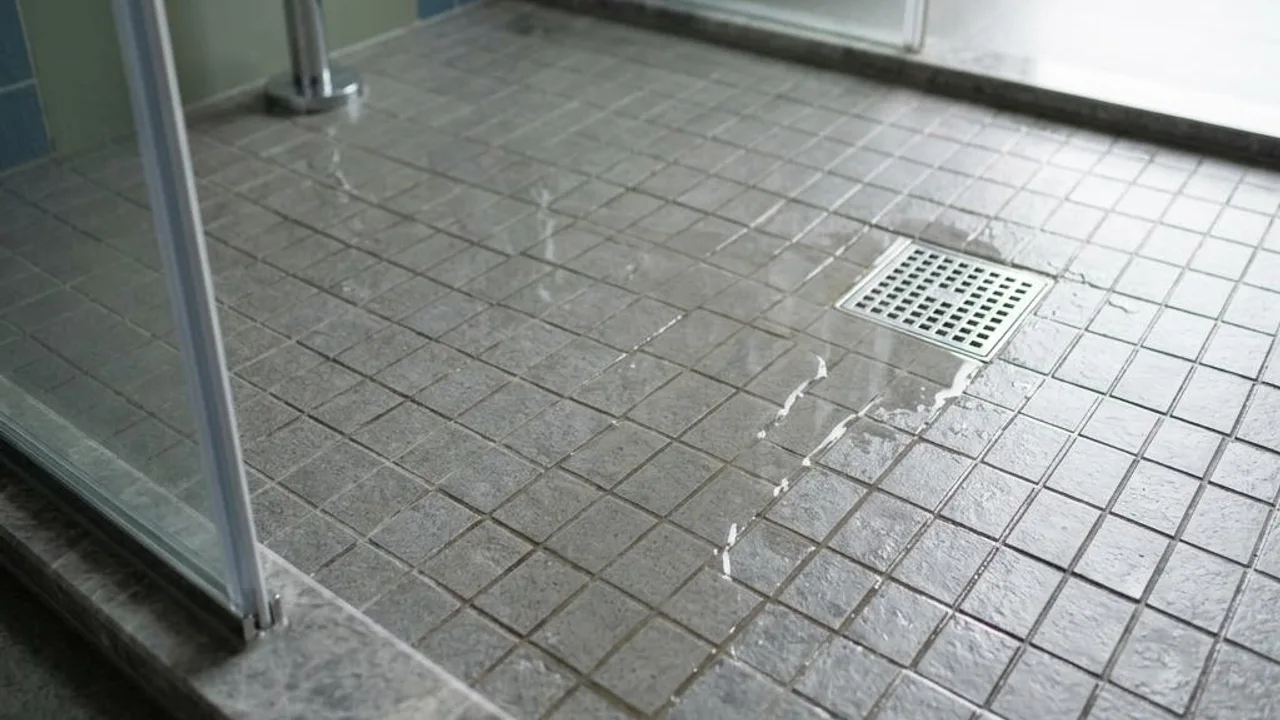
- Observe if the balcony drainage system is functioning smoothly.
- Identify whether there are any cracks or peeling in the wall waterproof coating.
Systematic water testing and inspection procedures.
Professional water testing should be systematic. Inspectors usually use controlled spraying equipment, following specific angles and pressures, to perform a water spray test from bottom to top and outside to inside. This process strictly records the reactions at each test location, ensuring the data reflects actual heavy rain conditions rather than random spraying.
During the test, inspection personnel must carefully observe whether water stains appear on the inner side of the wall. This simulated rainfall method reproduces building envelope leaks during extreme weather in a short time, providing concrete data support so that owners can require the developer to follow up during the property hand-over stage.
- Before testing, confirm that all test equipment complies with safety standards.
- Record every potential leakage point during the water spraying process.
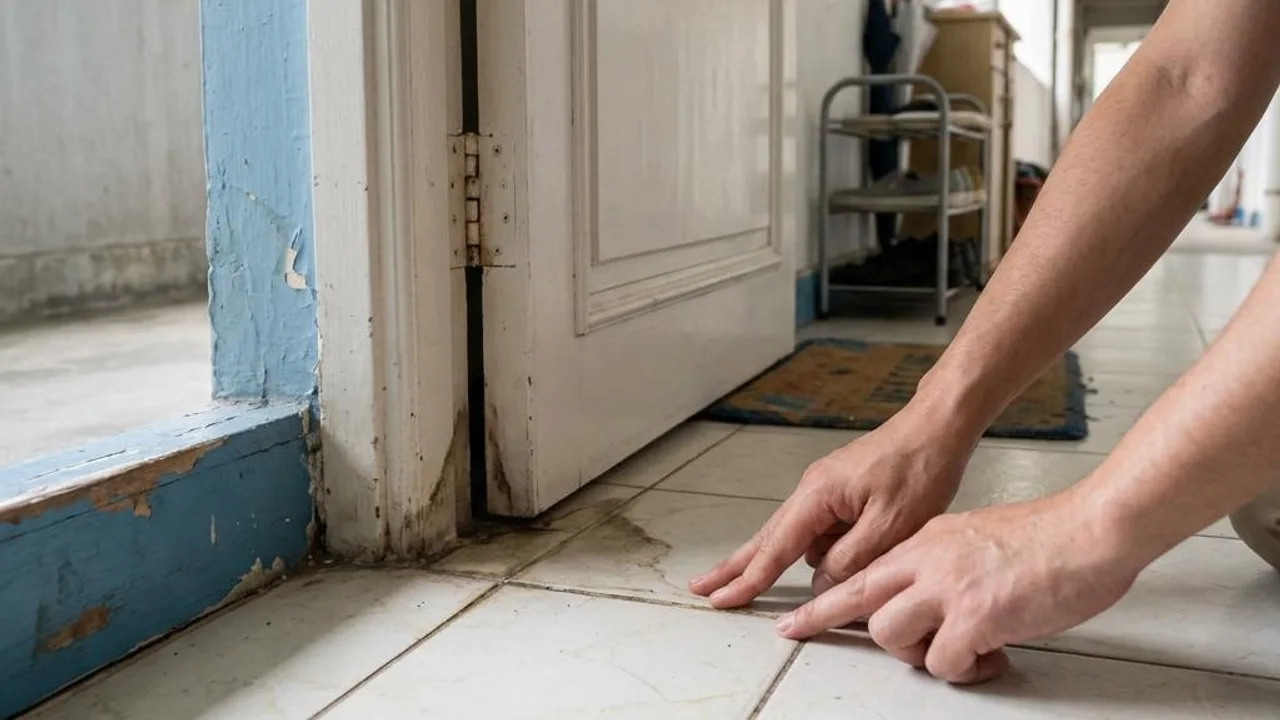
- Focus water spraying on window frames, gaps in doors, and junctions with external walls.
- Ensure water testing data can be cross-referenced with the weather and environmental conditions on the day of the property inspection.
Professional instruments and judgment criteria.
Property inspection is a highly professional technical task requiring participants to possess solid construction knowledge and practical experience. An excellent property inspection team not only needs to operate professional water-spraying equipment but also needs to understand building structures and the characteristics of waterproofing materials to precisely determine the nature of the issue—whether it is external wall leakage or simply indoor condensation.
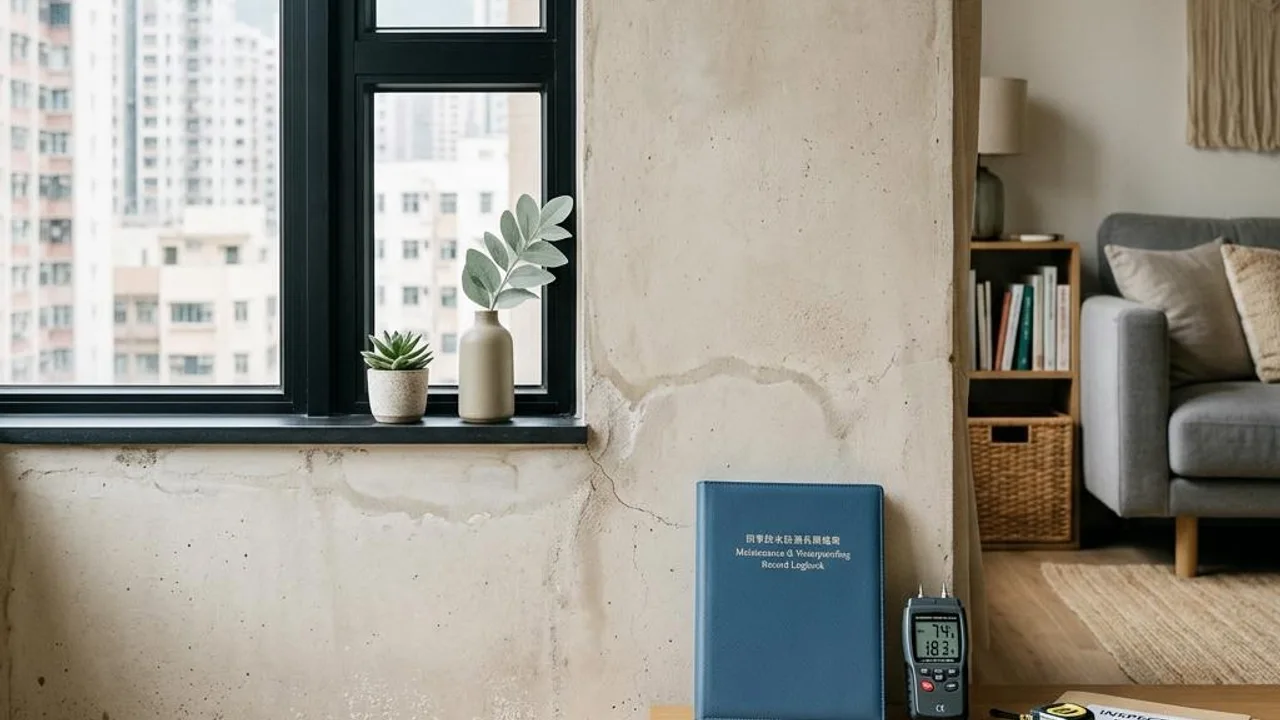
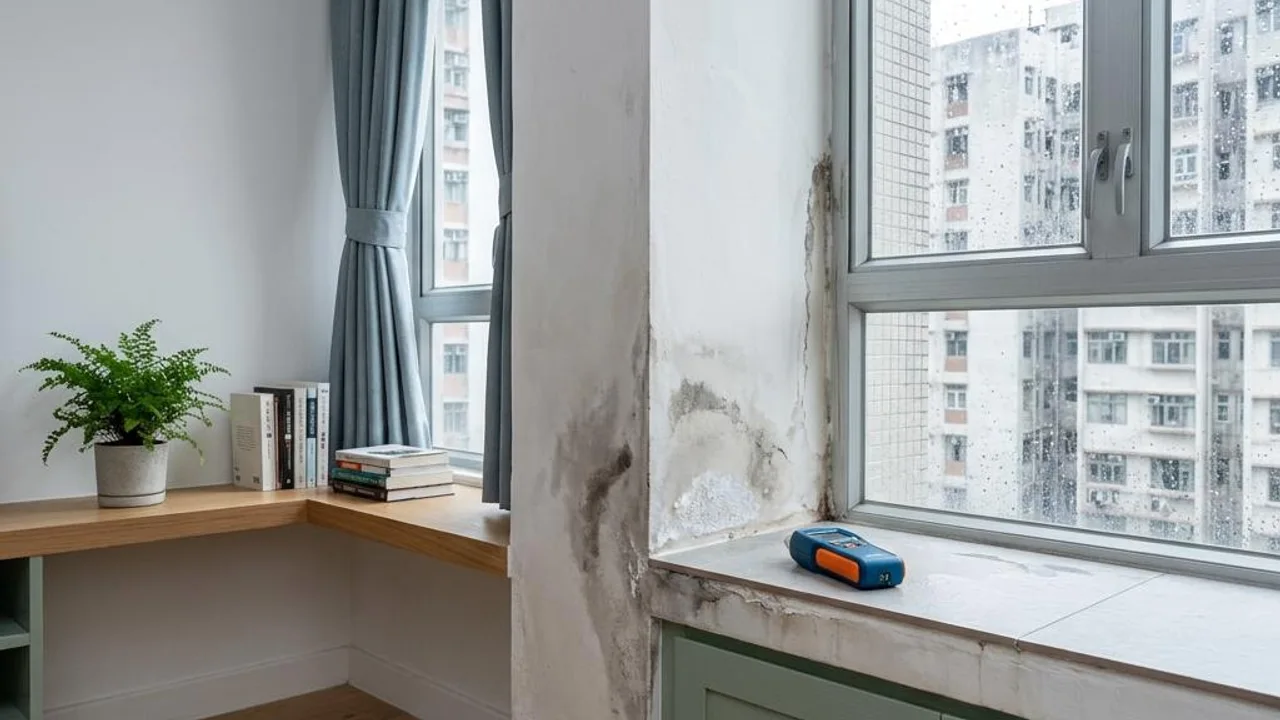
Professionals use instruments during inspection to measure the moisture content of walls, and by observing patterns and discoloration of wall seepage, they can determine if the waterproofing layer has defects. This is fundamentally different from ordinary naked-eye observation and can effectively avoid misjudgment, thereby saving owners the costs of blind dismantling that might be incurred during subsequent repairs.
- Equipped with professional electronic instruments for measuring wall moisture content.
- Distinguishing between water leakage marks and condensation.
- Possessing a professional background in building waterproofing structures.
- Providing objective inspection records that carry legal weight.
Key points for detail inspection and issue troubleshooting.
After water testing, the inspector will perform an in-depth, detailed check on the wall surface and external wall ancillary facilities. This includes carefully observing whether the rubber seals of the window frames have hardened or cracked, and checking whether there are signs of loosening at the connection points of external wall drainage pipes. Any tiny gaps can evolve into a water leakage disaster during strong winds and heavy rain and must be included in the list of repair recommendations.
If serious water leakage is found during inspection, the inspector will evaluate the severity of the issue and potential areas of impact. Owners should communicate with relevant parties based on the report. It should be emphasised that if the leakage is caused by structural cracks in the external wall, this involves the overall maintenance of the building and must be handled by qualified engineering personnel and registered contractors, rather than simply applying waterproofing sealant indoors.
- Checking the sealant at the junction of window frames and the wall body.
- Inspecting the waterproofing performance of external wall drainage systems and pipes.
- Investigating whether there are obvious structural cracks on the surface of the external wall.
- Recording whether the window sill slab has sufficient water drainage slope.
Professional application value of property inspection reports.
A detailed property inspection report provides owners with strong supporting evidence. The report content should include all findings from the water test, recording every leakage point in image and data format, and providing professional rectification analysis from the inspector. This allows owners to clearly state repair requests to relevant parties during the property handover and acceptance process.
Retaining this inspection data also helps with future home maintenance. When signs of suspected aging appear on the external wall or window edges in the future, owners can refer to the initial property inspection report to determine whether the leakage situation is related to the original structural defects, thereby adopting more targeted repair measures.
- Clearly listing the leakage points discovered during the water testing process.
- Attaching the corresponding analysis of the leakage situation and proposed solutions.
- Incorporating the report results into the property handover and acceptance record.
- Retaining data as a reference benchmark for future wall maintenance.
FAQs
What abnormal phenomena can owners observe during external wall water-spraying inspections?
Owners can observe whether water stains or dripping phenomena appear at the corners of window frames, or at the junctions between walls and ceilings. If the wall colour becomes darker or there are signs of seepage during the water test, that specific location should be recorded and the inspector notified for further assessment.
If water leakage is found on the wall after inspection, how should the owner handle it?
Request a written report listing the location of the leakage. If the leakage involves poor sealing of the window frame, ask the developer to replace or re-apply the waterproof sealant; if it involves the external wall structure or cracks, consult qualified building engineering personnel for repairs, and do not carry out remedial measures indoors by yourself.
Why can't self-conducted water-spraying tests replace professional property inspection?
The water-spraying test used by OPO Inspection features pressure control and specific angle requirements, making it closer to real-life heavy rain conditions. Furthermore, professionals can use electronic instruments to measure the deep moisture content of the wall and distinguish between condensation and water leakage; these precise determinations and professional equipment cannot be achieved by personal testing.