
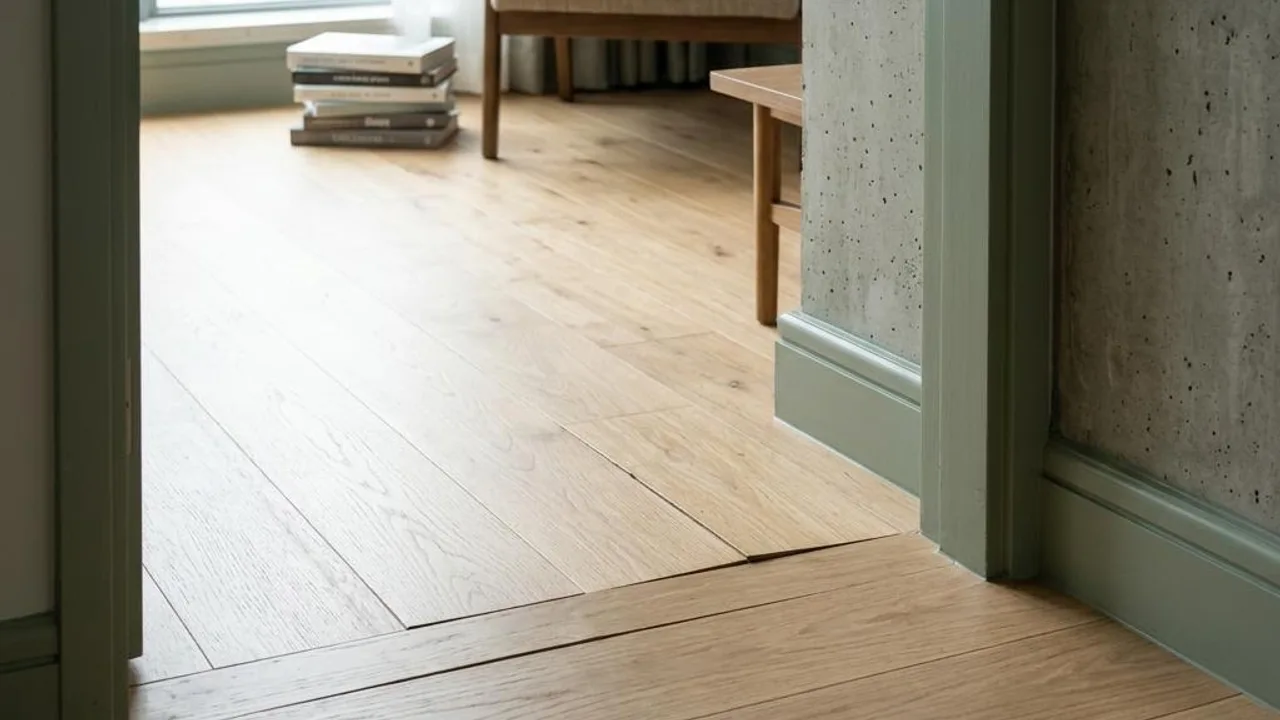
Analysis of the core causes of floor squeaks
During the floor inspection process, squeaking is usually a significant quality red flag. Common causes include uneven adhesion between the floor and the base layer during construction, forming local hollows; or the floor may not have been sufficiently levelled before laying, causing the floor to bear weight unevenly, thus producing sound when walked upon. Furthermore, solid wood flooring is extremely sensitive to changes in environmental humidity; if installation humidity is unstable, wood expansion will also produce friction noise.
If the quality of materials used for floor installation is poor, or if the adhesive used fails to achieve the expected curing effect, it will also cause the floor to loosen from the base layer. This squeaking is particularly noticeable when walking, reflecting that the flooring installation craft has not reached standard, and further inspection is required for hidden structural hollows or construction defects to assess their long-term impact on home safety and aesthetics.
- Insufficient floor levelling leading to local floor suspension
- Incomplete glue adhesion causing hollow drum issues
- Floor materials expanding due to temperature and humidity influence
- Base layer ageing or shrinkage and deformation of renovation materials
How to detect floor squeaks during property inspection
The simplest and most effective method for owners during unit inspection is to walk around the room comprehensively, listening for squeaks in every corner. During the process, pay attention to different floor areas, especially wall edges and corners, as these are the places where hidden construction flaws are most easily discovered. At the same time, you can supplement this with a light tapping test; if it produces a crisp, hollow sound, that is a sign of a hollow drum.
Professional property inspection processes are more systematic. Beyond basic walking tests and tapping, they will assess whether floor joints are aligned and if flatness meets basic specifications. If large-scale squeaking is found, this is usually not just a problem with a single plank but may involve the laying quality of the entire row of flooring; owners should record the location and degree of the abnormality in detail for the renovation party to rectify.
- Full-house walking test, focusing on edges and corners
- Use tapping to detect whether there is a hollow sound in the floor foundation
- Check if the timber flooring joints are level and secure.
- Record the precise area where the abnormal sound originates for subsequent comparison.
Directions and suggestions for handling floor squeaks
If abnormal floor sounds are discovered during the property inspection, they should be recorded for future reference. The rectification solution depends on the cause of the problem. Minor, localised hollow patches may be filled with repair adhesive after an assessment by a professional; however, if the issue involves large-scale loosening, deformation of the base layer, or problems with the installation structure, it may be necessary to re-lay the flooring to ensure durability. This report is for observation and record-keeping purposes only and does not constitute a guarantee of structural safety or a commitment to repair outcomes. We recommend consulting a qualified professional for issues involving structural concerns.
Owners should not attempt to carry out repairs by themselves, especially for matters involving structural issues or large-scale construction work. For newly handed-over properties, the ideal approach is to require the developer or contractor to perform defect rectification according to contractual standards to ensure that the quality upon completion reaches the acceptance level. It is essential to require the relevant parties to provide proof of construction quality to prevent the problem from worsening after the maintenance period expires.
- Localised hollow patches can be assessed and repaired by a qualified person.
- For large-scale abnormal sounds, it is recommended to request the contractor to provide a replacement.
- Issues with the base layer require the floor levelling to be redone.
- Avoid DIY disassembly to prevent the loss of the original factory warranty.
Indoor humidity and floor stability
Beyond construction craftsmanship, long-term indoor environmental maintenance is crucial for preventing abnormal floor sounds. The indoor environment must be kept at appropriate humidity levels (typically recommended to be controlled within 70%), which helps to maintain the stability of timber flooring and reduces warping or separation caused by thermal expansion and contraction. Additionally, avoiding unnecessary excessive cleaning during humid weather and conducting regular checks for signs of floor loosening can effectively reduce the likelihood of abnormal sounds.
The service life of flooring is closely related to daily maintenance habits. For instance, avoid dragging heavy furniture directly across the floor to reduce excessive wear on the floor's surface and base layer. If you find that the abnormal sound persists or worsens over time, please seek assistance from a renovation professional for an inspection as early as possible. Good maintenance habits, combined with standard property inspection preventative measures, can significantly reduce the distress caused by flooring problems throughout your long-term residency.
- Maintain stable indoor humidity to prevent floor deformation.
- Regularly check the floor for any signs of loosening or depression.
- Avoid dragging heavy objects across the floor.
- Keep the floor base dry to prevent ageing caused by dampness.
Key points for seeking professional investigation
If an owner is concerned about abnormal floor sounds, how should they seek a professional inspection? Firstly, the owner should detail the location where the abnormal sound occurs, the type of sound, and the frequency of occurrence, and record the instances of the sound while walking on video. These specific objective data points allow professional inspectors or renovation contractors to more accurately determine whether the issue lies with the base layer or the surface materials when they arrive for an investigation.
When consulting professionals, you should specifically ask whether the inspection methods will damage existing decorations and whether their assessment criteria comply with general industry construction standards. Since there are various causes for floor squeaking, owners should request an objective on-site assessment report from professionals and inquire in detail about the pros and cons of repair suggestions to decide whether to accept the repair plan, so as to avoid large-scale demolition work before the cause is clearly identified.
- Record the location and context of the squeaking.
- Prepare detailed observation records for professional assessment.
- Consult professionals regarding their inspection methods and procedures.
- Request an assessment of the necessity and risks of the repair plan.
FAQs
Does finding slight floor squeaking during a property inspection mean the floor quality is extremely poor?
Not necessarily. Squeaking can be caused by various factors, including insufficient levelling of the base layer, incomplete curing of adhesives, or the impact of environmental humidity. While this reflects that the installation workmanship may not be perfect, it needs to be confirmed by professionals whether it is a structural defect or just an installation flaw.
If floor squeaking is detected, is it recommended for the owner to inject glue for repairs themselves?
It is strongly advised to avoid this. If you dismantle or fill gaps without professional assessment, you may damage the floor surface, affect future warranty eligibility, or even fail to resolve deep-seated underlying issues. You should record the situation and report it to a professional OPO Inspection surveyor or contractor.
Does long-term floor squeaking affect home safety?
Usually, floor squeaking mainly affects the living experience and the aesthetics of the floor. However, if the squeaking is caused by base layer ageing or severe hollowing, ignoring it for a long time may lead to increased floor wear. It is recommended to seek an investigation from professionals promptly to clarify the specific cause and consider appropriate handling methods.


