The critical role of the drainage system in the home
The drainage system is the core of home operation, responsible for effectively draining daily wastewater. A well-designed and correctly installed system not only ensures that the indoor environment remains dry and clean at all times but is also the primary barrier against water accumulation, wall efflorescence, ceiling mould, and the growth of various bacteria. If drainage pipes leak or remain blocked for a long time, it will not only affect the quality of life but may also lead to damage to the downstairs neighbour's ceiling, triggering unnecessary legal liabilities and maintenance disputes.
During property inspection, the integrity of the drainage pipes is directly related to the long-term investment value of the property. Once drainage pipes hidden within walls or under floors are damaged, the repair process often involves knocking down walls or prying up floor tiles, which is a major, costly project. Therefore, conducting a comprehensive inspection during the handover stage to detect and request rectification early can save owners future maintenance time and expenses, ensuring living health and financial security.
- Preventing the backflow of domestic wastewater and leakage risks
- Avoiding wall efflorescence and mould caused by a damp environment
- Protecting the integrity of property structure and decoration quality
- Accepting drainage pipes: ensuring new homes meet building standards and a healthy environment. This inspection aims to identify currently visible construction conditions and does not certify the structural safety, internal pipe integrity, or remaining service life of concealed works. Infrared thermal imaging is only used to display surface temperature distribution and cannot be directly regarded as evidence of leakage causes or hidden structural defects. No tool can guarantee the discovery of all hidden problems; findings must be considered alongside visible evidence and site conditions. The Mandatory Window Inspection Scheme is an independent statutory procedure that must be carried out by a qualified person registered with the Buildings Department and is not covered by this inspection. Professional technical issues (such as gas, electrical systems, or structural hazards) should be consulted with accredited professionals in the relevant fields. Do not attempt to dismantle electrical accessories, adjust water pressure valves, climb to inspect roofs, or handle exterior wall windows yourself. It is recommended to record observations and hire qualified professionals for detailed assessment and follow-up if abnormalities are found.
The four core steps for professional drainage pipe acceptance
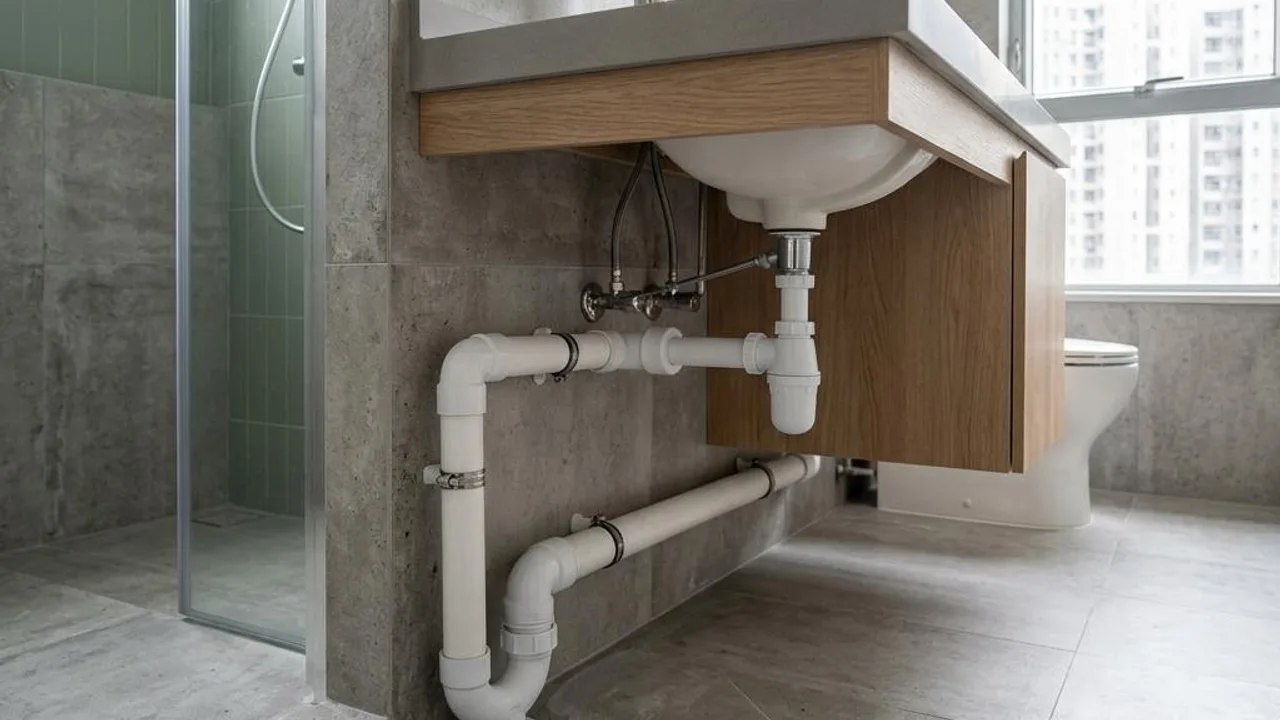
Drainage pipe acceptance must begin with observation. Professional OPO Inspection surveyors will first conduct a comprehensive visual inspection, focusing on checking all visible pipes for cracks, whether connections are tight, and if pipe fixings are secure. At the same time, they will observe whether the pipes are perfectly joined with walls and floor slabs to prevent chronic water seepage caused by loose connections; these details are often the hotbeds of domestic leakage and must be carefully verified.
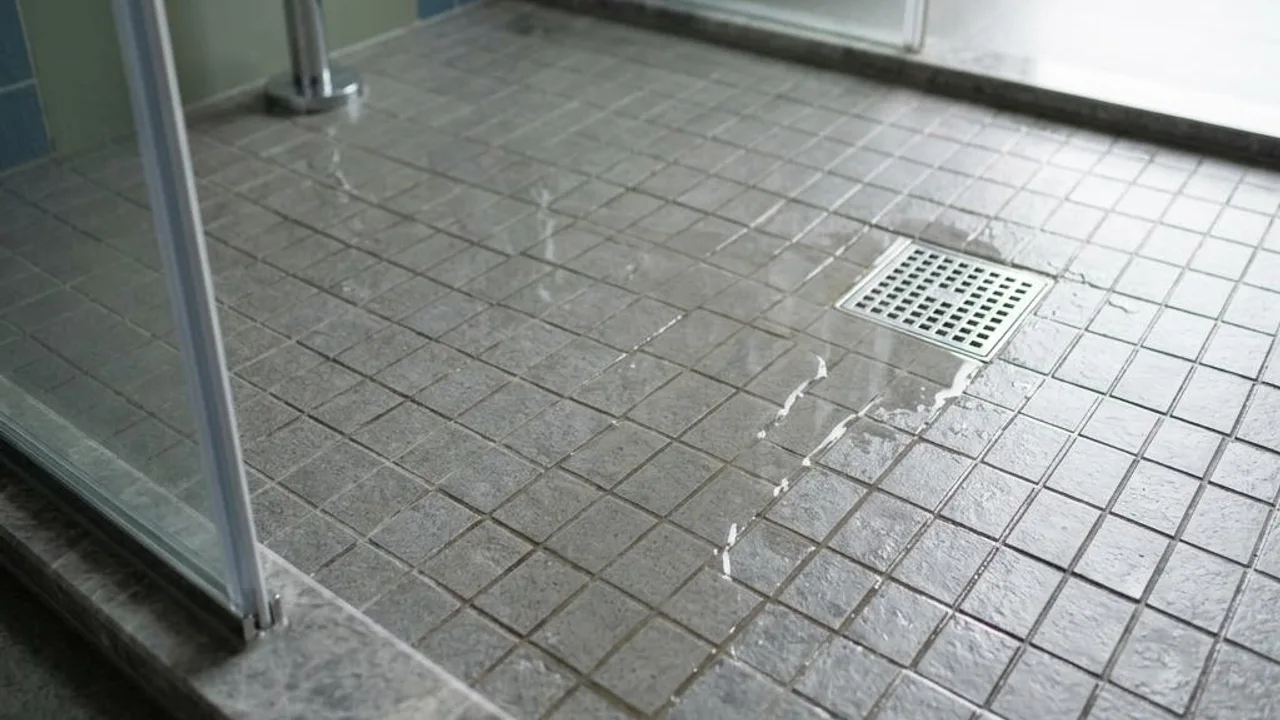
In addition, carrying out a water flow test is a necessary process to confirm drainage efficiency and sealing. By pouring water and observing the drainage speed, one can judge whether there is any foreign matter blocking the inside of the pipes. At the same time, it is essential to verify whether the water seal level of every drain is accurate to ensure that the air gap function is normal, preventing sewer gases from flowing back into the indoor environment and safeguarding the air quality of the living space.
- Checking the appearance of drainage pipes and the sealing of connections
- Executing water flow tests to confirm drainage speed and smoothness
- Verifying that the water seal level of every drain is accurate
- Confirming that the joints between pipes, walls, and floors are tight
Practical drainage pipe inspection techniques and points to note
When conducting drainage pipe inspections, it is recommended to simulate actual high-load household usage scenarios. For example, drain water in the kitchen and bathroom simultaneously to test drainage capacity under high flow and confirm that the system does not backflow. Furthermore, the gradient of the drainage path must be checked to ensure that the pipe design can effectively use gravity to guide water to the building's main drainage pipe, avoiding wastewater stagnation or waste accumulation in the pipes due to unreasonable gradients.
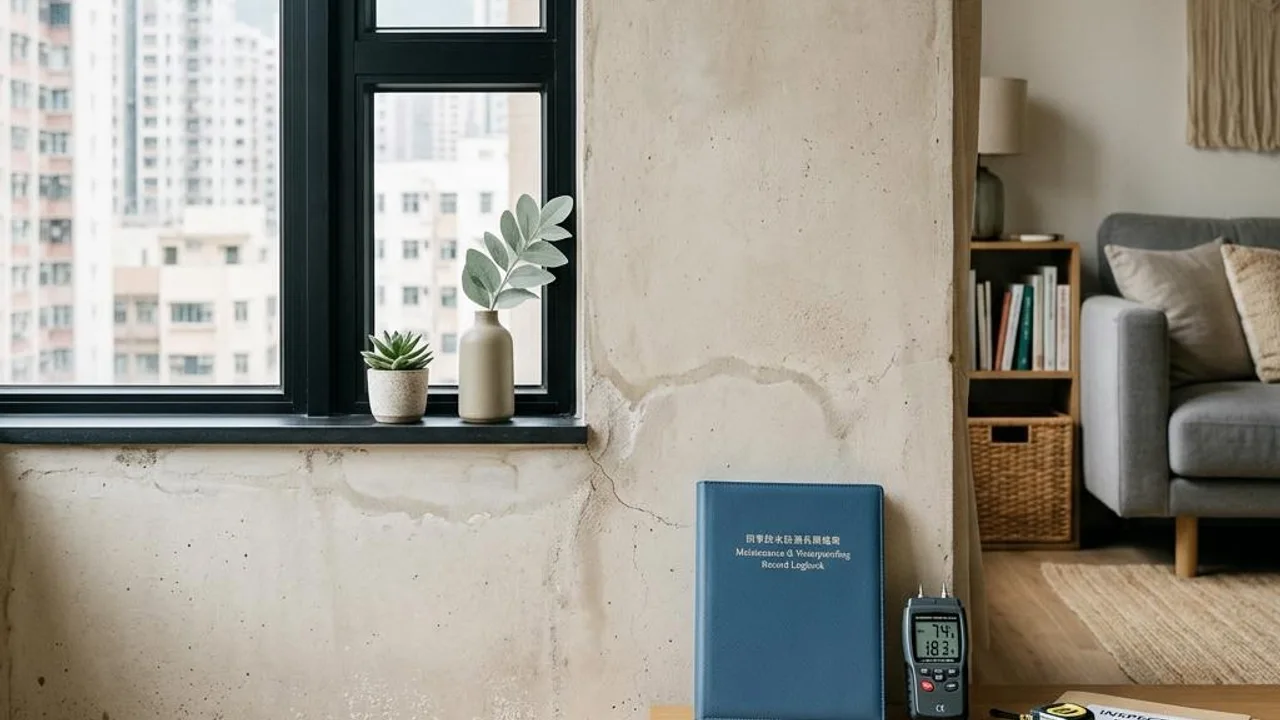
What cannot be ignored is the inspection of concealed pipes. If structural defects are suspected inside, professional testing can be requested if necessary. If drainage pipe installation and maintenance records provided by the developer can be obtained, it will help owners assess the status quo more comprehensively. If there are concerns about the inspection results, it is recommended to seek the assistance of a professional OPO Inspection surveyor to use endoscopes or other precision instruments to perform in-depth inspections of the interior of pipes that are invisible to the naked eye for total peace of mind.
- Simulating high-load water usage to test drainage performance
- Checking pipe gradients to ensure smooth drainage
- Accepting drainage pipes: ensuring new homes meet building standards and a healthy environment. Note the potential defects in concealed works. This inspection is limited to visible areas and cannot certify the condition of concealed pipes, waterproofing thickness, structural safety, or remaining service life. Infrared thermal imaging only displays surface temperature distribution and is not absolute evidence for identifying leakage causes or concealed structures. If legal regulations or statutory window inspections are involved, please consult a qualified person registered with the Buildings Department; this inspection is not a statutory mandatory window inspection service. Do not dismantle electrical devices or conduct electrical tests yourself; please seek professional assistance for professional safety matters.
- Considering the use of endoscopes to inspect invisible pipes
Preventative maintenance and common questions
To maintain the long-term operation of the drainage system, daily preventative maintenance is crucial. Residents are advised to avoid pouring grease, food waste, or difficult-to-decompose materials into drains, as these debris easily adhere to the inner walls of the pipes and accumulate over time, forming blockages. Regularly flushing drains with a mild cleaner helps remove minor siltation, reduces bacteria and odour, and maintains hygiene.
If obvious odours appear in home pipes or if slow drainage occurs frequently, an inspection should be arranged as soon as possible. Although many domestic drainage problems can be solved through daily maintenance, if structural damage to pipes or leakage is involved, be sure to commission a registered professional to handle it. Never attempt unauthorised pipe modifications or blindly use strong chemical drain cleaners to avoid corroding pipe materials and causing irreversible damage.
- Strictly forbidding grease and food waste from entering the drainage system
- Regularly cleaning drains to prevent siltation
- Seeking professional help early for odours or slow drainage
- Avoiding self-modification of pipe structures
Common myths about drainage system acceptance
When taking over a property, owners often have a misunderstanding about drainage testing, thinking that as long as the drainage is smooth, the system is completely qualified. In reality, a drainage system not only requires smoothness but also good airtightness and corrosion resistance to withstand long-term wastewater discharge. During the inspection process, the density and material of the pipe fixing brackets should be evaluated to ensure that the pipes will not loosen due to long-term vibration.
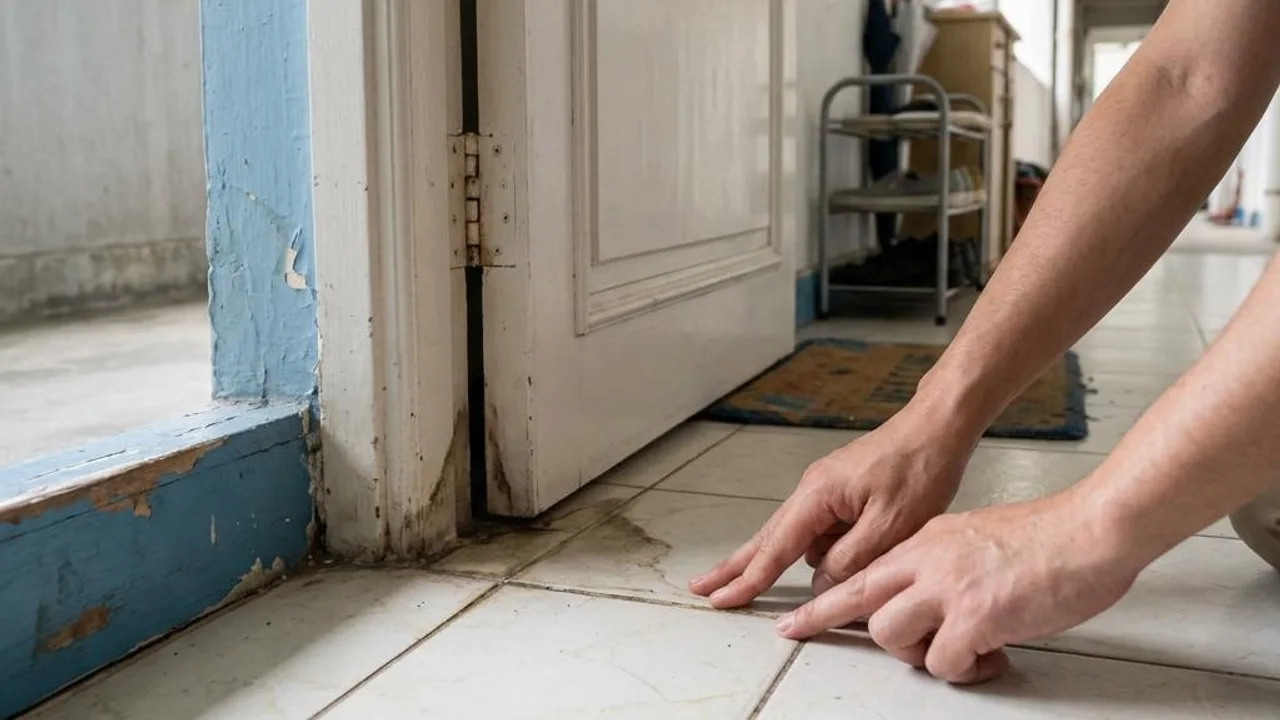
Another common situation is concerns about pipe connections. If obvious water stain marks are found at the joints, owners should not just clean them simply, but should record them in detail and trace the cause of the marks. If it is condensation, check ventilation; if it is leakage, commission a professional to conduct a pressure test or dye test immediately to confirm whether there is structural leakage that is not visible to the naked eye.
- Water stains at joints must be investigated for causes
- Pipe brackets should be regularly checked for stability
- Poor ventilation may lead to condensation outside the pipes
- Pressure tests help confirm concealed leakage
FAQs
During acceptance, if the floor drain flow rate is found to be slow, does this mean the water pipe is blocked?
Slow flow rate may involve insufficient gradient design, construction debris inside the pipes, or vent pipe design issues. Owners should observe in detail whether this phenomenon occurs when draining at different points simultaneously and record the situation, requiring relevant parties to perform an endoscope inspection to determine the specific cause.
If the bathroom drainage pipes in a new home have an odour, how should it be handled?
Odours are usually caused by the drying out of the water seal (S-trap) or improper design, leading to the backflow of sewer gases. First, ensure that all drains have enough water to maintain the water seal function. If the problem persists, a professional should check whether the trap structure and ventilation system of the pipes are compliant.
Can I strengthen the sealing of drainage pipes myself after property handover?
Owners are not advised to modify or reinforce drainage pipes themselves. Works involving pipe structures must meet building standards; using unidentified chemicals or sealants on your own may corrode pipe materials or cause damage to the joints under pressure. If you suspect insufficient sealing, please commission a registered professional to assess and perform appropriate corrections.