Property inspection report: A blueprint for property maintenance
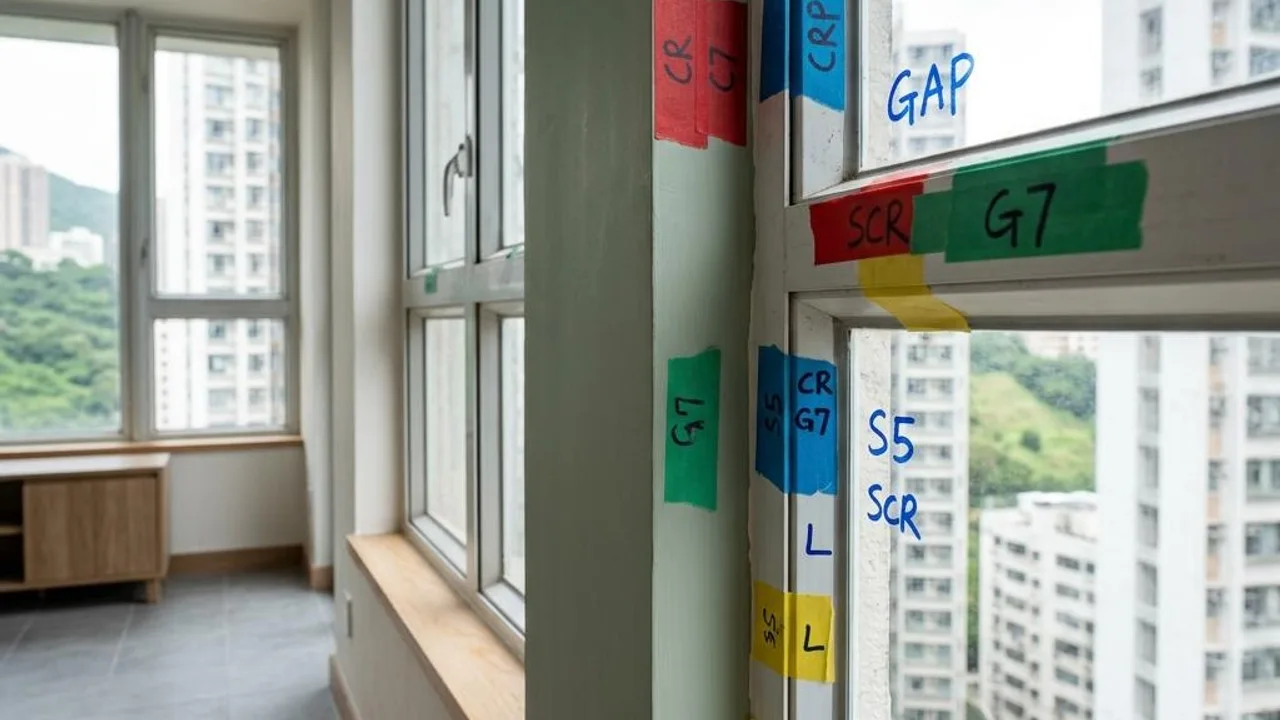
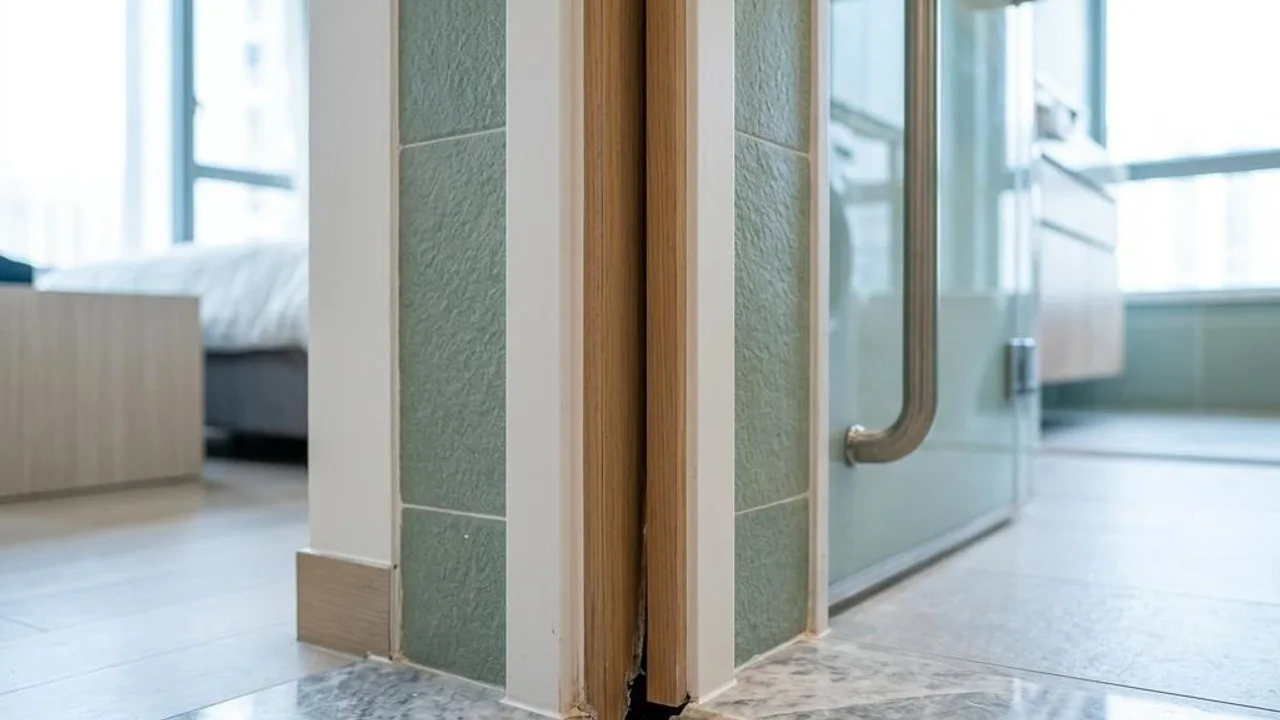
A professional property inspection report provides a detailed record of the unit's structural, door and window, plumbing, and waterproofing conditions at the time of handover. This document is the most reliable basis for owners to build a long-term maintenance plan, rather than just being used for defect rectification checks.
Through observations in the report, owners can anticipate maintenance needs over the next five years, avoiding rushing to seek repairs only after facilities have broken, thereby maintaining the market value and residential comfort of the property.
- Master the initial state of structure and pipes
- Record signs of wear and tear on windows and hardware
- Serve as a reference for future repair works
- Help owners plan annual inspection budgets
Identify priorities for repair and follow-up sequence
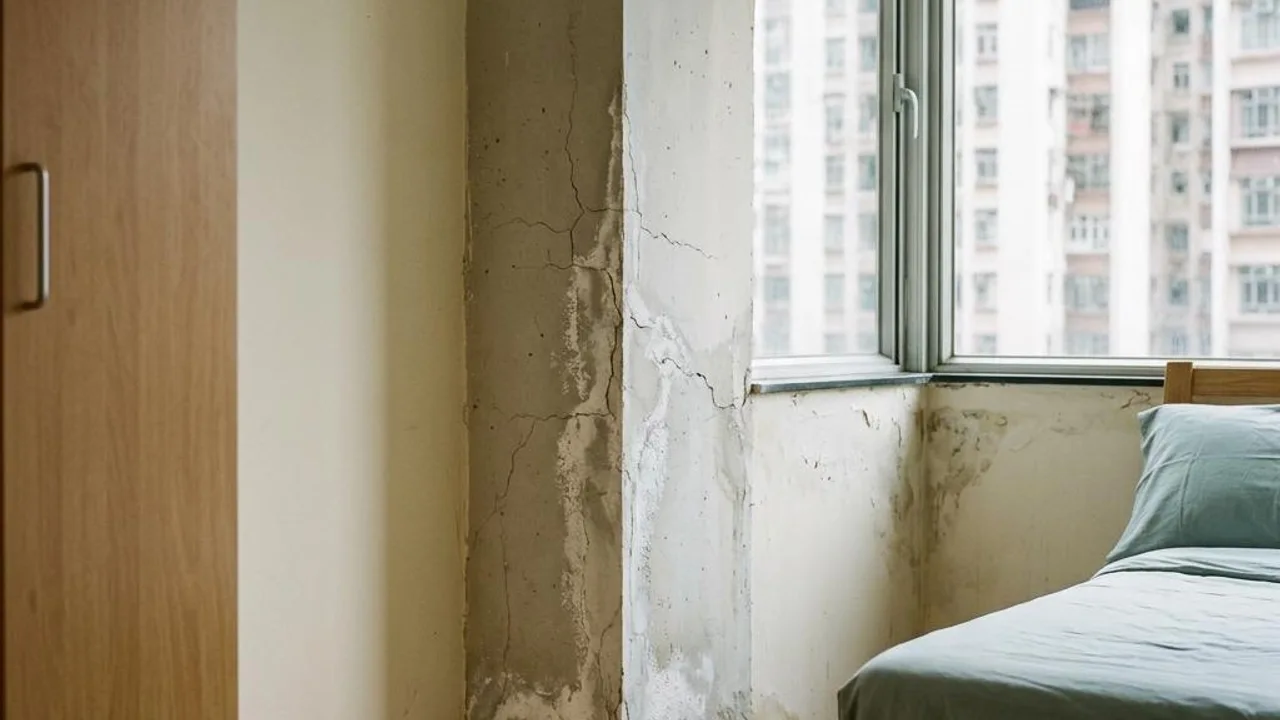
When facing the various details in the report, owners should learn to distinguish between urgent and less urgent items. Items involving water seepage, electrical leakage risks, or structural cracks should be regarded as priorities and must be handled promptly by hiring registered professionals.
Other items, such as cosmetic wear or minor renovation flaws, can be handled at a suitable time after moving in, based on family living habits. This systematic approach can reduce the financial pressure on the owner.
- Prioritise dealing with leakage and electrical safety hazards
- Distinguish between urgent and non-urgent renovation items
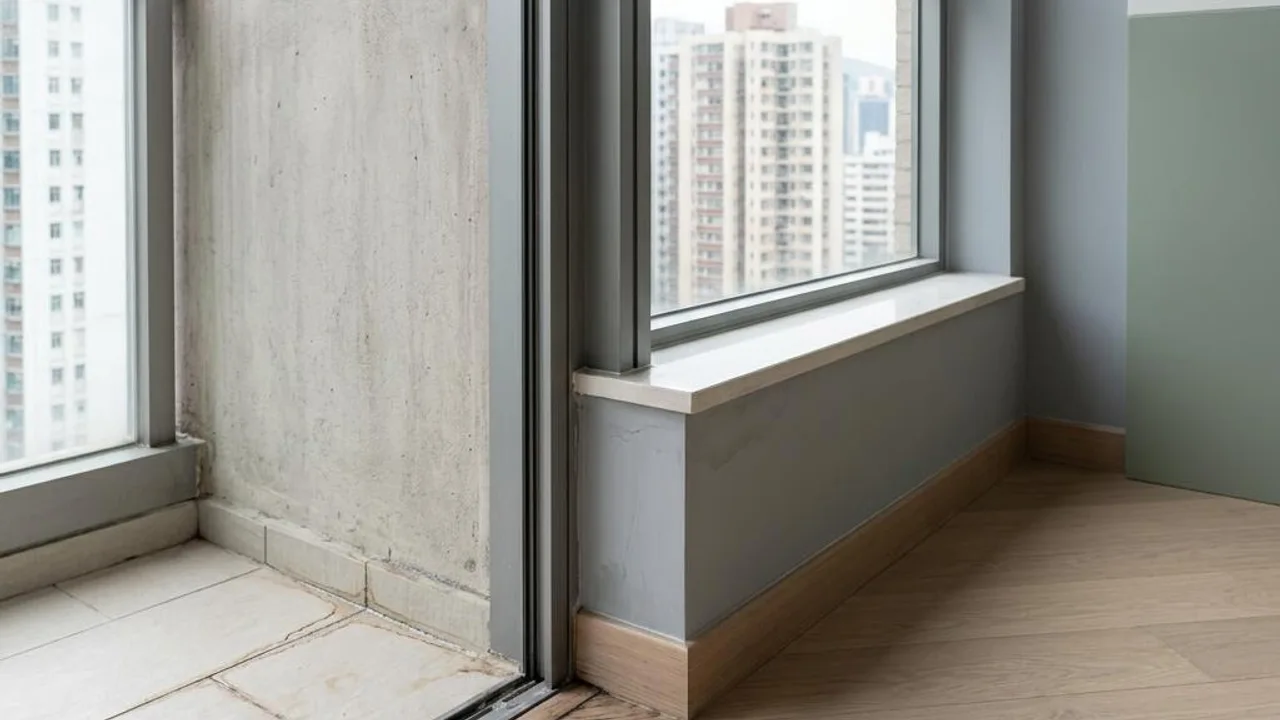
- Follow up on window maintenance to meet safety standards
- Arrange appropriate regular cleaning and maintenance
Develop a personalised periodic maintenance schedule
According to the property inspection results, owners should draw up an exclusive schedule for the property. For example, for buildings near the coast, aluminium windows are corroded by salt more quickly, so the inspection cycle needs to be shortened; while interior drainage pipes should be regularly cleared every year.
Setting regular maintenance can effectively reduce sudden failures. Through active monitoring, such as regularly observing whether electrical plugs show signs of overheating or checking whether pipe joints have water stains, can significantly reduce maintenance costs.
- Rooftops and exterior wall windows require frequent inspection
- Regularly clear the drainage and piping system.
- Carry out regular self-inspections of electrical installations and sockets.
- Establish a targeted quarterly inspection routine.
Maintenance strategies tailored to building type
Maintenance priorities vary significantly depending on the nature of the building. Residents of village houses must pay special attention to sun protection and anti-cracking measures for exposed pipes, while residents of newly completed homes should focus on monitoring the results of defect rectification and reinspection to prevent recurring leaks.
OPO Inspection reports will specifically highlight defects within the unit. Owners should select appropriate maintenance techniques and contractors based on the type and characteristics of the property, rather than blindly undergoing generic renovations.
- Village houses require inspection of external walls and roof waterproofing.
- New properties should focus on following up on the effectiveness of developer defect rectification.
- Older buildings require enhanced monitoring of electrical wiring ageing.
- Pay attention to the maintenance cycles of specific property facilities.
Recommendations for proactive owner maintenance and monitoring
Owners should develop the habit of recording the condition of their property in daily life. For example, observing for any signs of water seepage along window edges before the rainy season and noting any abnormal vibrations or sounds in pipes can help detect hidden hazards in a timely manner and provide information for contractors to refer to.
If repairs are required, prepare the property inspection report as a reference. Owners should take the initiative to hire professionals to carry out on-site checks rather than dismantling facilities themselves, ensuring that work is carried out safely and in accordance with regulations.
- Develop the habit of taking photos to record damage.
- Be alert to signs of seepage during the rainy season.
- Prepare the property inspection report for the reference of professionals.
- Avoid dismantling facilities yourself for inspection.
FAQs
Does the property inspection report include photos?
The company's electronic property inspection reports do not include photos; it is recommended that owners take their own action to photograph and record the unit's condition for reference during subsequent repairs.
After the report is submitted, when can I expect a response?
Electronic property inspection reports are usually issued on the next working day after the inspection.
If a reinspection is required, is it free of charge?
Reinspection services are a separate service category and are not included as an automatic free service after the initial property inspection.