The core value and purpose of property inspection.
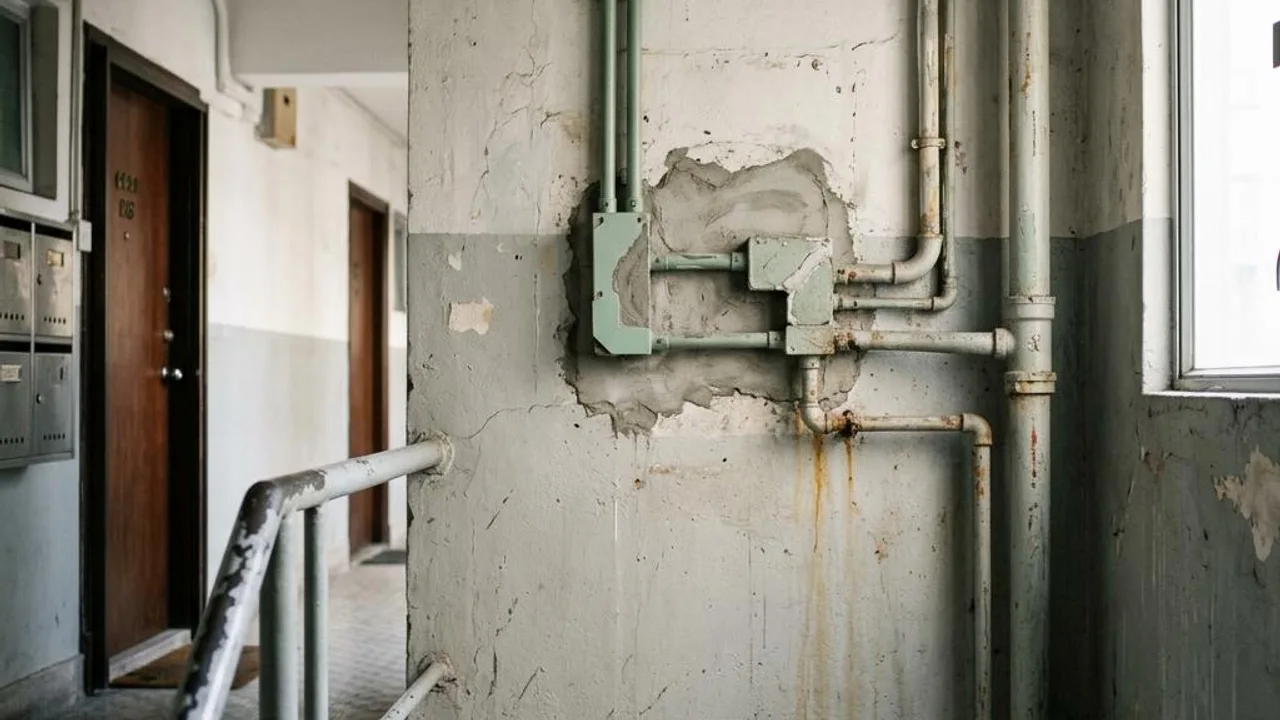
Property inspection is not just a procedure for property handover, but a comprehensive 'physical examination' of the building structure and various systems. Professional inspection can identify seepage, hidden electrical circuit defects, or wall finish issues early, avoiding high repair expenses after problems deteriorate. Through objective evaluation, homeowners can accurately grasp the status of the unit and set scientific priorities for subsequent maintenance work.
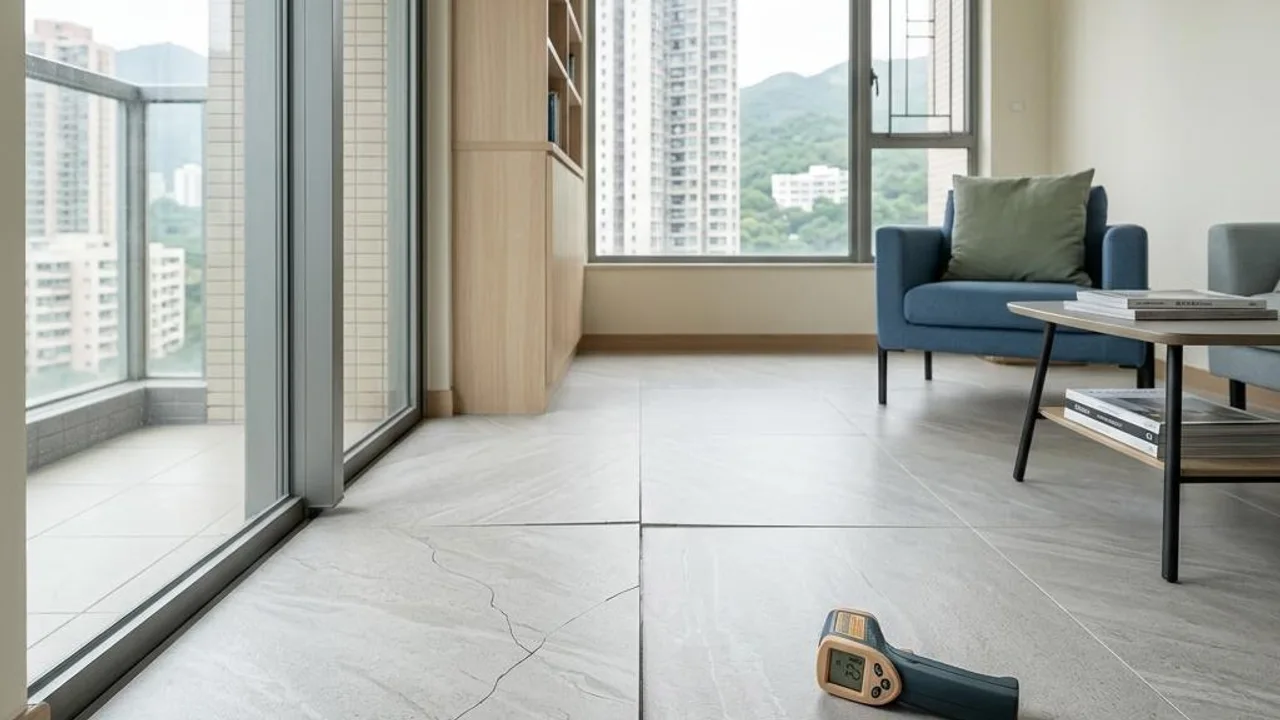
Property inspection covers many areas; in addition to visually apparent wall hollowness or plastering defects, it includes functional checks of floor drainage and water supply systems. This information is vital for maintaining a safe living environment. The correct property inspection process should serve as the initial step in property life-cycle management, ensuring that residents clearly understand the quality of the unit's hardware before moving in.
- Identify potential construction defects in walls, floors, and ceilings.
- Check water supply systems and drainage performance to prevent seepage.
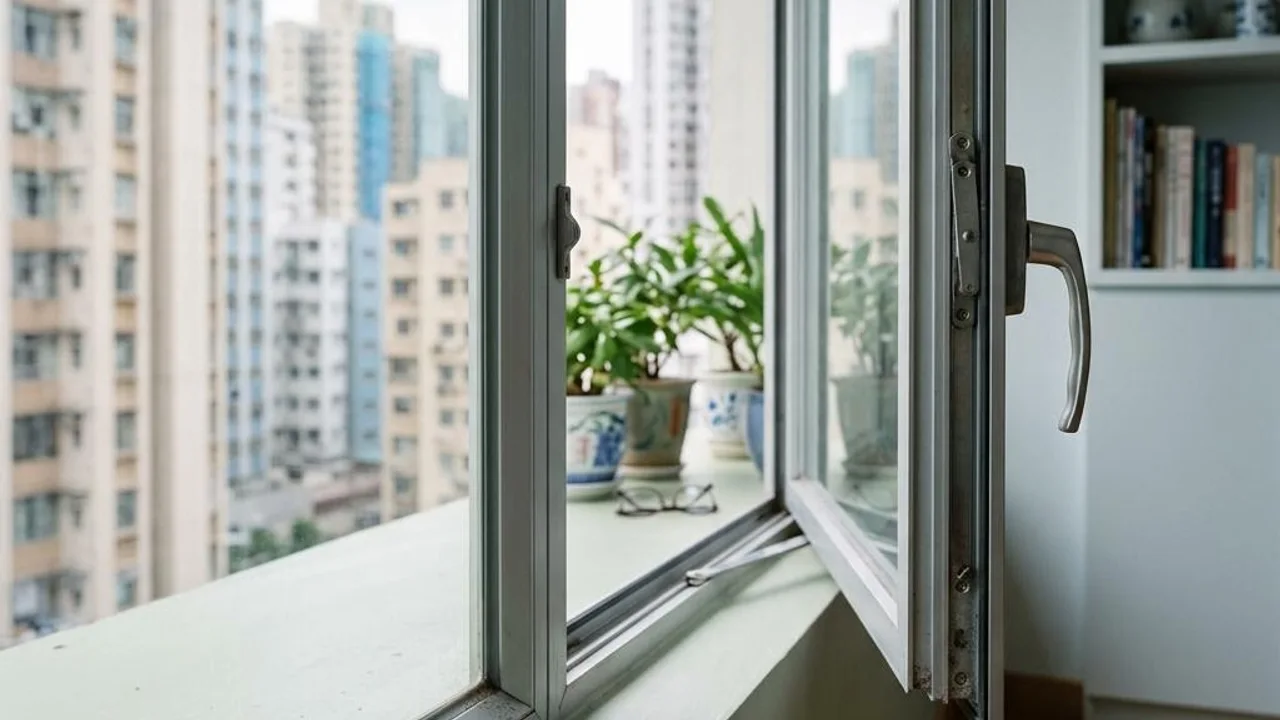
- Assess the basic sealing of windows and anti-leakage facilities.
- Confirm whether the installation of water and electrical infrastructure meets general functional requirements.
The necessity of proactive maintenance.
Properties experience natural ageing and wear and tear during daily use, and regular maintenance is key to preserving property value. Maintenance should not just be carried out after damage occurs; instead, through proactive management—such as keeping drains clear and electrical installations secure—the risk of unexpected faults is reduced. This ongoing maintenance significantly extends the lifespan of building components and interior finishes.
Good maintenance habits include regularly checking consumables and key facilities, such as clearing debris from drains and checking sockets for any looseness or scorch marks. Such simple preventative maintenance effectively safeguards daily safety. Ignoring these details often causes minor issues to escalate into expensive repair projects; therefore, adopting a proactive maintenance mindset is crucial for long-term residents.
- Regularly inspect all types of drainage pipes to prevent blockages and leaks.
- Perform basic visual inspections and safety tests on electrical installations.
- Maintain door and window hardware components to ensure smooth operation and proper sealing.
- Repair minor cracks in walls and finishes to prevent moisture ingress.
Formulate a long-term inspection and maintenance schedule.
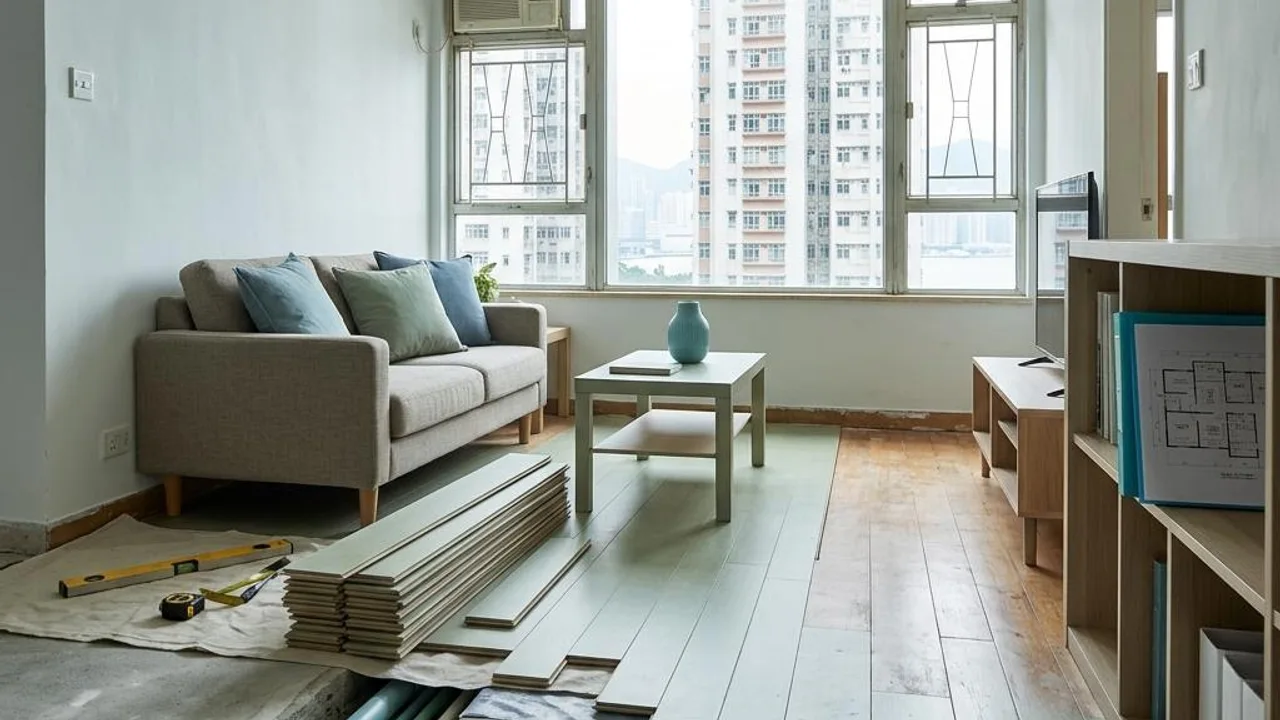
To effectively manage a property, homeowners should establish a long-term schedule to systematise inspection and maintenance cycles. It is recommended to conduct basic inspections annually and increase the frequency of assessments as the building ages, focusing detailed checks on roofs, corners, and concealed areas. This planning helps homeowners avoid peak periods of facility damage and arrange repair projects more calmly.
The maintenance schedule should not be static and should be adjusted according to seasonal changes. For example, before the rainy season arrives, checking the sealing of exterior wall window frames is particularly important, whereas in the dry season, one can focus on the stability of water supply lines. This strategic approach minimizes maintenance costs while ensuring all facilities operate normally.
- Establish a property management log that includes an annual inspection checklist.
- Adjust the focus and frequency of inspections in line with seasonal changes.
- Use past repair records to anticipate potential ageing risks.
- Keep all repair and maintenance receipts as proof for when the property is sold.
Risk assessment and priority processing order.
When dealing with leakage issues, avoid merely performing surface repairs; the source of the leak must be identified first. If electrical supply is involved, a qualified electrical contractor must be engaged. By distinguishing the level of danger, homeowners can avoid investing resources in unnecessary renovations and focus on core issues that improve residential safety.
When assessing the priority of projects, one should distinguish between safety issues and aesthetic requirements. Prioritise areas involving structural safety, abnormal electrical loads, or persistent leaks, as these problems can cause continuous impacts on residential safety or lead to structural damage if left unaddressed. As for purely aesthetic issues like wall paint peeling, these can be arranged flexibly based on the budget.
- Prioritise the resolution of issues involving safety risks and severe leaks.
- Distinguish between the urgency of functional damage and aesthetic renovation needs.
- Evaluate the impact of each project on the overall building structure.
- Ensure that all repair priority plans are within the owner's financial means.
Standards for seeking professional technical support.
When property defects exceed personal observation limits, hiring a professional OPO Inspection or maintenance team is the professional choice. Professional teams possess standardised testing tools and experience, can accurately determine the root cause of problems, and provide specific improvement solutions. Especially when involving complex leak testing, professional advice can prevent misjudgments and secondary damage caused by incorrect repairs.
When selecting a team, focus on their technical background and understanding of local building characteristics. Professional service should not be limited to writing a report but should include clear recommendations for repair execution. Partnering with a professional property inspection consultant can help homeowners resolve property defects with half the effort, ensuring work quality and meeting long-term usage expectations.
- Commission qualified professionals to handle structural, water, and electrical safety issues.
- Ensure that repair contractors hold the correct licences and construction qualifications.
- Require the repair party to provide post-work maintenance advice and follow-up information.
FAQs
If light water stains are found on the ceiling, does this imply that a severe leak has occurred?
The appearance of water stains usually means that water is seeping in from above, but it does not necessarily mean the leak is still severe. Homeowners can first record the location and size of the stain and observe whether it changes with the weather or water usage, and subsequently engage professionals to use instruments to determine the source of the leak, rather than merely performing surface redecoration.
As an owner, what safe property inspection work can be carried out in daily life?
Owners can regularly observe whether cracks in walls are unusually expanding, whether there is a burnt smell or looseness at sockets, whether doors and windows open and close smoothly, and check whether drains are blocked by debris. These observations help in discovering signs before problems worsen and in seeking professional repair assistance in a timely manner.
After a property inspection, how should issues be communicated with the contractor or repair party?
It is recommended to list the property inspection results, attaching photos and initial observation records to each issue. When communicating with the contractor, clearly request the specific repair method, expected results, and maintenance responsibilities, and ensure all repair work complies with local building construction codes.