Necessity of a dehumidification drainage system
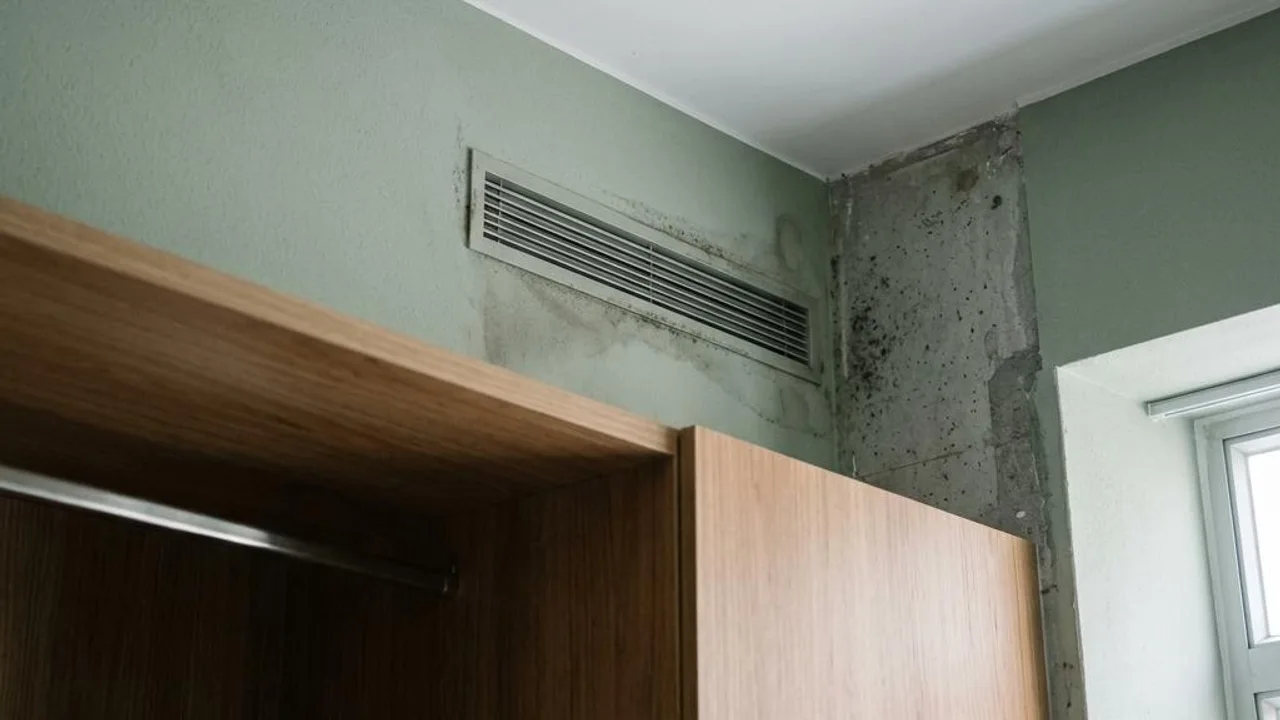
Hong Kong's climate is humid; clothing and leather goods in dressing rooms are long-term exposed to high humidity and are highly susceptible to mould. Traditional dehumidifiers rely on water tanks and require frequent manual cleaning; if you are away for long periods, the equipment will stop automatically when full, losing its moisture-prevention function and causing the storage environment to deteriorate.
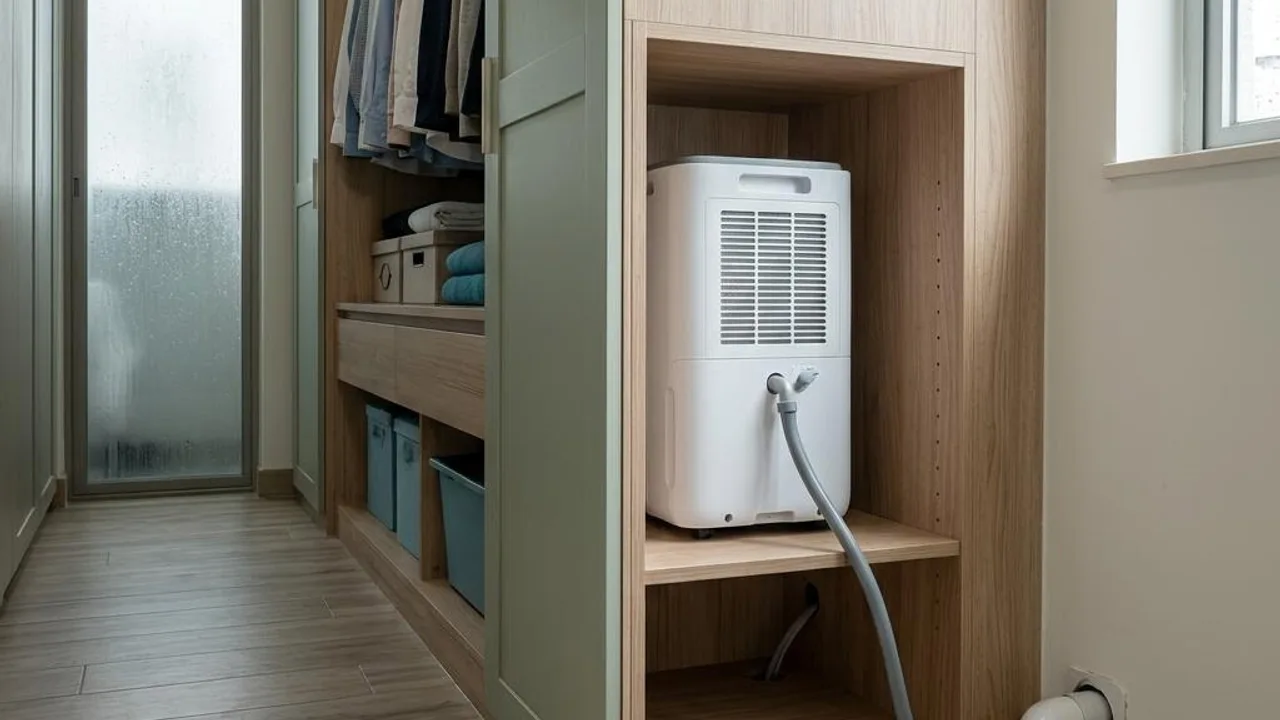
Introducing a direct-drainage pipe design is the trend for modern home dehumidification solutions. By piping condensate directly to the building's sewage stack or bathroom floor drain, you can achieve continuous 24/7 dehumidification without manual maintenance, ensuring the walk-in closet remains within the ideal relative humidity range.
- Achieve automatic drainage to avoid shutdown due to a full water tank
- Maintain constant humidity long-term to protect luxury clothing and leather goods
- Reduce the manpower required for frequent water tank cleaning
- Suitable for independent dressing room spaces that lack daily maintenance
Automatic drainage and piping installation principles
The operation of a drainage system relies mainly on gravity, so the installation of the dehumidifier drainage pipe must have a sufficient natural gradient. During construction, the path of the piping must be accurately calculated to ensure a downward slope from the dehumidifier outlet to the drain, preventing backflow or water accumulation.
During piping installation, the durability of materials must be considered. High-quality PVC or compliant flexible tubing should be used, ensuring that connections are treated with professional sealant or fasteners. The piping must be strictly fixed to avoid leakage caused by loosening due to vibration or external force.
- Piping must have a precise gravity drainage gradient
- Connection points must use durable materials and sealing technology
- Piping must be securely fixed to prevent loosening from accidental daily collisions
Concealed work and anti-condensation technology
Laying drainage pipes inside a dressing room involves concealed work. Since condensate is cold, if there is a significant temperature difference, condensation may form on exposed pipe surfaces, affecting surrounding ceilings or cabinets. It is recommended to install thermal insulation on the piping to reduce the impact of temperature exchange. This content does not constitute a guarantee of engineering safety, concealed leakage risks, or long-term moisture protection effects. Please consult professional licensed engineering personnel to verify that the project meets relevant building regulations or concealed work quality.
During the construction and acceptance phases, technicians will specifically inspect whether full anti-condensation treatment has been completed for the piping. If tiny water droplets appear on the pipe walls, insulation should be strengthened immediately. This detail is crucial for protecting high-end wooden wardrobes, preventing water stains from long-term damage to the cabinet structure.
- Pipe surfaces must be wrapped in insulation to prevent condensation due to temperature differences
- Inspect hidden piping for leakage risks
- Confirm that pipe materials will not have long-term effects on internal wooden cabinets
System testing and acceptance standards
After the system is completed, strict water flow and airtightness checks must be performed. During acceptance, ensure the drainage network is securely sealed at its connection to the building's existing drainage system and perform a water injection test to confirm flow. Additionally, check that the system has appropriate anti-odour and anti-backflow facilities to prevent sewage gas from entering the dressing room.
A professional acceptance process includes not only checking for leaks but also evaluating the burden the drainage system places on the property's water infrastructure. If connecting to an existing floor drain, you must confirm its drainage capacity is sufficient and that it does not interfere with the integrity of the indoor waterproofing, ensuring the long-term operational safety of the home.
- Perform a long-duration water flow test
- Check the anti-leakage and anti-odour performance at connections
- Confirm that drainage connection points do not affect the integrity of the waterproof layer
Professional consultation and construction planning
Installing dehumidifier drainage pipes in a dressing room involves various professional techniques, including fluid gradient calculation, indoor waterproofing standards, and building water ordinances. Amateur installation without experience easily leads to water accumulation and seepage into walls, causing irreparable structural damage. Seeking professionals for planning and construction ensures the work meets home safety standards.
Experts use leveling instruments and auxiliary tools to precisely plan the water diversion path. Without ruining the appearance of wardrobes, they can cleverly integrate the drainage system into the renovation and assess the feasibility of existing drainage paths, truly creating a reliable protected environment for your clothing.
- Professional surveying of water diversion paths and spatial feasibility
- Use precision leveling instruments to ensure drainage effectiveness
- Assess the impact of the project on indoor waterproofing
FAQs
Can a dehumidifier drainage pipe be connected to an existing floor drain?
Yes, but you must confirm that the floor drain's capacity is sufficient to handle the continuous drainage from the dehumidifier; at the same time, ensure the connection point has anti-backflow and anti-odour features to prevent sewage pipe smells from entering the dressing room.
What happens if the drainage pipe is not insulated?
If the pipe is not insulated, condensate will form on the pipe walls due to the temperature difference between the cold pipe and the room. These droplets will drip onto the dressing room ceiling or wooden wardrobes; long-term accumulation will not only cause walls or cabinets to become damp and mouldy but may eventually cause structural damage to the cabinets.
Why must the gradient be calculated for installing dehumidifier drainage pipes?
Such systems are mostly gravity-drained, and the gradient is key to ensuring condensate flows smoothly and preventing water accumulation in the pipe. If the gradient is insufficient, water will stagnate or even backflow, easily leading to bacterial growth, and will prevent the dehumidifier from effectively expelling excess moisture, ultimately causing a drop in dehumidification efficiency.