The impact of humid climate on Hong Kong buildings
Hong Kong is located in a subtropical region. High humidity and frequent rainstorms throughout the year pose constant pressure on the waterproof layers of building exterior walls, rooftops, and window sills. Under long-term exposure to this environment, building structural connection points are highly prone to aging due to moisture infiltration. If not intervened and handled early, internal walls and floors can easily accumulate moisture.
Against this climate background, property inspection services become an important buffer for owners before moving in. Through professional water seepage checks, owners can understand the property's defense capabilities when facing extreme weather. This is not just about the current property quality, but also about whether the living space can remain dry for many years to come and avoid the trouble of mold.
- High humidity accelerates the aging of building structures
- Rainstorms increase the risk of water seepage in exterior walls and window sills
- Climate factors affect the service life of waterproof materials
- Water seepage causes risks of indoor mold and odors
Key areas for water seepage checks
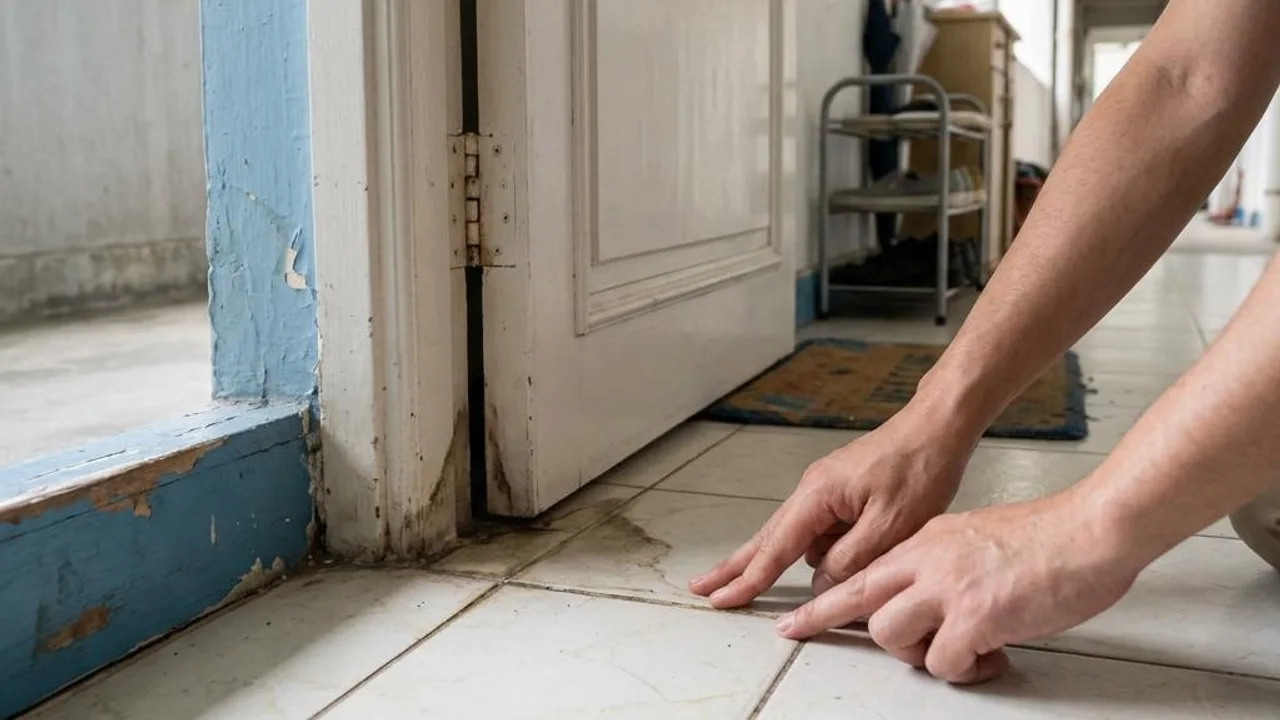
The core of water seepage checks lies in identifying the key points in the building most prone to moisture leakage. This includes all window sills connected to exterior walls, the edges of waterproof layers in bathrooms and kitchens, pipe outlets connected to rooftops, and joints on exterior walls. During the property inspection, the focus is on examining the sealing and integrity of these connections.
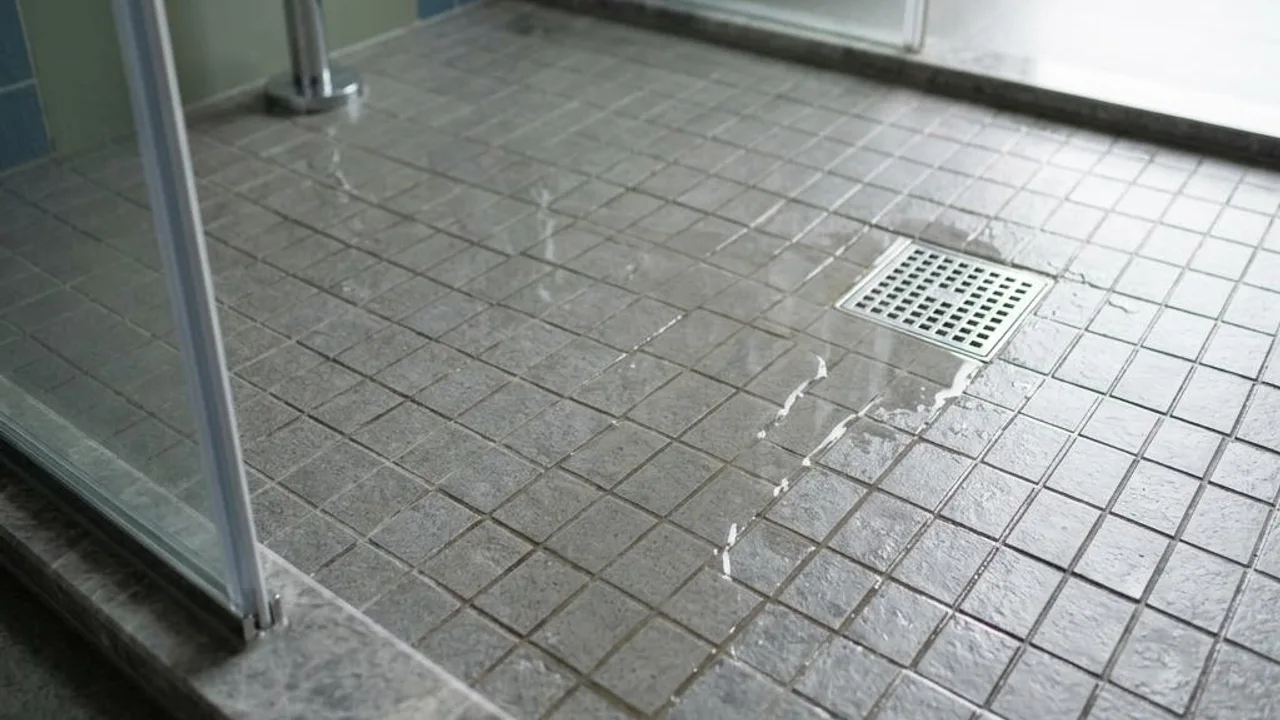
Professional inspectors will carefully check whether the waterproof sealant has signs of peeling or hardening, and observe whether the drainage system is smooth, ensuring there are no blockages or backflow. These details are often the gaps through which moisture enters the interior. Comprehensive water seepage detection can help owners prevent problems in advance and avoid subsequent, difficult-to-handle seepage risks.
- Waterproof sealant at the connection between window frame and wall
- Waterproof floor testing in kitchens and bathrooms
- Sealing condition of exterior wall and rooftop drainage systems
- Waterproof integrity of concealed pipe joints
Scientific application of professional inspection technology
During property inspection, it may be difficult to detect deep or micro-seepage signs solely by visual observation. Using technological tools such as infrared inspection, by monitoring temperature differences and thermal energy reactions, one can effectively display damp areas that are difficult for the naked eye to detect. This can concretize the movement of moisture hidden under tiles or inside walls.
Infrared inspection technology enhances the objectivity and accuracy of property inspections, so that owners no longer have to rely on experience to guess. This scientific testing method can provide data support for owners to demand follow-ups from developers or contractors during the handover stage, adding a solid layer of protection to the property.
- Using infrared technology to detect hidden moisture
- Scientific measurement of moisture distribution in walls
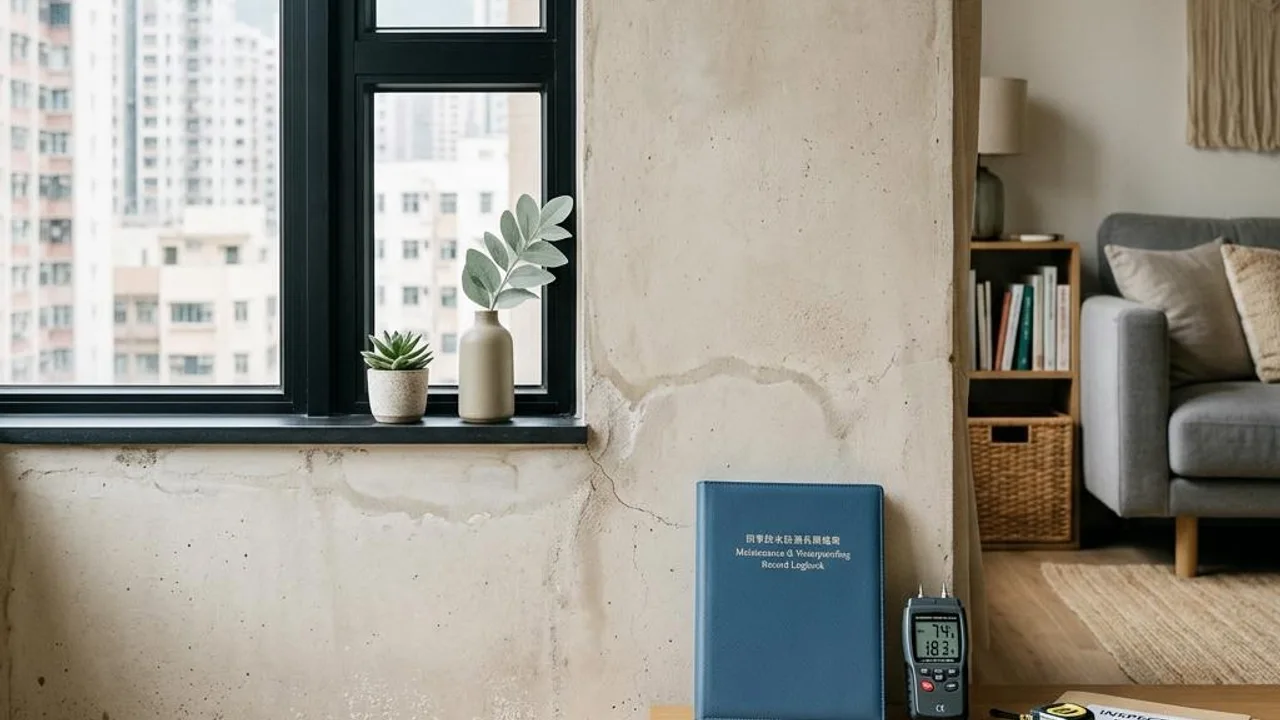
- Digital recording of waterproof layer inspection results
- Assisting in identifying potential risks of pipes within walls
The link between water seepage and home comfort
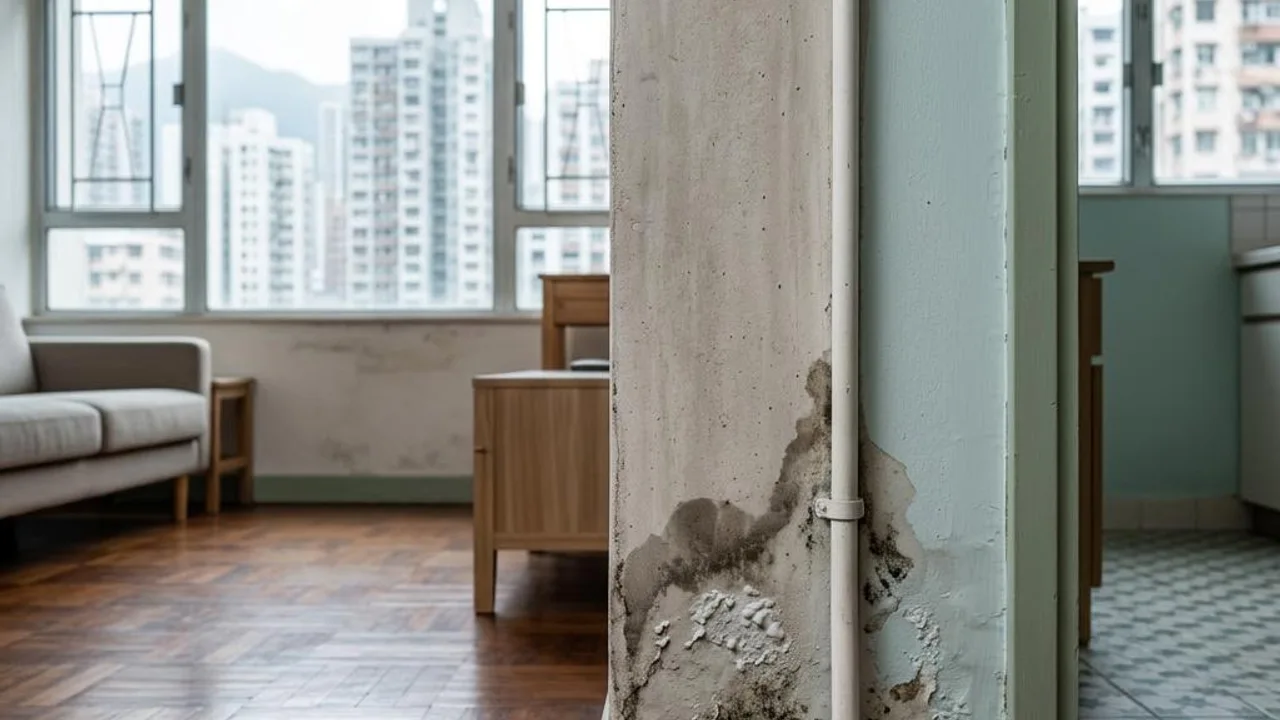
Good water seepage status is the fundamental prerequisite for maintaining home comfort. Moisture infiltration not only damages wall and floor surfaces but also easily breeds mold, leading to persistent odors in the home environment, which poses a health risk to the respiratory systems of family members. Identifying and dealing with seepage points through property inspection in advance can significantly improve the living experience after moving in.
When owners grasp the water seepage status of their property before moving in, they can actively plan subsequent maintenance, such as timely renewal of waterproof coatings or repairing sealant. This proactive environmental maintenance not only makes the indoor space fresher but also effectively prevents indoor air quality problems caused by humidity, improving quality of life.
- Preventing the growth of mold and odors in the home
- Protecting decoration surfaces from damage caused by water seepage
- Maintaining indoor air quality and comfort
- Reducing subsequent maintenance and renovation costs
The value of property inspection reports in long-term maintenance
The water seepage report obtained from the property inspection is a reliable blueprint for owners to maintain their property in the future. The report not only records the current inspection data but also provides maintenance suggestions for specific locations for the owner. Based on the report content, owners can establish a regular inspection list to handle minor waterproof failure problems caused by aging in a timely manner.
The essence of long-term maintenance lies in early detection and early prevention. With this detailed report, owners can plan maintenance schedules more confidently, such as checking window frame sealing before the rainy season. This helps maximize the service life of the building's waterproof layer and ensures that the property remains in a stable and good condition for a long time.
- Establishing a long-term waterproof inspection list
- Planning preventive maintenance based on inspection data
- Extending the service life of the property's waterproof system
- Providing a data foundation for future property management
Finding a professional team for water seepage testing
When choosing a professional property inspection team, the key is whether they have practical experience in the local Hong Kong climate and building characteristics. A professional property inspection service not only provides a report but should also be able to assist the owner in interpreting the data, understanding which locations need priority repair, and how to arrange professional maintenance later.
Before contacting the service team, it is recommended that owners provide information about the property type and floor level so that the team can prepare suitable measuring tools in advance. A professional property inspection team can conduct detailed inspections on core anti-seepage locations such as window sills, rooftops, and bathrooms, ensuring that the information obtained by the owner is accurate and of practical help for subsequent maintenance.
- Seeking a professional team that understands local building structures
- Confirming that the service includes specialized water seepage inspection
- Requesting clear maintenance suggestions in the report
- Providing property information to optimize the inspection plan
FAQs
Why do newly completed buildings also need water seepage checks?
Even for new buildings, micro-gaps may appear in building joints or waterproof layers during the construction process. Through pre-move-in inspection, potential seepage points can be identified early, safeguarding the property's anti-seepage capability when facing the rainy season.
How can owners observe signs of water seepage in daily life?
Owners can look out for signs of bubbling, peeling, discoloration, or mold on wall paint, especially at window sill corners, ceiling lines, and kitchen/bathroom wall connections. If there are abnormalities, record the location and seek a professional to investigate the cause.
Can professional water seepage testing determine the source of seepage?
Professional testing uses instruments such as infrared detection to identify damp areas, which can assist in judging the direction of moisture, providing objective reference data for subsequent professional repairs, and thereby finding the specific root cause of the water seepage.