
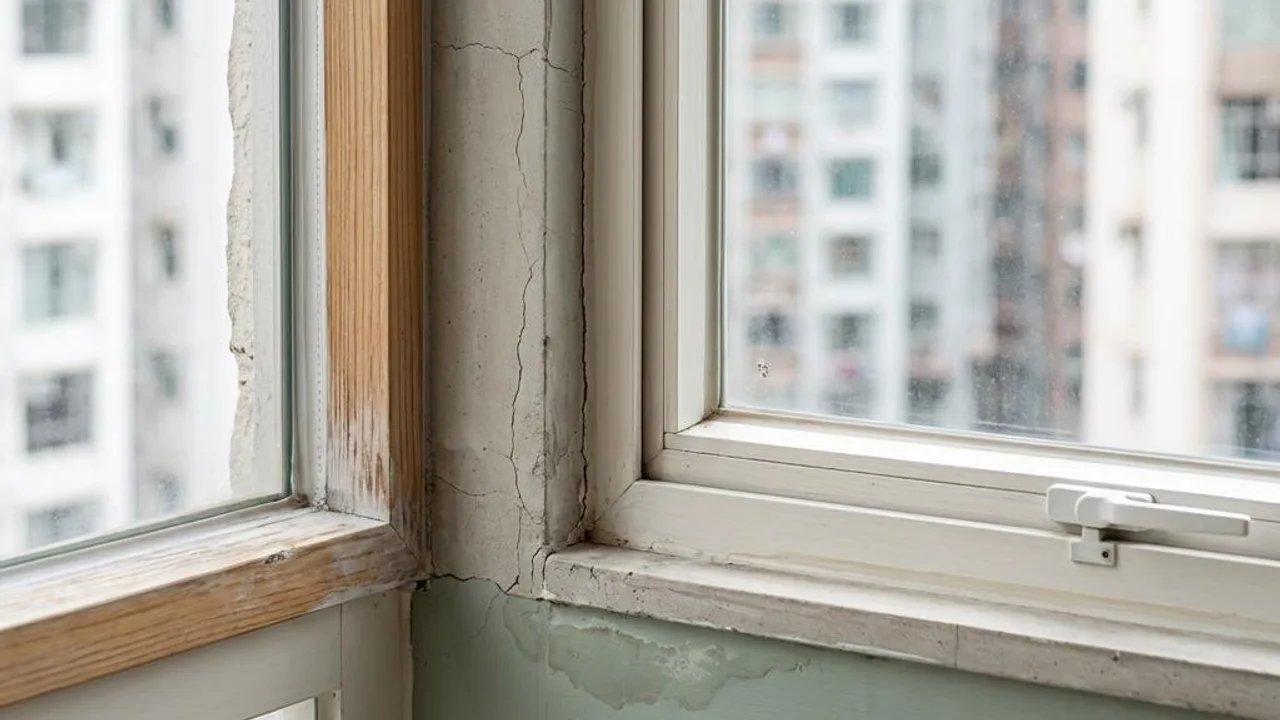
Definition and importance of property inspection services.
Buying a property is a major life investment. On the day of handover, time is often tight, and owners are prone to overlooking details or potential safety hazards within the unit. Property inspection services are carried out by personnel with professional knowledge, following systematic procedures to comprehensively check the unit, helping owners identify interior flaws and electrical/mechanical operating conditions before legal handover or move-in.
Property inspectors will organise the inspection results into a professional list to help owners communicate effectively with developers or decoration companies. Through perfect records, owners can clarify the severity of problems and prioritise the handling of defects involving structural safety or major functional deficiencies, thereby reducing disputes and additional repair expenses after moving in.
- Confirm the completion and quality of building decoration.
- Identify potential risks affecting living safety.
- Provide objective defect records and repair suggestions.
- Assisting owners in successfully following up during the warranty period.
Core outputs and problem classification of property inspection.
The primary output of the property inspection service is a detailed inspection report, which documents the unit's structural appearance, decoration construction quality, electrical and mechanical facilities, and the condition of waterproofing and drainage. The report typically grades issues based on the degree of impact on daily life, allowing owners to understand the priority of repairs.
For issues discovered during the inspection, owners need to handle them according to their urgency rather than treating all details as equal. Effective categorised management is the foundation of protecting your rights.
- Serious defects such as water seepage and electrical safety issues must be addressed immediately.
- Functional faults should be arranged for repair as soon as possible.
- It is recommended to repair aesthetic flaws in stages during the warranty period.
- Professional reports help owners negotiate compensation or warranties with relevant parties.
Common inspection priorities for new property handovers.
The focus of new property acceptance lies in reviewing the completion of construction work. Common issues include uneven wall plastering, paint defects, hollow floor tiles, loose door hinges, scratched glass, and uneven sealant application at pipe joints. While these details may not necessarily affect structural safety, they directly impact the move-in experience.
In addition to appearance, basic functions must be rigorously tested, including the smoothness of door and window operation, lock performance, the flow of kitchen and bathroom drainage, and whether the water supply system shows signs of abnormal leakage. New properties are not entirely defect-free; discovering issues early and raising them within the developer's defect rectification warranty period can effectively reduce the burden of future self-funded repairs for the owner.
- Detection of cracks and hollowness in walls, ceilings, and floors.
- Air tightness, waterproofing seals, and opening/closing tests for doors and windows.
- Drainage systems and pipe connections in bathrooms and kitchens.
- Normal power supply tests for basic electrical switches, sockets, and lighting points.
Common inspection scope and technical limits.
Owners should clearly distinguish the scope and limitations of professional property inspections. For example, addressing complex sources of water seepage may require professional infrared detection or auxiliary equipment. For electrical or structural alterations involving high risks, owners must never attempt to test them personally; they must hire qualified professionals to handle them to ensure compliance with home safety standards.
Understanding the technical boundaries of an inspection is crucial for owners. Owners should observe obvious construction flaws and leave concerns that cannot be judged by the naked eye alone to professional, licensed personnel for examination.
- Percussion test for hollow wall and floor tiles.
- Window sealing and performance of hardware accessories.
- Basic electrical circuit and distribution board testing.
- Kitchen and bathroom water supply and drainage flow inspection.
Follow-up and repair strategies after property inspection.
When conducting a reinspection, it is essential to confirm that the repairs have addressed the root cause of the problem rather than simply covering up the defect. For issues involving electrical safety or water seepage, relevant parties should be required to provide compliant certification documents. Avoid focusing only on minor wall paint flaws while ignoring hidden electrical or waterproofing hazards, so as not to affect long-term residential safety after moving in.
Owners should remain vigilant during the repair period, carefully observing whether the defect rectification works achieve the expected results, and if necessary, requesting further explanation or having the repair process reviewed by a professional.
- Keep property inspection records and communication files.
- Prioritise addressing high-risk safety hazards.
- Refuse purely cosmetic cover-up repairs.
- Reserve budget and time for reinspection arrangements.
The role and assistance of professional teams.
If owners lack confidence in making judgments regarding building finishes, electrical safety, or waterproofing, hiring a professional property inspection team is the safest choice. We possess systematic checklists and professional testing equipment, which can assist owners in accurately locating defects in a short time and recording the issues in professional documents.
The objective perspective provided by a professional team helps owners face defects during handover rationally and ensures that the records of relevant defects are complete, providing clear grounds for subsequent warranty engagement with the developer or renovation contractor.
- Use auxiliary equipment to inspect potential hidden defects.
- Provide a standardised property inspection process to improve efficiency.
- Assist owners in clarifying the scope of contractual responsibilities.
- Reduce communication disputes through professional viewpoints.
FAQs
Does finding cracks in the walls during a property inspection mean there is a structural problem?
Wall cracks mostly originate from the shrinkage of the plastering layer, but the possibility of structural cracks cannot be excluded. Owners should record the location of the cracks and request a professional to inspect them; never make judgments yourself.
What action should an owner take if water seepage is discovered in the bathroom after receiving the property?
You should immediately stop using the affected area and notify the management office or the developer, retain image records of the seepage traces at the time, and hire licensed professional personnel to conduct an investigation to determine the source.
What are the key points for reinspection after defect rectification?
Reinspection should confirm whether the repairs were thorough, especially for electrical or waterproofing issues; it is necessary to check whether the relevant components are operating normally and ensure that the repair marks do not conceal unresolved hidden hazards.


