
The necessity of property inspection for new properties: correcting the misconception of overlooking handover checks
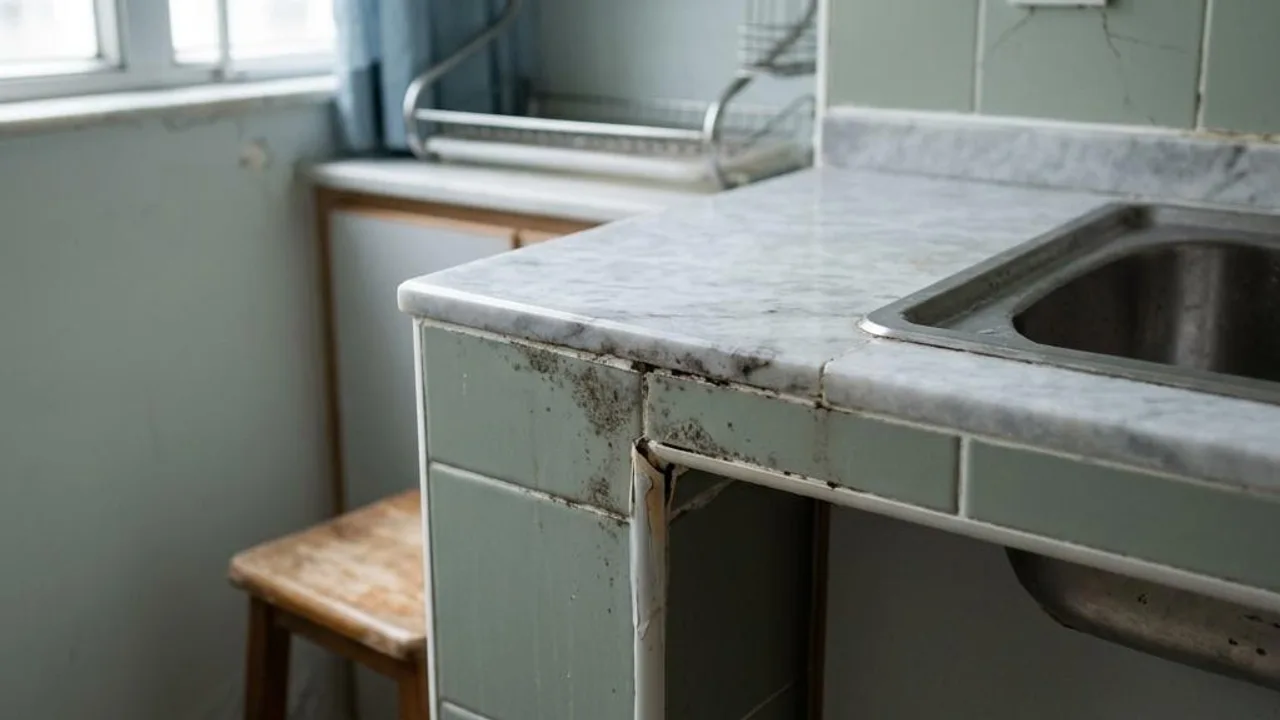
A common misconception in the market is that the quality of new properties is guaranteed by the developer, so there is no need for additional property inspections. In reality, during the completion process of new buildings, various defects can still occur due to decorating errors, material flaws, or construction tolerances. Professional property inspection by OPO Inspection aims to detect problems such as hollow wall tiles, chipped finishes, water seepage, or electrical and mechanical malfunctions early in the handover stage. This assists buyers in recording and requesting repairs from the developer during the warranty period. Property inspection does not guarantee the safety of all hidden structures, internal pipes, or mechanical and electrical operations, nor does it mean that all potential defects have been discovered.
Relevant checks only reflect the surface observations at the time and are not final safety certifications. If there are safety hazards involving structures, electrical installations, or gas systems, they should be referred to relevant professionals for assessment.
If property inspection is ignored, owners may only discover these hidden dangers after moving in. Not only will the maintenance costs have to be borne personally, but some deeper issues, such as potential water seepage, may even affect neighbours or damage the owner's own renovations. Therefore, property inspection for new homes is not just about nitpicking, but an essential protection procedure to ensure that owners receive the property quality they are entitled to within the framework of their contract.
- Identify common defects in decoration and construction
- Discover problems early to secure repairs within the warranty period
- Avoid extra expenses from dealing with hidden problems after moving in
- Ensure that interior decoration and mechanical and electrical installations meet standards
Beyond visual inspections: a systematic assessment of home risks
Another common misconception is that property inspection is merely a visual check for surface damage. In fact, the core of property inspection lies in systematic checks, including electrical voltage safety, drainage speed of water systems, whether windows can be opened and closed securely, and whether there are signs of water seepage. Simply observing surface cracks often leads to missing potential failures of mechanical, electrical, and water supply pipes behind walls or inside ceilings.
When commissioning a property inspection, owners should understand the limitations of inspection services. General non-destructive property inspection can only observe visible conditions on the surface and cannot assess the safety of structures, electricity, gas, compliance with regulations, the condition of water pipes within walls, the thickness of waterproofing layers, remaining lifespan, or the effectiveness of repairs. An infrared thermal imager only shows surface temperature distribution; it cannot directly determine the cause of moisture or leakage, nor can it see through structures. No instrument can guarantee the discovery of all hidden defects; please do not regard them as absolutely accurate.
Mandatory window inspection is an independent statutory procedure that must be performed by a qualified person registered with the Buildings Department and is not part of a routine inspection. For professional technical issues, it is recommended to consult a qualified professional. Owners should not attempt to conduct electrical tests, dismantle components, adjust water pressure valves, climb onto rooftops, or handle external wall windows themselves. Please keep inspection records properly and refer to subsequent follow-up advice.
- Comprehensive inspection of the operation of water supply and drainage systems
- Assess the accuracy of electrical installations and socket connections
- Check window installation stability and operational safety
- Detect signs of hidden water seepage through professional testing tools
The practical application value of a property inspection report
A property inspection report is more than just a procedural document; it is the core evidence for communication between the owner and the developer regarding repair responsibilities. A detailed report can clearly list the location, scope of impact, and severity of defects, allowing the developer to take correct remedial measures and avoid repeated repairs caused by unclear communication.
In addition, the property inspection report can also provide professional advice on the priority of repairs. Based on the report, owners can identify which are urgent structural or mechanical and electrical safety issues and which fall under the category of aesthetic decoration, thereby assisting in planning subsequent maintenance budgets and arrangements for the property.
- Key evidence for negotiating defect repairs with developers
- Provide professional technical advice on repair priority
- Clearly define the impact of defects to distinguish urgency
- Assist in planning maintenance and management budgets after taking possession of the property
Long-term maintenance and home safety concepts
Continuous maintenance after property inspection is equally critical. Property structures and facilities will change over time and due to environmental influences; a single inspection cannot ensure long-term peace of mind. For example, the Mandatory Window Inspection Scheme stipulates that private buildings aged 10 years or older must undergo periodic inspections. Owners must appoint qualified persons to handle this to ensure the structural safety of the windows; this is a long-term responsibility of the owner, not part of a property inspection service.
Home safety involves electrical installations, waterproofing layers, and ventilation systems, all of which require regular user observation by the owner and timely professional maintenance. If a mouldy smell, abnormalities in electrical installations, or symptoms of water seepage are detected, they should be dealt with immediately. Professional property inspection only provides an assessment report of the current state; true home safety requires the owner to develop a habit of continuous inspection and hiring professional contractors for repairs.
- The Mandatory Window Inspection Scheme is an independent procedure required by law. Relevant property owners must handle this through qualified persons registered with the Buildings Department. This is a statutory responsibility and is not an ordinary property inspection or a standard service item provided by this website.
- Regularly check the condition of electrical flexible cords and power switches
- Maintain proper ventilation and control humidity to prevent mould
- Stay alert to any changes in wall structures or facilities
Seeking professional support: establishing a foundation for long-term property management
Facing complex property issues, commissioning a professional property inspection team is a wise move. A professional team not only has experience in testing but also deeply understands how to protect the owner's interests during the inspection process. They can provide objective inspection standards to help buyers screen out high-risk problems that affect living quality. Through professional property inspection services, buyers can more clearly understand the true value and risks of the property.
When choosing property inspection services, owners should review the company's scope of service and qualifications. A high-quality property inspection team will reflect its professional depth in its report and be able to explain complex building defect problems. This can not only significantly reduce the buyer's stress during the handover process, but also allow you to have sufficient information for subsequent maintenance and property management planning after purchasing the property, ensuring the safety of your investment.
- Prioritise choosing property inspectors with professional architectural or surveying qualifications
- Confirm whether the inspection items comprehensively cover the potential risks of the property
- Value the professional technical advice provided by the property inspector during the communication process
- Use property inspection as the starting point for long-term property safety management
FAQs
Are developers responsible for repairing defects found in the property inspection report?
The developer's maintenance responsibility is usually subject to the sale and purchase agreement. The role of the property inspection report is to assist the owner in pointing out problems through objective records, allowing the developer to clearly understand what needs to be repaired. If it involves structural defects or serious functional failure, the owner should strive for repair services within the warranty period in accordance with the contract terms.
If a professional property inspection is not hired, what are the risks of the owner checking it themselves?
Owners inspecting by themselves can easily overlook hidden problems behind walls, such as whether electrical wiring connections comply with standards or whether supply and drainage pipes have potential leakage. In addition, without professional knowledge, it is difficult to define the severity of defects, which may lead to missing the opportunity to require the developer to handle major hidden dangers within the warranty period.
How long after property inspection is it necessary to carry out professional inspection again?
Except for the Mandatory Window Inspection Scheme which applies to buildings of a specific age, general property inspection services are not equivalent to structural, electrical, or gas safety certifications and cannot confirm the condition of hidden conduits, thickness of waterproofing layers, or the remaining lifespan of equipment. Thermal imaging technology only shows surface temperature distribution and cannot be used as a conclusion for the cause of leakage or structural problems. Mandatory window inspection is an independent statutory procedure that must be performed by a qualified person registered with the Buildings Department and is outside the scope of general property inspection. For professional issues involving structures, electricity, gas, or seepage, please consult relevant professionals. Owners should avoid dismantling electrical installations, touching electrical boxes, adjusting water pressure valves, or performing high-altitude maintenance themselves. It is recommended that owners regularly check the electrical and drainage systems in their homes every year. If wall water seepage or electrical tripping is discovered, they should commission a qualified person to follow up and check at any time, and should not rely solely on the property inspection report.


