Common wear and tear in older properties
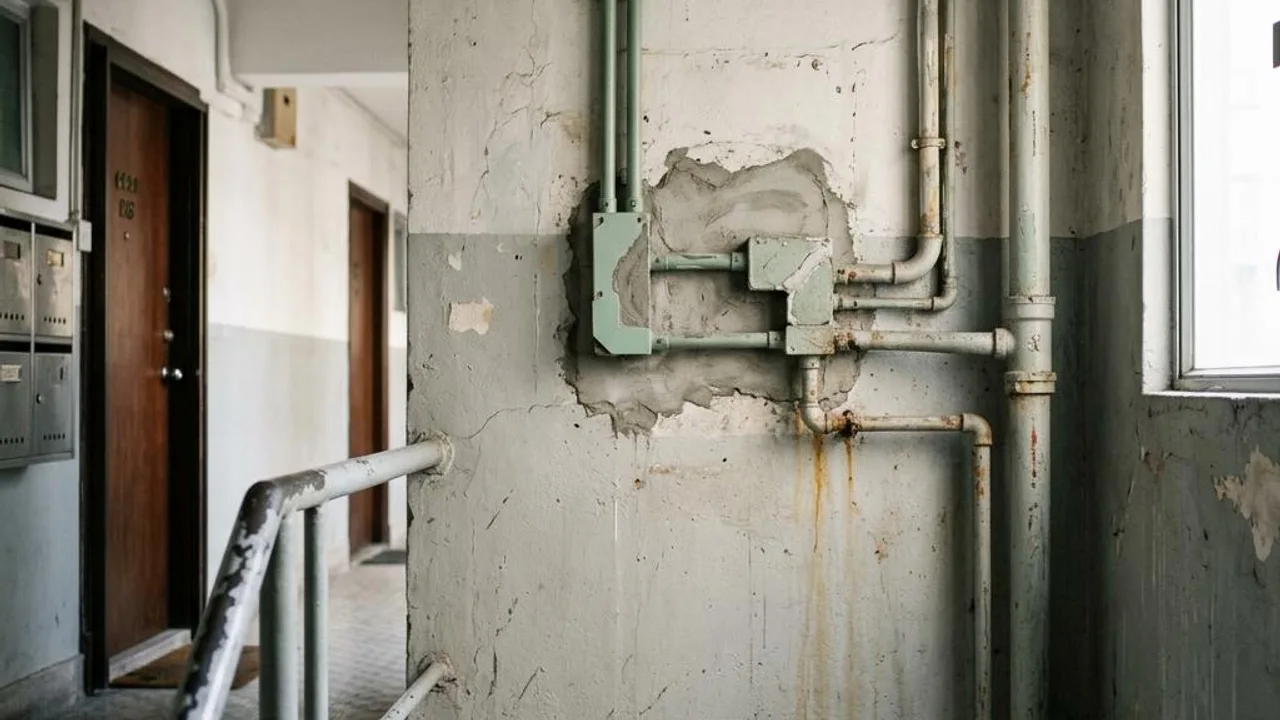
Older properties often show varying degrees of ageing due to long-term exposure to the environment and physical wear. Especially in Hong Kong's humid and rainy climate, the protective layers of reinforced concrete external walls, internal pipe walls, and electrical wiring are more susceptible to corrosion and oxidation, which affects their normal function.
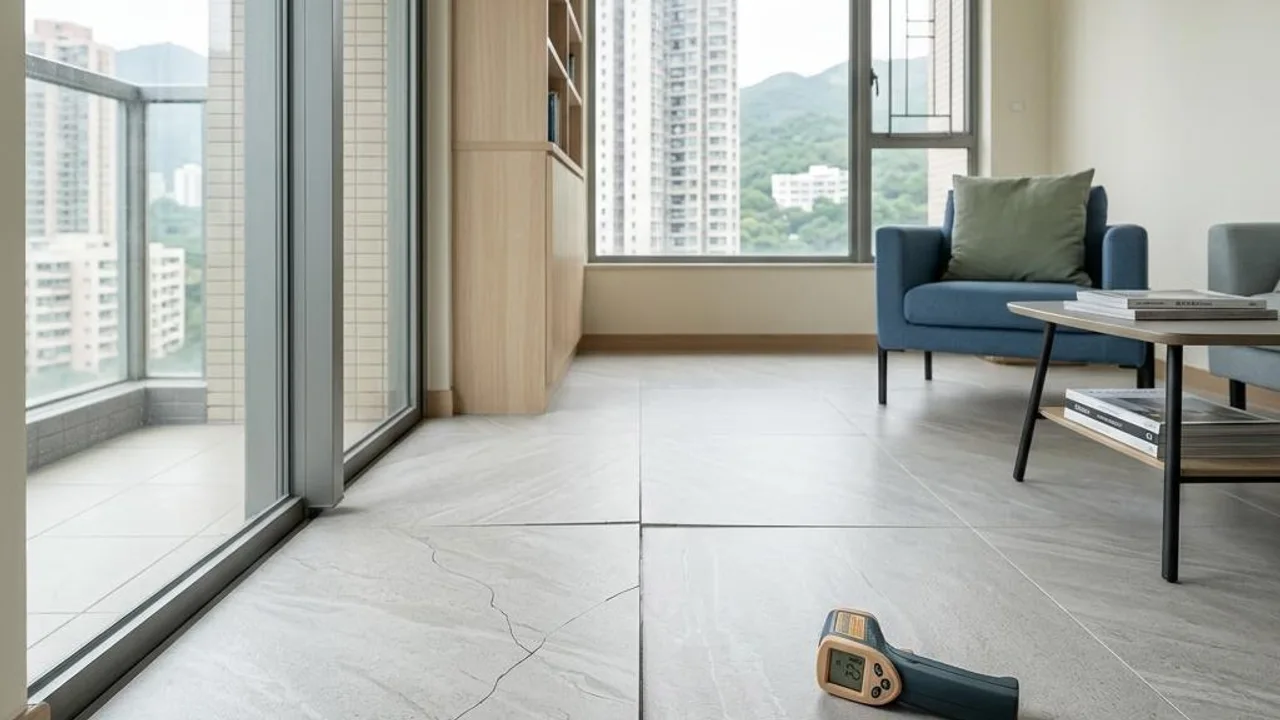
During daily inspections, owners should watch for hairline cracks in walls, unusual water accumulation on floors, or overheating at electrical switches. These signs are often warnings that a property is entering its ageing cycle. Property inspection services can provide more in-depth health assessments of structures and facilities, allowing owners to understand the true condition.
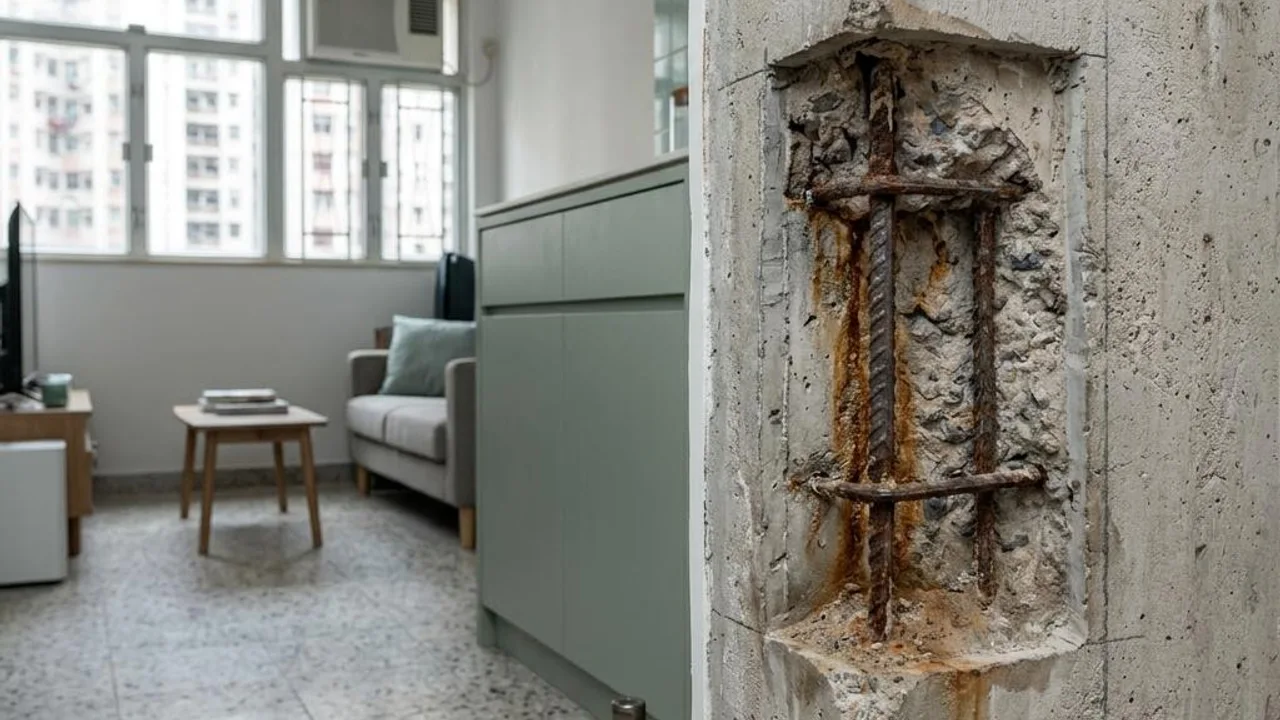
- Weathering and spalling of the external wall concrete protective layer
- Ageing of pipe walls in internal water supply and drainage systems
- Internal electrical circuit ageing and wear of electrical facilities
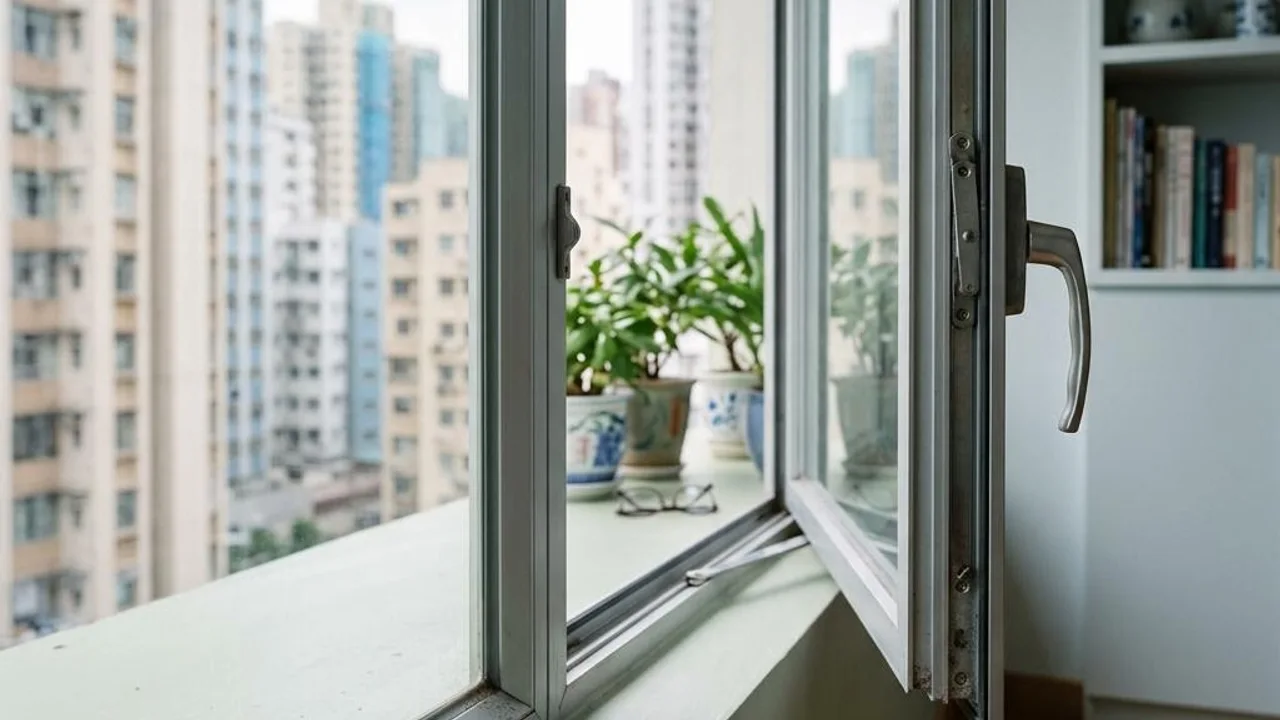
- Weakened sealing at window structural connections
Core inspection items for property inspection services
Focusing on the characteristics of older buildings, professional property inspections prioritise the assessment of structural conditions, signs of water seepage, and electrical systems. The process uses observation and assisted tools to examine window sealing, external wall connection points, and surface pipes to identify potential risks caused by ageing. Note that general inspections cannot certify the condition of concealed pipes, the thickness of waterproofing layers, remaining service life, or structural safety; thermal imaging only displays surface temperature distribution and cannot be considered definitive evidence of water leak sources or concealed structural issues. If statutory window inspections are involved, they must be conducted by a qualified person registered with the Buildings Department, which is outside the scope of general inspection services.
It is recommended that relevant professional issues be consulted with qualified professionals, and owners should not perform electrical testing, dismantle devices, adjust water pressure valves, or undertake high-altitude repairs themselves.
The inspector will conduct an on-site check of water supply and drainage pipes for visible corrosion or leakage, assisted by professional equipment. They will also inspect whether electrical installations comply with current safety requirements, such as checking for overloading of old-style extension boards, to ensure a safe home electrical environment.
- Inspection of structural supports and wall cracks
- Supply and drainage system and pipe anti-seepage testing
- Internal electrical safety and circuit load inspection
- Inspection of window operation and structural hardware
The core role of inspection reports in maintenance planning
A property inspection report is not just a record of a one-time check but an essential blueprint for owners to formulate long-term repair strategies. Through objective data, owners can clearly identify which structural risks are emergency repair items and which are improvement works that can be executed in stages, allowing for the most advantageous resource allocation.
Furthermore, a detailed report establishes a health record for the property, making it convenient for owners to track maintenance progress in the future. Especially for major projects such as reinforcement of waterproof layers or pipe replacement, having an accurate assessment report will significantly improve repair precision, ensuring that restoration work targets the root cause of problems.
- Identify urgent structural hazards requiring repair
- Categorise maintenance needs for various facilities
- Establish an objective property health record
- Provide specific recommendations for subsequent repairs
Scientifically formulating a reasonable maintenance schedule
Based on the professional inspection results, owners should establish a sound system of regular home maintenance. It is recommended to arrange periodic inspections of drainage systems and clean the traps, and perform regular reinforcement and maintenance of external wall and windowsill waterproofing. These preventive measures can significantly improve property status and prevent the continued accumulation of problems.
When establishing a schedule, consider the actual building age and usage frequency. For example, high-moisture areas like bathrooms and kitchens should have more frequent monitoring cycles. Systematic maintenance arrangements not only maintain good living quality but also proactively prevent sudden water seepage problems caused by severe weather.
- Set a regular cleaning cycle for pipe drainage
- Formulate maintenance plans for windows and external wall waterproofing
- Plan regular inspection schedules for electrical equipment
- Reserve budget and time for targeted repairs
Contribution of property inspections to long-term property value
Through scientific property inspection and maintenance, owners can effectively allocate resources. Maintaining a property's health is key to long-term appreciation. Good maintenance records allow a property to demonstrate a higher quality living environment during future resale or refurbishment, reducing potential buyers' or tenants' concerns about ageing issues in older buildings.
Continuous maintenance management not only extends the property's service life but also optimises the comfort of the indoor living environment. This professional investment in home assets will translate into the property's overall competitiveness, giving owners more control and flexibility when managing their property.
- Reduce unexpected large-scale maintenance expenses
- Maintain the overall property condition and value-retention capability
- Enhance competitiveness for resale in the older building market
- Optimise the comfort experience for long-term residency
Advice on finding a professional inspection team
When selecting a property inspection service provider, it is recommended to prioritise their familiarity with the characteristics of older properties. A professional team should not only possess extensive inspection experience but also be able to provide accurate assessments for common concealed problems in old buildings, and offer substantial, feasible maintenance strategy recommendations rather than sales-driven ones.
Before contacting an inspection company, owners are advised to consolidate basic information about the property, such as its age, past maintenance records, and current areas of concern. This will help the inspector plan the inspection scheme more efficiently, ensuring the scope covers all critical areas and provides data that is genuinely useful to the owner.
- Prioritise choosing a team that understands the characteristics of older buildings
- Confirm that the service includes structural and concealed inspections
- Require the report to provide objective maintenance recommendations
- Prepare background information on property conditions in advance
FAQs
How do inspectors judge whether there is a risk of leakage in the pipes of older buildings?
Inspectors usually observe whether the pipe surfaces have signs of corrosion, mould spots, deformation, or continuous dripping traces. At the same time, they check if drainage outlets are blocked and use instruments to assist in detecting wall moisture levels to assess the potential for hidden pipe leaks.
How should a property owner handle aging electrical system wiring?
If a property owner discovers sockets overheating, wire insulation hardening, or frequent tripping, they should never attempt repairs themselves. Document the situation and consult a registered electrical contractor, requesting professionals to perform a comprehensive circuit load test and safety inspection to evaluate if partial or full rewiring is required.
Can exterior wall concrete cracks lead to structural safety issues?
Exterior wall concrete cracks may lead to exposed, rusting, and expanding reinforcing bars, accelerating the spalling of the protective layer. Property owners can observe the depth and distribution of the cracks and provide the data to a professional structural engineer for inspection to confirm whether the cracks are merely superficial weathering or have already affected the building's structural safety.