
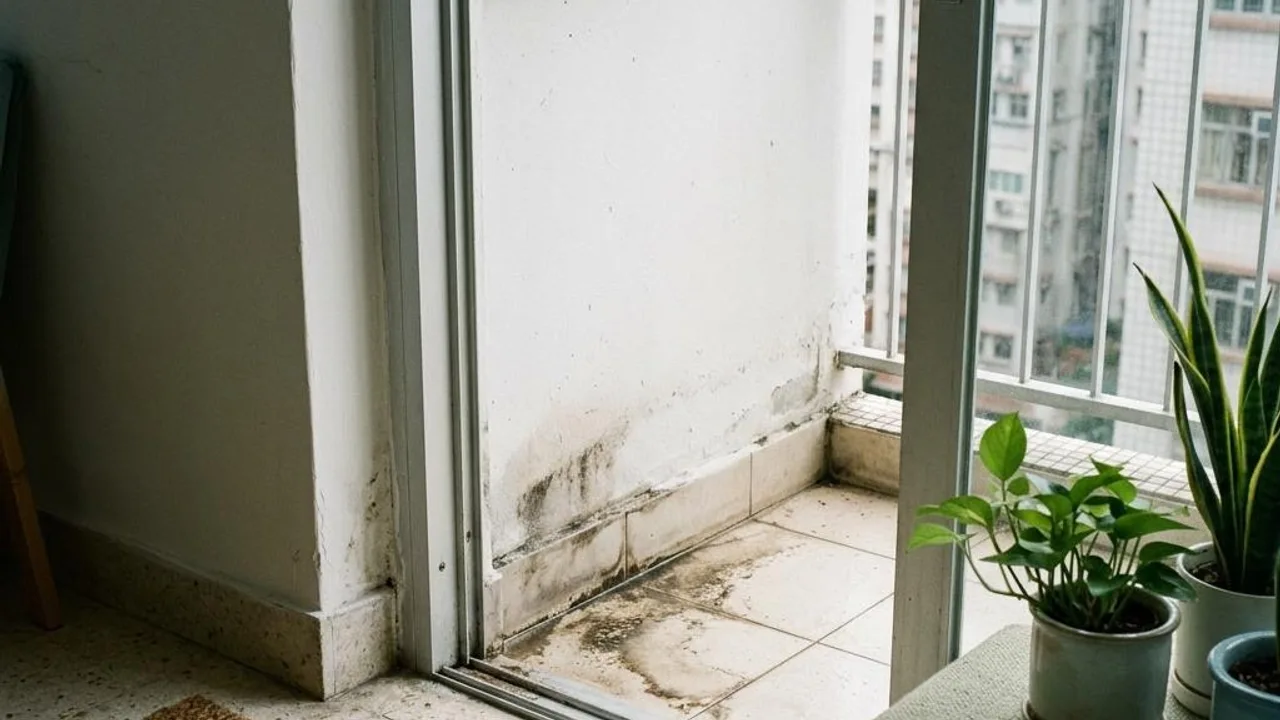
Potential impacts and hazards of balcony dripping on the home
Balcony dripping is an extremely common defect during the property inspection process. If not handled in time, stagnant water will not only damage the balcony finish but may also seep into the floor slab structure, posing a threat to the building's durability. Long-term damp environments easily breed mold, damaging the respiratory health of occupants; therefore, it must be taken very seriously.
Owners should closely observe all balcony details when taking possession, especially around drainage outlets and edge positions. If water marks, discoloration, or peeling are found on walls or floors, require relevant parties to conduct a rigorous water seepage test to ensure the waterproofing layer's performance meets standards, avoiding frequent repairs in the future.
- Insufficient drainage pipe design slope
- Waterproof layer thickness or joint connections failing to meet standards
- Aging and failure of sealant on window sills or edges
- Poor sealing at the connection between rainwater pipes and the floor
Common defects caused by structure and construction techniques
Inherent defects in building structure are among the main reasons for dripping. If the floor slope (drainage gradient) cannot be accurately calculated during construction, rainwater will not flow effectively to the drainage hole, and accumulated water will eventually seep into the tile joints. If the waterproofing layer is not constructed properly, resulting in voids or cracks, water easily seeps through.
For floor waterproofing projects, pay special attention to the waterproof membrane treatment at the intersection of walls and floors. The uneven quality of building materials also affects the lifespan of the waterproofing; if the waterproof coating cracks under sunlight and rain, it will lead to balcony function failure and affect overall structural integrity.
- Accumulated water caused by insufficient slope testing
- Waterproofing height at the wall base failing to meet standards
- Voids existing beneath the decorative tile layer
Extreme weather and drainage system load
Facing extreme weather, the drainage capacity of balcony drainage systems faces severe challenges. If the diameter of the drainage pipe is too narrow or the design lacks buffers, blockages or backflow are likely during heavy rain. Furthermore, if strong winds carry rain directly against balcony window frames and the sealing is insufficient, water leakage will occur.
If drainage outlets are blocked by renovation debris or foreign objects, the drainage speed will drop significantly, increasing the risk of water accumulation. Regularly checking whether insect screens obstruct drainage and ensuring cleanliness around drainage outlets are important links in maintaining normal system operation.
- Drainage outlet blocked by renovation debris
- Quality issues with window frame sealing strips
- Insect screen obstructing normal drainage speed
Wear and tear on waterproof functions due to owner usage habits
In addition to hardware facilities, human usage habits also have a huge impact on balcony waterproofing performance. Frequent washing on the balcony, especially using corrosive cleaning agents, accelerates the aging of the waterproof membrane. Furthermore, failing to clear accumulated water in time when watering plants will also keep the waterproof layer in a high-pressure, damp state for a long time.
To protect the balcony's waterproof function, it is recommended that residents avoid placing heavy objects on the balcony floor or engaging in frequent water-based activities. Regularly checking and keeping drainage holes unobstructed is a basic maintenance responsibility for owners; clearing fallen leaves and dust in a timely manner can extend the service life of the waterproof coating and reduce the occurrence of water leakage incidents.
- Frequent use of acidic cleaning agents to clean the floor
- Long-term placement of flower pots on the ground leading to stagnant water
- Large furniture blocking drainage outlets
Inspection and follow-up recommendations for professional property inspections
For suspected complex leaks, owners can apply for an additional professional high-pressure water jet test. This service requires prior authorization from the management office, targeting suspected leakage sources with pressurized spraying to confirm the existence of hidden waterproofing flaws, thereby prescribing the right remedy and avoiding cost waste from blind engineering.
When inspecting the floor finish and waterproofing condition, it is recommended to observe whether the tile joints are discoloured or blackened, as these are often signs of water accumulation beneath the surface. By observing these subtle changes, homeowners can promptly commission professionals to conduct an in-depth investigation rather than blindly proceeding with surface renovations.
- Professional slope test ensures smooth water flow
- Inspect the floor finish and waterproofing condition
- Conduct water seepage investigation in suspected hidden areas
FAQs
If water stains are found on the balcony floor but no obvious leakage is visible, how should it be handled?
Homeowners should first record the frequency, location, and weather conditions under which the water stains appear, noting if they occur after rainfall. Keep the area dry and contact the property management office or a professional for an initial inspection; do not dismantle walls or floors yourself.
Is water seepage at the edge of the balcony window frame considered a serious structural defect?
Window frame seepage is usually related to aging sealant or improper window installation. This affects indoor dryness, and it is recommended to commission qualified engineering personnel to conduct a pressure test or water spray test to confirm the source of the leak and carry out repairs.
What should be noted when self-cleaning the balcony to avoid causing water seepage?
Avoid using strong acidic or alkaline chemical cleaners, as these substances will erode the waterproofing coating. Furthermore, ensure that accumulated water is drained away quickly after cleaning; do not let water accumulate on the balcony for long periods, and regularly clean debris from drain holes to prevent blockage.


