The impact of home environmental quietness on quality of life.
A comfortable home environment is inextricably linked to quietness, which often depends on the property's building structure, door and window design, and environmental factors. Conducting a preliminary assessment during the handover stage can help owners understand the unit's soundproofing performance in advance and anticipate the living quality after moving in.
Although indoor soundproofing is an abstract concept, through simple daily observations during a property inspection, owners can get a preliminary grasp of the unit's ability to block external environmental noise, thereby making the necessary preparations and plans to improve indoor quietness.
- A quiet environment helps to improve quality of life.
- Building details affect indoor sound transmission.
- Assessment during the handover stage can help predict the living environment.
Soundproofing protection of airtight windows and floor-to-ceiling glass.
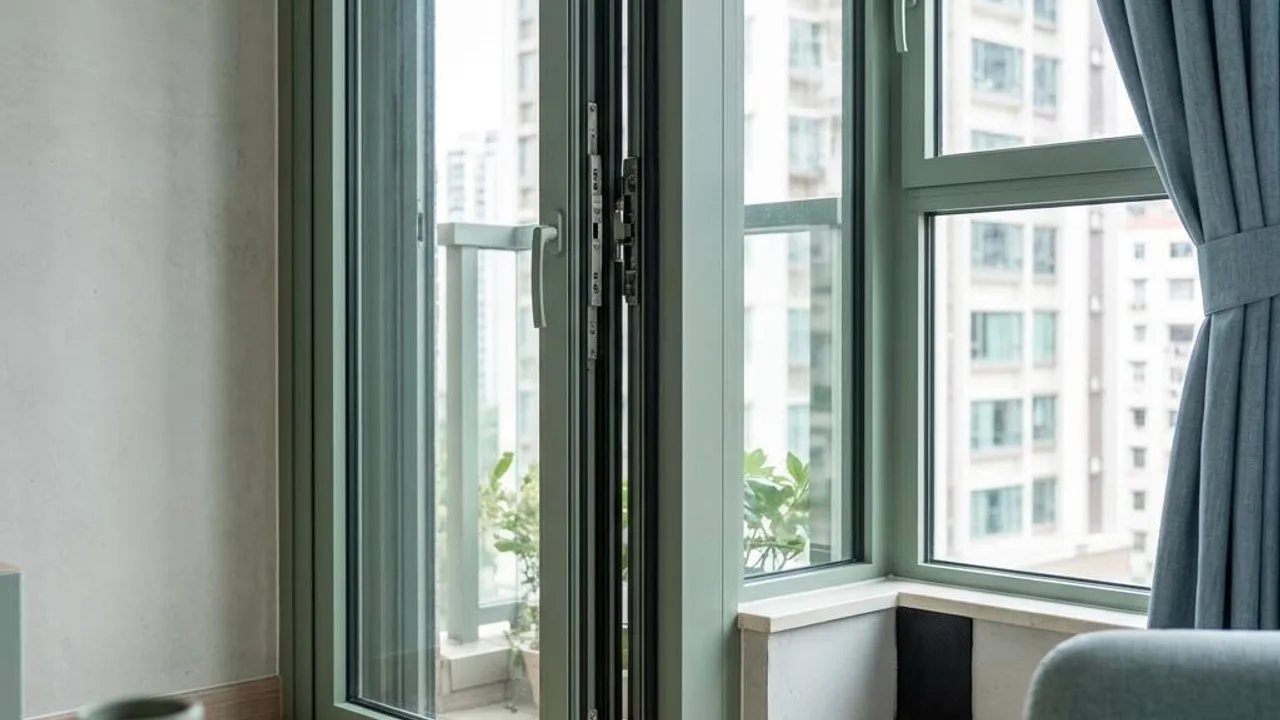
Modern residential estates often feature floor-to-ceiling glass or airtight windows, which are the main lines of defence against high-frequency noise such as outdoor traffic and wind. When inspecting the unit, owners can close all windows tightly, quietly feel the degree of external sound reduction, and note whether the seals on the window frame edges are flush.
If you can still feel obvious external noise or faint wind sounds after closing the windows, it may indicate that the window frame's airtightness is insufficient, which often affects soundproofing performance. Carefully checking whether window seals are aged or improperly installed is a basic observation point to ensure indoor quietness.
- Check if window frame seals are aged or loose.
- Test the level of noise isolation after windows are tightly closed.
- Note whether there are obvious air gaps around windows.
Main door structure and sound blocking from lift lobbies.
In addition to external windows, the unit's main door is also key to defending against noise from corridors or lobbies. When inspecting the main door, pay special attention to whether the gaps around the door and at the bottom are too large, as this is usually the main channel for footsteps and voices from the lift lobby to enter the interior.
Owners can test the intrusion of sound from outside the door with accompanying persons in the corridor at a normal volume, thereby preliminarily judging the door's thickness and sealing effect. If the door gaps are too large or lack appropriate soundproofing seals, lobby noise will be more easily transmitted into the interior.
- Check the width of the main door and door-bottom gaps.
- Perform a simple sound transmission test.
- Observe the configuration of the door frame seals.
Observation of wall structure and room privacy.
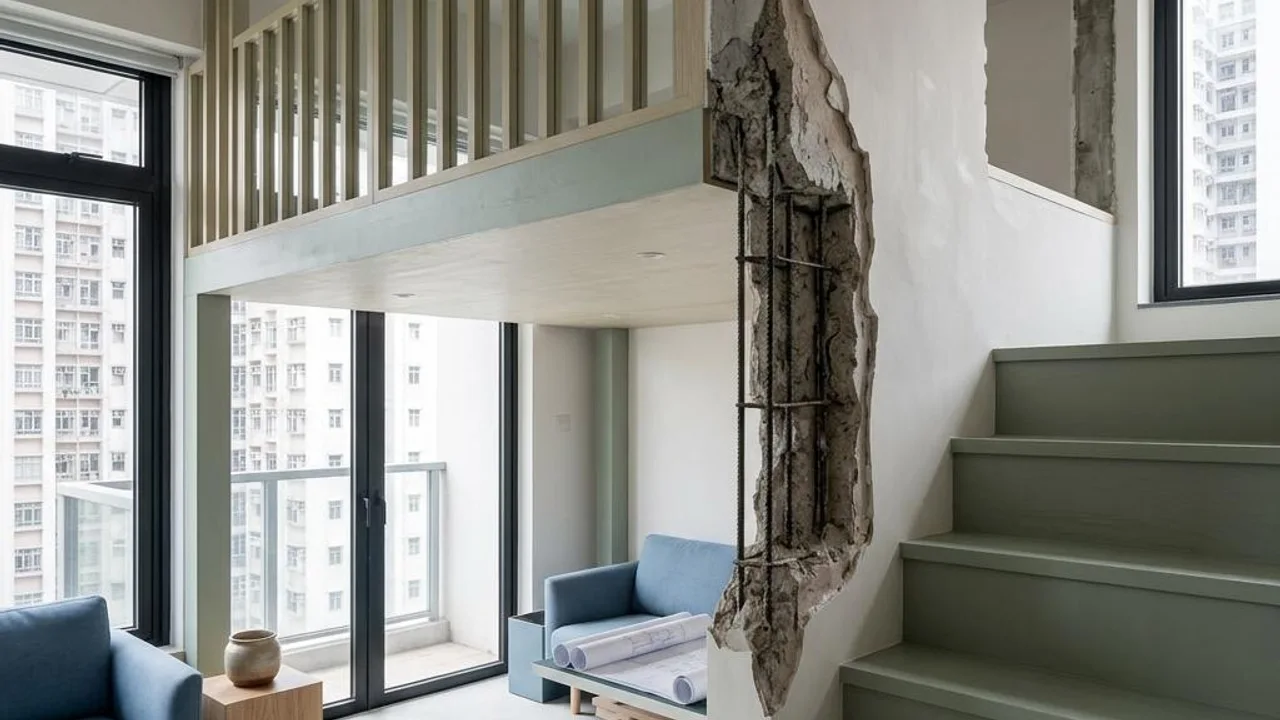
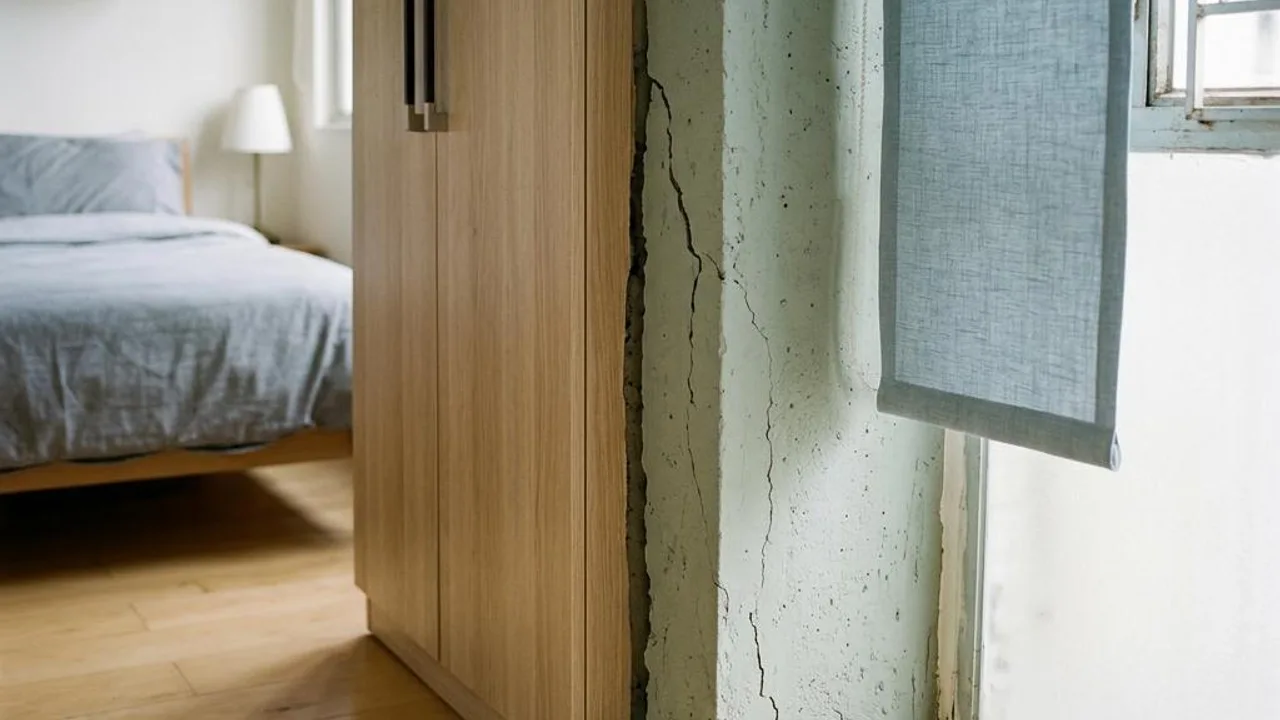
The thickness and material of the walls within the unit determine the privacy between rooms. Reinforced concrete solid walls usually have relatively stable soundproofing performance, while the performance of lightweight partition walls may vary. Although property inspections cannot thoroughly inspect the interior of walls, owners can understand the wall structure through tapping.
When performing soundproofing tests, try making a faint sound on the other side of a closed room door to observe the level of sound blocking. Good wall construction and door/window installation are the basic conditions for ensuring personal privacy and reducing indoor disturbances.
- Tap to check wall material and thickness.
- Assess privacy between rooms.
- Note if there are abnormal vibrations in indoor partitions.
Drainage pipe noise and inspection of concealed works.
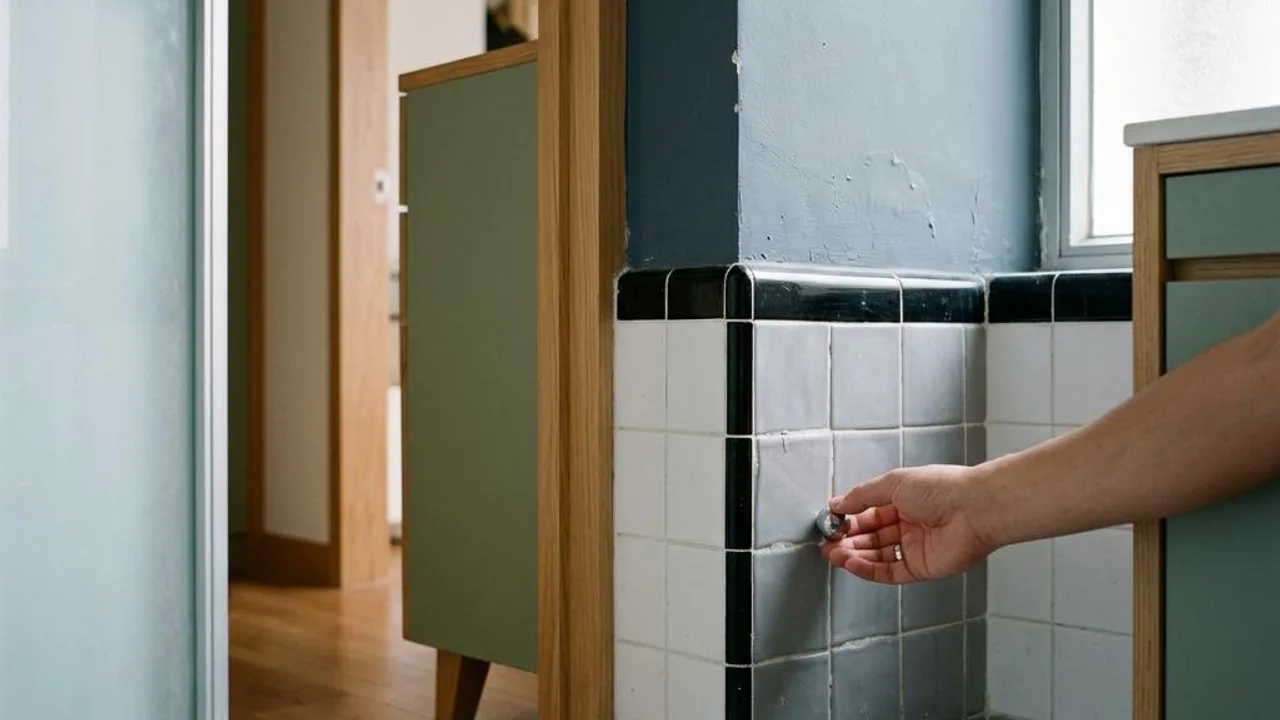
Flushing sounds from bathroom or kitchen drainage pipes are a common home noise disturbance. During a property inspection, owners should pay attention to the exposed pipe designs in the kitchen or bathroom ceilings to see if they are wrapped with appropriate soundproofing or insulation materials, which plays a role in reducing the sound of flowing water.
When inspecting the drainage system in operation, if you notice abnormal knocking sounds or vibrations coming from common drainage pipes, this information is worth noting even if it belongs to a concealed structure. Understanding whether the pipe installation is correct helps owners have more reasonable expectations for the quietness of their future living environment.
- Check if kitchen/bathroom ceiling pipes are wrapped with soundproofing material.
- Observe if there are abnormal vibrations when draining water.
- Note if pipe connections are secure.
Assessment of surrounding environment and noise sources.
The geographic location of the unit has a direct impact on environmental quietness. During the inspection process, owners should look for potential fixed noise sources nearby, such as bus stops, schools, or shopping mall air-conditioning units, and observe their distance and orientation relative to the unit, which is crucial for assessing long-term noise impact.
Since property inspections are usually conducted during the day, and there is a gap between daytime environmental sounds and quiet night-time environments, owners need to consider the impact of orientation on noise transmission to mentally prepare and plan for subsequent improvements to the sense of quietness during different times of the day.
- Identify potential fixed noise sources in the surrounding area.
- Observe the orientation of the unit relative to noise sources.
- Assess the difference between daytime and potential night-time environments.
Seeking advice from professional teams.
Although owners can assess home quietness themselves through simple observations, sound transmission and soundproofing technology involve complex building acoustics knowledge. When facing cases with complex structures or strict requirements for quietness, seeking help from a professional team can often provide a more objective assessment.
If owners discover unresolved noise sources during the inspection, it is recommended to record the specific circumstances and location, and hand them over to qualified professionals for acoustic analysis to determine if building structural defects are involved or if additional acoustic treatment solutions are needed.
- Provide objective building structure assessments.
- Professional staff possess knowledge of building acoustics.
- Assist owners in establishing appropriate living expectations.
FAQs
What does it mean if there is still obvious wind noise after windows are closed during an inspection?
This usually indicates that the window frame's airtightness is insufficient or that sealing strips have not been properly installed, allowing outdoor air and noise to enter the interior through the gaps. It is recommended to record the location of the air leak and request that the relevant parties check the window frame's sealing performance and component installation.
Can owners handle obvious flushing sounds from ceiling pipes themselves?
It is not recommended to dismantle anything or perform concealed work yourself. If abnormal noise is discovered, the owner should keep a detailed record of observations and report them to the property management office or developer, requesting a qualified person to inspect whether the pipe wrapping materials and fixed structures meet design requirements. Such observations do not guarantee structural safety or compliance with relevant regulations; please seek assistance from a professional engineer if necessary.
How can professionals help assess a home's soundproofing performance?
Professionals use knowledge of architectural acoustics, combined with the specific layout of the unit, building structure, and surrounding noise sources, to conduct a comprehensive assessment. They determine whether there are structural soundproofing deficiencies and provide scientific recommendations and improvement solutions, rather than relying solely on visual observation.