Potential risks of balcony drainage systems
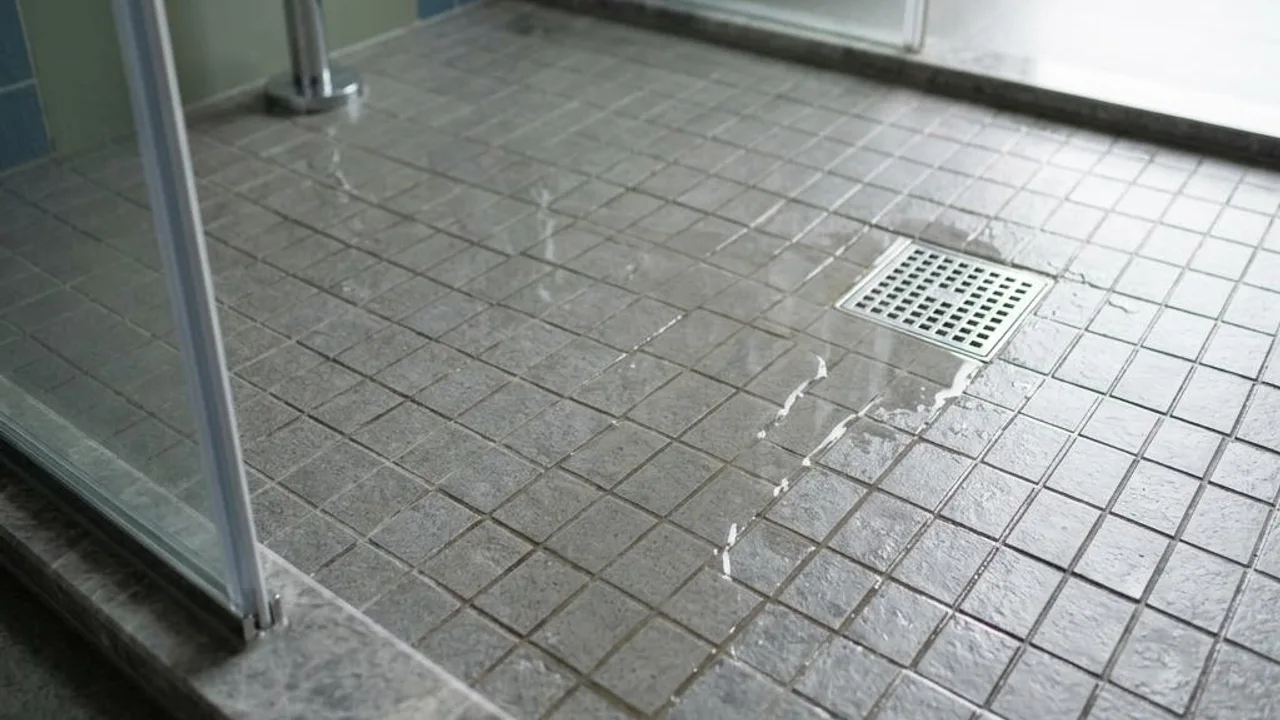
As an extension of the building's exterior wall, the balcony is directly exposed to various weather conditions. Its drainage system mainly relies on the floor slope design, drainage outlets, and connected drain pipes. If the slope is insufficient during construction, or if back-sloping occurs, rainwater easily accumulates on the floor surface. Long-term accumulation of water not only increases the risk of seepage into the home but may also damage the grout between tiles.
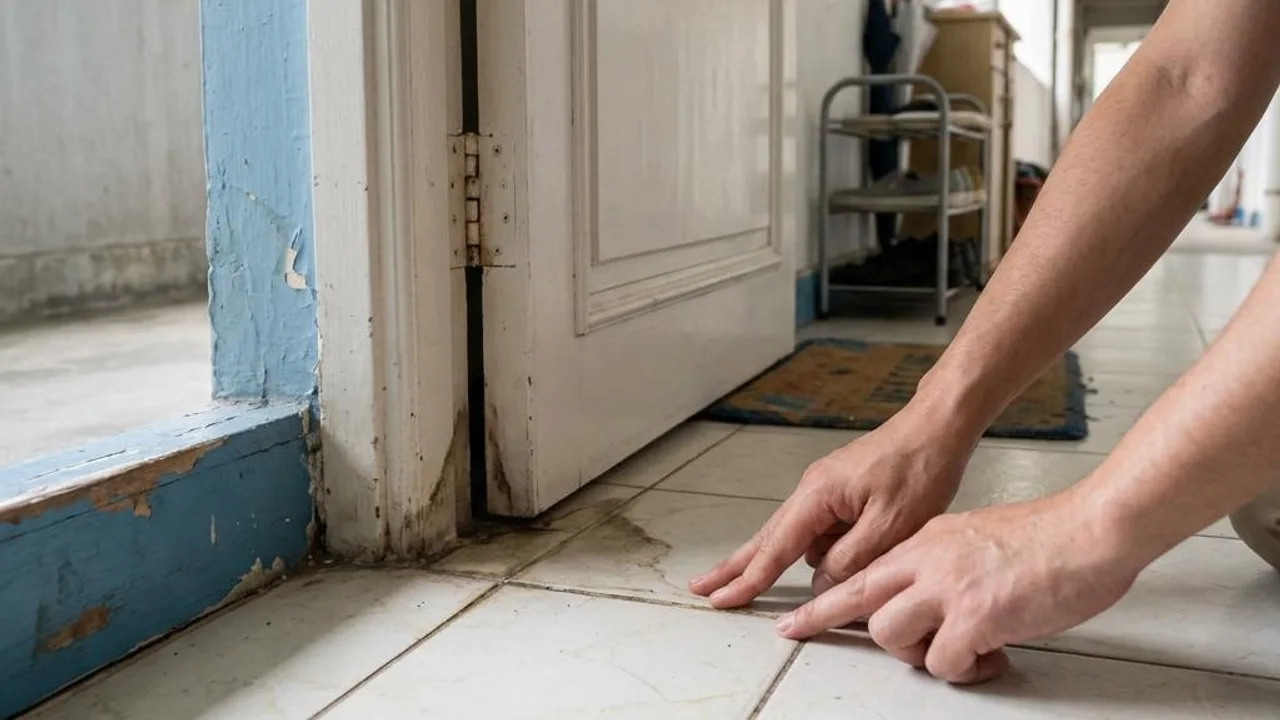
In addition, the maintenance of drainage outlets should not be ignored. If they are blocked by mud, dead leaves, or construction residues, drainage efficiency will drop significantly. When heavy rain hits, the water level of rainwater that cannot be drained in time will rise rapidly, eventually leading to rainwater seeping into the living room through the gaps under the door, causing damage to floors and furniture.
- Check if the floor slope directs rainwater towards the drainage outlet
- Ensure drainage outlets are not blocked by debris and remain clear
- Observe if tiles have hollowness to prevent rainwater from seeping into the substrate
- Regularly clean dust and residues accumulated on the balcony
Functions and aging signs of glass door seals
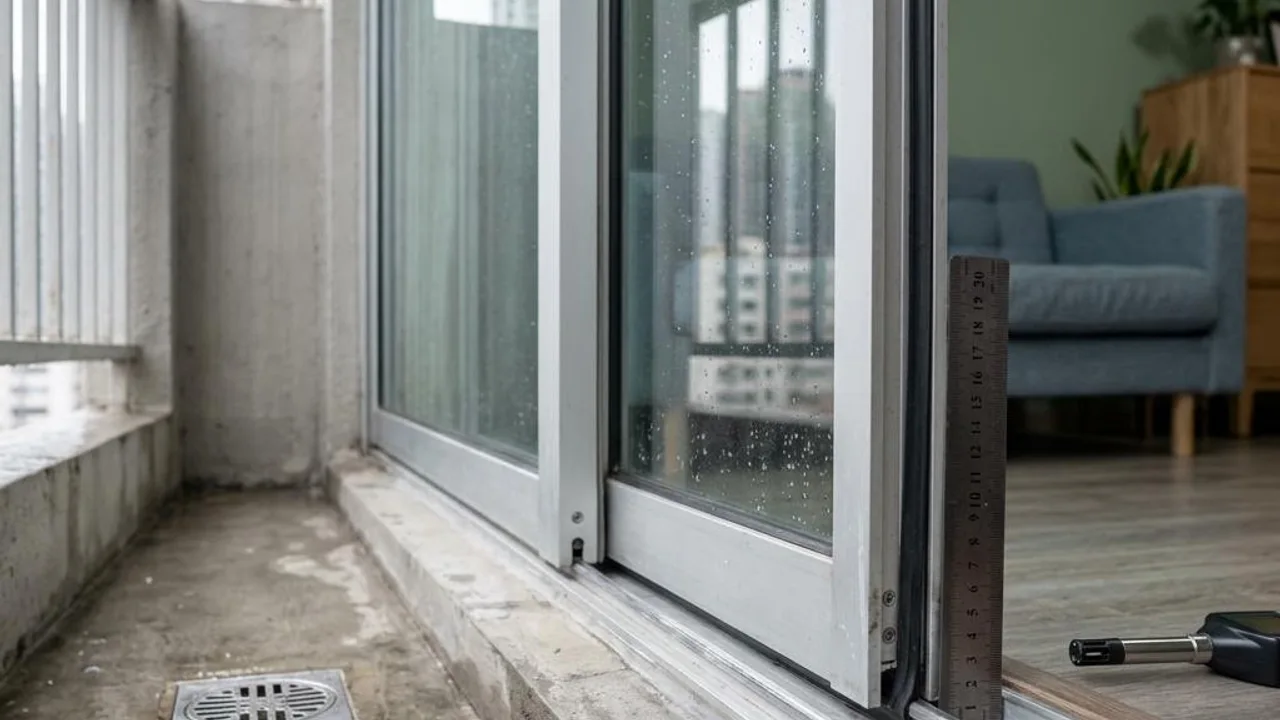
The sealing performance of balcony glass doors highly depends on the rubber or silicone seals at the frame edges. These components are responsible for filling the gaps between the door sash and the door frame, effectively blocking wind and rain. However, in Hong Kong's environment with large temperature fluctuations and ample ultraviolet radiation, these sealing strips will naturally age, appearing hardened, cracked, or shrunken, leading to a failure in sealing function.
When the seals lose their elasticity, the door gaps will widen. Coupled with the pressure difference generated by strong winds, rainwater is very easily forced into the room. Owners often find it difficult to notice these hidden losses in sunny weather and must check the tactile feel and elasticity of the seals, or perform simulated water spray tests at appropriate times, to confirm their waterproof effectiveness.
- Regularly visually inspect sealing strips for cracks or hardening
- Test if the contact between the door sash and door frame is tight and if there is any noticeable wobbling
- Check if the drainage holes in the door tracks are blocked by dust
- If the seals lack elasticity, consult a professional for replacement
Application of Professional Inspection Techniques
To accurately assess the defense capability of balconies and glass doors, professional property inspectors will use precision instruments for testing. For example, using a spirit level to accurately measure the balcony slope to ensure the drainage design meets specifications. For drainage outlets and pipes, an endoscope will be used to check the internal condition of the pipes to confirm if there is any construction waste or blockage left over from construction.
Regarding sealing performance, the professional team will conduct systematic checks and, provided it is safe to do so, perform simulated water spray tests to check for water seepage points during heavy rain simulations. Compared to standard visual inspections, professional testing can identify construction defects invisible to the naked eye early on, protecting residents from water leakage during the rainy season.
- Use a precision spirit level to measure the drainage gradient of the floor.
- Use an endoscope to check if the internal drainage pipes are clear.
- Simulate rainfall conditions to check for water seepage at the glass door joints.
- Assess the fit of the door frame waterproof sealant and water-stop strips.
Amplifying effect of meteorological conditions on leakage hazards
Wind power from extreme weather does not just mean rainfall; it also changes the trajectory of the rain. Under strong winds, rain strikes balcony doors and windows horizontally. If the door frame's sealing performance is defective, rain will easily enter. Even minor drainage issues can become critical failure points leading to seepage under the sudden drainage load of a rainstorm.
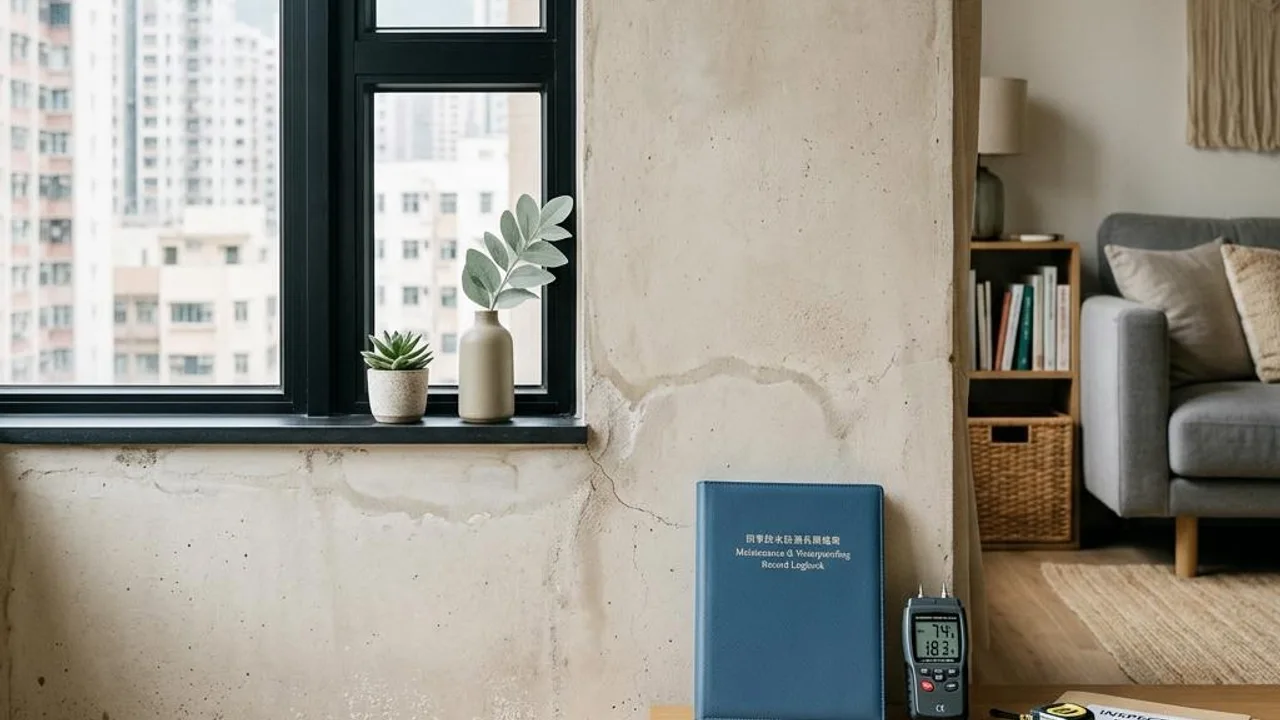
Furthermore, pressure differentials can exacerbate leakage, pushing water into areas that would not usually leak. If the balcony's structural waterproof layer is imperfect and combined with poor drainage, rising water levels will further erode the structure. Over time, this may affect indoor walls, causing mould or peeling paint, with repair costs far exceeding the cost of preventative maintenance.
- Understand how strong winds can drive rain into poorly sealed gaps.
- Recognise the challenge posed to drainage systems by high short-term rainfall.
- Prevent water seepage problems caused by air pressure differentials.
- Prioritise preventative maintenance to cope with sudden, severe weather.
Regular inspection and preventive maintenance
For occupied homes, it is recommended to arrange a comprehensive balcony waterproofing inspection before the rainy season arrives (usually in the second quarter of each year). This type of inspection is a highly valuable home maintenance measure, as the cost is far lower than the repairs to water damage and furniture restoration needed after a leak occurs. Regularly replacing aged seals and clearing pipes are essential details for maintaining a comfortable home.
For new owners taking possession of a property, a professional property inspection during the warranty period is particularly critical. Structural drainage issues or defective sealing strips identified at this stage can be addressed by the developer, solving waterproofing defects at the source. This forward-looking risk management approach is key to protecting personal assets and maintaining home health.
- Perform a comprehensive waterproofing inspection once a year before the rainy season.
- Regularly clean the drainage system to remove leaves and debris.
- Promptly replace sealing strips or water-stop strips that have lost their elasticity.
- Proactively address waterproofing defects while under property warranty.
Find a professional team to safeguard home safety
To fully assess home waterproofing capability, choosing an OPO Inspection team with a professional background is a wise decision. Professional property inspectors not only possess extensive construction knowledge but are also equipped with various testing tools, such as spirit levels, moisture meters, and endoscopes, allowing them to systematically judge the reliability of the waterproofing system rather than relying on guesswork.
After the inspection service is completed, the professional agency should provide a detailed report listing the problem points discovered, suggested directions for improvement, and corresponding photographic references. Choosing a service provider with professional qualifications and a good reputation can provide you with practical advice for tackling rainy season challenges, ensuring your home remains dry and safe at all times.
- Have a property inspector conduct a systematic inspection.
- Obtain an objective and detailed written waterproofing inspection report.
- Obtain professional advice on improving leakage defects.
- Select a team equipped with appropriate professional testing instruments.
FAQs
If light ponding is found on a balcony floor, does it necessarily mean the waterproof layer is damaged?
Not necessarily. Light ponding is usually related to an insufficient drainage gradient or a blocked drain. Owners should first clear any debris from the drain. If ponding persists after cleaning, it is recommended to consult a professional to check whether the floor drainage gradient or the waterproof structure has aged.
Why do glass doors seem fine on sunny days but leak during heavy rain?
This is because sealing strips age and lose elasticity after long-term sun exposure. This is hard to notice on sunny days, but when a rainstorm combines with the wind pressure generated by strong winds, rainwater is pushed into the loose gaps. In addition, if the drainage holes inside the door track are blocked by dust, rainwater will also rush into the interior because it cannot be drained away in time.
How should an owner record and handle balcony seepage if discovered during the warranty period?
Owners should take clear photos or videos during the seepage to record the location of the leakage and the environmental conditions. Subsequently, hire a professional to perform an inspection and obtain an objective inspection report. During the warranty period, you should submit a written request for follow-up to the property developer, including the relevant documents and identified issues, to ensure structural defects are repaired.