The importance of external wall waterproofing and structural safety.
The residential external wall is the first line of defence against the outdoor environment, protecting the interior structure from rainwater and moisture erosion. When the external wall waterproofing layer has defects, moisture easily penetrates the structure, leading to steel bar corrosion, peeling paint, or ceiling mould. Long-term moisture accumulation not only affects the quality of the living environment but may also compromise the building's structural integrity, bringing unpredictable maintenance risks.
Conducting professional inspections is the foundation for maintaining a building's lifespan. Through systematic assessment, construction quality defects, material ageing, or design flaws can be identified early. For prospective owners, gaining an in-depth understanding of the external wall condition can effectively prevent leakage hazards after moving in, avoiding large-scale repair works due to structural damage.
- Prevent external moisture from eroding the reinforced concrete structure.
- Prevent internal mould and paint peeling on walls.
- Keep interior walls dry to maintain structural integrity.
- Reduce expensive maintenance costs caused by leakages.
Key points and procedures for external wall inspection during property inspection.
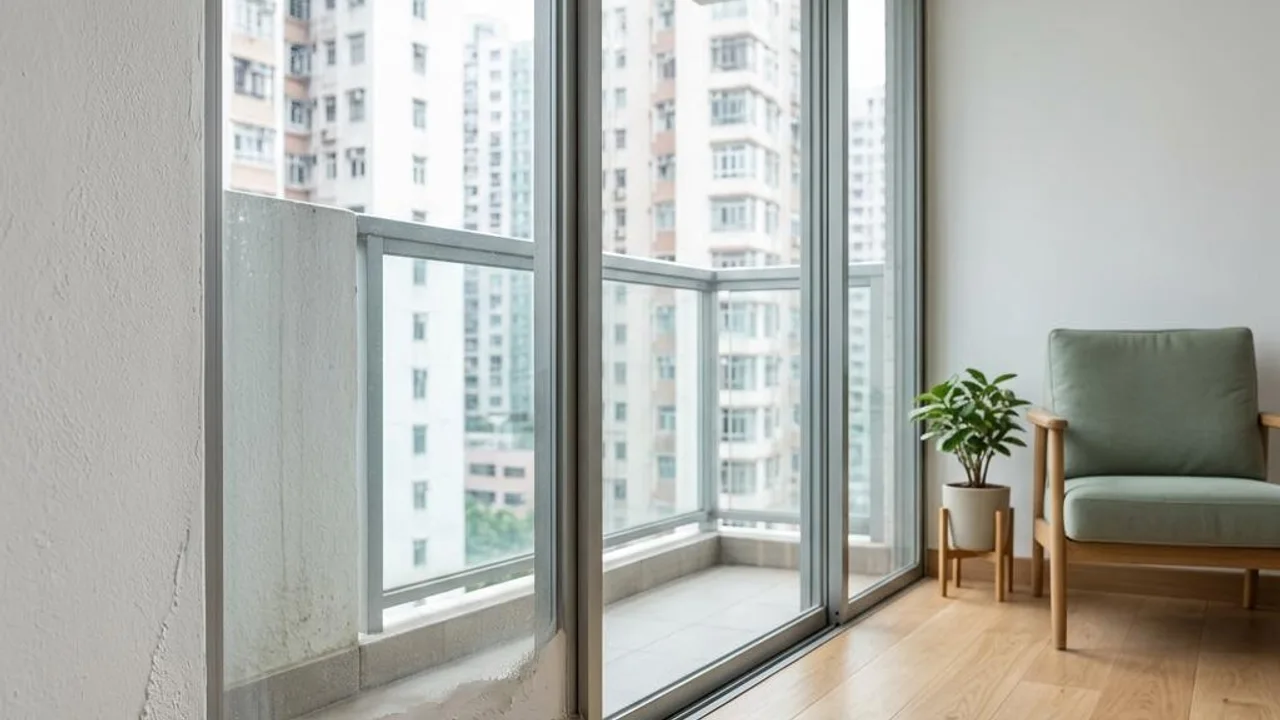
A professional inspection process usually begins with a comprehensive visual check, supplemented by necessary observation tools. The property inspector will focus on identifying whether there are obvious cracks in the walls, hollow finishes, or signs of peeling in the waterproof layer, especially at the joints between window frames and walls, which are the most common high-risk leakage points.
In addition to checking joint locations, the inspection personnel will also verify if the building's drainage paths are clear and assess whether the external wall finishes are loose. These detailed checks reflect the overall resilience of the external wall. Owners should note that any in-depth testing in high-risk or high-altitude areas must be performed by qualified persons, ensuring safety during operation; never attempt dangerous tasks yourself.
- Check if there is insufficient sealant at window frame joints.
- Observe whether there are obvious cracks in the external wall finishes.
- Check if the drainage system path is obstructed.
- Assess the condition of external wall hollows or loose finishes.
Operational guidelines and limitations for the high-pressure water jet test.
When detecting external wall leakages, spray water tests are sometimes used to simulate the effects of rainwater erosion. Such tests aim to identify potential leakage paths; however, owners must understand that even if test results appear normal, it does not mean the external wall is completely immune to leakage risks during severe weather in the future. Because the test involves pressure, it must be conducted under the supervision of professionals to prevent loss of pressure control from damaging external finishes or causing water to accidentally backflow into indoor electrical appliances.
Furthermore, any test involving spraying water at the external wall requires prior consent from the building management office. This is to prevent the test water flow from affecting lower-floor units or causing public safety issues. The test process requires caution, and inspection personnel must have appropriate experience to judge the intensity and scope of the test to safeguard property facilities.
- Consent from the building management office must be obtained before the test.
- It is only recommended to be operated by qualified professionals.
- This test does not guarantee coverage of all long-term leakage risks.
Professional property inspection reports and scope of detection.
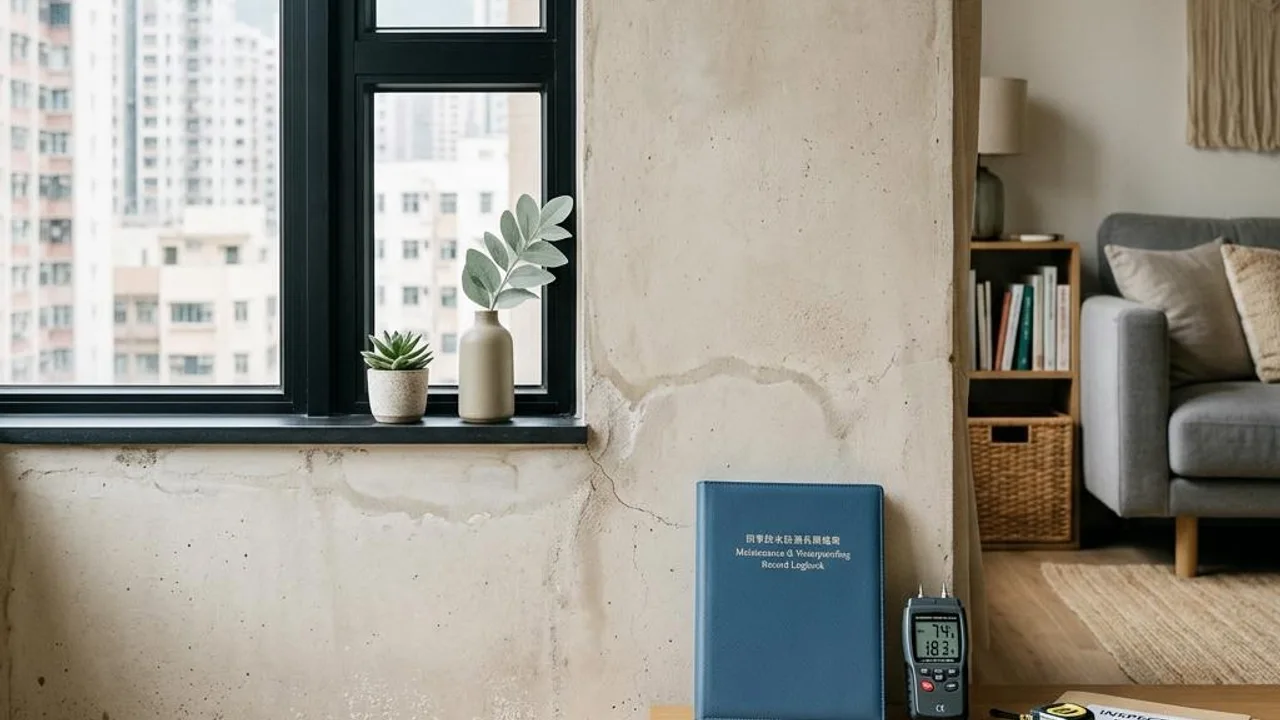
A professional property inspection report will record findings from the external wall check in detail, including visible finish damage, deterioration of the waterproof layer, and corresponding observations. These report contents provide owners with an objective reference to understand the unit's potential risks. Note that the report aims to provide a professional assessment rather than cover every inaccessible hidden detail.
When reviewing the report, owners should pay attention to leakage risk warnings. If the report points out abnormal areas needing follow-up, they should be handled as suggested. The report aims to help clarify the status of issues, not guarantee that all potential leakages have been solved or ensure the effectiveness of the structural waterproof layer. For professional judgements involving hidden works or the root cause of leakages, it is recommended to commission qualified persons for in-depth testing. The report content is based only on visual observations on-site and cannot serve as absolute proof of structural safety, the lifespan of the waterproof layer, or the effectiveness of repairs.
- Record wall cracks and hollow conditions.
- Assess the effectiveness of window frame waterproof seals.
- Confirm leakage risk points and follow-up recommendations.
Ongoing monitoring and maintenance advice after move-in.
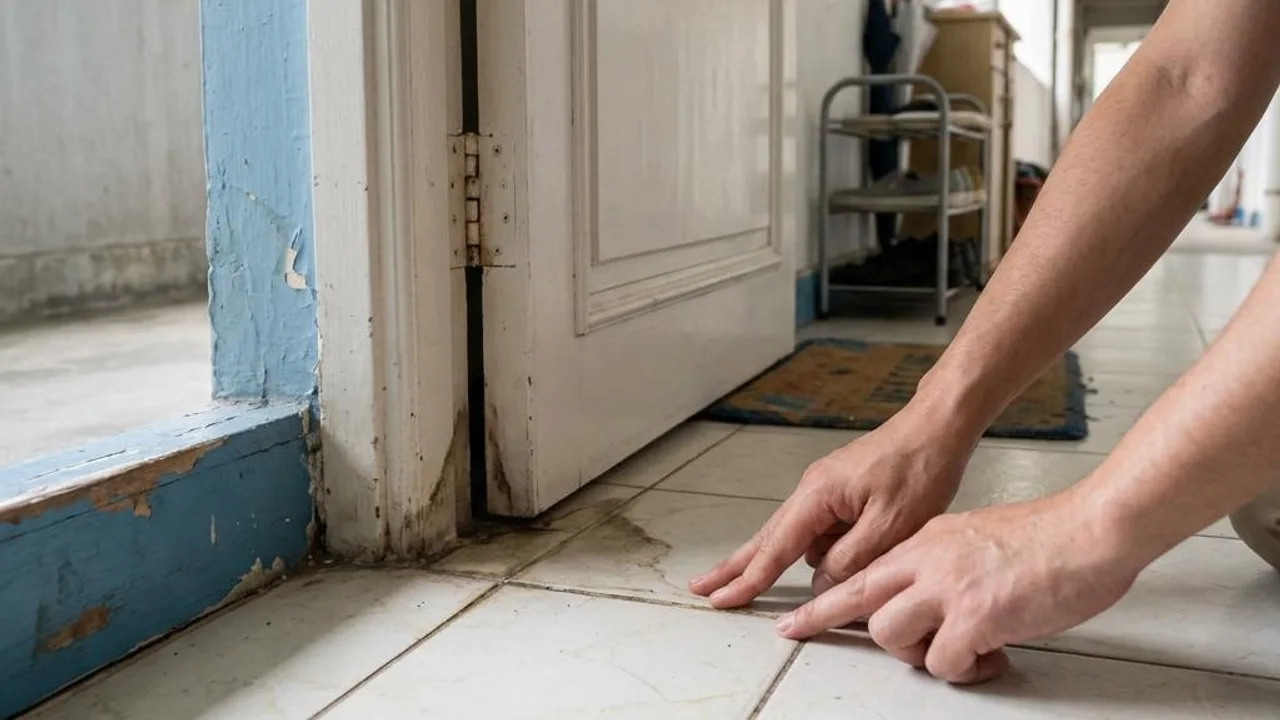
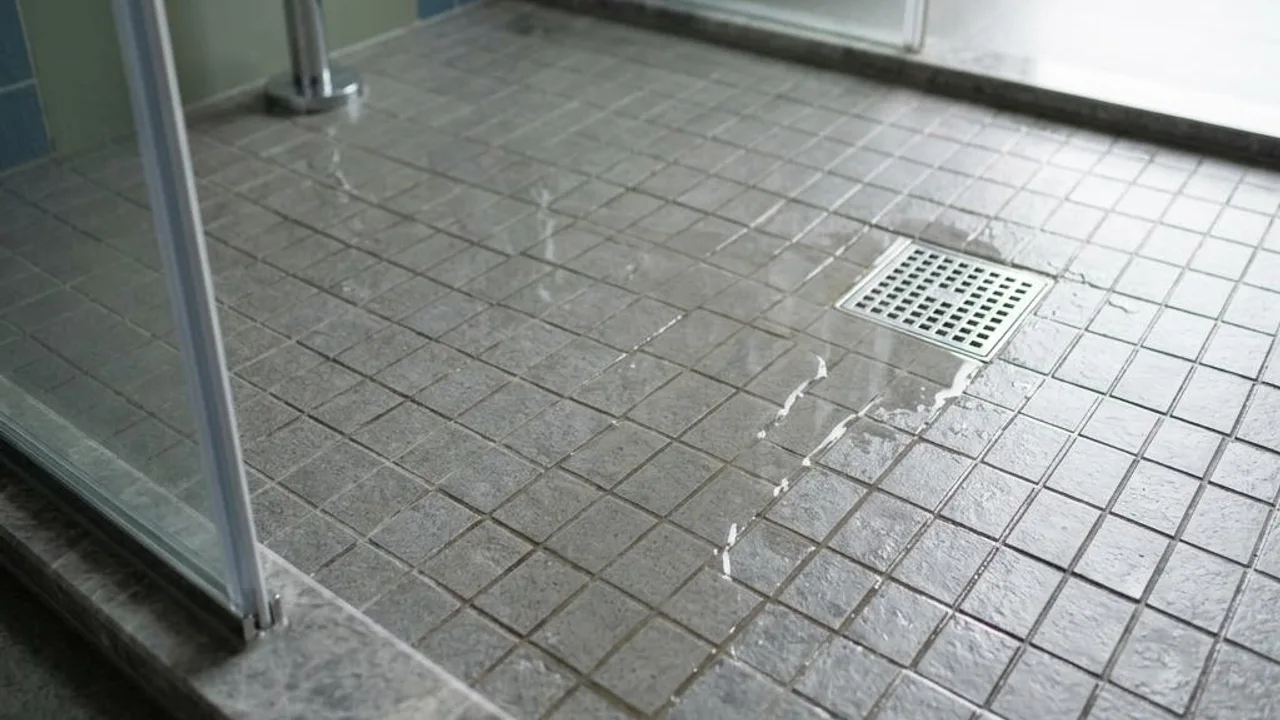
Maintenance after receiving the property is equally important. Owners should continuously monitor wall corners, window sills, and ceiling locations in their daily lives. Leakage problems often have a lag effect, becoming apparent only after consecutive heavy rain or strong typhoons. Regular visual inspections to detect water stains, signs of mould, blistering paint, or discolouration are key to preventing widespread leakage.
If signs of leakage are detected, owners should not treat them merely as indoor air quality issues, nor is it recommended to attempt unverified repair methods themselves. A mouldy smell is often an early warning sign of leakage. When abnormalities are found, employ a registered contractor or qualified professional for a professional inspection. Through investigation by qualified persons, ensure that repair work complies with the requirements of the Buildings Ordinance, solving the root cause of the leakage.
- Regularly check if the window sill joint sealant strips are intact.
- Check the ceiling and walls for water stains after the rainy season.
- Do not ignore subtle mouldy odours.
- Seek assistance from a registered contractor if serious leakage is encountered.
FAQs
If I find water stains at the window frame joint, how should I handle it?
Please remain calm, record the affected area, and take clear photos. Do not attempt repairs yourself; it is recommended to contact a qualified registered contractor for a professional inspection to clarify the source of the leakage and ensure repairs meet building standards.
Why can't the spray water test guarantee that leakage will not occur in the future?
The spray water test can only simulate partial leakage under specific conditions. Long-term leakage risk is influenced by multiple factors such as building ageing, climate change, and structural shifts; a single test cannot fully cover all potential leakage paths that may emerge in the future.
If the property inspector points out hollows on the external wall, does this mean the wall will peel off immediately?
External wall hollows represent separation between the finish layer and the substrate. While this does not necessarily mean large-scale peeling will happen immediately, it does increase the risk of water seepage and detachment. It is recommended to ask a registered contractor to assess the severity and take appropriate reinforcement measures.