
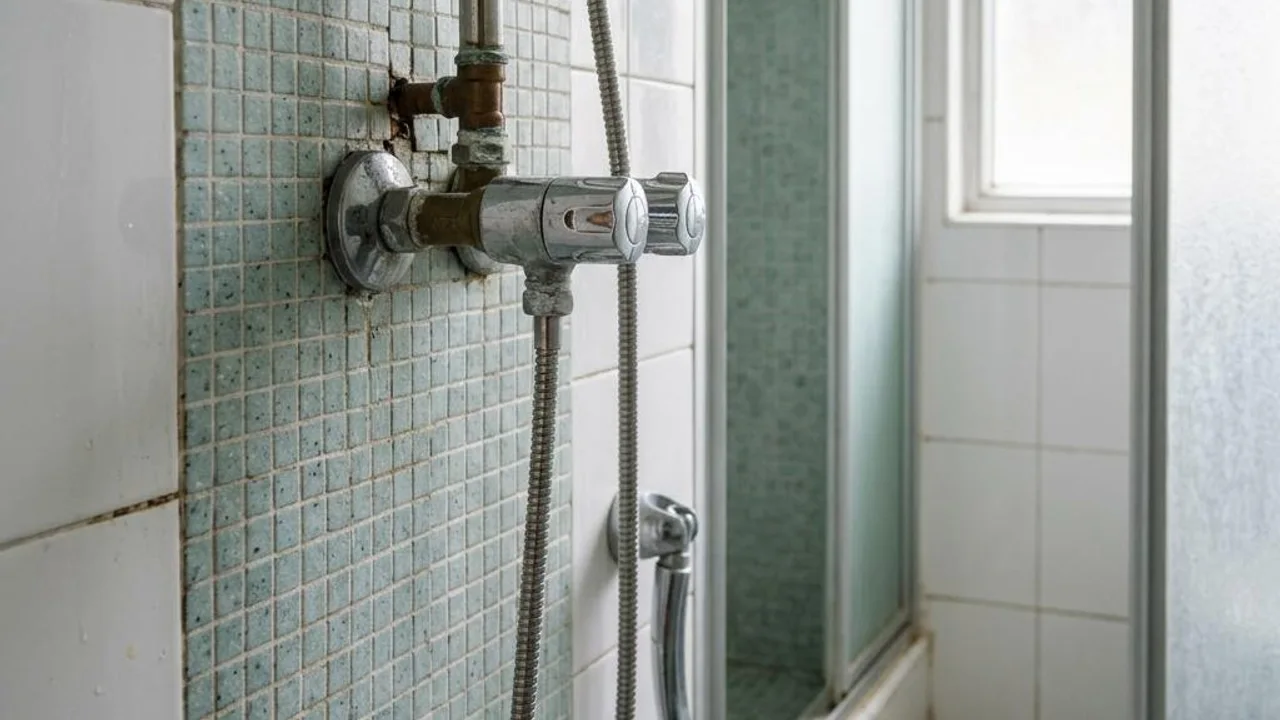
Understand the impact of water pressure on the home
Water pressure represents the force exerted by the water supply system on the pipe walls during operation. Ideal water pressure should be stable and meet daily water usage needs; when water pressure is too low, you will feel a lack of force when bathing or using kitchen facilities, while excessively high water pressure may wear out pipe joints over time, increasing the risk of bursting and leakage, posing a potential threat to the concealed facilities of the unit.
Testing water pressure during the inspection process can effectively discover concealed water supply issues in advance. These problems usually originate from the design of the water inlet, valve settings, or internal blockages in the pipes. Mastering the water pressure status not only improves water comfort but also avoids renovation losses caused by pipe damage in the future.
- Water pressure that is too low will affect shower and cleaning efficiency
- Water pressure that is too high may lead to flexible hose breakage and leakage
- Abnormal water pressure is often a precursor to pipe failure
- Stable water pressure helps protect home electric water heaters and sanitary ware
Water pressure testing process for professional property inspection
A basic water pressure check usually begins by turning on the tap to observe whether the water flow can reach a stable speed in a short time. During the inspection, multiple outlets in the kitchen and bathroom will be opened simultaneously to test whether the water pressure at each location is uniform when using water at the same time. If an obvious pressure drop occurs, it reflects that the design or pipe diameter of the water supply system may have bottleneck issues.
For more accurate data, use a water pressure gauge to measure the pressure directly at the tap and compare it with standard specifications. This inspection provides objective data to determine if the water pressure falls within the appropriate range and excludes instability caused by air bubbles or blockages in the piping.
- Observe the stability of the water flow from a single tap.
- Conduct multi-point simultaneous water usage tests to check pressure distribution.
- Use a professional water pressure gauge to obtain objective data.
- Check if there is a significant difference between cold and hot water pressure.
Identifying common causes of water pressure issues
Insufficient water pressure may be caused by several factors, including impurities in the inlet pipes, filters blocked by stones or sediment, or the property's own water pump system being set too low. Additionally, if an owner finds abnormal water pressure in a specific area, they should check the branch pipe for twists or internal corrosion.
Conversely, excessive water pressure is usually due to a malfunctioning pressure-reducing valve. Pipes and sanitary ware under high-pressure conditions for long periods are prone to cracks. If abnormal water pressure is detected during the property inspection, it should be clearly recorded, and it is recommended to hire a professional registered plumber for adjustment or repairs.
- Reduced flow caused by sediment buildup inside the pipes.
- Excessive pressure caused by a damaged pressure-reducing valve.
- Pressure loss in the design of the main water supply route.
- Improper installation location or specifications of diverting valves.
Solutions after discovering abnormal water pressure
If abnormal water pressure is detected, the priority is to contact the developer or property management office to confirm if it is a general issue with the estate's water supply system. If it is an individual fault within the unit, a qualified registered plumber must be hired for a detailed inspection and repair; owners should never dismantle or replace pressure-bearing components themselves.
Regarding low water pressure in a unit, it is recommended to consult a professional for assessment; if a booster pump needs to be installed, one must ensure the equipment complies with the building's original piping design and safety standards. If water pressure is found to be too high, a qualified plumber can be requested to examine the pressure-reducing valve settings and attempt to correct them through professional adjustment, avoiding self-dismantling or pipe replacement.
- Contact the property management office to confirm the overall water supply settings.
- Hire a registered plumber to check concealed piping.
- Check the pressure-reducing valve settings to correct abnormal water pressure.
- Assess the feasibility of installing a booster pump if necessary.
Common considerations in water pressure testing
When observing water pressure, owners should note whether peak water usage periods in different seasons or times of day affect the pressure. Since estate water pressure fluctuates with overall supply demand, if the pressure remains abnormal during non-peak hours, it indicates that there is indeed an issue within the unit's internal pipe system that needs to be addressed.
In addition, when checking the hot water supply, observe the speed and stability of the hot water after turning on the tap. If the cold and hot water pressure is uneven, it may cause the thermostatic water heater to malfunction, affecting the bathing experience. It is recommended that such issues be recorded by a professional to confirm whether they involve pipe diameter design problems.
- Record water pressure changes at different times.
- Note the impact of cold and hot water pressure balance on the water heater.
- Ensure the observation process does not involve dismantling fixed facilities.
- Keep observation records to facilitate communication with professionals.
FAQs
During a property inspection, I found the water flow in the bathroom is significantly weaker than in the kitchen; does this mean the pipes are blocked?
This may be due to different pipe diameter designs, internal corrosion, or sediment accumulation in filters. It is recommended to contact a qualified registered plumber to check the condition of the branch pipes, and never dismantle pipes for inspection yourself.
What specific damage can excessive water pressure cause to a home?
Excessive water pressure exerts long-term excessive stress on pipe joints and sanitary ware, increasing the risk of flexible hose bursts or joint leaks. In severe cases, it can cause dripping from cold and hot water taps and damage to internal rubber seals.
If water pressure is abnormal, can the owner adjust the pressure-reducing valve themselves?
No. Adjusting a pressure-reducing valve involves professional settings of the water supply system. Improper operation may lead to unstable water supply or damaged pipes; you should commission a registered plumber to perform a professional assessment and adjustment according to actual needs.


