
The importance of property inspections and owner protection
New property acceptance is the final quality defence line in the handover process. Through detailed inspection, owners can confirm whether the actual condition of the house is consistent with the standards stipulated in the contract. If problems can be discovered before moving in, one can request the developer to carry out immediate repairs, avoiding inconvenience to daily life caused by repair works after moving in.
Many serious property quality hazards, such as leakage of concealed pipes or circuit load problems, are often very troublesome and expensive to deal with after moving in. Therefore, conducting a systematic inspection during handover is not only about protecting personal investment but also about ensuring the safety and comfort of future long-term living. It is an indispensable procedure for every owner before moving in.
- Ensure the property complies with the terms of the sale and purchase agreement
- Discover structural and seepage problems early
- Ensure indoor facilities are operating normally
- Reduce the risk of repairs and disputes after handover
Structural Safety and Wall Inspection
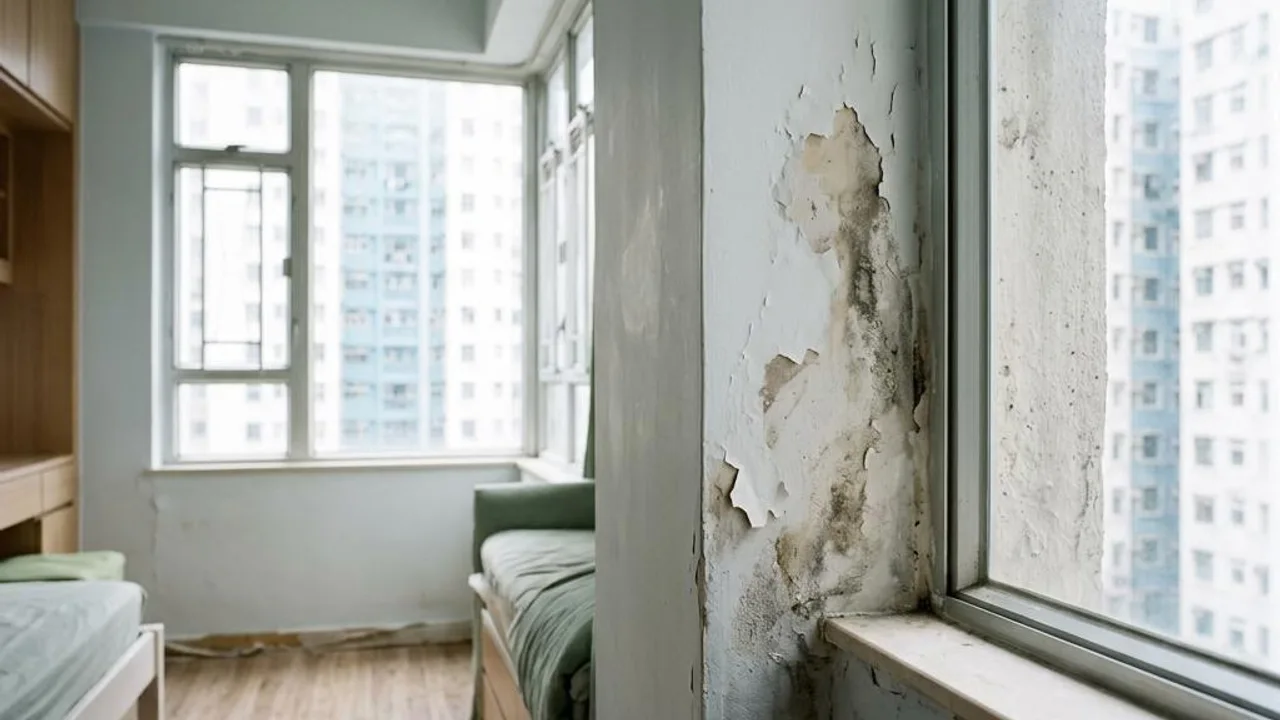
Wall flatness is key to both visual and tactile experience. When inspecting, owners should observe whether the wall is level, and whether the paint has colour differences, cracks, bubbles, or is peeling. If the wall is noticeably uneven, it may involve improper base layer treatment. Ceilings should also not be ignored, especially the joints with wall corners, to see if there are water stains or signs of seepage, which are crucial to long-term living quality.
Inspection of floor flatness needs to confirm whether floor tiles or flooring have hollows, looseness, or damage; pointing work should be uniform and clean. Observe whether there are abnormal gaps or edges curling when the floor is level. If large-scale cracks are found on the wall or ceiling, it is recommended that a professional confirm whether they are structural problems and record them.
- Wall flatness and paint colour
- Presence of cracks, bubbles, or peeling
- Presence of water stains and seepage on the ceiling
- Flatness of floor tiles and flooring installation
- Check whether the floor has signs of hollows
Circuit Equipment and Lighting Safety
When checking electrical facilities within the unit, safe operation should be the primary criterion. During testing, check whether all switches and sockets are installed securely, and whether the casings are deformed or have scorched marks; these signs may reflect poor quality of electrical connections. Ensure that every power point can conduct electricity normally, but when performing tests, please ensure your fingers remain dry and do not touch any live parts.
The switching operation of all lighting fixtures should be smooth, without flickering or poor contact. Please note that all fixed electrical appliances not connected by sockets, such as ceiling lights and water heaters, should not be modified or dismantled for inspection by non-professionals. If in doubt, hire a registered electrical contractor to conduct a professional repair and ensure that the relevant certification documents are complete.
- Socket functionality and installation stability
- Switches operate normally without flickering
- Pay attention to whether electrical components have scorching or deformation
- Ensure reasonable power load distribution
- Do not dismantle fixed electrical appliances yourself
Water Pipe and Bathroom Facility Testing
The key points for inspecting bathroom installations are the performance of water supply and drainage systems, and waterproofing. Check that the faucet flow rate is stable and that it turns smoothly without dripping. When testing the toilet flush, confirm that the water pressure is sufficient and that there is no ponding around the base during flushing, which indicates a clear drainage path and good sealing performance.
Check the drainage speed of the washbasin and bathtub, observing whether the water flows away quickly; if there is significant blockage, it may involve installation residue or foreign objects in the pipes. Pay attention to the sealant around the bathroom floor drain; if it is found to be missing or damaged, request the developer to repair it to prevent long-term water seepage problems beneath the floor.
- Are there any leaks or drips from the faucets?
- Flow rate and performance of the drainage system
- Toilet flushing function and connection seals
- Are there any damages to the bathroom installations?
- Pay attention to the sealant around the edge of the floor drain
Door and Window Functionality and Hardware Maintenance
The inspection of doors and windows should include both appearance checks and operational testing. Test the opening and closing of every door and window to ensure they operate smoothly without jamming or friction noise. Door locks and handles should be securely installed and feel firm and reliable when turned. Additionally, check the seal between the door/window frame and the wall to ensure there are no obvious gaps, which is crucial for noise and dust prevention.
The quality of hardware (such as hinges and pulleys) directly affects the lifespan of doors and windows. Observe whether the drainage holes in the window frames are blocked, as this prevents rainwater from backing up. If window seals are cracked, moldy, or deformed, request they be replaced. Furthermore, protection and sealing performance during high-wind weather are details to focus on when checking doors and windows.
- Smoothness of door and window operation and noise level
- Security and firmness of lock and handle installation
- Sealing of gaps between door/window frames and walls
- Flexibility of hardware accessories (hinges/pulleys)
- Check for obstructions in window frame drainage holes
Kitchen and Indoor Air Quality
The key to a kitchen inspection is the functionality of the cabinets and the leak-proofing of the sink. Check that the cabinet door hinges are flexible and whether the cabinet body has deformed due to moisture. Special attention should be paid to the sink connection point; observe for any dripping during a prolonged water flow test and ensure the sink drains smoothly. The levelness of the kitchen worktop and the quality of the joint sealing are also key items on the inspection checklist.
Regarding indoor air, pay attention to any pungent chemical odors or musty smells. If mold growth is discovered, it is usually related to humidity management and cleaning measures should be taken immediately. During the property inspection, if you observe the ventilation system operating improperly, you should record it and request an inspection, as maintaining good indoor ventilation is the most fundamental strategy for improving air quality.
- Cabinet opening/closing and cabinet moisture condition
- Are there any leaks at the sink connection point?
- Condition of kitchen worktop joint sealing
- Note if there are any pungent odors indoors
- Check that the ventilation device is operating normally
FAQs
How should wall hollows be handled when discovered during a property inspection?
The owner should mark the positions of the hollows and record them on the checklist; it is recommended to request a professional to examine the scale and extent of the issue. If the hollow area is large or poses a risk of peeling, request the developer in writing to perform appropriate repair work before handover.
Can the owner perform their own tests for hidden water pipe leaks during the property inspection?
Owners should not perform any destructive testing. If abnormal water stains are observed or a leak is suspected, record the situation and request the developer or relevant professionals to carry out standard testing to ensure the building structure is not compromised.
How should one deal with electrical sockets that operate inconsistently?
Do not dismantle electrical appliances or sockets yourself to avoid accidents. The owner should record the issue on the property inspection checklist and request a registered electrical contractor to conduct a professional inspection and repair, ensuring the circuit installation complies with safety regulations.


