Embedded appliances and heat dissipation space requirements
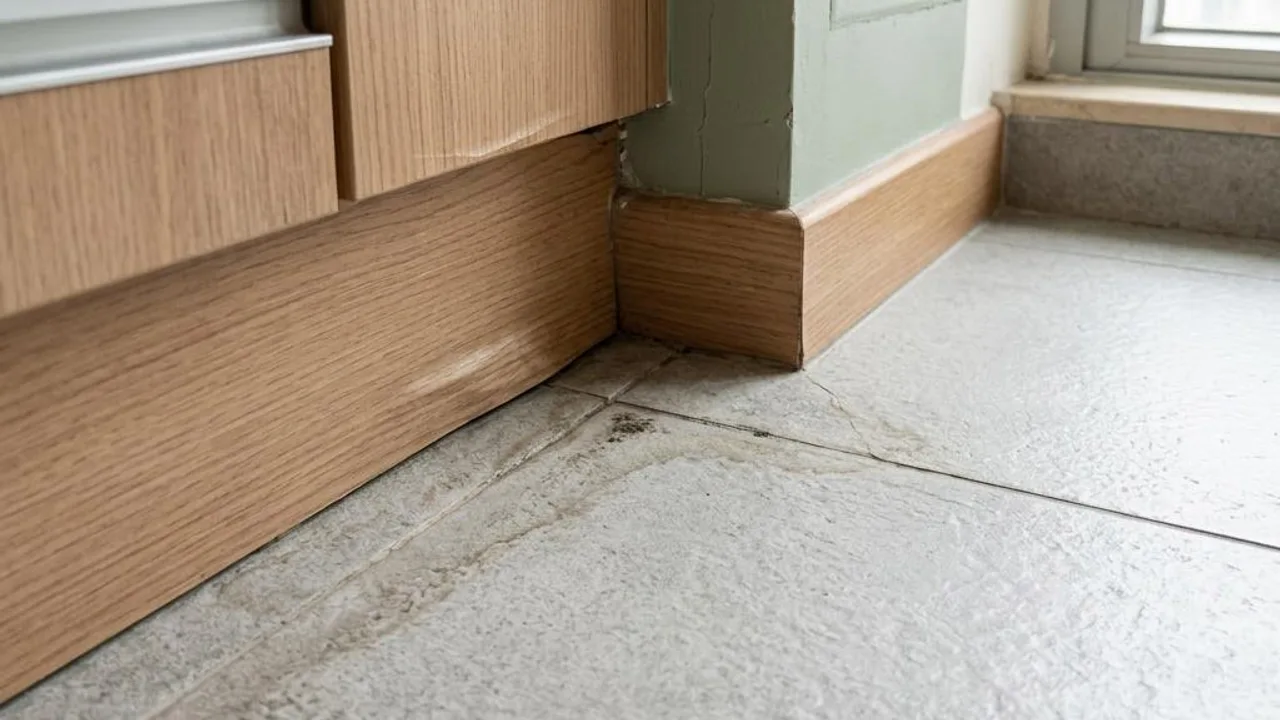
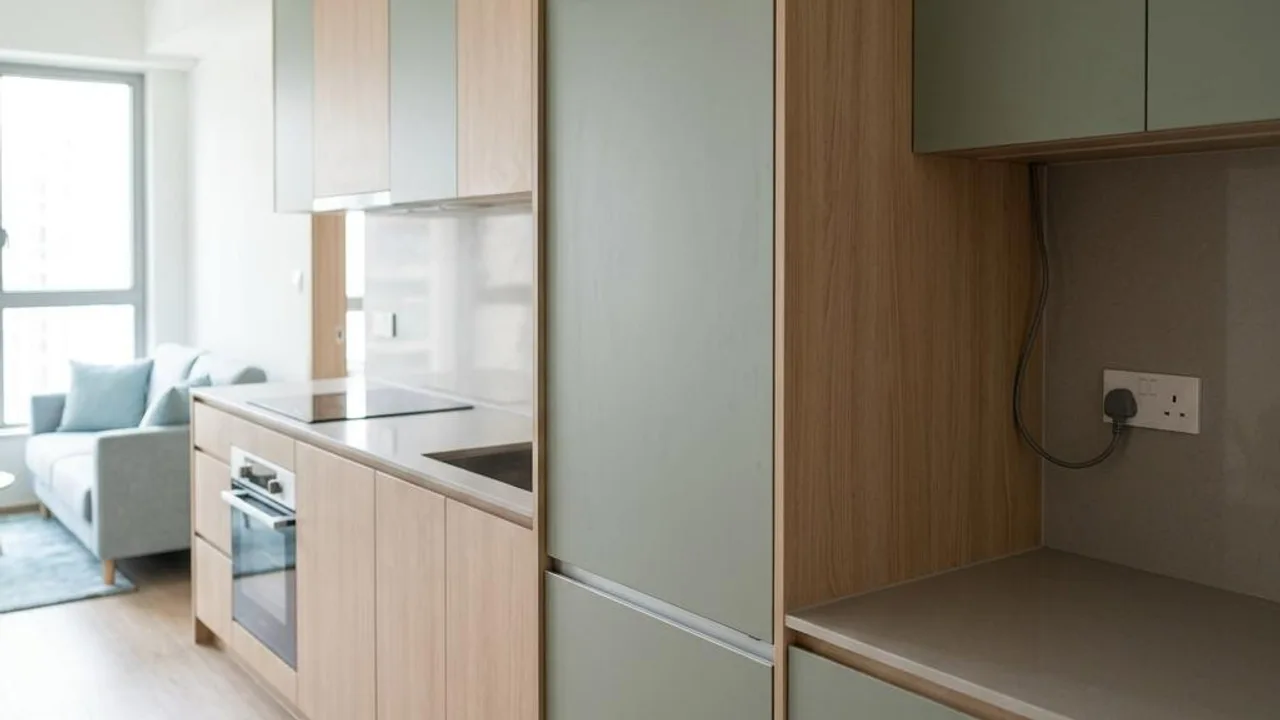
Built-in fridge designs can integrate appliances into kitchen cabinet lines, creating a sleek, modern space. However, a fridge is a high-powered appliance operating 24/7 that relies on its condenser to dissipate heat. Within tight cabinetry, adequate airflow channels must be present to ensure heat dissipation efficiency and prevent compressor overload.
During property inspection, check the ventilation hole design at the top, bottom, and back of the fridge. If cold air cannot enter or hot air cannot exhaust, the unit will remain in a high-temperature state for extended periods; this not only increases electricity consumption but also damages internal electrical components. Proper heat dissipation planning is a core element in ensuring stable equipment operation.
- Check that heat dissipation space is reserved at the top of the cabinet
- Confirm the bottom air intake is not obstructed
- Ensure sufficient air channels remain at the back of the cabinet
- Avoid cabinet designs that obstruct appliance operation
Circuit configuration and safety load standards
Kitchen electrical circuit design is a primary line of home safety. Particularly for built-in fridges, which are fixed in position and cannot be easily moved, their power configuration must be precisely executed during the early stages of the project. A fridge should be equipped with an independent socket circuit, avoiding shared usage with other high-power kitchen appliances like ovens or microwave ovens to prevent power trips due to over-loading.
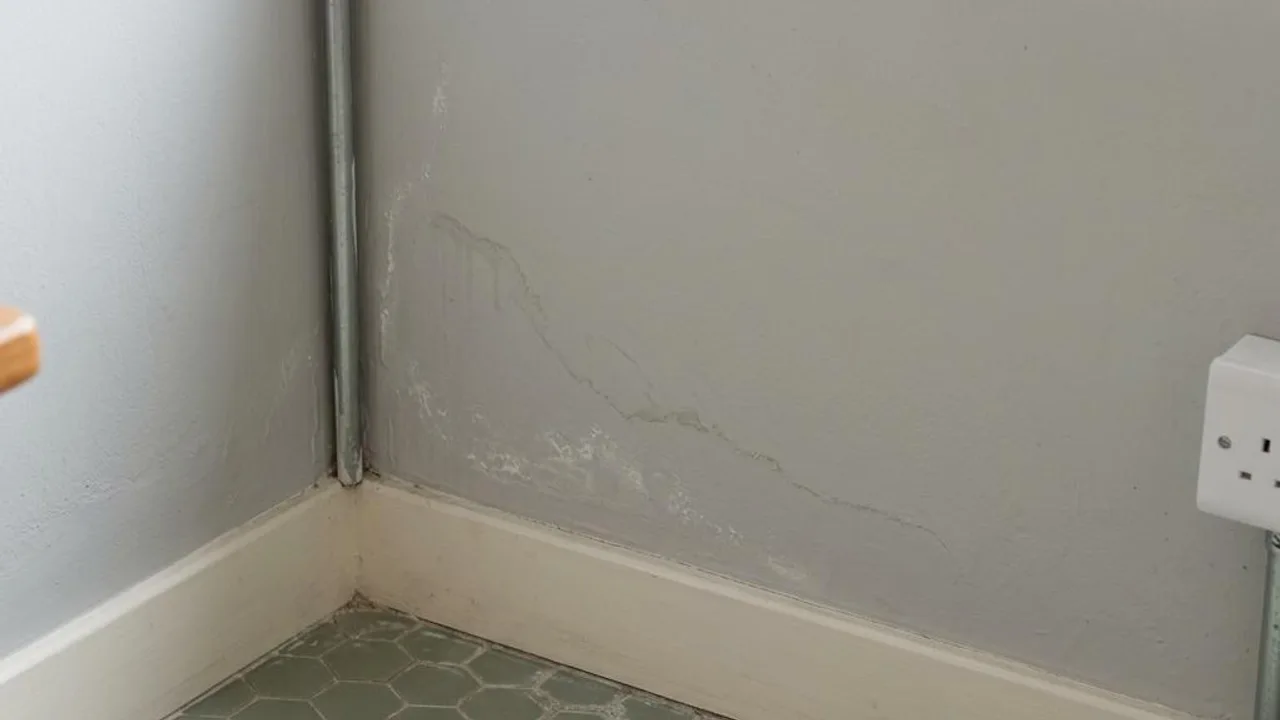
During electrical inspection, ensure sockets are far from high-heat and humid zones, and verify that all wire and plug connections are secure. According to domestic electrical safety guidelines, extension leads should not be used to connect a fixed fridge. Any modifications involving fixed installations must be carried out by a registered electrical contractor, and the circuit must be confirmed to meet safety standards.
- Must use an independent dedicated socket for power supply
- Forbidden to use extension leads to connect fridges
- Regularly check plugs for burn marks or deformation
- Confirm circuits have no risk of moisture or overheating
Pre-inspection systematic assessment and fine-tuning
Integrating appliance installation into the property inspection process is a rational choice for safeguarding living experience. Once kitchen cabinets are completed, appliance heat dissipation and electrical circuits should be assessed simultaneously. Real-time monitoring of machine temperature and circuit conductivity during operation helps detect potential hazards like narrow air ducts or poor contact, avoiding frequent repairs after moving in.
This preventive inspection model ensures that tradespeople can resolve deviations immediately before they leave the site. By strictly controlling details, owners can prevent equipment damage caused by poor heat dissipation, allow the fridge to operate stably in a safe environment, and extend the service life of a modern kitchen.
- Monitor the operating temperature of the appliance
- Confirm no abnormal air accumulation inside the cabinet
- Test if the circuit load is stable
- Adjust cabinet doors to ensure smooth opening and closing
Using scientific tools to diagnose potential hazards
Built-in appliance installation involves cabinet craftsmanship and complex electrical knowledge; it is difficult for owners to assess the heat dissipation and wiring loads inside concealed cabinets by eye alone. OPO Inspection teams are equipped with advanced instruments such as infrared thermal imaging cameras and clamp meters, allowing for equipment safety analysis without dismantling cabinets.
Through thermal imaging analysis, one can clearly see if heat dissipation inside the cabinet is smooth; if a local hot spot appears, it reflects insufficient air convection. Electrical current testing assesses if the circuit is stable, providing owners with practical improvement guidelines to ensure appliance installation complies with safety regulations.
- Use infrared thermal imaging to analyse heat dissipation
- Digital ammeter to test electrical load
- Comprehensive recording of electrical equipment status
- Provide targeted improvement recommendations
Daily maintenance and troubleshooting
During daily use, owners should regularly check if debris has accumulated around the fridge to avoid obstructing air intake and exhaust channels. If abnormal operating sounds are detected or abnormal temperature rises occur near the cabinet doors, check the socket connection first and record the timing of the problem to describe the situation to a professional repairer.
If you suspect installation issues or electrical circuit abnormalities, it is recommended that owners do not dismantle cabinet components themselves. Entrust a licensed professional to perform an assessment and request a detailed inspection record to ensure repair schemes have a scientific basis and to maintain the integrity of the home's electrical and cabinet structures.
- Regularly clean dust around ventilation holes
- Observe the sealing of the fridge door gasket
- Note any abnormal noise during appliance operation
- Keep the socket area dry and clean
FAQs
What are the impacts of insufficient heat dissipation space for a built-in fridge?
If the cabinet space is too narrow and lacks effective convection channels, the heat released by the condenser will accumulate in the cabinet, causing the compressor to operate continuously at high temperatures. This not only causes energy wastage but may lead to electronic component overheating and damage, severely impacting the fridge's service life.
Why can't built-in fridges use extension leads for power?
Fridges are high-power appliances that operate continuously for long periods. Using an extension lead easily increases contact resistance; if the lead's load capacity is insufficient or quality is poor, it can easily cause overheating during long-term operation, or even melt wires and create a fire hazard. Therefore, it must be connected to an independent wall socket.
How should owners observe heat dissipation conditions during inspection?
Owners can observe whether heat is trapped around the fridge and near the exhaust vents after it has been running for a period. If you feel abnormally high temperatures on the cabinet top or side panels, or hear the compressor starting too frequently, ask a professional to use instruments to further test if the air circulation inside the cabinet complies with standards.