Why the rainy season is the golden time to observe property performance
Many prospective owners prefer to conduct property inspections on sunny days, believing the visibility is better. However, from the perspective of waterproofing engineering and structural stability, the strong winds and heavy rains brought by the rainy season are actually the prime time to test the waterproofing defenses of a new home. The extreme environment of the rainy season directly reflects the true anti-seepage performance of window frames, exterior walls, and balconies, which is crucial for identifying defects in the unit before renovation.
Under strong rain and wind pressure, many subtle seepage problems that are difficult to detect on dry days will emerge. This observation period can help owners identify potential wall dampness and structural risks at the handover stage, preventing the discovery of leaks after moving in and thus reducing expensive future repair and demolition costs.
- During the rainy season, you can observe the airtightness of the junction between exterior walls and window frames
- Ability to inspect the actual discharge capacity of the balcony floor drainage system
- Helps lock down hidden wall dampness risks before the renovation project begins
- Helps owners conduct effective preventive maintenance during the handover stage
Airtightness analysis of exterior wall window frames under rainstorm wind pressure
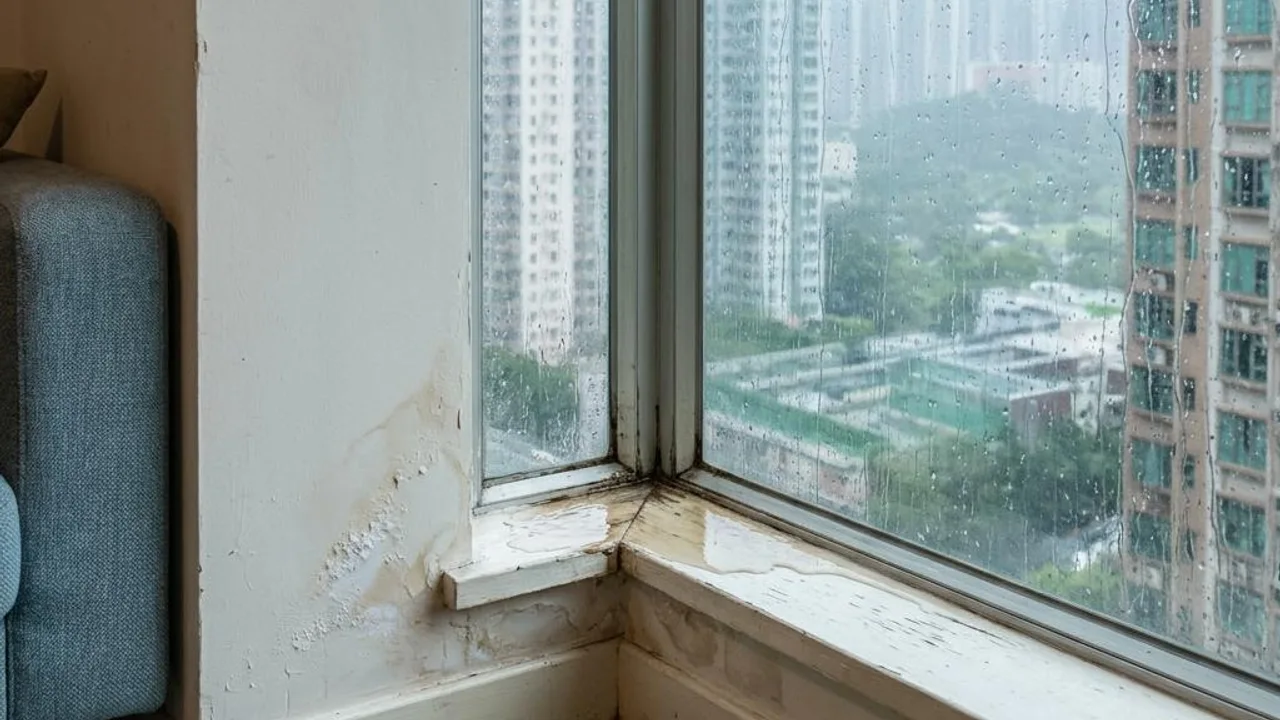
When strong winds and rain combine, the junction between the window frame and the exterior wall is under immense pressure. If the sealant around the window frame has aged, shrunk, or cracked, the wind pressure can easily drive rainwater into the wall plaster layer through capillary action. This problem is extremely hidden on sunny days, but when observed during rain, obvious water stains or paint discoloration often appear at the bottom of the window frame.
During a property inspection, special attention should be paid to the bottom and side joints of the window sill. If obvious water marks are found, they should be recorded and follow-up should be requested. This reflects the unit's anti-seepage performance; especially for Hong Kong's frequent typhoon and rainstorm seasons, excellent airtight performance is the first line of defense against indoor dampness and wall mold.
- Check if the sealant around the window frame has cracks or is falling off
- Observe if there are any mysterious water stains or discoloration on the inside of the window sill
- Record if there are signs of continuous water seepage around the window after rain
- Pay attention to the tightness between the metal structure of the window frame and the wall
Key to balcony drainage and sloped floor design
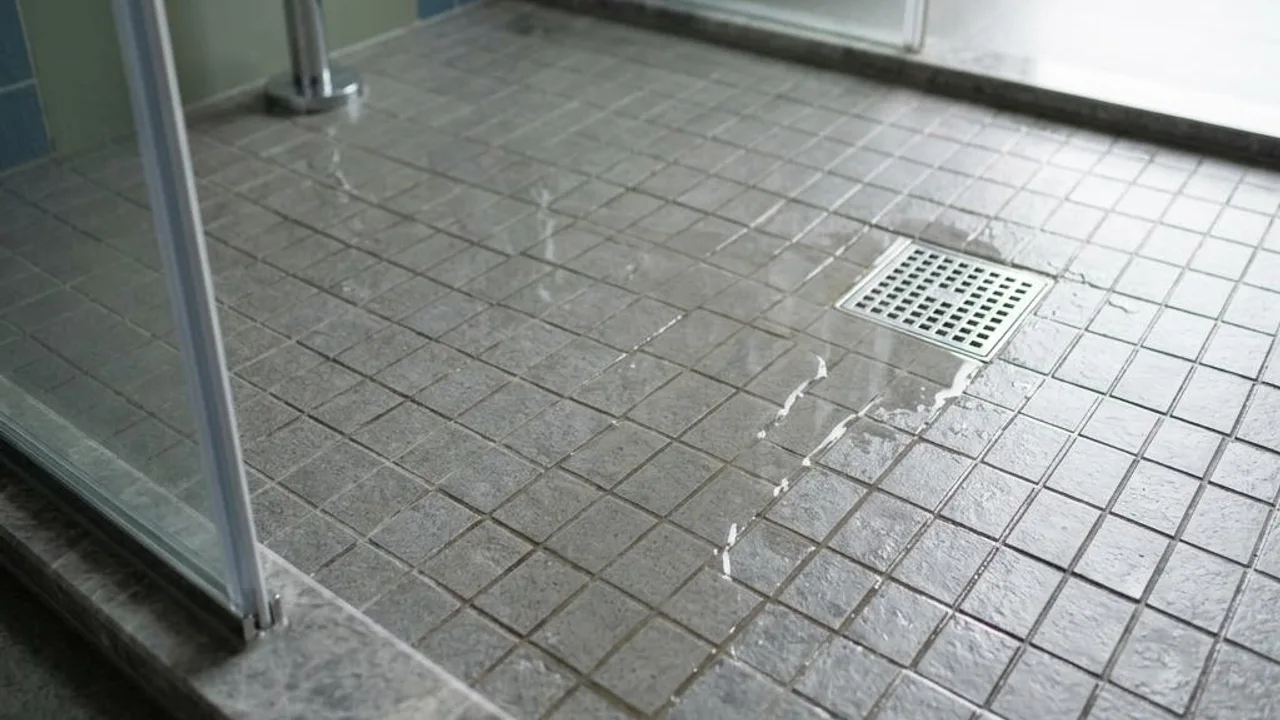
Many owners think that because a balcony is equipped with a floor drain, water will not accumulate. However, in an actual rainstorm, if the slope of the floor is miscalculated, the effectiveness of the drain will be significantly reduced. If the floor tilt angle is insufficient, rainwater will accumulate in balcony corners or doorways, increasing the risk of water backflow into the interior.
Observing balcony drainage dynamics in the rain is the most authentic way to assess construction quality. If you find that rainwater cannot flow quickly to the drain, or if there is localized water pooling, you should consider whether there is a design error in the drainage slope at that location. This is crucial for preventing dampness on the edge of the living room.
- Test whether rainwater can flow smoothly to the floor drain
- Check for any situations where water accumulates in the corners of the balcony and cannot drain
- Watch for signs of seepage or dampness at the edges of doorways
- Confirm the load-bearing capacity of the drainage system under extreme rainfall
Scientific investigation of wall dampness and seepage
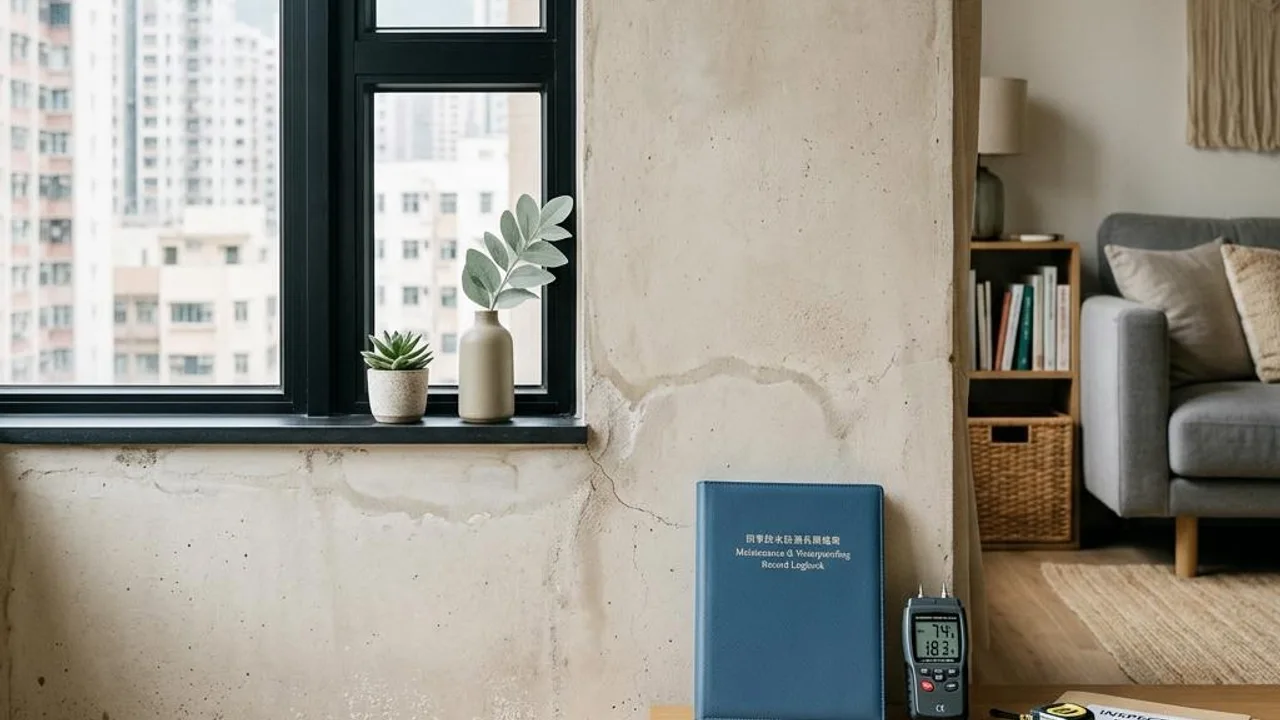
The change in wall dampness after the rainy season is a slow diffusion process; not all seepage will immediately turn into visible dripping. Moisture often diffuses through the plaster layer, causing localized wall surfaces to become dull or exhibit tiny paint bubbling phenomena. When performing self-checks, owners cannot draw conclusions based solely on whether the surface is dry.
It is recommended to use a high-intensity flashlight or portable lighting to carefully observe corners, load-bearing wall joints, and ceiling positions. Even if there is no obvious accumulation of water, if the wall surface shows dull shadows or abnormal textures, you must be alert to potential moisture ingress. By understanding the laws of moisture diffusion, owners can identify blind spots in the early stages of a problem and provide reference data for professional defect rectification.
- Use a high-intensity flashlight to observe if the wall texture is abnormal
- Watch for signs of paint bubbling at the base of the wall and at joints
- Note whether there are signs of moisture such as dull shadows on the wall
- Record the distribution range of moisture for subsequent professional follow-up
Repair cost-effectiveness and long-term maintenance costs
If seepage problems are found during the handover stage, they should be handled at the right time, rather than holding onto wishful thinking. If you ignore small water marks to save on the budget, these problems will often deteriorate rapidly during the harsher typhoon season after you move in. If you find out that re-processing is needed after the renovation is complete, the costs involved in breaking down walls, scaffolding, and re-rectifying will far exceed the initial cost.
Objectively measuring repair benefits is a wise move. Using objective evidence obtained from observing during the rainy season at handover to communicate reasonably with the developer is a core strategy for ensuring the long-term value of the residence. Clearing hidden dangers in advance is not just for current living comfort, but also for avoiding high maintenance costs in the future.
- Calculate the demolition and repair expenses if seepage is found after moving in
- Assess the possibility of small defects currently found developing into structural risks
- Balance the benefits of short-term repair costs against long-term living peace
- Establish complete building maintenance records for value retention
FAQs
If slight water stains appear on the interior wall after the rainy season, does it mean the structure has a serious problem?
Slight water stains do not necessarily mean structural failure, but they do reflect hidden dangers in the waterproof layer or window frame sealing. It is recommended that owners first record the location of the water stains and observe their scope, and contact qualified persons to check the exterior wall finishes or window frame sealing condition to avoid long-term moisture accumulation inside the wall.
If balcony drainage is slow, is it absolutely necessary to replace the entire drainage pipe?
Not necessarily. Slow drainage may stem from insufficient floor slope design or blockages around the drain. It is recommended to first clear debris from the drain and observe the drainage path; if necessary, consult professionals to assess whether it is necessary to adjust the floor slope or improve the drainage flow design.
If window-side seepage is discovered, is it enough to replace the sealant yourself?
Self-repairing sealant usually treats the symptoms but not the root cause, and if handled incorrectly, it may make it easier for water to enter the gap. The causes of window-side seepage are complex and may involve aging of the window frame structure or deficiencies in exterior wall waterproofing. It should be inspected on-site by professionals to assess the most suitable repair plan.