
The Importance and Value of OPO Inspection for Walls
Walls are not just interior partitions; they are an important part of the building's structure. During an OPO Inspection, checking the condition of the walls is key to ensuring living safety and future renovation quality. Wall flatness, crack conditions, and the presence of mold all reflect construction quality and the property's waterproofing performance. The health of the walls directly relates to the long-term stability and durability of the indoor environment.
High-quality walls should have a good base to support paint, wallpaper, and other finishes. If wall issues are ignored during acceptance, discovering cracks or seepage after moving in will significantly increase the trouble of later renovations and repairs. Therefore, performing a systematic wall check during handover is an important step for owners to protect their rights and ensure the home environment meets standard requirements before moving in.
- Walls are Important Pillars of Building Structural Safety
- Check Wall Flatness to Facilitate Future Renovations
- Detect Cracks Early to Avoid Structural Deterioration
- Ensure Damp-Proofing Performance to Maintain Indoor Hygiene
Observation of wall flatness and structure
During an OPO Inspection, owners should start with wall flatness. Uneven walls not only affect aesthetics but may also be a sign of improper plastering work. Using appropriate tools like a straightedge, you can check the flatness of the wall to identify areas with obvious protrusions or depressions, and clearly mark these findings to require the contractor to make corrections.
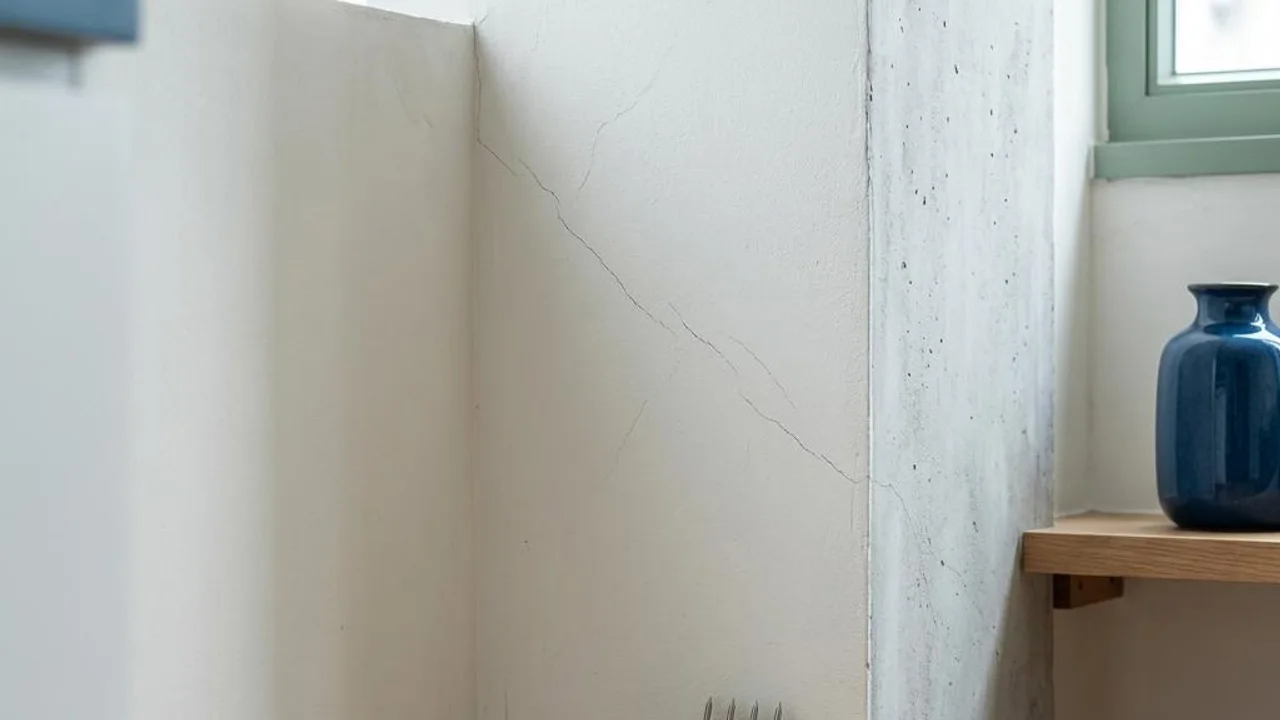
Cracks are another detail that must be examined carefully. Although some micro-cracks are common phenomena due to the drying and shrinkage of the plastering layer, you should be particularly vigilant if cracks penetrate the structure or appear in a diagonal distribution. Owners should detail the location, length, and width of cracks, treat them as important reference indicators for assessing wall conditions, and seek professional judgment.
- Use a Straightedge to Measure Wall Flatness
- Distinguish Between Plastering Layer Shrinkage Cracks and Structural Cracks
- Watch for Uneven Wall Color and Construction Flaws
- Record the Length and Distribution of All Detected Cracks
Signs of Wall Dampness and Monitoring
If water stains, mold, or peeling paint appear on the wall, it indicates that there may be water seepage inside the wall, leading to high moisture content. Mold growth not only damages wall materials but may also release odors, affecting the respiratory health of occupants. During OPO Inspection, you must observe whether walls near bathrooms, kitchens, and external walls show signs of dampness to detect potential seepage hazards early.
Proper ventilation is key to controlling indoor humidity, but if obvious mold is found on the walls during inspection, this usually implies a failure in the waterproof barrier or building components. Owners should request an inspection of the waterproof layer to ensure issues are thoroughly cleared and remedied before moving in, preventing problems from worsening later and causing irreparable damage.
- Check Walls for Water Stains and Blistering
- Assess Potential Health Impacts of Mold Distribution
- Note Dampness at the Base of the Walls
- Confirm Environmental Humidity Control and Waterproofing Integrity
Construction Quality and Wall Detail Review
The finish quality of walls reflects construction standards. Peeling paint, uneven coatings, or wallpaper bubbles are surface issues, but they reflect the delicacy of base construction. During OPO Inspection, you can use bright light to shine on walls to find any unevenness or rough construction, ensuring the walls are in perfect condition upon handover. Good finishing work can extend the life of the walls and reduce maintenance frequency.
Furthermore, the sound insulation performance of walls is equally important for comfortable living. By gently tapping the walls to test their density, you can preliminarily observe if the wall is hollow. During acceptance, asking the developer for information to confirm the sound insulation report is also a way to protect living quality, allowing owners to have a more comprehensive understanding of the property's construction standard.
- Use Bright Light to Inspect Wall Finish Quality
- Tapping Test to Check if Walls are Hollow
- Observe for Flaws at Paint Seams
- Review Developer's Sound Insulation Performance Report
OPO Inspection Report and Repair Processing Flow
If serious issues are discovered, you should follow the appropriate processing flow. Owners should submit a list of all issues along with photos to the management office and request that the contractor arrange repairs within a specified time limit. Properly retaining these OPO Inspection documents and records is key to protecting your property rights and future living comfort. Clear communication and recorded documents can effectively promote the progress of resolving issues.
For complex issues that cannot be handled, owners should seek professional help with a background in structural engineering or surveying for in-depth assessment. These individuals can provide objective professional advice, helping owners judge whether further tests are needed or requiring the builder to perform more in-depth repairs, ensuring the unit meets structural safety requirements.
- Principles for Distinguishing Between Minor Cracks and Structural Risks
- Request the contractor to complete defect rectification within the deadline.
- Keep the property inspection report and photo evidence.
- Consult a professional to assess the impact of the cracks.
FAQs
Upon discovering fine cracks in the wall during property inspection, does this necessarily mean the unit has a structural issue?
Not necessarily. Generally speaking, small plaster cracks are common construction issues and do not directly equate to structural safety problems. However, if the cracks are wider, oblique, or expanding, it is recommended to consult a qualified professional for further inspection and not to take them lightly.
If water stains or mold spots are found on the wall, how should the owner handle it?
Upon discovering water stains or mold spots, one should prioritize taking photos and marking their locations. These phenomena may indicate a faulty waterproofing layer or a risk of water seepage. Owners should submit the records to the management office and request the contractor to trace the root of the seepage to ensure the issue is thoroughly remedied before moving in.
How can one determine if a wall condition is a construction defect rather than normal wear and tear?
Owners can observe the surface conditions, such as whether the coating is even or if there is paint peeling or bubbles. If the wall finish shows irregular peeling or obvious rough workmanship, it usually reflects the quality of the base layer construction. Owners should include these observations in the inspection list and require the contractor to properly repair them before moving in.


