The importance of observing the environment of older buildings
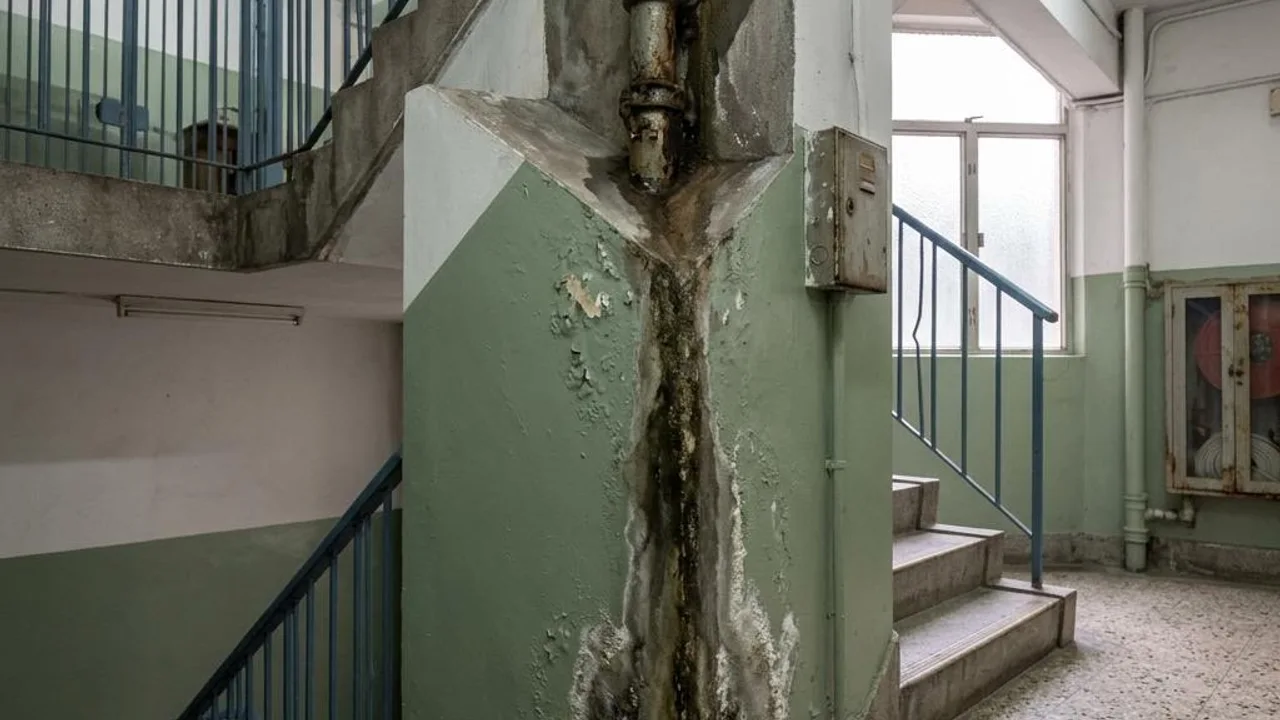
Many property buyers often overlook the environment of the building's common areas when visiting second-hand tenement buildings or older properties because the interior of the unit is relatively neat. However, the common staircase is often a barometer for the management quality of the entire building. If the building's corridors or stairwells have long-standing issues such as mouldy smells, accumulated debris, or dim lighting, this usually reflects poor daily maintenance of the building. These external environmental problems are not merely visual defects, but are hidden hazards that directly affect the comfort of indoor living.
Damp air and mould spores can penetrate a unit through gaps in the main entrance, leading to mould growth on interior walls; in the long run, this may even affect the respiratory health of occupants. Therefore, carefully observing the air quality and cleanliness of communal areas before stepping into a unit is the first step in determining the quality of the living environment. Do not overlook these underlying environmental hazards in pursuit of a lower price, as this may lead to endless living issues after moving in.
- Observe whether there are any unusual odours in the communal stairwell of the building.
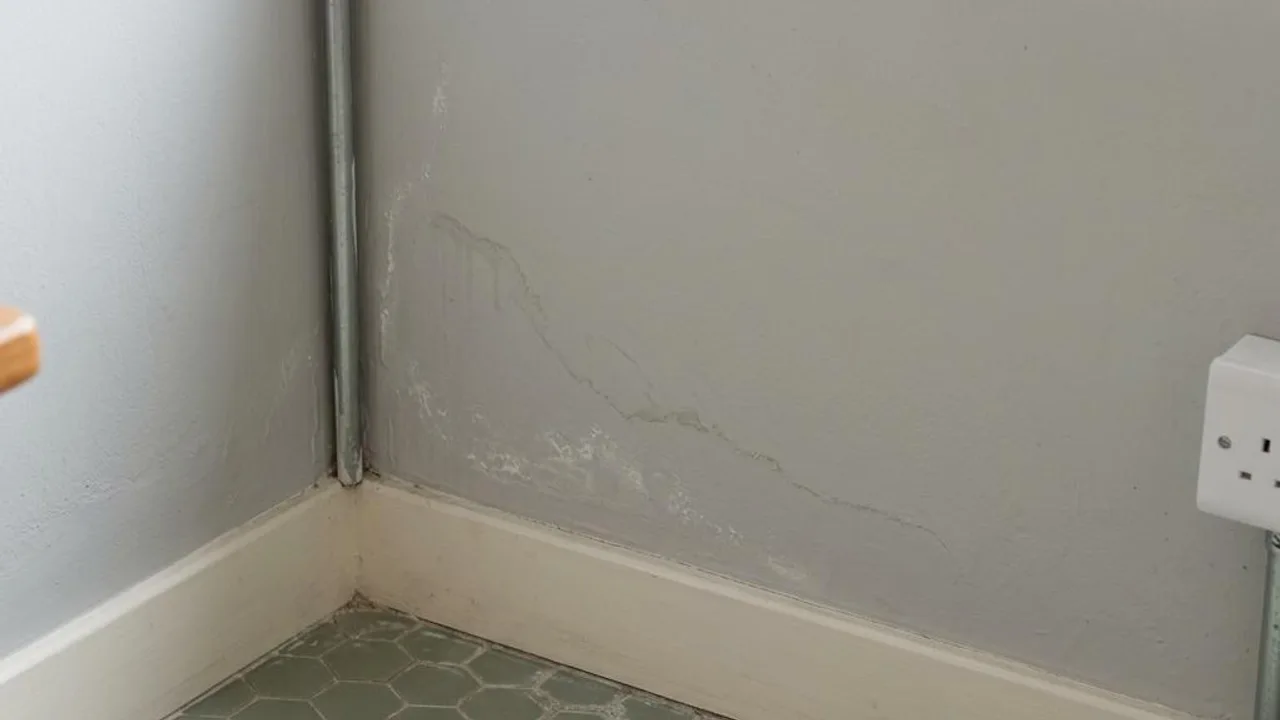
- Pay attention to whether there are signs of water seepage at the wall corners.
- Check whether there is rubbish or debris in the communal space.
- Evaluate the overall standard of building hygiene maintenance.
The mechanism of mould and moisture penetration indoors
Communal stairwells in older buildings often become breeding grounds for moisture and mould due to a lack of regular ventilation facilities and cleaning. This long-term accumulation of a mouldy smell reflects potential underlying issues in the building's waterproofing structure or pipe systems. When the air in the stairwell reaches high humidity levels, moisture penetrates through every opening and leaks into the unit via gaps in the door. Even if an owner buys multiple dehumidifiers, as long as the external environment is not improved, interior damp-proofing will become extremely difficult.
If you smell a strong mouldy odour while viewing a flat, this is a warning signal that must be heeded. This will not only damage wooden furniture in the renovations, but it may also trigger the spread of mould on the walls. To avoid spending large sums of money on decoration and damp-proofing repairs in the future, buyers should remain vigilant during property viewings. For such structural environmental factors, simple interior renovations are usually unable to eradicate the problem; a comprehensive review of building management and external environmental factors is essential.
- A mouldy smell is a red flag for failed waterproofing structures.
- High-humidity air increases the risk of interior mould growth.
- Affects the lifespan of wooden furniture and interior decorations.
- Poses a health risk for individuals with respiratory sensitivities.
Hygiene blind spots and the risk of pest breeding
The accumulation of debris in public corridors not only constitutes a fire hazard but is also the culprit behind pest infestations. Many residents of 'Tong Lau' (tenement buildings) are accustomed to piling old furniture, cardboard boxes, and discarded items in corridor corners; these areas often become nesting grounds for pests such as cockroaches and rats. When you enter the unit, it may appear reasonably tidy on the surface, but as night falls, pests will enter your sanctuary through door gaps or building pipework, causing long-term living disturbances.
When viewing a property, in addition to checking the layout of the unit, one should pay closer attention to whether there is long-term accumulation of debris in corridor corners. This objectively reflects the quality of the residents and the rigour of the building's management. In a poorly managed building, even if a unit is decorated beautifully, future hygiene disputes will keep you busy. Therefore, observing external hygiene hotspots is a key indicator for assessing the quality of life of a unit.
- Observe whether large debris is piled up in the corridor.
- Check for signs of pest activity.
- Note whether there is a risk of entry for pests at door gaps.
- Confirm whether the building has regular cleaning services.
Old public facilities and electrical safety
Communal facilities in older buildings often age as the building's age increases. Dim lighting in corridors not only makes people feel uneasy when walking, but also hides the risk of tripping and injury. More seriously, many old-style electrical distribution boards or exposed electrical wires may suffer from insulation ageing or overloading due to long-term use and a lack of professional maintenance. In heavy rain or humid seasons, this significantly increases the potential crisis of short circuits or even fire.
When buying property, one should not only focus on the interior aesthetics of the unit but also consider the building's electricity supply infrastructure and fire safety equipment. Observing whether corridor wiring is messy and whether lighting is sufficient can provide you with psychological preparation regarding the building's maintenance budget. For any electrical appliance modifications that do not use sockets, you must hire a registered electrical contractor to ensure that electrical safety complies with legal requirements.
- Evaluate whether corridor lighting is sufficient.
- Check whether communal wiring shows signs of ageing.
- Identify potential fire and electrical hazards.
- Confirm whether the building's electrical facilities have been updated.
The gap between impressions during a viewing and reality
When viewing properties, buyers often have a temporary illusion that there are no problems if the interior of the unit is nice. Opening windows during the day might make the place feel airy, with no visible mould marks; the corridor might have just been cleaned, making the hygiene seem acceptable. However, real hazards are usually only exposed under specific weather conditions—such as continuous heavy rain or the 'Return of the South' (very humid) season. At these times, the dampness and mouldy air from the surrounding environment will quickly seep into the unit, and pests bred from debris will appear more frequently.
To avoid this cognitive bias, it is recommended that buyers remain objective during viewings. For complex hazards involving the building's entire structure, fire safety, and public corridors, it is recommended to rely on professionals for objective analysis. Your personal improvement scope should be limited to the interior of the unit, such as installing sealing strips or insect-proof brushes at the bottom of the door. Any intervention involving communal structures should be avoided to prevent unnecessary disputes or violations of fire safety regulations.
- Pay attention to the impact of weather changes on the unit.
- Objectively evaluate the standard of building management.
- Handle safety concerns involving communal structures with caution.
- Distinguish between feasible improvement solutions.
The importance of professional assessment
When you are fond of a 'Tong Lau' or older unit but are worried about the building's environmental hazards, a professional inspection and assessment can become your strongest support. Professionals will not only focus on the interior of the unit but will also comprehensively assess its water seepage risks, electrical circuit load, and hygiene hazards. Through precise testing instruments, they can uncover hidden problems behind walls, allowing you to make informed property investment decisions.
- Professional inspection of water seepage and damp risks in older buildings.
- Assessment targeted at electrical circuit load and wiring ageing.
- Assisting buyers in troubleshooting interior environmental hazards.
FAQs
The public stairwell of the 'Tong Lau' has a serious mouldy smell and dampness; will this directly affect the inside of my unit?
Yes. The high humidity and mould spores in the stairwell will seep into the interior through gaps in doors and windows. This not only causes the unit to carry a persistent mouldy odour but also leads to dampness and mould on walls or wooden furniture, affecting the respiratory health of occupants in the long term. Therefore, observing the stairwell environment is crucial for assessing indoor air quality.
When viewing older buildings, how can one preliminarily judge whether the building management and hygiene conditions are good?
You can observe whether there is a large accumulation of mail in the lobby mailboxes, whether there is randomly piled debris or old furniture in the stairwells, whether corridor lighting is sufficient, and whether there are traces of long-term water seepage or insects in wall corners. These details are important indicators that reflect the actual management level of the building and the quality of its residents, which will have a far-reaching impact on your future living experience.
If the external environment of a 'Tong Lau' is poor, what methods can be used to strengthen defences inside the unit?
It is recommended to install high-density door-bottom insect-proof brushes and weather-stripping at the main entrance of the unit; this can effectively block odours and pests from the public corridor. At the same time, using high-performance dehumidifiers and air purifiers in the unit long-term to keep the interior dry and the air fresh can minimise the adverse effects of the external environment.