Why waterproofing inspection is the core of property inspection
The waterproofing system is the building's barrier, serving to prevent moisture from eroding the structural body and interior finishes. If there are defects in the waterproof layer, moisture will seep into walls or floor slabs, leading to peeling paint, rusted steel reinforcement, and mold growth, posing a threat to the living environment and structural safety.
Performing waterproofing screening during the property inspection process allows for the early discovery of issues left behind by construction. Professional inspection includes not only visual observation but also systematic testing of high-risk areas, reducing repair expenses and neighbor disputes resulting from seepage after the owner moves in.
- Ensure long-lasting structural stability
- Avoid repair costs for damaged renovations
- Prevent mold from affecting health
- Reduce the risk of property seepage
Key points for external wall waterproofing inspection
External walls are directly exposed to wind and rain and are the first line of defense against moisture intrusion. Property inspectors will focus on checking whether there are fine cracks in the external wall coating, if the sealant at window frame joints is aged, and if there are signs of hollow or peeling tiles on the external wall; these are all common hazards that lead to water seepage.
For high-rise external walls, professional teams will perform strict observations to assess the waterproof performance of finishing materials. If suspicious water seepage marks are found, the site environment will determine whether to conduct a simulated rainfall water pressure test to confirm if the waterproof layer has reached the expected level of protection.
- Check the integrity of the sealant around window frames
- Screen for fine cracks in external wall coatings and tiles
- Note whether the window sill sloped design is reasonable
- Observe whether the finish has signs of dampness and discoloration
Roof and podium waterproofing inspection
Roofs are long-term exposed to sun and rain, making waterproofing materials prone to accelerated aging; this is a high-risk area for leaks. Property inspectors will check if the waterproof layer has any obvious damage and ensure that drainage gutters are clear to prevent water from accumulating on top and causing seepage risks.
For roofs equipped with drainage outlets, it is mandatory to check if the drainage system is effective to ensure accumulated water can be drained away in time. If the drainage design is poor, even if the waterproofing material is intact, long-term water accumulation will accelerate material decomposition, eventually leading to damage to the ceiling indoors.
- Assess the degree of aging and wear of the waterproof layer
- Confirm that drainage outlets are functioning smoothly
- Check whether there is a risk of water accumulation on the rooftop floor
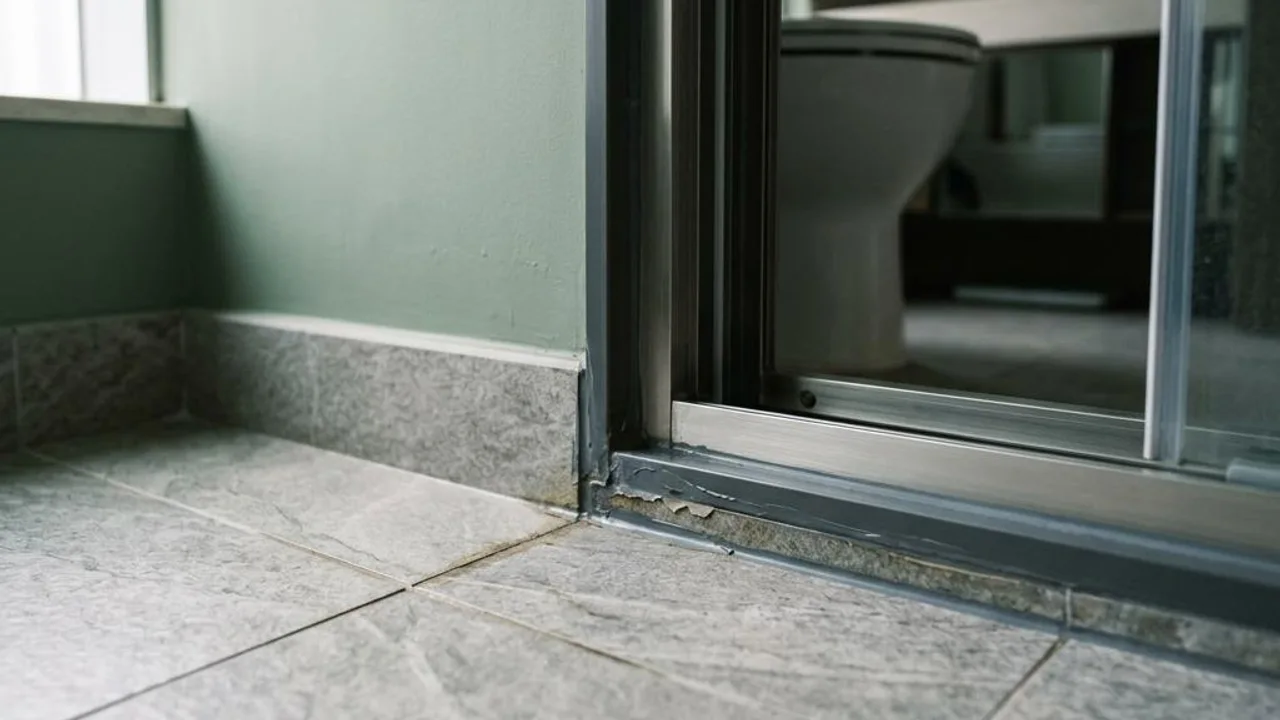
- Check the condition of the waterproof frame at the rooftop threshold
Basement and foundation waterproofing screening
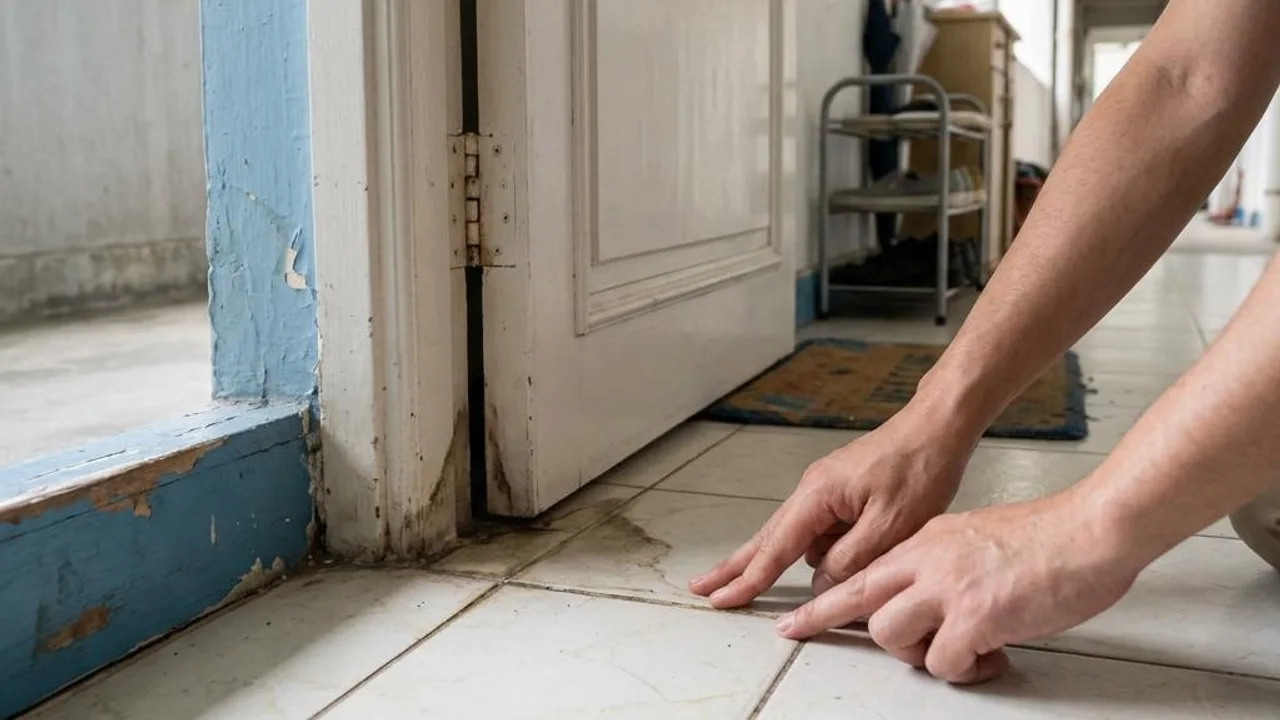
Basement environments are complex; if they lack proper waterproofing treatment, underground moisture or accumulated water can very easily seep into the base of the building. The focus of the inspection is on the joints between the basement walls and the floor; professionals will keep a close eye for water stains, damp patches, or a musty smell.
The operation of the basement drainage system is equally critical. Even if no obvious leakage is visible, if the air humidity is abnormally high or salt-alkali phenomena appear at the wall base, these are often early warning signs of declining foundation waterproofing effectiveness, which requires early risk assessment.
- Look for water stains at the joints between walls and the floor
- Monitor for the presence of damp smells on walls
- Observe signs of mold growth
- Check the operation of the bottom drainage pump
How to seek professional property inspection support
Waterproofing systems involve precise engineering standards. Professional property inspectors possess knowledge of building construction and specialized equipment, and they can provide comprehensive and objective inspection opinions. The focus of the inspection is to perform analysis based on current building codes, helping owners clarify where the problem lies rather than relying on subjective guessing.
When owners find suspected signs of seepage in a unit, they should avoid digging or patching it themselves; it is recommended to entrust professionals to perform non-destructive testing. Owners can request that the property inspector explain the risk assessment results in detail and obtain relevant on-site photo records to facilitate communication and discussion of follow-up plans with the management office or the renovation contractor.
- Combine professional equipment for testing
- Analyze potential risks and solutions
- Inspect according to current building standards
FAQs
What should an owner do if they find slight water stains on the wall during property inspection?
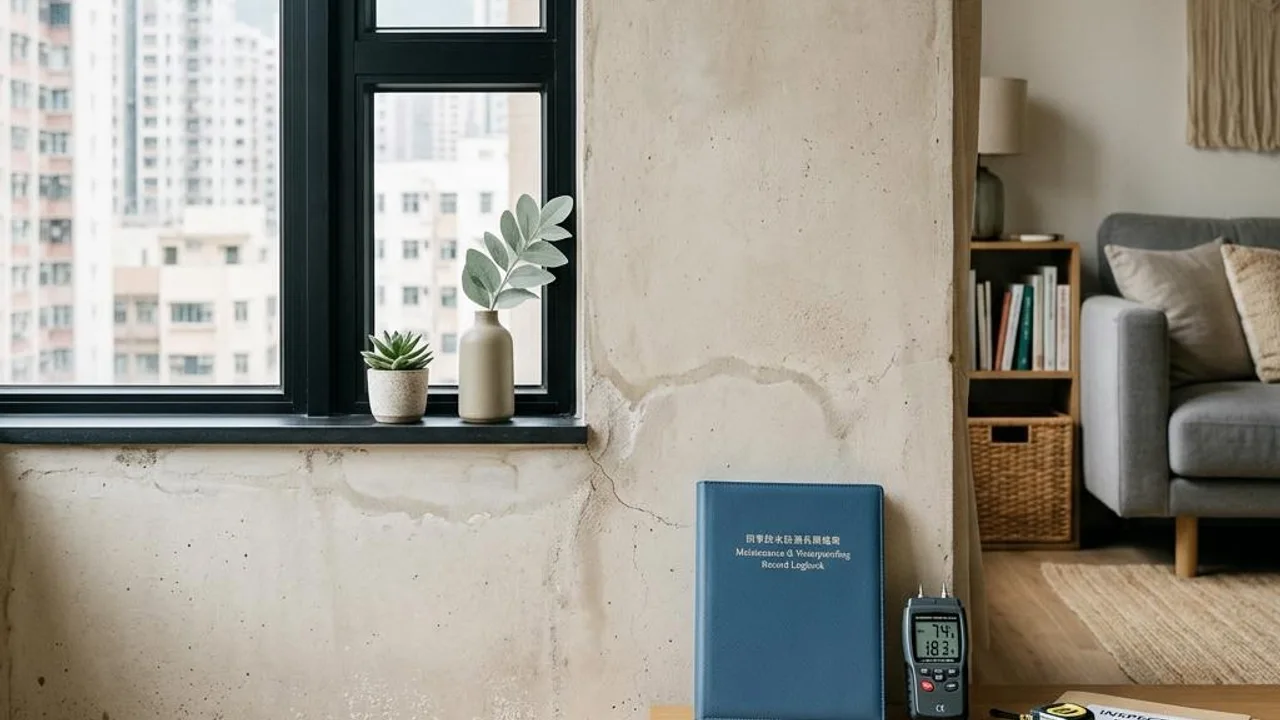
Owners should record the affected locations and take photographs as evidence, avoiding applying paint to cover it up themselves. They should contact a property inspection professional to use infrared scanning or moisture meters to detect and clarify the source of the moisture and the depth of penetration, then reflect this to the developer or responsible party based on the investigation results.
Why can't you rely solely on visual inspection for waterproofing?
Waterproof layers are often covered by finishing materials, and the naked eye cannot detect seepage inside the structure. Professionals will use dedicated instruments to test the moisture content and temperature difference changes of materials, thereby assessing whether the structure has hidden seepage hazards.
Will performing a waterproofing test affect the original facilities inside the unit?
Regular professional testing typically adopts non-destructive methods. During the inspection process, no electric drills or dismantling of the structure will be used, nor will extreme experiments that lead to unit flooding be performed, ensuring the inspection process is safe and will not cause damage to the original renovations and facilities.