Preliminary inspection of aluminium window sealing and waterproof performance
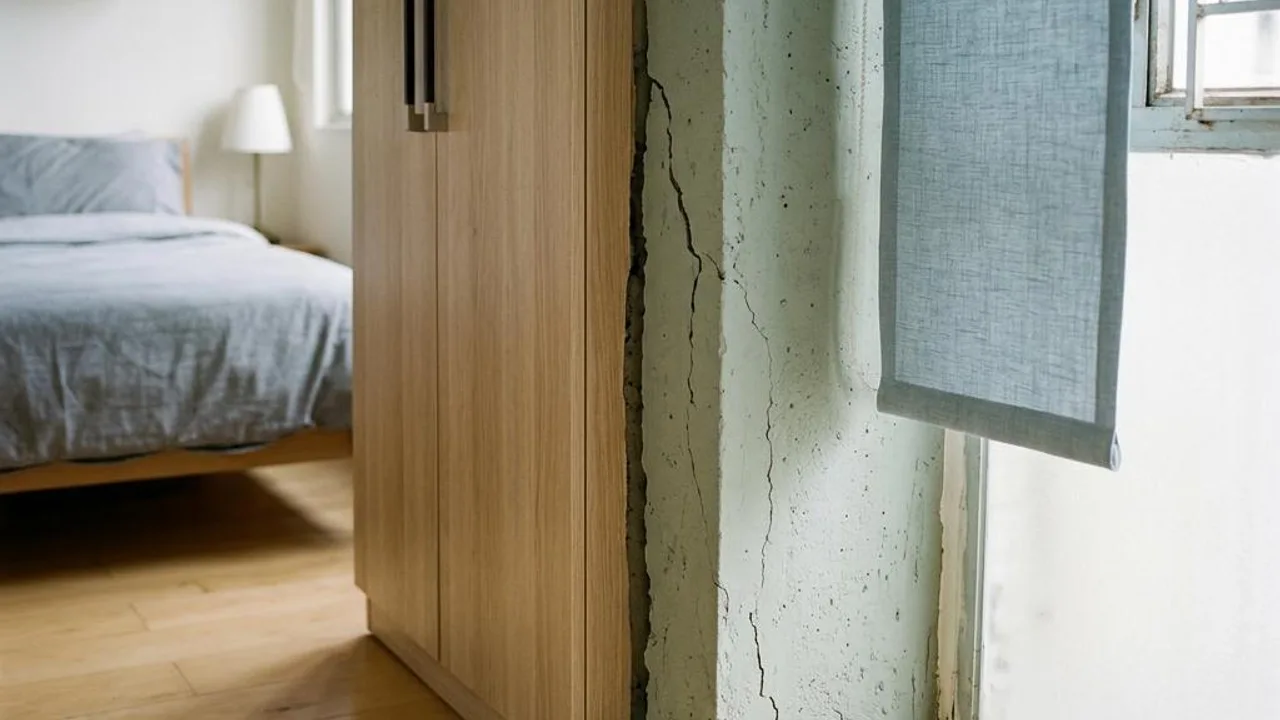
The sealing performance of aluminium windows is key to defending against exterior wall rainwater, especially during typhoon season. The priority for acceptance is to observe the density of the silicone sealant around the window frame to check for any signs of cracking, voids, or separation from the window frame. At the same time, inspect the joint between the windowsill stone and the exterior wall; these areas often become channels for rainwater infiltration due to gaps left during renovation.
Owners can coordinate a water spray test according to the weather, aiming the spray at the aluminium window frames for a continuous duration of no less than 30 minutes, then observe whether the interior windowsill and the wall below have become damp or discoloured. This basic visual observation can effectively identify obvious sealing failures, reminding owners that they should contact professionals to check the integrity of the window frame structure and waterproof sealant strips when problems are discovered.
- Check the density and integrity of the silicone sealant around the window frame.
- Observe whether there are micro-cracks at the junction of the windowsill and the exterior wall.
- Conduct a water spray test for at least 30 minutes to simulate rainfall.
- Check if the wall below the windowsill is discoloured or damp after the test.
Flow and leakage inspection of home water supply and drainage systems
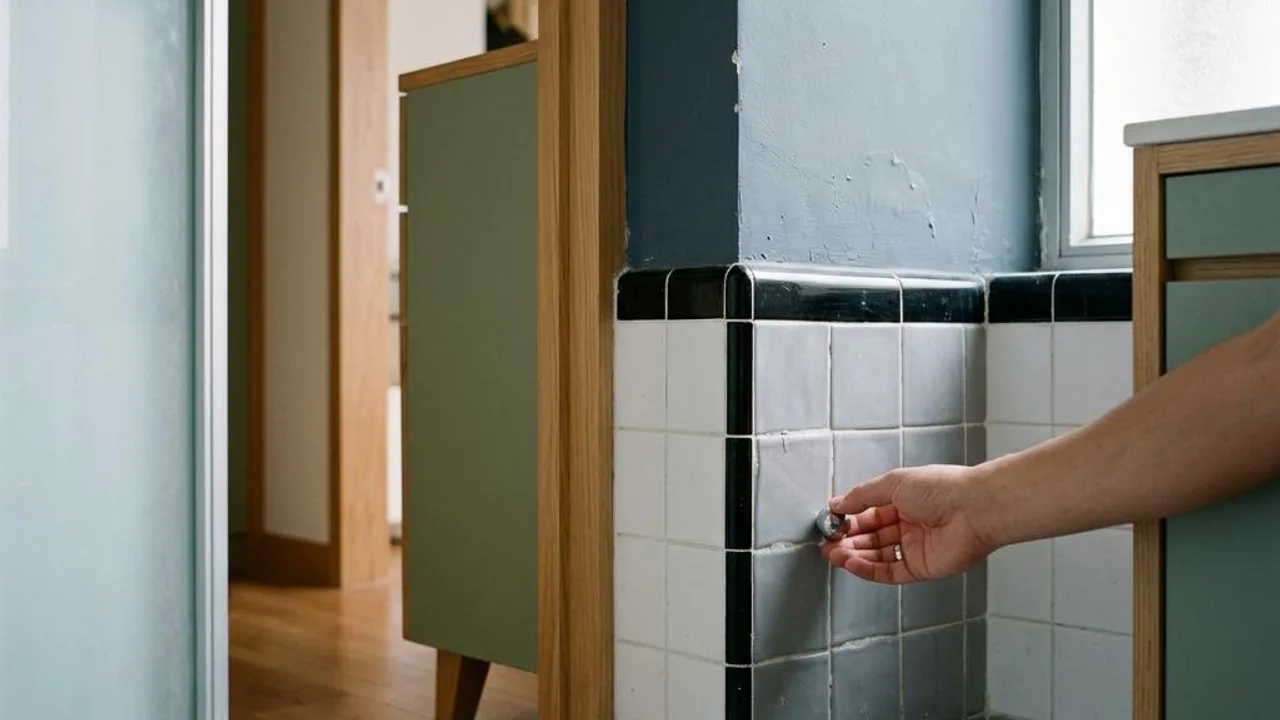
Kitchens and bathrooms are areas with the highest water consumption in the home; if hidden leaks exist in the drainage system, they will cause long-term damage to the floor structure and the unit below. Acceptance should first test the flow rate: fill the washbasin and sink with water and drain them at once to observe whether the water flow is smooth. If slow clogging occurs, professional help is needed to further investigate whether there is an error in the drainage slope design or a pipe blockage.
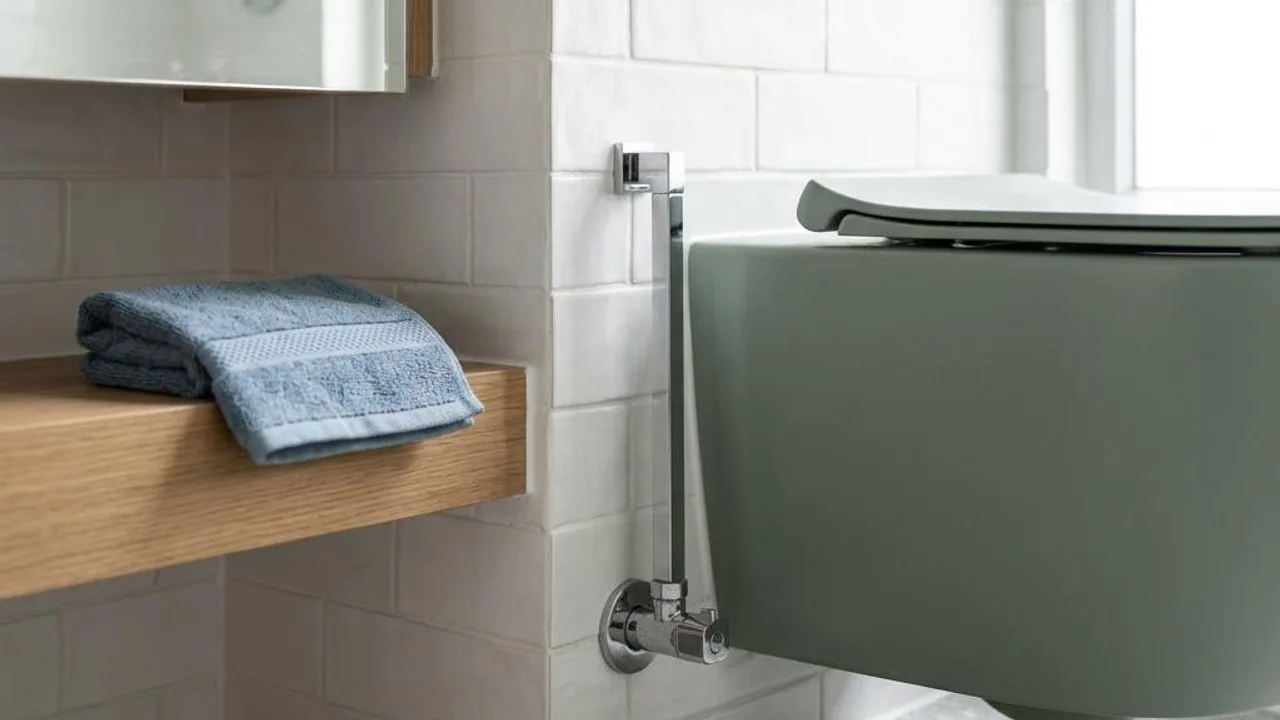
When performing large-scale water release tests, use a high-powered torch to carefully inspect all drainage pipe connection points that are exposed or under cabinets. Observe whether there are water droplets leaking or signs of seepage at the connections. At the same time, check the sealing at the junction of the drainage outlet and the floor to ensure that the floor slope can guide accumulated water to the drain, avoiding moisture build-up in tile gaps which could cause damage to the waterproof layer.
- Test the drainage flow rate to ensure there are no blockages in the pipes.
- Check all pipe connection points for overflowing water droplets during drainage.
- Confirm that the floor slope is sufficient to guide water towards the drain.
- Check the jointing technique at the intersection of the drainage outlet and the floor.
Water-retention test procedure for bathroom shower enclosure waterproofing layers
The waterproof layer of a bathroom shower enclosure is a concealed work, and a water-retention test is a necessary step in post-renovation acceptance. This test cannot guarantee the actual thickness or long-term performance of the waterproof layer. Before the test, ensure the drain is completely sealed. It is recommended to inject about 3 cm of clean water into the shower area and mark the water level on the wall as a reference for observing changes in water level. If abnormal leakage is found, consult a professional for inspection; it is not recommended for owners to dismantle renovation parts themselves or attempt complex repair work.
Long-term standing tests are crucial for discovering micro-leaks; it is recommended to maintain the water storage test for 24 to 48 hours. During this period, the bathroom must not be used and the area should be locked off. After the test is complete, in addition to comparing whether the water level has dropped significantly, one should also check the walls of the adjacent room or the exterior wall for signs of moisture. If abnormalities are discovered, have qualified personnel examine the application of the waterproof material.
- Use sandbags to seal the drain to ensure tightness.
- Inject water to the specified height and record the water level mark.
- Carry out a long-term standing observation for 24 to 48 hours.
- Check the adjacent wall for any signs of water stains or leakage.
Application of professional instruments and professional consultation procedures
When an owner discovers a suspected leak but finds it difficult to pinpoint the source, they should consult a professional to assist in the assessment using precision instruments. Infrared thermal cameras can detect moisture conditions inside walls, identifying potential leak sources through temperature differences; microwave moisture meters can assess the humidity of concealed pipes or walls, providing reference information for repair plans.
When arranging for a professional to perform an inspection, the owner should clearly state the scope of the impact. If it involves high-risk or high-altitude operations, such as exterior aluminium window inspection or complex structural waterproofing work, it must be handled by relevant qualified personnel. Opinions after a professional inspection can serve as a reference for repair suggestions; do not force dangerous operations or rely excessively on non-professional judgments.
- Use an infrared thermal camera to detect moisture inside the wall.
- Use a microwave moisture meter to assess the condition of concealed pipes.
- It is recommended that qualified personnel carry out the professional acceptance procedures.
- The high-pressure water jet test requires a separate application and fee.
Electrical system safety maintenance and leak-proofing coordination
In terms of home safety, besides waterproofing, the electrical system is equally important, especially in damp kitchen and bathroom environments. All fixed-installed electrical appliances, such as water heaters or recessed ceiling lights, must be installed by a registered electrical contractor. During acceptance, owners should proactively request the WR1 certificate issued by a registered electrician, which is an important document confirming that the electrical installation meets safety standards.
In daily use, electrical equipment should be kept away from water sources. Never use power strips in the bathroom and regularly inspect wires for charred marks indicative of overheating or deformation. If you notice unexplained water seepage in the home involving electrical circuit risks, immediately cut off the power and seek follow-up from professionals. Maintaining home safety is not just a responsibility during acceptance, but requires the habit of regular checks and cautious equipment use.
- Fixed electrical appliance installation must be performed by a registered electrical contractor.
- Be sure to request the WR1 certificate after the electrical work is completed.
- Avoid using power strips or touching electrical appliances in damp environments.
- Do not attempt structural or high-risk electrical work yourself.
FAQs
If the water level drops slightly during the water-retention test, does this mean the waterproof layer has failed?
A water level drop can be caused by evaporation, measurement error, or a breach in the waterproof layer. If the drop is significant or if moisture stains appear on adjacent walls, have a professional inspect the leak source; do not judge for yourself or worry excessively.
Can owners assess the risk of leakage in aluminium windows themselves without professional tools?
Owners can perform a preliminary observation by visually checking for damage to the silicone sealant and performing a water spray test. If abnormalities are found, record the specific location and contact qualified personnel; it is not recommended to perform high-altitude window maintenance or disassembly work yourself.
Why might slow drainage speed in a kitchen sink be related to water seepage?
Slow drainage may indicate internal pipe blockage or improper pipe connection. If water accumulates frequently and cannot be drained effectively, long-term water pressure or seepage may damage floor cabinets and the waterproofing layer. It is recommended to hire a professional to check that pipe connections are secure.