
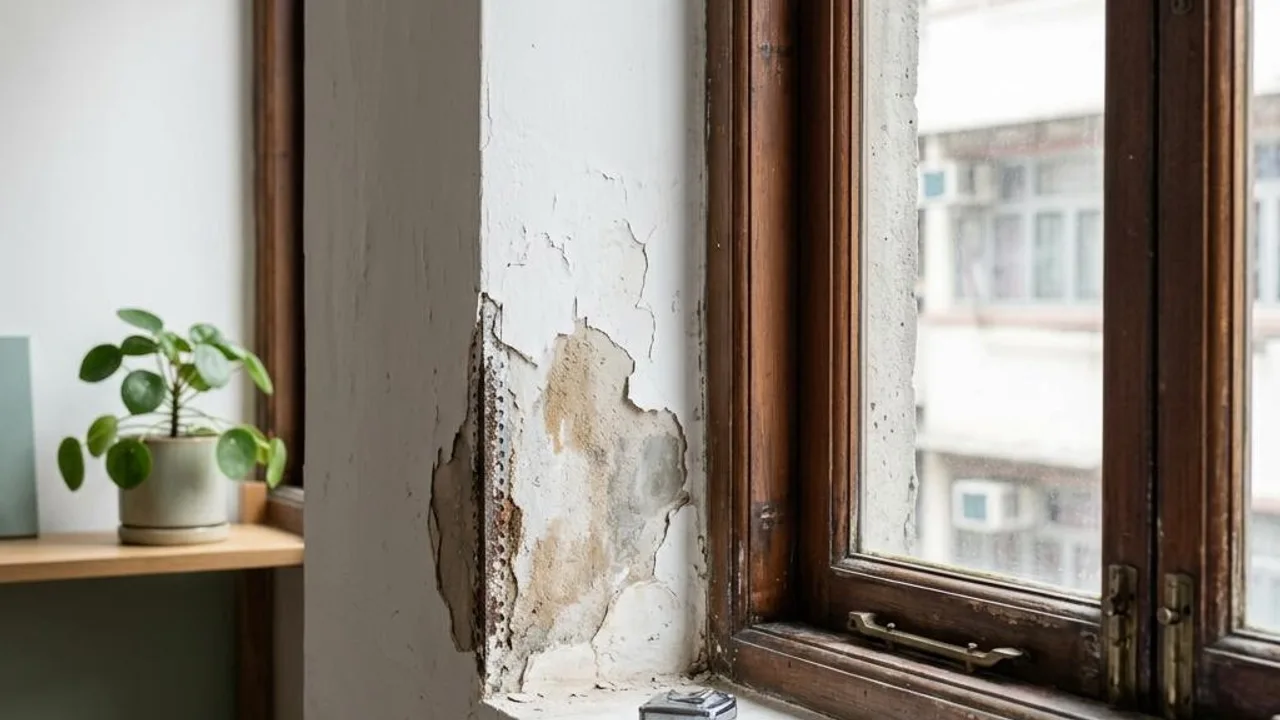
The core significance and protection of property inspections.
Purchasing a second-hand property often involves a large amount of capital; conducting an inspection before completion is a key step in protecting the owner's interests. Through a systematic inspection, buyers can grasp the true structural condition and safety of the property, identify potential defects or parts requiring immediate repair, and thereby avoid cost overruns due to issues discovered after taking possession.
Such inspections can also prevent subsequent legal disputes with the seller caused by building structure or facility issues. If major defects are discovered before completion, buyers have more grounds to negotiate repair arrangements or adjust the terms of the transaction with the seller, reducing potential holding risks and providing important reference data for future asset allocation.
- Clarify the actual extent of damage to the property.
- Estimate potential renovation and repair costs.
- Avoid legal and dispute costs after completion.
- Safeguard basic residential safety.
Preparation and observation strategies before inspection.
Inspection work requires systematic arrangement; it is recommended to start with a checklist covering the entire house's structure and equipment, including interior walls, floors, windows, electrical systems, and plumbing. Owners should pay special attention to whether there are water seepage traces or cracks on walls, and whether electrical outlets show signs of scorching or overheating.
Preparing basic auxiliary tools can improve inspection efficiency, such as using a torch to check for seepage in dark corners, using a tape measure to gauge spaces, and taking photos for later reference. Please note that these initial observations are visual inspections only and cannot directly determine whether the structure complies with statutory safety standards; if in doubt, be sure to seek professional advice.
- Create an inspection checklist covering water, electricity, walls, floors, and windows.
- Prepare a torch to check dark corners and signs of leakage.
- Check electrical outlets for scorching, deformation, or unusual odours.
- Take photos to record all discovered issues for follow-up.
- It is strictly forbidden to test power circuits or high-pressure water jet tests yourself.
The detection value of professional property inspections.
Professional property inspection services do not just provide reports; they identify hidden defects that are difficult for the owner's naked eye to detect. Professionals use industry knowledge combined with actual market conditions to conduct objective assessments, assisting buyers in understanding the property's actual repair needs.
Through professional inspection, owners can obtain a systematic record. This report is not just a summary of the current status, but the foundation for assessing the priority of subsequent renovations. This professional perspective balances individual preferences for the property, making decisions more data-driven and based on actual conditions.
- Provide an objective and detailed property inspection report.
- Identify hidden defects that are difficult for owners to detect.
- Combine industry knowledge and market conditions for assessment.
- Assist buyers in understanding the actual repair needs of the unit.
Key inspection processes and scope of maintenance.
The inspection process usually includes three major parts: structure, facilities, and environment. The structural inspection focuses on foundations and load-bearing beams and columns, confirming whether there are abnormal cracks affecting safety. Facility inspection involves electrical safety and water supply and drainage systems, ensuring that equipment operates normally without risks of short-circuits or leakage.
Environmental inspection covers ventilation conditions and mould indicators, which directly affect indoor air quality and the daily living experience. The inspection of these three aspects complements each other to build an overall safety assessment of the unit, which is crucial for smooth daily operations after moving in.
- Structural inspection: stability of beams, columns, and walls.
- Facility inspection: efficiency of electrical and drainage systems.
- Window inspection: switch operation and daily wear and tear.
- Environmental inspection: indoor mould indicators and ventilation conditions.
The practical application of inspection reports.
After completing the initial inspection, the information obtained should be used to negotiate with the seller, which is the key to ensuring consensus. Owners should organize and categorize the recorded issues, distinguishing between urgent repairs and aesthetic renovations; this not only makes communication more efficient but also reduces unnecessary misunderstandings.
If the report indicates hazards affecting safety, it is recommended to commission a registered professional contractor to conduct a deeper inspection or assessment. A professional inspection report is not the endpoint, but a tool to help buyers make rational judgments before completion, ensuring every owner has a clear understanding of the property's status upon taking possession.
- Categorize problems by urgency.
- Report findings truthfully and negotiate repair responsibilities with the seller.
- Commission a professional registered contractor for safety concerns.
- Plan future renovation budgets based on the report content.
FAQs
If there are signs of water leakage in the building, can the inspector determine the source?
Inspectors can assist in observing and recording obvious water leakage traces, but this cannot serve as a medical diagnosis or professional structural engineering diagnosis. If water leakage is discovered, it is recommended to hire a registered contractor or professional engineering consultant to conduct a thorough investigation.
How should electrical problems discovered during the inspection be handled?
If visual observation reveals scorching, deformation, or unusual odours at electrical outlets, owners should not disassemble them for inspection themselves. Please ensure a registered electrical worker is commissioned for professional inspection and repair to ensure the electrical system operates safely.
Can professional property inspection guarantee that the building structure is absolutely safe?
Inspection services are limited to visual and non-destructive inspection, and cannot certify that the building structure complies with statutory safety standards, electrical or gas safety, the condition of hidden pipes, or the thickness of waterproofing layers. If structural cracks are found or there are concerns, a registered structural engineer should be commissioned for a professional assessment. This service does not guarantee the remaining lifespan of the building, nor does it include statutory mandatory window inspection procedures; if relevant notices are involved, please employ a qualified person registered with the Buildings Department to handle them.


