
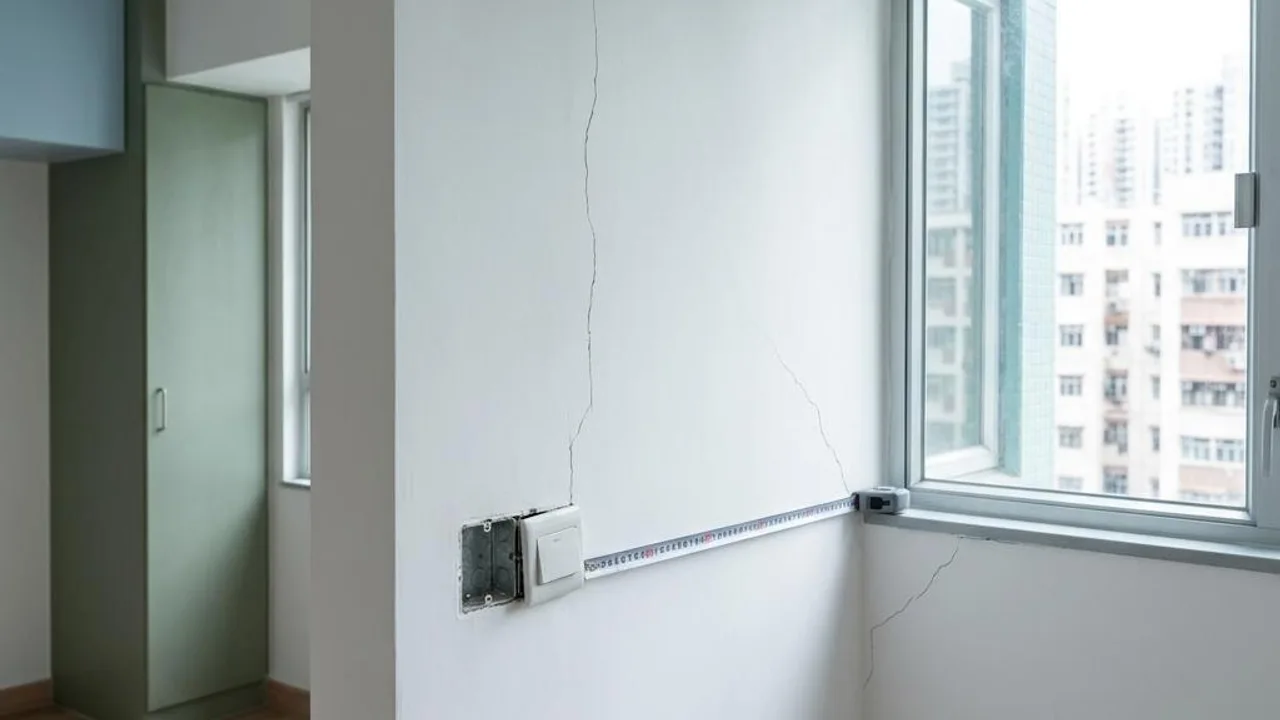
Basic process and importance of HOS property inspection
Property inspection is the most important part of the handover stage for homeowners, aimed at confirming property conditions before renovation and identifying engineering defects left by the developer in a timely manner. Through meticulous inspection, homeowners can effectively document window sealing, wall hollows, and suspected water seepage, thereby requiring relevant parties to carry out repairs and protect their own interests.
The property inspection process is not limited to visual observation but requires systematic recording of discovered issues. For HOS homeowners, a structural checklist can help organize points of dispute, avoid unnecessary subsequent maintenance expenses due to negligence, and ensure a safe and comfortable living environment after moving in.
- Prepare the property sale and purchase agreement and floor plans
- It is recommended to carry out the inspection during the day when there is sufficient light
- Record all discovered defects and take comparison photos
- Engage a professional property inspector to ensure the accuracy of the inspection
Inspection of wall, floor, and ceiling structures
Walls and floors are the core structure of an HOS unit; the focus of the inspection is on whether the finishes are flat and whether there are any hollow phenomena. Using a hollow hammer to tap the walls lightly can identify whether the finish is adhered to the structural wall; if a crisp echo is produced, there may be a hollow, which needs to be included in the repair list to prevent future flaking of the finish.
Special attention should be paid to the ceiling and window sill positions for signs of water seepage, such as paint discolouration, bubbling, or signs of mould. These phenomena are often related to poor window frame sealing or failure of the waterproofing layer above; be sure to clearly record them during handover and, if necessary, request the contractor to perform a water spray test to verify sealing performance.
- Check walls for hollows and cracks
- Observe if there are signs of water seepage at the window sill position
- Test whether the flooring is level and without obvious height differences
- Check the ceiling for any unexplained water stains or mould
Safety guidelines for electrical system installations
Electrical safety is directly related to home life and property. During property inspection, confirm whether all switches and sockets are working properly. During the inspection process, pay attention to whether sockets are loose, have deformed housings, or show signs of charring, and simultaneously confirm that the electrical supply is stable to avoid the risk of short circuits during future use.
In addition to sockets, lighting equipment and reserved positions for high-power appliances must also be tested to confirm that switches operate smoothly without abnormal noise. If any work involving electrical changes is involved, please ensure you hire a Registered Electrical Contractor to carry it out and keep the Work Completion Certificate (WR1) to ensure all electrical work meets legal requirements.
- Confirm that all socket switches are not loose and have no strange odours
- Test whether lighting equipment can be switched on and off normally without flickering
- Check the operating status of the residual current circuit breaker in the electrical box
- Confirm that the dedicated air conditioner socket position is undamaged
Water supply system and drainage function tests
The focus of the water supply test is whether the water pressure of the taps is sufficient and whether the tap switches are smooth. When testing, observe whether there are any drips at the connection points. For shower rooms and kitchen sinks, be sure to perform multiple water flow tests to observe whether the drainage speed is smooth and note whether there are any odours escaping during the drainage process.
The connection point of the drainage pipe is also a key point. If water stains are found near the wall or floor, carefully observe whether it is caused by a poor connection at the drainage outlet. If the homeowner finds any continuous dripping during the observation process, they should report it to the developer in a timely manner and have it further assessed by a professional.
- Check tap water pressure and cold/hot water operation
- Test kitchen and bathroom drainage speed
- Observe whether there is water seepage at the drainage pipe connections
- Confirm that toilet flushing and anti-overflow functions are normal
Renovation and interior environment acceptance
Interior renovations such as door and window openings, and cabinet assembly must also be carefully checked. Doors and windows should have good sound insulation and sealing performance; check whether hardware parts are rusted or restricted in operation, and ensure they open easily and can adhere tightly to the door frame. For cabinets, test whether drawer operation is smooth and whether hinges have rust or looseness.
When accepting renovation details, pay attention to whether the paint finish has uneven application, omissions, or obvious scratches. For floor tile seams, if you find chipped edges or missing grout, they should all be recorded. Maintain good indoor ventilation, observe whether the lighting in each area reaches the expected level, and confirm there is no severe external noise interference.
- Check window operation and hardware performance
- Test the smoothness of kitchen cabinet drawers
- Check whether the paint finish coating is uniform and complete
- Confirm that door lock operation is correct
FAQs
If suspected wall hollows are found during the property inspection, what should the homeowner do?
Homeowners should use a hollow hammer to check and mark the positions; it is recommended to take high-definition photos as a record at the same time. Subsequently, submit these positions along with the checklist to the developer for follow-up, and request that the repair assessment be carried out by personnel with qualified certification.
If I suspect water seepage on the window sill during the property inspection, can I test it myself?
Please do not perform any destructive tests that will result in water accumulation indoors. Homeowners should detail the records of colour difference, mould, or moisture signs at the window sill position and submit this information to the contractor or property management office, requesting that they arrange for professionals to conduct a formal sealing performance test.
If I find that the electrical box is operating abnormally or a socket is loose, can I dismantle it and check it myself?
Absolutely not. Any dismantling or testing of an electrical system must be handled by a Registered Electrical Worker. If abnormalities are found, stop using the socket or circuit immediately and request the developer to carry out a professional inspection, while also confirming that the electrical installation meets WR1 safety requirements.


