
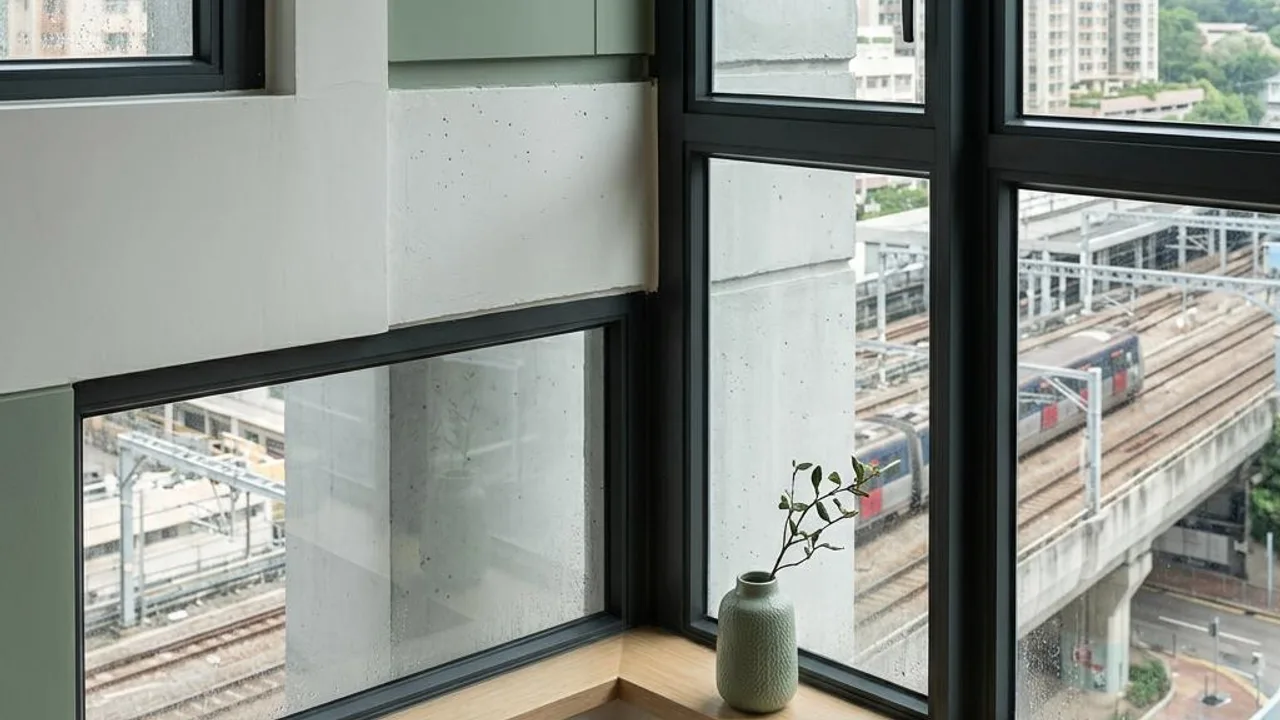
Residential characteristics of railway properties
Railway properties are built on top of railway facilities and are usually located at the core of urban transport. Their living facilities are extremely comprehensive, making them highly sought after by property buyers. However, the building structure of this type of property is relatively complex, and because they are adjacent to railway tracks, sound insulation and vibration control have become the core challenges in the property inspection process.
When taking over the property, owners should have a clear assessment of the property's structural condition and the impact of the surrounding environment. Although this type of property is convenient for transport, one must also consider the long-term effects of building vibration. A professional property inspector will help check window seals and wall anti-vibration measures to reduce the disturbance of railway operation noise to daily life.
- Transport convenience brought by a superior geographical location
- Complex architectural structures require focused inspection.
- Sound insulation performance is key to a property's quality of living.
In-depth understanding of railway property building structures
Properties built above railway lines differ from standard ground-level properties; their foundations must integrate with the railway structure or the podium deck above stations, resulting in high seismic design requirements. During a property inspection, owners should look for micro-cracks on walls or finishings peeling off due to long-term mechanical vibrations.
While owners cannot conduct structural assessments themselves, a careful inspection of the joints between ceilings and floors can provide an initial indication of whether the building's finishing work meets standards. Additionally, compare the developer's provided as-built floor plans with the actual layout to ensure spatial configurations meet statutory requirements and that there is no risk of unauthorised alterations.
- Check for micro-cracks on walls caused by vibrations.
- Check the condition of the joints between floor finishes and partition walls.
- Compare against architectural plans to confirm spatial configurations meet specifications.
Noise insulation and living comfort testing
Due to the high frequency and noise of railway operations, windows serve as the first line of defence for sound insulation, making their seal critical. OPO Inspection inspectors will focus on testing for gaps at the connection between window frames and walls, and checking if soundproofing strips on double-glazed windows are aged or improperly installed, ensuring the interior can effectively block external noise.
During on-site assessments, it is recommended to conduct tests during busy railway traffic hours to observe interior noise levels. If sound insulation is found to be unsatisfactory, in addition to reporting the issue, owners may consider installing high-quality soundproof curtains or adjusting interior layout after moving in to improve living quality.
- Focus on checking if window frame seal strips are tightly installed.
- Assess interior noise control performance during peak hours.
- Check that window locks and handles operate smoothly.
Ancillary facilities and fire system acceptance
Properties above railway lines usually include large shopping malls and public spaces; the quality of these amenities directly impacts the residents' standard of living. In public areas, OPO Inspection inspectors will note whether emergency exits are unobstructed and if fire safety equipment (such as smoke sensors and fire hose reels) is properly configured and in good condition.
For the interior of the unit, checking water and electrical configurations is equally important. Since such properties are usually part of large-scale developments, water pressure stability and the load capacity of the electrical system must be verified. Check the water flow and drainage speed of all faucets to ensure the system maintains normal operation under prolonged use.
- Confirm the status of fire hose reels and fire extinguishing equipment.
- Test water pressure stability and drainage speed.
- Check if fire alarms within the unit are operational.
Professional property inspection step suggestions
Property inspection is a professional and meticulous process. First, collect all relevant information about the property, including the property management manual and building structure documents. Prepare a checklist and, during the on-site inspection, conduct a comprehensive review in the order of walls, floors, ceilings, doors and windows, pipes, and wiring to ensure no blind spots are missed.
If you are concerned about the structure or sound insulation of the property, hiring a professional OPO Inspection inspector is a wise choice. They possess professional inspection tools and extensive experience, and can provide objective assessment reports to help owners determine if there are potential maintenance risks, making your property purchase decision more secure.
- Read property management related documents in detail.
- Record defects area by area, classified by system.
- Hire a professional team for in-depth inspections.
- Confirm that all rectification recommendations have been included in the report.
FAQs
Are properties built above railway lines inherently more prone to cracks than other properties?
Not necessarily. Properties above railway lines incorporate anti-vibration standards into their design. If an owner notices micro-cracks on walls, they can first record the location and observe whether they expand with seasons or vibration frequency. If there are concerns about structural safety, a professional should be engaged for inspection.
If noise problems are discovered after moving in, what methods other than replacing windows are available?
If initial inspection confirms noise originates from outside, and window seals are confirmed to be correct, heavy soundproof curtains can be used, or the interior furniture layout can be adjusted (such as adding bookcases to the wall facing the railway) to help dampen sound transmission.
What should be done if unstable water pressure is found during inspection?
It is recommended to test the water pressure from faucets multiple times during the inspection and report it to the property management office or the developer. If the problem persists, request a professional to assess whether there is a systemic insufficient water supply pressure; do not alter the unit's water supply pipes yourself.


