Conflict points between the property inspection report and the renovation timeline
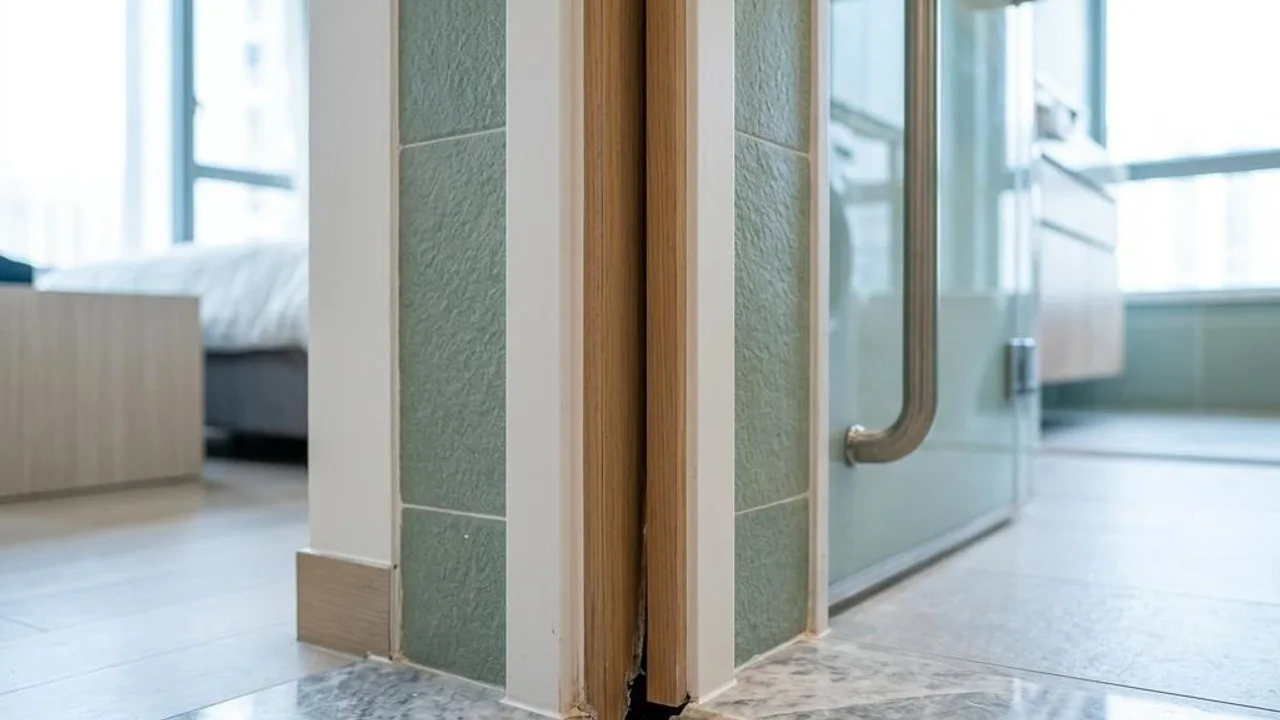
The defect rectification process after taking possession of a new property often overlaps with renovation works. When the developer's defect rectification progress is not up to standard, it is difficult for the interior design company to enter the site fully. If work is started rashly, the subsequent entry of defect rectification workers for chiseling or repairs is highly likely to cause secondary damage to the completed renovations.
This kind of disorganized workflow not only increases repair costs but also leads to buck-passing between the design company and the developer. Mastering the correct coordination timeline and managing the defect rectification list in stages can effectively avoid project delays or extra expenses caused by chaotic work sequences.
- Contradiction between defect rectification responsibilities and time gaps
- Losses caused by secondary damage to renovations
- Risk of buck-passing caused by disorganized work sequences
Strategy for scientifically separating the defect rectification list
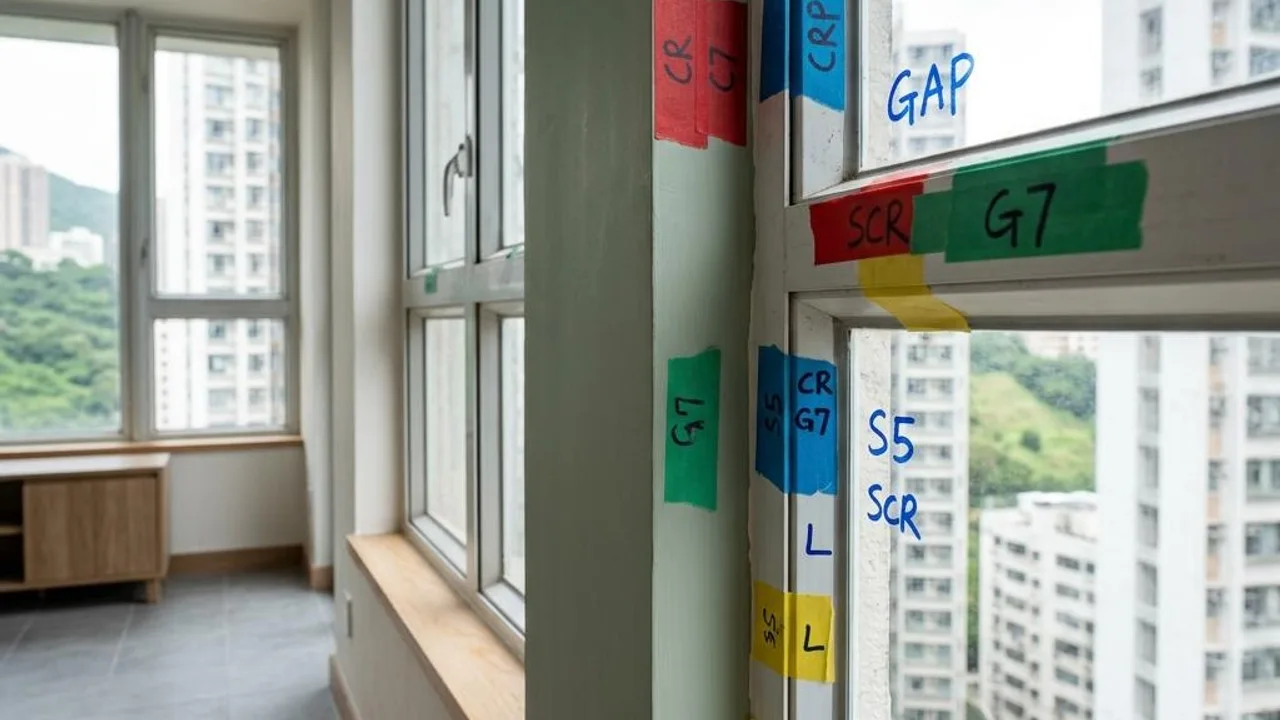
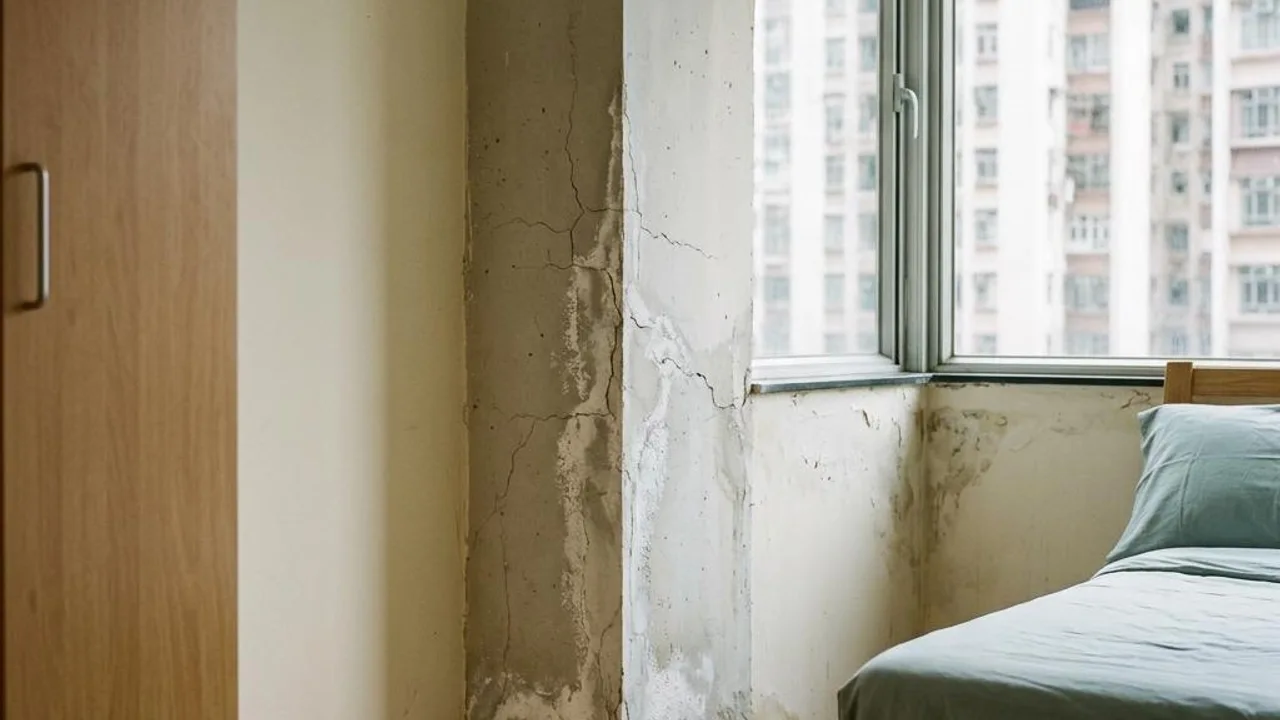
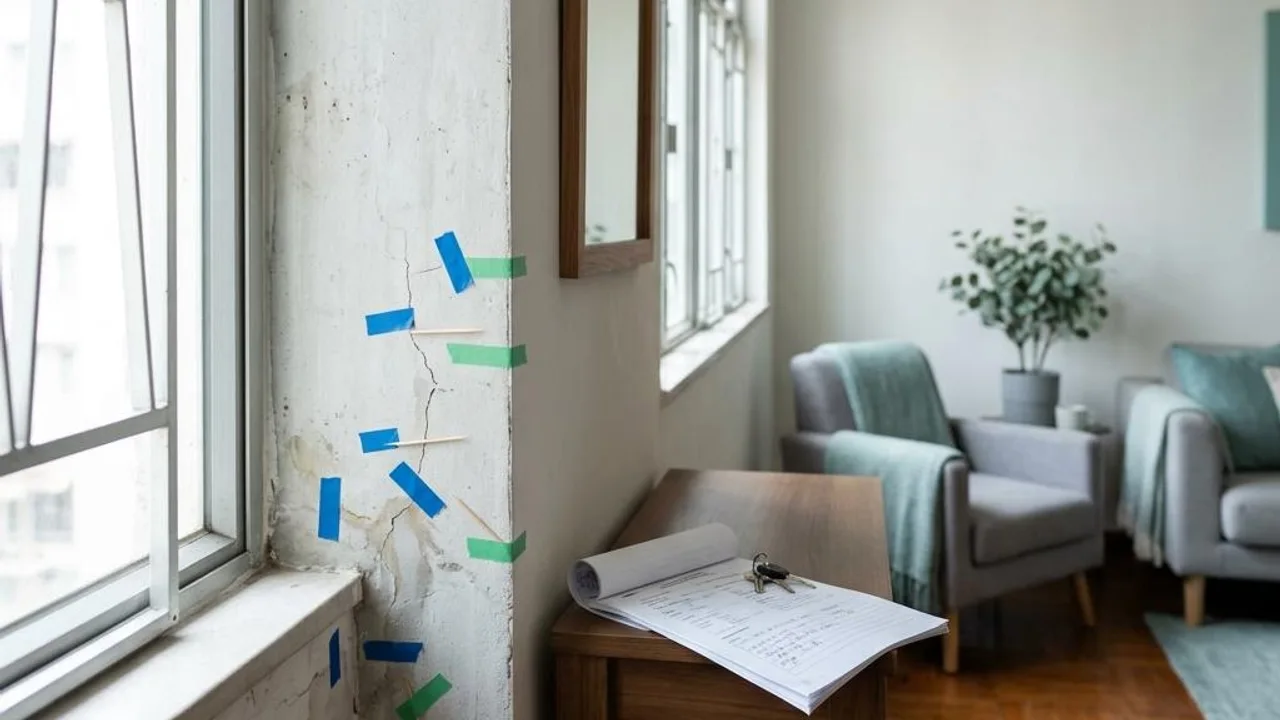
To keep the renovation process smooth, homeowners can categorize the items in the inspection list. Structural and water/electricity-related issues, such as window seepage or cracks in load-bearing walls, must be prioritized for the developer to repair; ensure safety before approving the renovation team to enter the site on a large scale.
For non-core, minor defects like wall surface leveling or slight paint flaws, you may consider consulting the designer's opinion and having the renovation team handle them during the construction process to reduce over-reliance on the developer's defect rectification time.
- Prioritize handling structural and water seepage hazards
- Classifying defects that can be handled by the renovation party
- Setting reasonable phased defect rectification targets
Setting a reasonable buffer period for defect rectification
When planning the renovation schedule, a sufficient buffer period should be reserved. Avoid setting a fixed start date too rigidly; it is recommended to set the first two weeks as a blank period for defect rectification, specifically to coordinate with the developer to complete the final stage of reinspection and correction work to reduce the probability of delays.
At the same time, homeowners need to communicate fully with the design company, clearly inform them of the variables that may exist in the progress of defect rectification, and set up flexible plans to avoid rushing into core structural work before defect rectification is fully resolved.
- Reserve a two-week blank period for defect reinspection
- Establish a flexible renovation commencement plan
- Reduce losses caused by defect rectification delays
Implementing communication mechanisms and written records
Transparent communication is the foundation for ensuring smooth projects. Homeowners should establish a communication group to let designers and defect rectification representatives keep in touch and synchronize progress in real-time. Any agreements regarding work sequence adjustments or cost-sharing must be kept in written records.
Regular site inspections are also a must. Personally confirming the quality of defect rectification and the status of renovation connection can help discover problems early and make adjustments. Ensure each item completed by the developer is confirmed by the designer before proceeding to the next stage of construction.
- Establish a multi-party communication synchronization group
- All agreements must be confirmed in writing
- Regularly inspect the site connection status
Seeking professional engineering management support
If it involves complex structural changes or if defect rectification issues seriously affect the renovation schedule, relying solely on individual coordination is often difficult to handle. Professional property inspection teams or engineering consultants can assist in assessing the severity of the problem and provide effective professional assessments.
When disagreements or stalemates arise between parties, professional logistics support can provide solutions, assisting property owners in coordinating with developers and designers to ensure that the project for their ideal home moves forward steadily, reducing unnecessary mental stress.
- Handling complex cases involving structural alterations
- Providing objective assessments with professional authority
- Assisting in coordinating the engineering responsibilities of all parties
FAQs
If the property inspection report does not include photos, how should the owner record the progress of defect rectification?
Although the electronic property inspection report does not include photos, owners should personally visit the site to take photos or videos of each defective area as a reference, and use them to assist in explanations when confirming the rectification status with the developer.
After the property inspection report is completed, when will the developer typically provide a reinspection after rectification?
In general, the developer will arrange for repairs after receiving the list, and the related follow-up procedures are usually arranged on the next working day or shortly thereafter; it is recommended that owners allow at least two weeks of buffer time for this.
If initial defect rectification does not meet the standard, is requesting a reinspection free of charge?
The reinspection service and the initial property inspection are two separate services and are not automatically free; owners should reserve relevant coordination and potential additional inspection fees when planning their renovation.