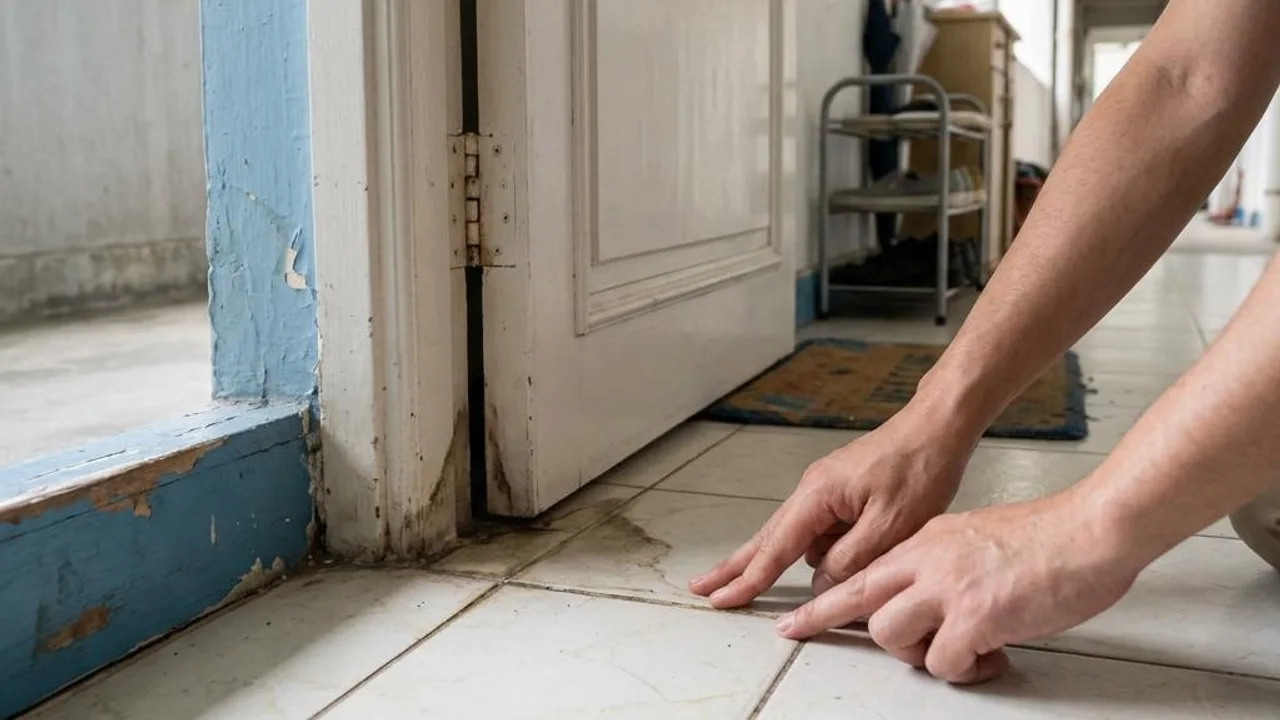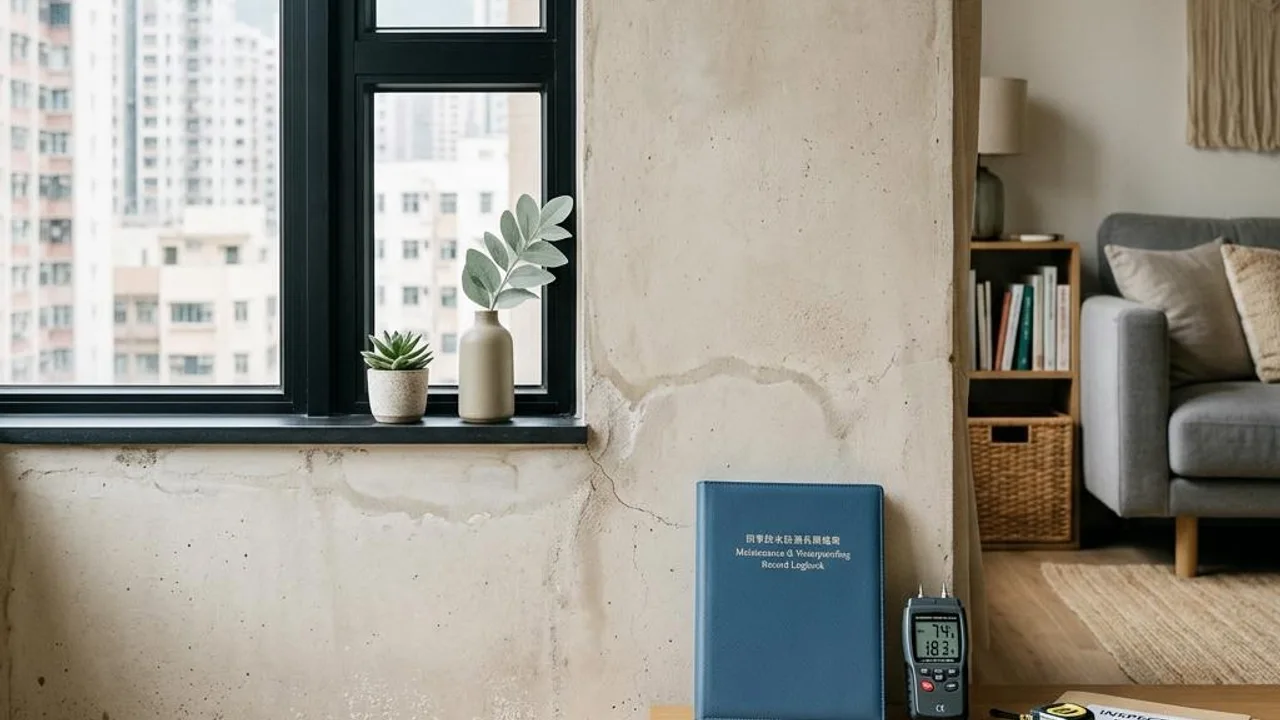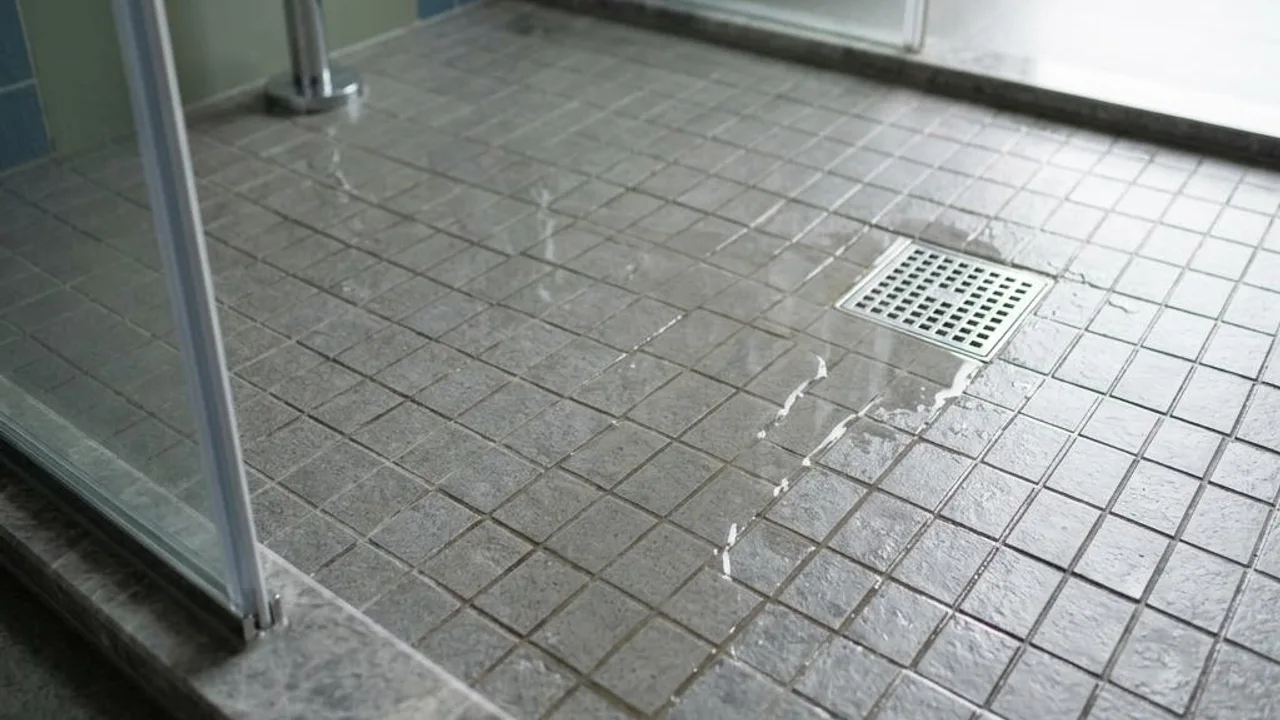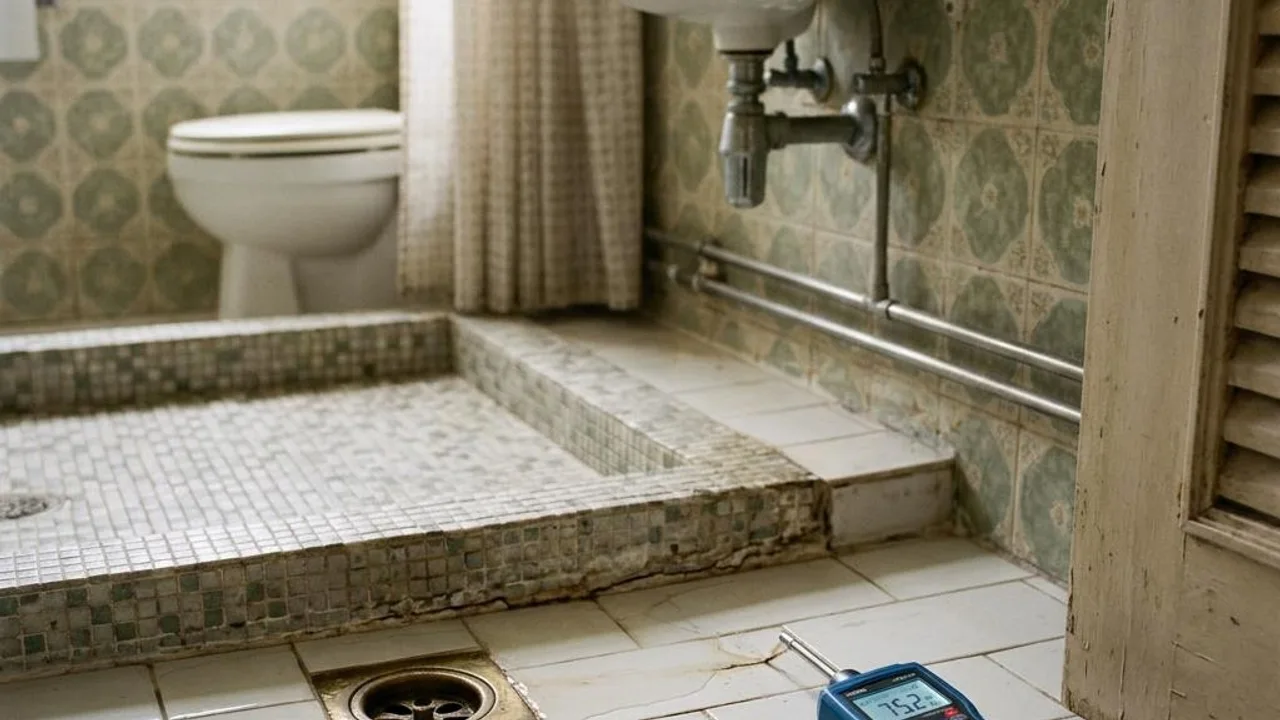
Scientific water ponding test procedures.
After long-term use of bathrooms in second-hand properties, the waterproofing layer is prone to hidden aging or wear; revealing the true status through simple flushing tests is often difficult. A more scientific method is to block the drains first, then accumulate a certain water level in the shower tray or bathtub, allowing static water pressure to continuously act on the floor and wall base waterproofing layer. By observing for a long time whether the water level drops abnormally, one can more effectively assess the protective ability of the waterproofing layer, avoiding the oversight of slow leaks that occurs with short-term flushing.
During the water ponding test, owners should simultaneously check nearby walls and the corresponding ceiling of the floor below for signs of moisture. This method allows water pressure the opportunity to penetrate potential micro-cracks, thereby more accurately judging whether the waterproofing layer is still intact. If the water level drops during the ponding test, this is often a direct signal of insufficient sealing of the waterproofing layer; it is recommended to record the specific phenomena and consult a professional for testing.
- Thoroughly block drainage outlets to ensure water retention.
- Set a fixed water level and maintain it for an adequate observation period.
- Regularly monitor the water level for any signs of significant drops.
- Inspect the edges of the shower area floor and walls for risks of moisture seepage.
- Observe adjacent walls for any signs of moisture penetration.
Inspection of wall and glass screen joints.
In bathrooms, the seams along the base of walls, the base of glass partitions, and the contact points between washbasins and walls are high-risk areas for water damage. When shower water hits these surfaces, if the seals are inadequate, moisture can easily seep into the layer beneath the tiles. Over time, this leads to dampness in the inner walls, loose tiles, or damage to skirting boards. Owners should regularly check whether the silicone seals in these areas have become dry, cracked, hardened, or separated from the wall.
During observation, ensure the tile grout is intact, without any detachment or fungal growth. If paint on the walls is bubbling, showing signs of efflorescence, or if there is persistent moisture in wall corners, it often suggests that the internal waterproofing has failed. While these issues may seem superficial, failure to rectify them promptly will cause the seepage to worsen over time, resulting in more complex waterproofing repairs.
- Check that the silicone seals at the base of the glass partition are intact.
- Verify if there are signs of tile grout detachment.
- Observe if there is mould on skirting boards and joints.
- Inspect the integrity of the sealant around the toilet base.
- Record if there is any bubbling or efflorescence on wall paint.
Inspection of hidden drainage and water supply facilities.
Washbasin drain pipes and toilet bases are often hidden inside cabinets or behind finishes; these concealed connections are blind spots for household water issues. During an inspection by OPO Inspection, try filling the washbasin and draining it rapidly to use the instantaneous water pressure to test the sealing pressure of the pipe connections, observing the cabinet for any dripping or leakage. This effectively reveals whether flexible hoses or P-traps have leaks or aging sealing rings.
Additionally, the seal of the toilet base is equally critical. If minor water stains or dirt appear around the base during flushing, it is usually related to aging sewage pipe sealing rings or unstable installation. Such concealed, intermittent leaks are extremely difficult to detect during minor daily use but are common causes of long-term dampness in walls; they must be specifically checked during the inspection period.
- Test for leaks at connection points when draining the washbasin.
- Open cabinet doors to check the flexible drainage hose and P-trap.
- Confirm if there is any water seepage when flushing the toilet base.
- Observe the condition of the sewage pipe interface behind the toilet.
- Look out for dampness or mould on wooden panels inside furniture.
Evaluation of drainage systems and trap functionality.
A well-designed drainage system should not produce gurgling sounds or air backflow when using large amounts of water. If these phenomena occur, it may indicate a risk of blockage in the main sewage pipe or poor vent pipe design. Furthermore, if there is a persistent, irremovable sewage odour in the bathroom, it suggests the water seal in the trap might be dry or damaged, affecting its function of blocking gases from back-flowing from the main pipeline into the home. The above observations are based only on visible conditions; if abnormalities are found, we recommend consulting a registered professional for a detailed inspection.
The trap system is an important line of defence for home hygiene. When an unusual odour is detected, first confirm if the water seal is sufficient. If the situation persists after adding water, professional inspection is required to rule out issues with the pipe structure. Keeping drainage pipes clear and ensuring the trap system is functioning well are vital steps to prevent long-term dampness and bacterial growth in bathrooms.
- Listen for abnormal bubbling sounds during the drainage process.
- Take note if there is any sewage odour backflow in the bathroom.
- Confirm whether the drainage system is clear and free from local blockages.
- Observe if the trap is operating normally.
- Inspect the area around the drainage outlet for debris accumulation.
The necessity and application of professional testing.
Although owners can conduct basic water testing and observations through the methods mentioned above, in-depth analysis of waterproofing failure and the moisture distribution inside walls often requires the support of professional equipment. For example, a wall moisture meter can determine the extent of moisture diffusion within the wall, rather than relying solely on visual inspection of surface dampness, which is extremely helpful for identifying the source of leaks.
Blindly conducting self-inspections or seeking help from individuals without professional backgrounds often makes it difficult to eradicate long-term seepage hazards, and may even lead to additional expenses and trouble due to incorrect repair decisions. We suggest that owners, after discovering suspected waterproofing failure or structural leaks, invite professionals with relevant testing knowledge to perform an analysis to obtain specific data, thereby formulating practical defect rectification strategies.
- Assess the extent of the concealed waterproofing layer failure.
- Obtain a data-driven moisture distribution report.
- Analyse hazards and root causes of deep-seated piping.
- Discuss scientific and targeted defect rectification schemes.
- Avoid secondary damage caused by incorrect repair decisions.
FAQs
If a pressure drop is detected during a water test in a second-hand property, does it definitely mean the waterproofing layer is damaged?
A drop in water pressure is a strong signal of weakened waterproofing function, but it cannot be concluded that the waterproofing layer is damaged; it could also be a leak at a pipe connection. We recommend recording the water level drop and inviting a professional to perform a pipe pressure test and moisture detection to clarify the specific cause of the leak.
If there is a sewage smell in the bathroom, must the pipes be replaced?
Not necessarily. Sewage odour backflow is usually caused by a failed (dried out) water seal in the trap or improper sealing. Owners can first ensure the floor drain has sufficient water to maintain the water seal. If the odour persists after adding water, the structure of the trap needs to be checked for damage or loose connections, and a professional should determine whether repairs are necessary.
I personally observed paint bubbling on the wall; does this mean there is an internal water leak?
Wall paint bubbling is a classic sign of internal dampness, usually suggesting long-term seepage from the waterproofing layer or pipes behind it, causing moisture to penetrate the wall structure. This is an abnormal phenomenon. We suggest recording the location during the property inspection and assessing the moisture levels with professional testing tools to decide whether a deep-dive waterproofing check is needed.