Potential impact of neighbourhood construction on unit structure.
Vibration from hacking during building renovation is often transmitted to adjacent units through the reinforced concrete structure. For older buildings or units with fragile structures, this vibration may cause micro-cracks in the wall's waterproofing layer or cause old tile adhesive layers to loosen due to stress transfer; if owners do not prepare before renovations, they are very likely to suffer property damage.
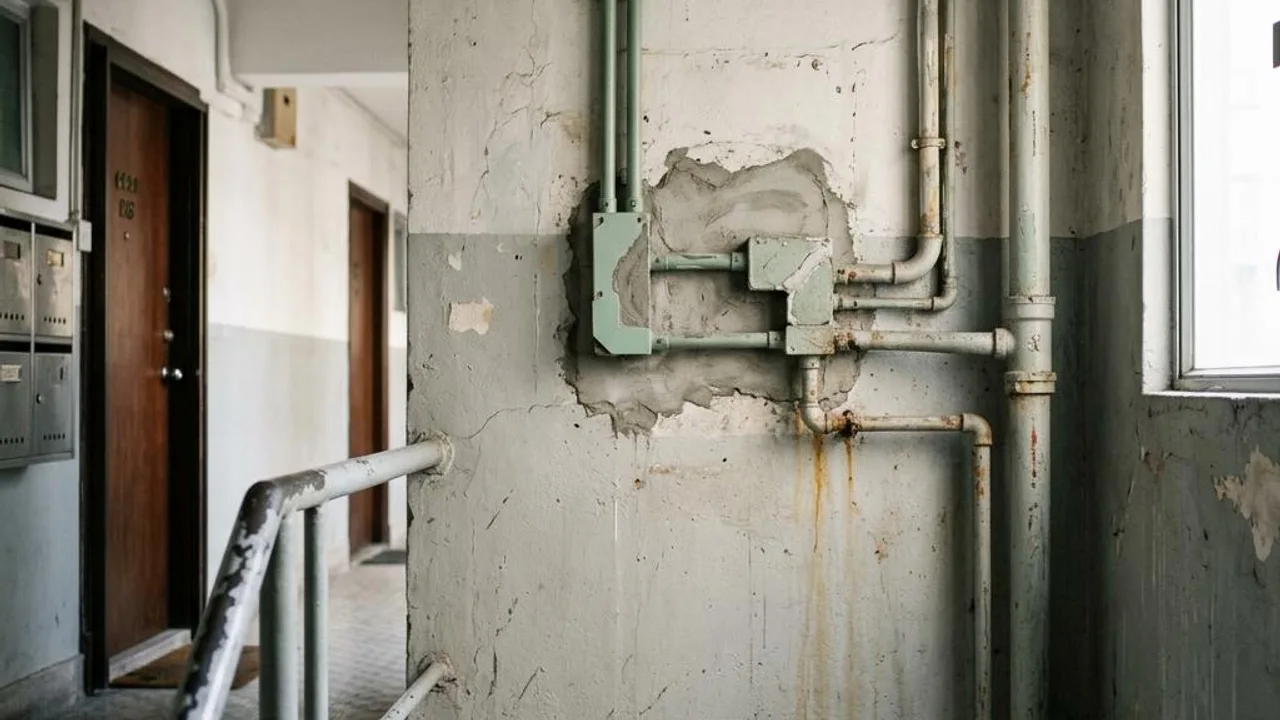
Besides vibration, if neighbours engage in unauthorized alterations to load-bearing walls, it will directly affect the overall load distribution of the building, leading to structural sinking. In addition, alterations to kitchen and bathroom pipes may also cause seepage problems; if seepage is not discovered for a long time, it will evolve into wall mould and affect the structural safety of one's own unit walls.
- Vibration from wall hacking may damage the waterproofing layer.
- Structural alterations affect load distribution, inducing cracks.
- Improper pipe alteration work leading to seepage risk.
- Tiles loosening and hollows worsening due to vibration.
Key points for structural and environmental screening before moving in.
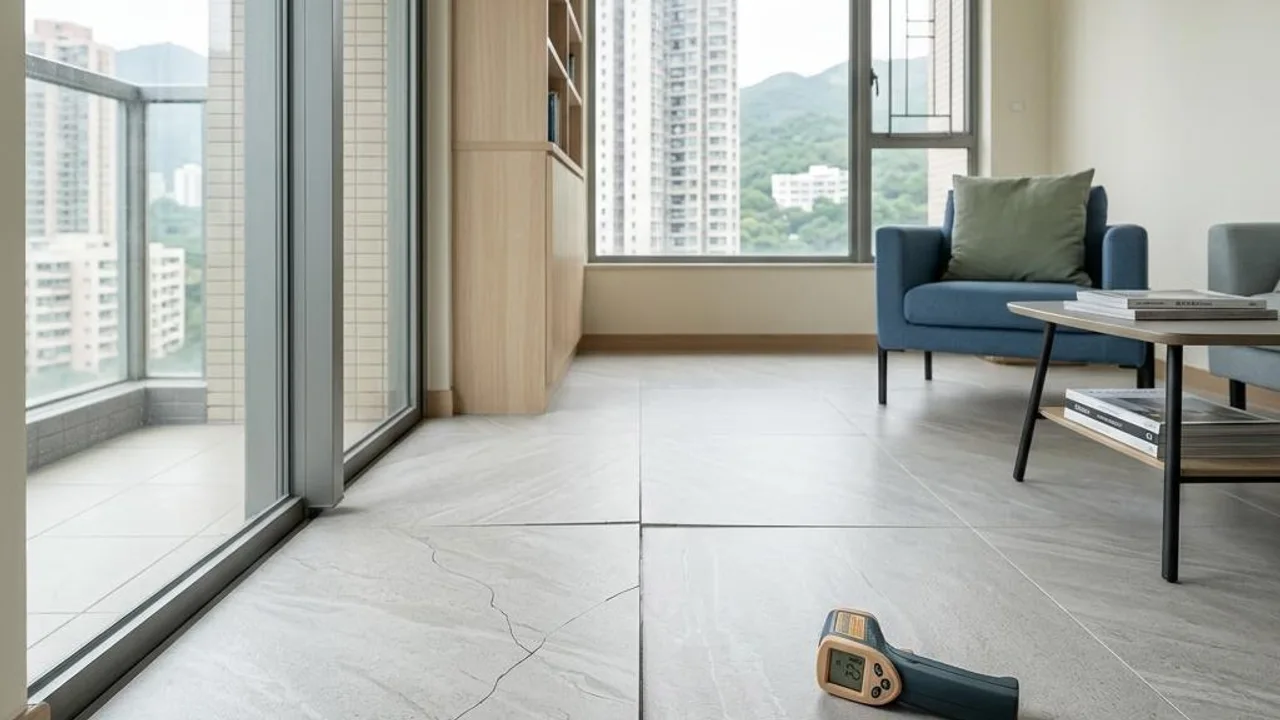
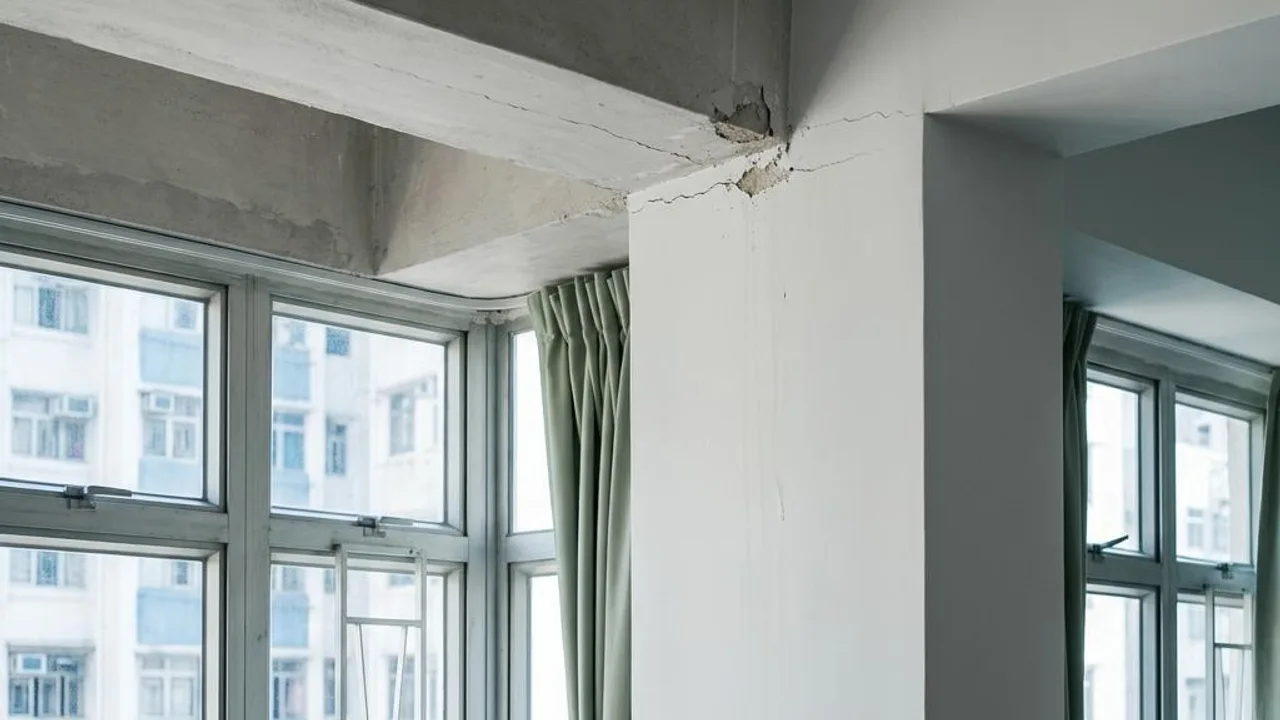
Before moving in or starting your own renovations, owners must conduct a comprehensive structural inspection of the unit. The focus should be on the partition walls shared with neighbours and the ceiling; observe for abnormal 45-degree structural diagonal cracks or fine spider-web cracks. These traces are usually the direct reaction to structural stress or vibration.
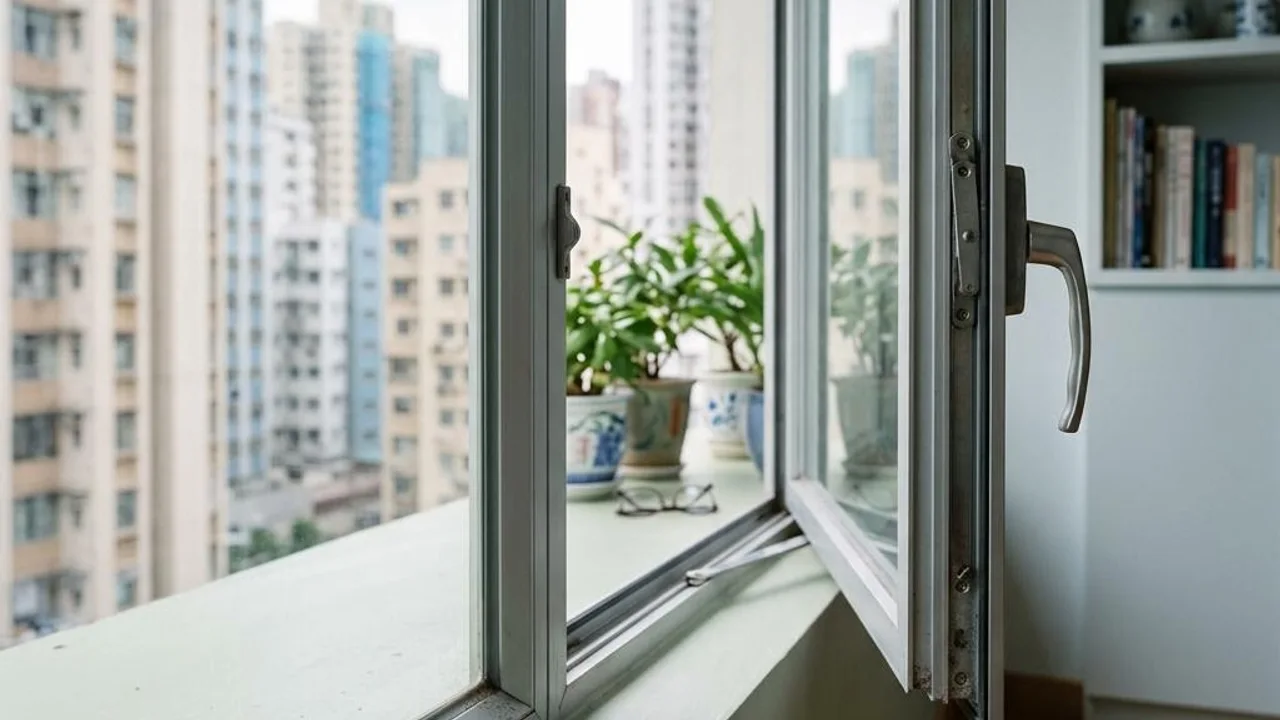
Apart from this, the opening/closing of window frames and wooden doors is also a key inspection point. If the wall structure settles slightly, door frames and window frames often experience slight deformation, leading to rough opening/closing or detachment of rubber seal strips. Owners should record and compare before and after construction to determine if there are new physical changes.
- Check for structural cracks in walls shared with neighbours.
- Test if door and window opening is obstructed by wall deformation.
- Regularly check the ceiling for water stains or blistering paint.
- Check if there are any newly emerged hollow tiles.
Ceiling seepage monitoring and moisture detection.
During neighbourhood renovations, if unexplained water stains appear in the kitchen or bathroom, you should immediately become alert. The professional property inspection team suggests that owners observe if the ceiling has yellowing, paint peeling, or persistent dampness; these are typical signs of leakage. If seepage is suspected, a moisture meter can be used to objectively determine the moisture content of the wall.
If the seepage is confirmed to be caused by construction upstairs, you should immediately take photos as evidence and contact the management office, requesting them to pause water tests and arrange for professionals to conduct a seepage test to identify responsibility. Do not underestimate minute water stains, as moisture accumulation will seriously damage the base structure of the wall, complicating repair work.
- Pay close attention to the ceiling position corresponding to the bathroom and kitchen.
- Use a moisture meter to measure the wall moisture content.
- Photograph and record changes in water stains as evidence for disputes.
- Contact the management office to coordinate and arrange seepage tests.
Self-screening for hollow tiles and walls.
Strong renovation vibration can easily cause old tile adhesive layers to separate from the wall. During the period of neighbours' construction, owners should use an inspection rod or coin to lightly tap wall and floor tiles to check if the sound has changed from the original solid sound to a crisp hollow sound. This means the hollow rate has increased, and there is a higher risk of subsequent detachment.
If serious hollows are discovered, repairs should be carried out as early as possible to prevent tiles from detaching entirely and injuring residents; it can also prevent tiles from bursting during future projects such as drilling to install wall cabinets due to loosening of the base layer. For wall paint surfaces, also observe if there is blistering or paint peeling caused by vibration.
- Use an inspection rod to detect changes in tile hollow sounds.
- Observe if the wall paint layer has blistering or peeling.
- Detect hollows early and carry out professional reinforcement.
- Check for loosening tendencies at the edges of wall tiles.
Handling of liability and protection of legal rights.
When facing damage caused by neighbours' renovations, owners should first collect evidence and establish detailed records. After discovering structural cracks or seepage marks, recording the time and scope of occurrence is the first step in protecting rights and avoiding the blurring of responsibility during disputes.
It is recommended to contact the management office to file a record, ensuring there is a third-party witness to the damage. If it is necessary to clarify whether the cause of the damage is directly related to the neighbours' renovation behaviour, you can invite professionals with relevant technical knowledge to conduct an on-site survey and record the specific causes of damage, providing an objective factual basis for subsequent negotiations.
- Report the damage status to the management office for the record in a timely manner.
- Have a property inspector record the cause of damage as a basis for negotiation.
- Require the contractor upstairs to stop work and test for seepage.
- Safeguard personal property rights regarding property safety.
Role of professional teams in dispute mediation.
When involving structural safety disputes caused by neighbourhood construction, professional inspection can effectively clarify the causal relationship between the damage and the renovation behaviour. An objective survey report is not only the cornerstone for clarifying responsibility but also an important supporting document for owners to claim compensation from insurance companies.
The role of a professional team lies in judging hidden damage through scientific instruments and converting test results into detailed reports. When handling such disputes, owners should ensure that all communication records and expert opinions are documented in writing so that they have a basis when negotiating or taking other legal actions.
- Professional inspection to clarify the causal relationship between damage and renovation
- Provide objective reports to assist with insurance claims
- Document damage conditions for subsequent legal reference
- Coordinate between parties to clarify liability boundaries
FAQs
If I discover my neighbour's renovation is causing water seepage in my ceiling, what is the first step I should take?
Please take photos immediately to record the water seepage marks and scope, and notify the management office to send staff for inspection and to file a report. Subsequently, request that the management office contact the upstairs owner to suspend any work involving water sources, and engage a qualified professional to conduct a professional test to clarify the source of the water seepage.
During my neighbour's chiselling work, I discovered that the wall tiles sound hollow. Does this mean they are about to fall off?
Vibration in the wall can indeed cause hollow tiles to worsen. If the sound of tapping changes from a solid sound to a crisp, hollow sound, it indicates that the tiles have separated from the wall adhesive layer. It is recommended to document changes in these locations and, if necessary, have a professional assess repair options to prevent the tiles from falling off and causing injury.
How can I distinguish whether wall cracks are a structural issue or caused by vibration?
Owners can observe the shape of the cracks; 45-degree diagonal cracks or through-cracks generally require more attention. If cracks appear during neighbours' construction, you should record changes in their length and width. It is recommended to hire a professional to determine the correlation between the cracks and the construction to avoid the risk of misjudgment.