Basic inspection points for soundproofing engineering
The soundproofing effect of a home office area largely depends on the wall construction and the degree of sealing. During the inspection process, the material density and installation quality of the partition wall should be assessed, especially its ability to block high-frequency sound waves. A well-designed soundproof setup should effectively reduce keyboard typing sounds and leakage of meeting conversations, protecting business secrets and privacy in daily work.
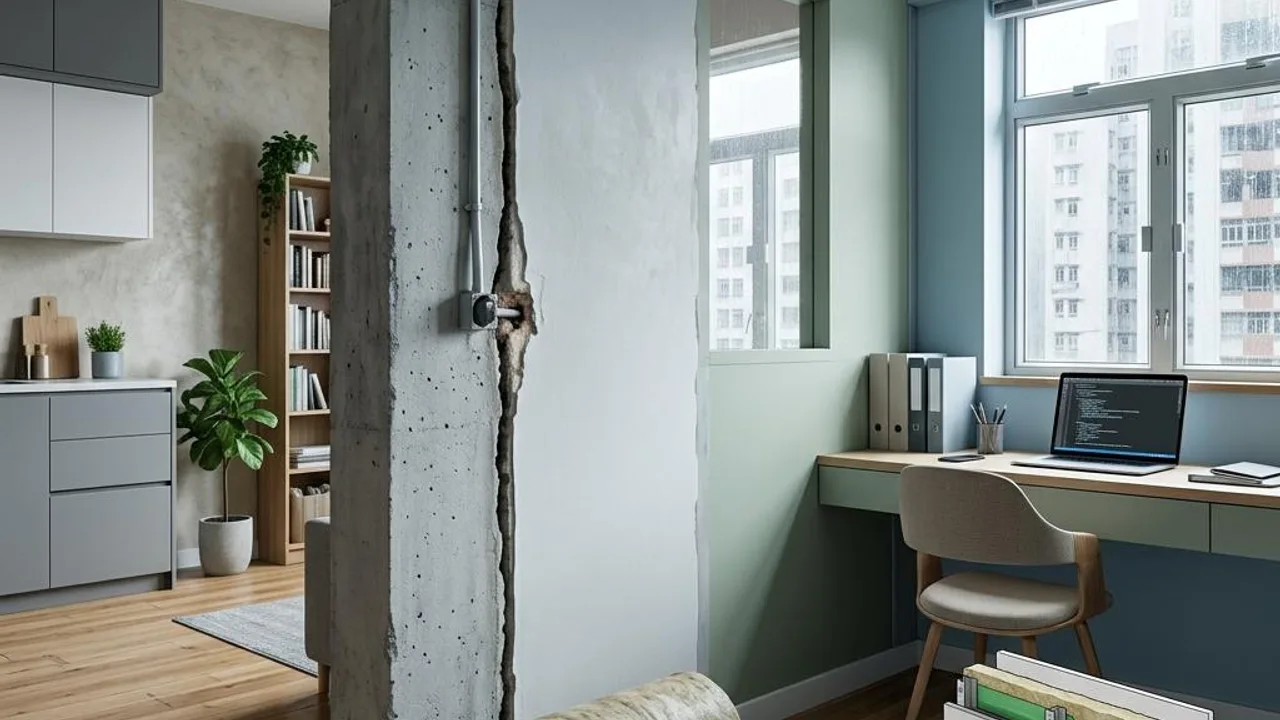
In addition to physical soundproofing, airtightness is also a key indicator. Gaps for airflow are often paths for sound transmission; therefore, the inspection scope covers wall joints, pipe penetrations, etc. Ensuring the wall structure is intact and free from obvious construction cracks is necessary to leverage the optimal soundproofing effect of the materials from the root, creating a relatively quiet sound environment for the office area.
- Check whether the soundproofing cotton inside the soundproof wall is filled evenly.
- Verify the thickness of the wall gypsum board and the spacing of fixing screws.
- Confirm whether soundproof sealant is used at wall joints.
- Observe whether there are unsealed electrical wire holes or pipe gaps.
Eliminating noise leakage vulnerabilities in doors, windows, and pipes
Doors are usually the weakest link in indoor soundproofing. During the inspection process, the focus is on assessing the airtightness of the seals around the door frame and the operation of the automatic soundproof door sweep. A precision-installed sealing system should press tightly against the floor when the door is closed, effectively blocking sound from entering or escaping through the door gap, significantly reducing noise interference from corridors or living rooms.
Furthermore, ventilation ducts and air conditioning vents should not be overlooked. If these channels lack silencing treatment, they can easily become shortcuts for sound resonance propagation. During the inspection, special attention will be paid to whether the connection between the air duct and the ceiling is tight, and whether there is sufficient sound-absorbing material to ensure that while maintaining good indoor air circulation, the tranquility required for the office area is not sacrificed.
- Test the physical isolation effect of the door bottom seal after closing.
- Check for signs of peeling or aging of the rubber seals on the door frame.
- Observe whether there is vibration noise around the air conditioning duct.
- Assess the airtightness of window locks and the installation of soundproof glass.
Structural vibration reduction and environmental interference prevention
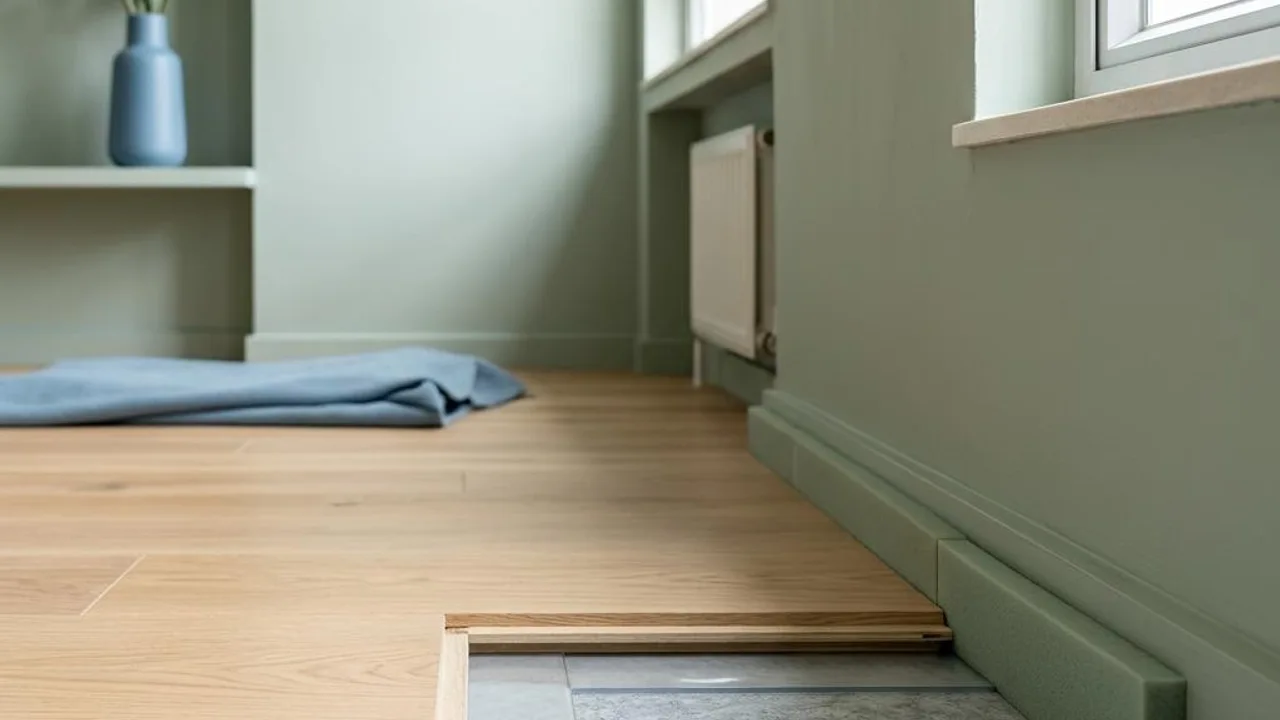
In addition to airborne sound, structural vibration is also a noise source that cannot be ignored in a home environment. Sounds from neighbors opening/closing doors, footsteps, and mechanical vibrations from equipment operation often travel through the building frame into the room. During acceptance, attention should be paid to the flooring of the office area to check if soundproof mats or vibration-damping materials have been used to absorb impact energy and reduce interference with indoor work.
Furthermore, there is a science to placing office furniture. If large desks or bookcases are in direct rigid contact with the wall, resonance can easily amplify noise. Ensuring reasonable buffer space between equipment and walls, or using anti-vibration pads, can effectively block vibration conduction and improve environmental stability. Such detailed inspections help prevent common structural noise problems later on.
- Confirm whether the floor soundproofing layer is laid completely and evenly.
- Check for anti-vibration materials where furniture contacts the wall.
- Assess whether the air conditioner rack installation includes anti-vibration mounts.
- Pay attention to the vibration buffer treatment of indoor ceiling suspension devices.
Acoustic assessment of indoor background noise
The assessment of an acoustic environment is not limited to walls but also involves the overall reverberation and background noise of the interior. If indoor walls lack sound-absorbing materials, sound reflects multiple times between hard surfaces, leading to excessively long reverberation times, making conversation sounds muffled. Owners can observe whether there are too many bare hard surfaces indoors; moderate configuration of soft furnishings helps improve acoustic quality.
Additionally, electrical background noise in the environment can also affect concentration. If long-running equipment has not been enclosed in soundproof boxes or treated with anti-vibration measures, it will produce continuous low-frequency noise. During the inspection, pay attention to the sound field changes when electrical appliances are turned on/off to clarify whether the noise source stems from equipment operation rather than the building structure itself.
- Observe whether the interior is excessively lacking in sound-absorbing fabrics or soft furnishings.
- Identify whether noticeable low-frequency humming is produced when home appliances are operating.
- Assess whether the sense of space reverberation is too strong, leading to echoes of human voices.
- Record changes in environmental background noise in the room at different times.
Importance of professional acoustic testing
Indoor acoustic design involves complex physical laws, such as sound frequency, reverberation time, and structural conduction coefficients. Relying solely on personal visual observation or subjective hearing is often difficult to judge whether the soundproofing effect of hidden works meets the standards. General inspections are not professional acoustic tests and cannot guarantee structural soundproofing performance, material density ratings, or the accuracy of resonance nodes. If a professional assessment is needed, please consult a qualified acoustic consultant; do not attempt to dismantle structures or perform professional tests yourself.
Professional inspection services use precise instruments, such as sound level meters and audio analyzers, to conduct scientific quantitative analysis of indoor background noise. Through standardized testing processes, the team can objectively assess the actual soundproofing decibel values of walls and openings. Such data-based inspection results not only find hidden noise leakage vulnerabilities but also provide a clear basis for subsequent repair work, safeguarding the soundproofing level of the office area.
- Use a sound level meter to record indoor background noise data.
- Assess the installation quality and coverage of soundproofing materials in walls.
- Identify and record potential air leakage points.
- Provide a report with targeted noise reduction repair recommendations.
FAQs
If cracks are found in the walls, does it mean the soundproofing effect will inevitably drop significantly?
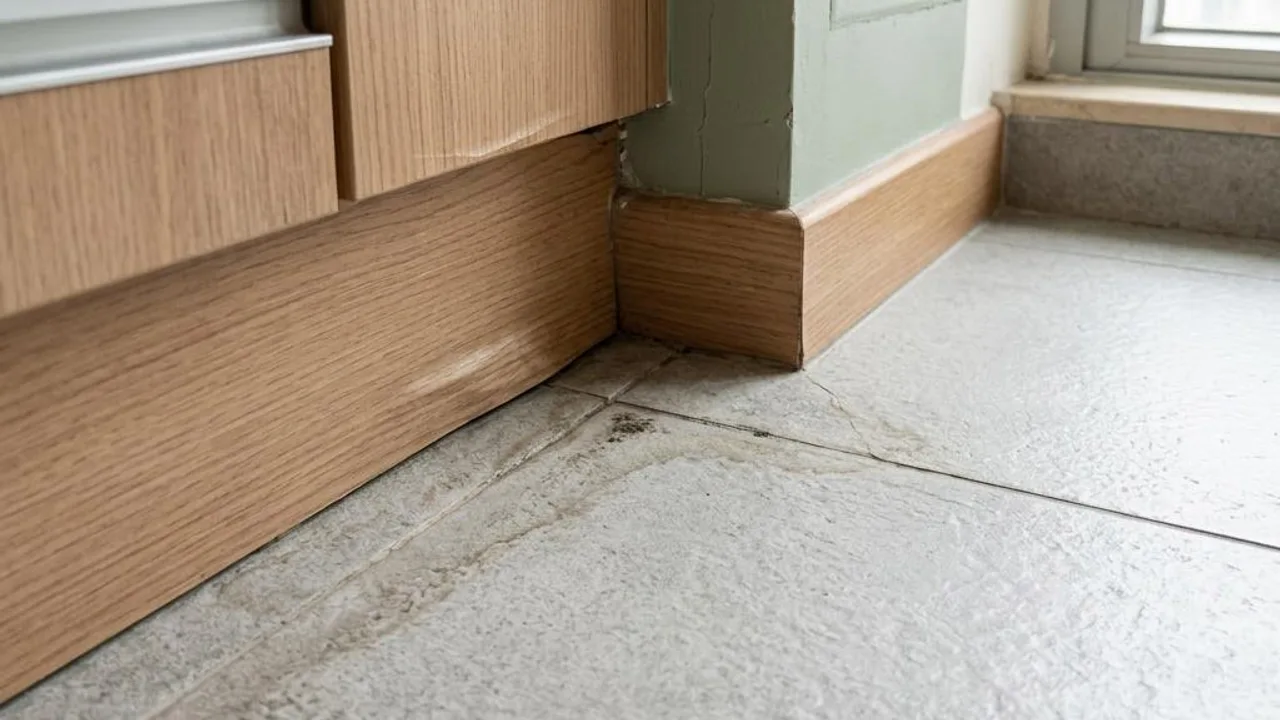
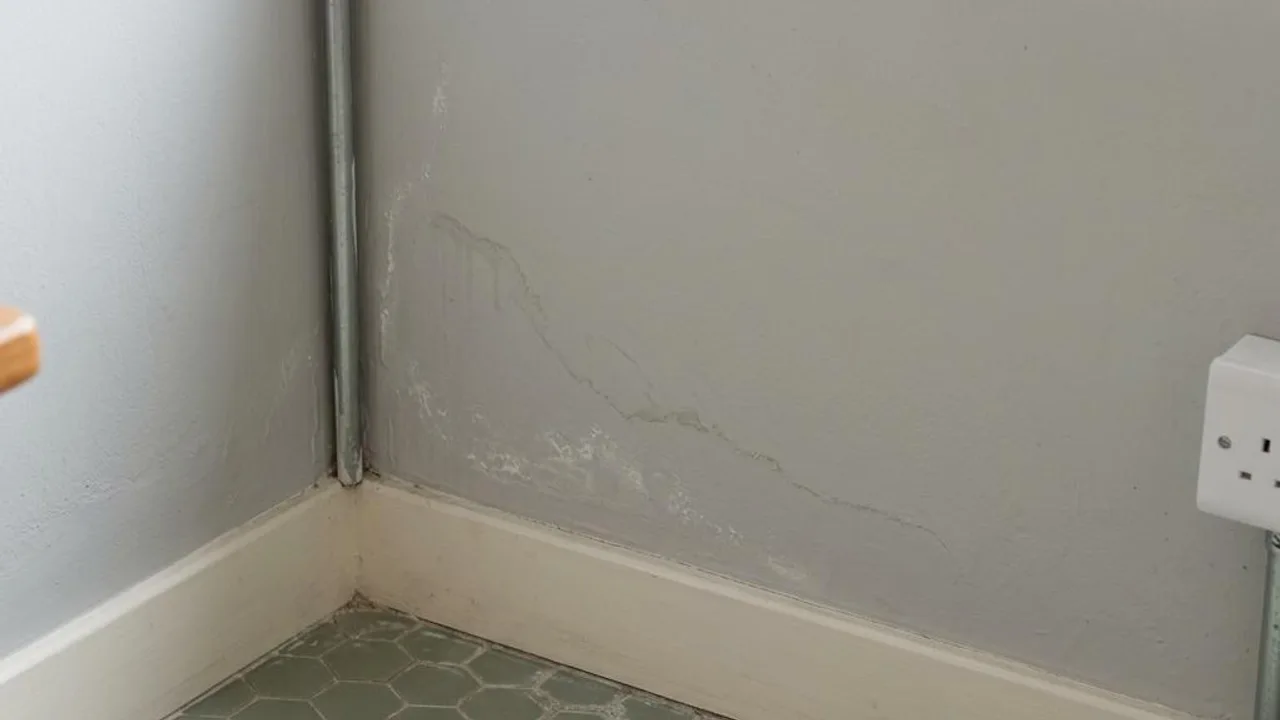
Cracks can indeed act as channels for airborne noise, leading to a compromise in sound insulation. Owners may record the locations of these cracks and consult professionals with knowledge in soundproofing renovation to assess whether they have penetrated the soundproofing layer structure, in order to decide whether repair/filling is required.
Can installing acoustic cotton yourself effectively resolve all soundproofing issues?
Not necessarily. Acoustic cotton is mainly used to improve interior reverberation. If the problem stems from insufficient wall structural soundproofing or air leakage, adding sound-absorbing materials to the surface will only have limited effect. It is recommended to undergo professional testing to clarify whether the noise is transmitted through air or the structure before taking targeted action.
How can one describe office noise disturbances to professionals to assist in testing?
Owners are advised to record the timing patterns of the noise, the nature of the sound (such as knocking, humming, or voices), and the direction from which the sound originates. This specific information helps inspectors determine whether the noise is structure-borne or airborne, thereby improving inspection efficiency.