Water flooding risks and structural impacts in village houses
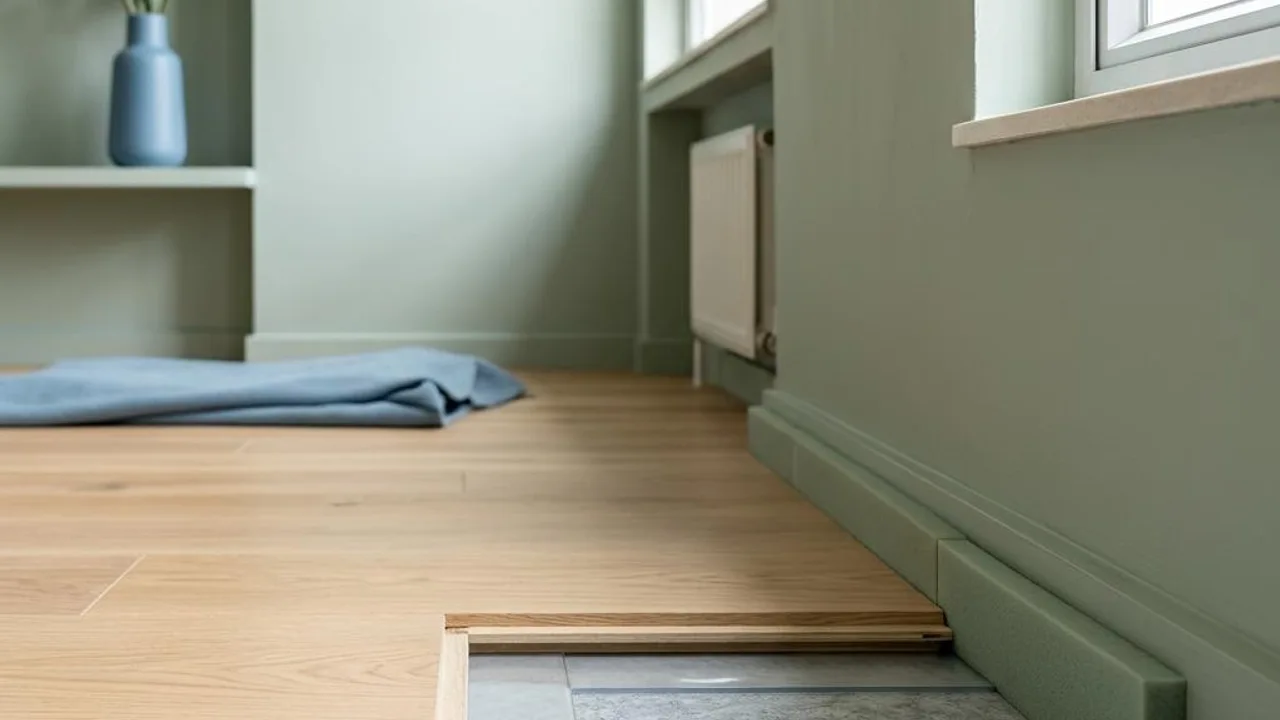
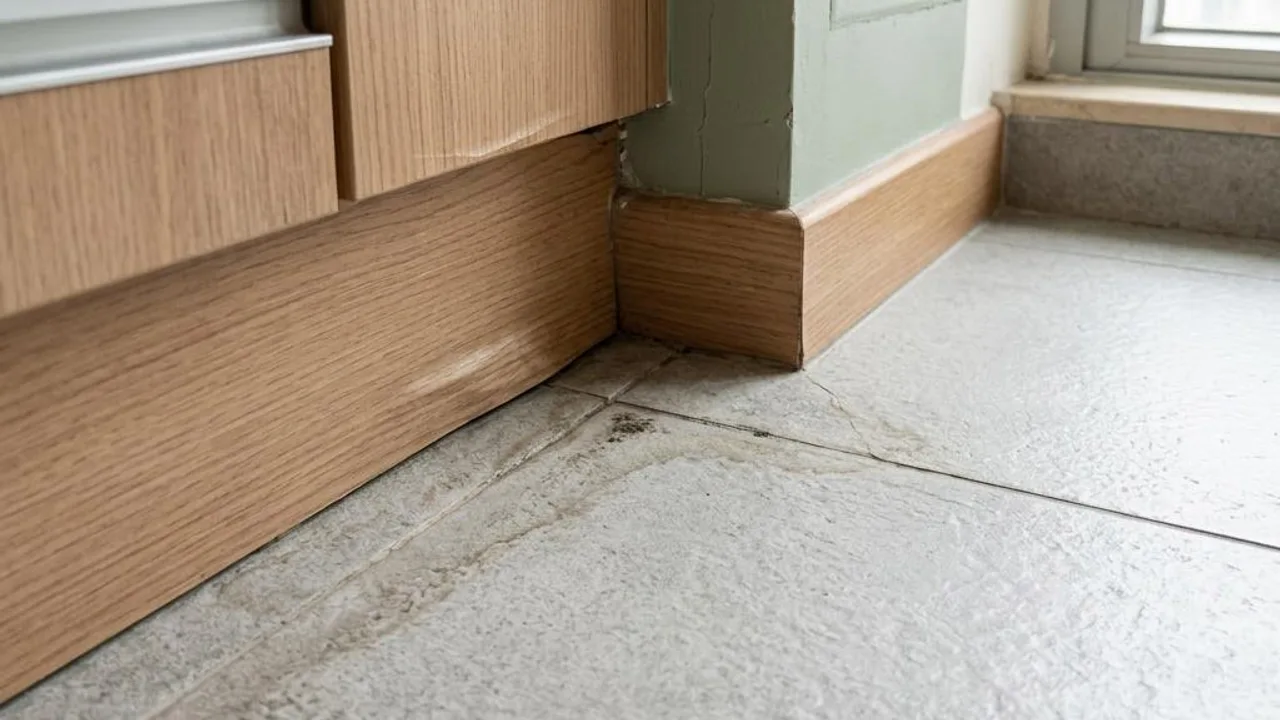
Due to their complex structural design and direct contact with the outdoor environment, village houses are more prone to seepage threats than typical apartment units. Moisture not only causes indoor materials like wooden floors and plasterboard to mold or warp, but long-term leakage can also penetrate into the concrete structure or reinforcement layers, causing oxidation and rusting of the steel bars, thereby affecting the structural safety and load-bearing capacity of the building.
Moisture infiltration into the building interior also poses a significant threat to the electrical system. When circuits or sockets inside walls are damaged by moisture, short circuits and even electrical fires can easily occur. In addition, long-term damp environments are breeding grounds for mold and bacteria, which not only damage furniture structures but also continuously release allergens, posing hidden threats to the respiratory health of occupants. Therefore, conducting comprehensive leak-prevention inspections for village houses is a necessary procedure for maintaining property value and living safety.
- Moisture infiltration leading to deteriorating concrete cracks
- In-wall circuit moisture causing short-circuit risks
- Wooden finishes rotting and warping due to dampness
- Mold growth harming indoor air quality
Water flooding and seepage warning signs during property inspection
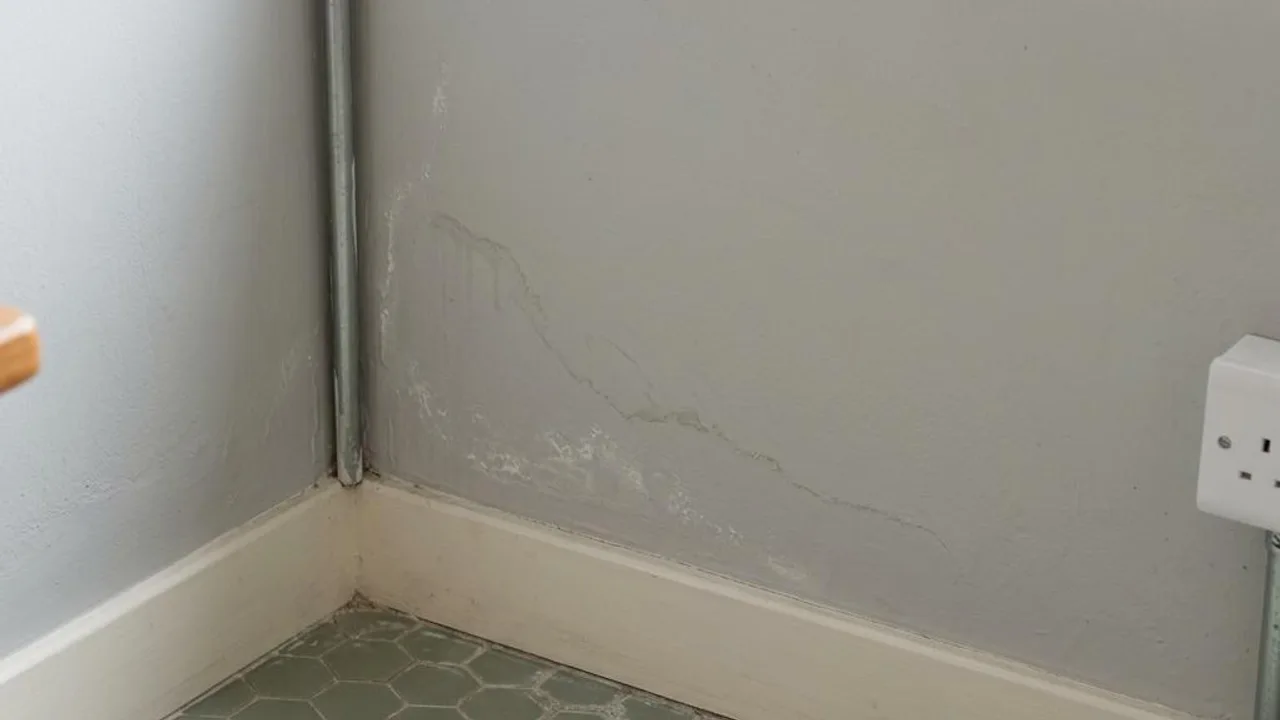
During property inspection, owners should carefully observe whether there are obvious water stains, paint blistering, or peeling on interior walls, ceilings, and wall corners. These visual signs are usually direct evidence that moisture has been stagnant or has penetrated for a long time. Especially at the junctions between external walls and interior spaces, if traces of previous repairs are found, be extra cautious to check whether moisture remains there, to ensure whether the repair scheme effectively handled the source of the leak.
Beyond visual inspection, odor is a key indicator for judging whether an indoor space is damp. If a musty smell is detected upon entering the house, prioritize checking around the drains and the basement area. Additionally, check for signs of metal oxidation or water lines around electrical boxes, power sockets, and appliances. If rust or scorched marks appear on metal components, it often means the electrical system has been exposed to seepage risks and must be assessed by a professional.
- Wall paint blistering and irregular peeling
- Moldy stains appearing at wall corners and on ceilings
- Distinctive musty and damp smell in the indoor environment
- Rust or water stains found around electrical boxes and sockets
Key points for drainage and waterproofing system inspection
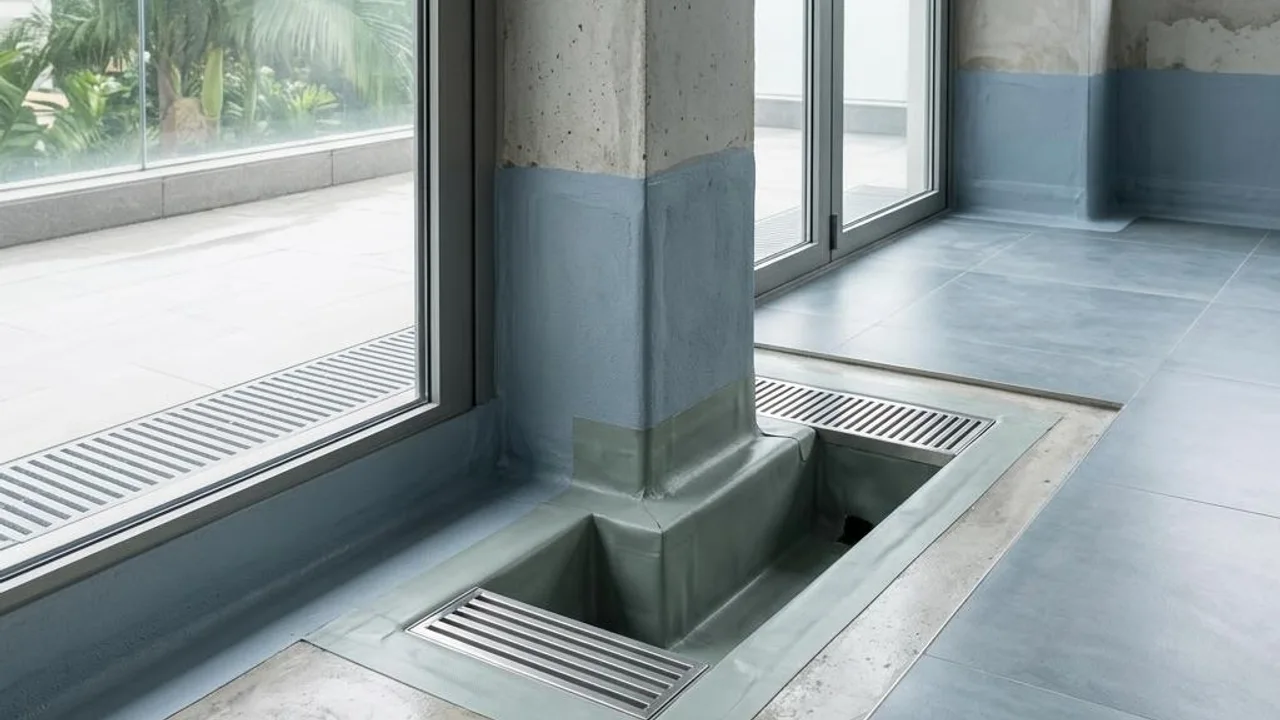
A perfect drainage system is the first line of defense in preventing village house flooding. During inspection, it is essential to verify that roof drainage channels are clear, ensuring no dead leaves or accumulated mud hinder drainage. At the same time, for gardens, terraces, or roof tops, it is mandatory to check whether the drainage slope is correctly directed towards the drain to prevent rainwater from accumulating on the ground, which can lead to backflow or seepage into the building structure—this is a crucial link in outdoor leak prevention.
The waterproof layer is the final barrier protecting the building structure. In bathroom, kitchen, and terrace areas, the integrity of the waterproof layer is particularly critical. If floor tiles are loose, grout filler is missing, or waterproof membranes are aged and cracked, moisture can easily seep down through these gaps to the space below, causing damage to the ceiling below. During handover, these high-humidity spaces should be assessed in detail to ensure the waterproof layer has no obvious damage or failures.
- Roof drainage pipe and channel clearance test
- Check terrace ground drainage slope and gradient
- Assess the integrity of floor joints in bathrooms and kitchens
- Check if waterproof membrane layers have aged or cracked
Daily protection and maintenance plans for village houses
Prevention is better than remediation. For areas where the structure has already developed leaks, failed damp-proof materials must be replaced and the waterproof layer repaired. Specifically, for basements and walls in direct contact with underground soil, suitable damp-proofing sealing technology should be used to prevent groundwater from seeping in through capillary action. At the same time, regularly inspecting external walls and sealing any micro-structural cracks can effectively reduce the paths for rainwater entry.
Indoor humidity control is also central to maintaining a healthy living environment. In daily life, using a dehumidifier can keep indoor humidity within a safe range, slowing down mold growth. In addition, drainage systems should be included in a regular maintenance plan. By clearing mud and debris regularly, you can ensure that drainage pipes function normally during the rainy season, reducing the risk of outdoor flooding caused by poor drainage.
- Regularly re-apply bathroom and kitchen waterproofing and damp-proof layers
- Inspect external wall structures and seal micro-cracks
- Clean drain outlets to prevent water backflow
- Maintain indoor humidity and use dehumidifying equipment
Seeking professional inspection and assessment
Because the architectural design of village houses is generally more complex, hidden leakage points are often difficult to detect by the naked eye alone. Experienced professionals can utilize a more comprehensive knowledge system to identify structural design defects or potential hazards, and provide scientific repair strategies based on actual circumstances. Discovering and handling these hazards as early as possible can save owners major repair costs in the future and avoid the tedious problems associated with secondary repairs.
Choosing a professional property assessment is a guarantee of long-term living quality. Professional inspections can provide a comprehensive review of the property across three dimensions: drainage efficiency, waterproofing effectiveness, and structural safety, helping owners confirm whether the property meets current safe living standards. Through professional advice, owners can clearly understand the actual condition of the property, ensuring that invested resources maximally protect property value.
- Identifying deep-seated leaks that are difficult to detect with the naked eye
- Providing professional repair advice for leakage points
- Reducing subsequent repair expenses caused by water seepage
- Confirming structure meets basic waterproofing requirements
FAQs
If water stains are found on the wall during a property inspection, does this necessarily mean there is an active leak?
Water stains indicate that moisture has accumulated on the wall in the past, but it does not necessarily mean there is an ongoing leak at this moment. Owners should observe whether the stain has a tendency to expand or observe changes after rain. It is recommended to consult a professional property inspector to use professional equipment to detect moisture content, so as to distinguish whether they are traces of old repairs or an active leakage source.
If the basement of a village house appears slightly damp, how should it be handled?
Basement dampness is usually caused by groundwater seepage or poor ventilation. Owners should first ensure that the sump pump in the basement is working properly and clear mud from the drain outlets. At the same time, a dehumidifier can be used to lower environmental humidity. If the dampness persists, it is recommended to ask a professional to assess whether the external wall waterproof layer has failed and check the groundwater diversion system.
Will aging bathroom floor tiles directly cause leakage to the floor below?
Yes. If the joints and waterproof layer of bathroom tiles show aging or cracks, moisture will seep down through the gaps into the mortar layer beneath the tiles, and subsequently seep into the floor slab, causing water stains on the ceiling below. Owners should check for loose tiles and ask a qualified renovation technician to repair the joints to ensure the waterproofing function is maintained.