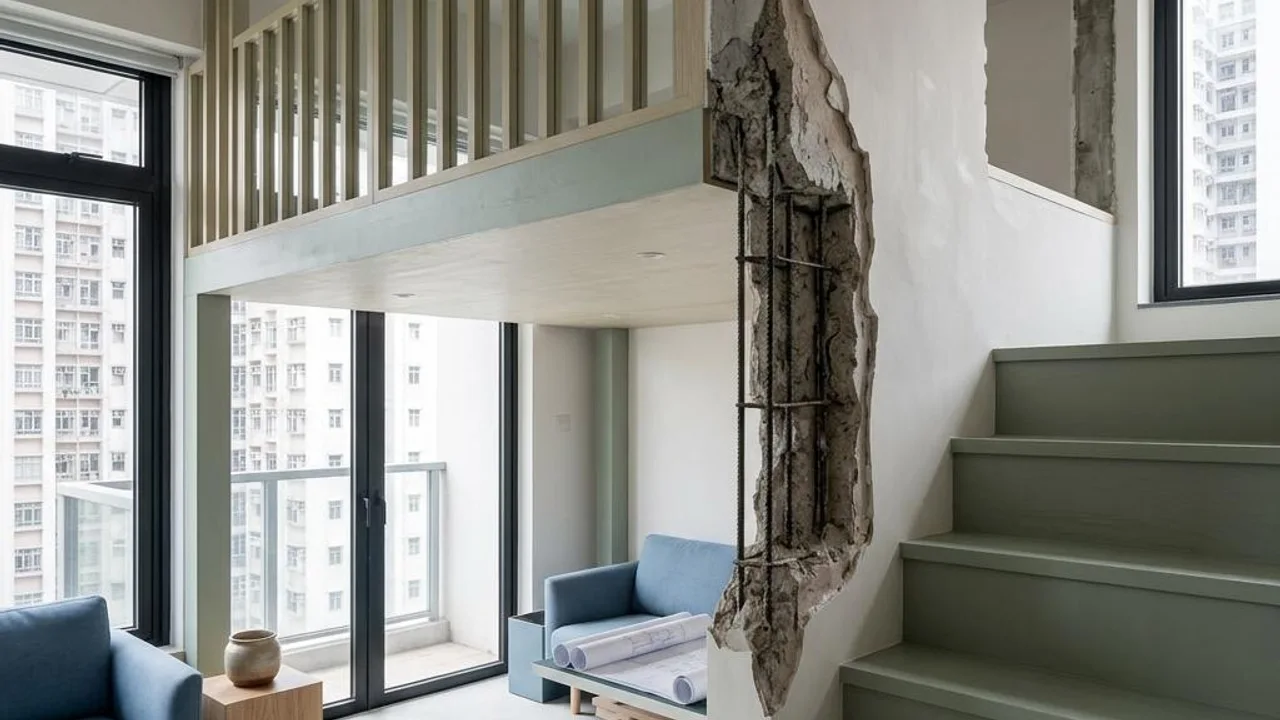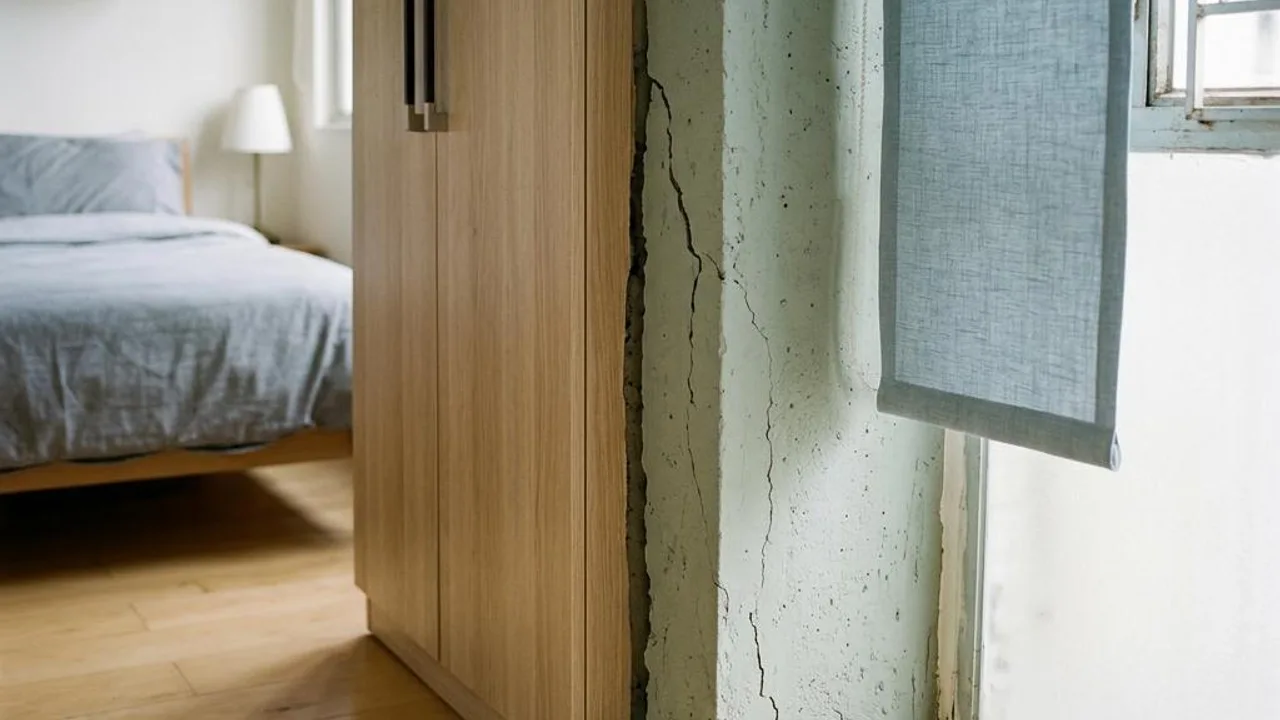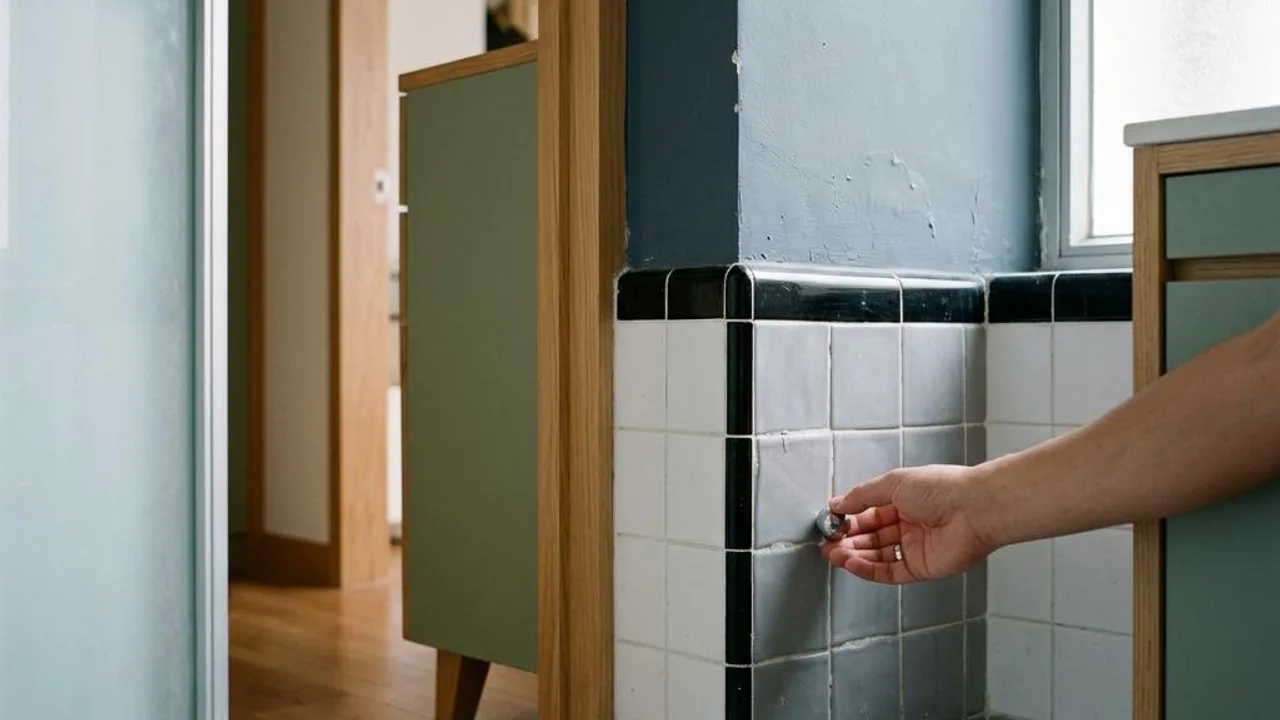
Clarification of liability for 'as-is' transactions.
When purchasing a secondary market property, the contract is often based on an 'as-is' purchase, meaning that unless otherwise agreed, the condition of the property at the time of handover is the final delivery standard. Unlike purchasing new property, there is no developer-provided maintenance period for secondary housing. Any hidden hazards or damages discovered after moving in are, in principle, to be repaired at the new owner's expense; therefore, pre-handover inspection is critical.
The homeowner should conduct a final inspection before the formal completion and strictly verify the list of included items with the seller. Many disputes stem from the vague definition of 'included appliances'. It is recommended to clearly record the brand, model, and existing operating state of the appliances to prevent the original owner from privately dismantling or replacing them with older models when handing over the property, thus safeguarding one's own rights.
- Confirm the specific legal liability of 'as-is' purchase in the contract terms.
- Check and sign the list of included furniture and appliances.
- Test the operating functions of all remaining equipment with the seller present.
Screening for water seepage and environmental hazards.
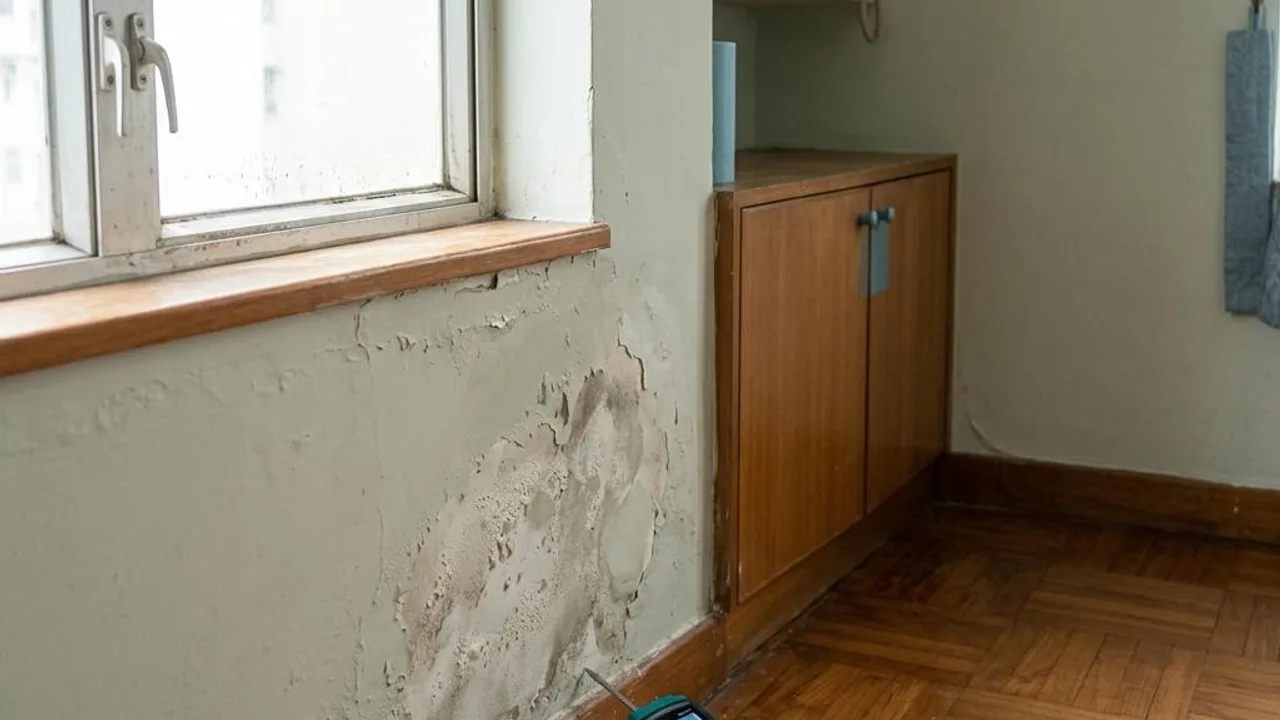
Water seepage is one of the most difficult problems to solve in secondary properties, as its source is often hidden beneath repainted surfaces. When inspecting, if the new owner finds water stains on the walls, peeling paint, or mold on the baseboards, they should record these immediately and require the seller to provide an explanation. While these signs cannot be treated as a definitive diagnosis, they are key indicators for assessing whether the building has seepage risks.
If the above symptoms are discovered, the owner should avoid blindly dismantling the wall and instead seek the assistance of technical personnel equipped with professional inspection instruments to perform non-destructive humidity testing. Identifying the source of seepage early not only avoids high repair costs but also prevents the problem from worsening to the point of affecting neighbor relations or triggering long-term legal litigation.
- Focus on observing whether there are water stains or mold on the baseboards of external bathroom walls.
- Check the ceiling for peeling paint or dark water stains.
- Check the window sill for obvious signs of water seepage or odors.
- Record the location of any findings and take photos to serve as evidence for follow-up.
Domestic electrical safety assessment.
Electrical installations in secondary residential properties age as the building's age increases. If not professionally inspected, hidden electrical faults can trigger fire risks. During handover, focus on inspecting the indoor distribution board, paying attention to signs of messy wiring, scorch marks, and whether sockets are deformed or heating up. If the equipment is old, even if there is no obvious damage visible to the naked eye, it is recommended to arrange for a professional to conduct a comprehensive test.
Any modification or replacement involving fixed electrical appliances (such as electric water heaters, air conditioners, and lighting) must be performed by a qualified Registered Electrical Contractor to ensure compliance with safety standards. Meanwhile, ensure that high-power appliances have dedicated sockets and avoid using too many power strips to prevent overloading, which is crucial for ensuring residential safety.
- Check the sockets for signs of scorch marks or looseness.
- Observe whether the insulation layer inside the distribution board has hardened due to overheating.
- Confirm that all high-power appliances have dedicated sockets.
- If old electrical installations are found, contact a Registered Electrical Contractor.
Using professional instruments to assist in property inspection.
Potential 'hidden diseases' in secondary market properties are often concealed beneath decoration layers, such as voids under floor tiles or micro-seepage in pipes within walls, which often cannot be reflected accurately by the naked eye. Utilizing professional instruments for inspection can help the owner objectively assess the maintenance level of the property, thus providing scientific reference data for subsequent renovation budgets or repair plans.
Professional property inspections typically combine infrared scanners and microwave moisture meters to see through hidden wall structures, and also check the stability of aluminum window hinges and rivets to reduce the risk of domestic accidents caused by loose windows. This type of professional inspection can materialize the real safety condition beneath the surface beauty of the property, serving as an important guarantee for investment safety.
- Use an infrared scanner to detect hidden water stains in walls.
- Use a microwave moisture meter to conduct wall surface moisture data analysis.
- Check the stability of the aluminum window hinges and rivet structure.
- Obtain an objective professional report to understand potential structural issues.
Daily usage and safety reminders.
During daily living, owners also need to develop the habit of regularly observing the condition of the home, especially after the rainy season, to check for dry and wet changes around windows and wall corners. If suspected seepage is found, first preserve on-site observation records and do not perform drilling or destructive testing yourself, to avoid affecting the subsequent judgment of the seepage source by professional personnel.
At the same time, attention should also be paid to indoor electrical loads, regularly checking the usage of sockets to ensure no deformation has occurred due to prolonged overloading. If abnormal noises or unstable voltage are discovered during daily use, stop using the relevant appliances immediately and contact a qualified contractor as soon as possible for investigation to ensure a safe electricity environment.
- Pay special attention to whether there is water seepage at the window sills during the rainy season.
- Avoid using too many high-power electrical appliances on a single socket.
- Regularly check whether changes in indoor wall colors reflect dampness.
- If power anomalies are found, contact a qualified person immediately.
FAQs
If signs of water leakage are found during handover, does it necessarily mean there is a burst pipe?
Not necessarily. Water seepage can be caused by various factors, such as pipe leakage, failure of the waterproof layer, condensation, or external wall damage. The owner should record the extent of the water stains and hire a qualified professional to use instruments for investigation; do not jump to conclusions or dismantle walls yourself.
How should aging electrical installations in secondary properties be handled?
If installations are old or show signs of damage, they must be inspected and replaced by a Registered Electrical Contractor to ensure that the wiring meets safety standards. Ensure that the contractor provides appropriate certification after completion, and do not attempt to handle or repair them yourself.
Why is it not recommended to judge the cause of water seepage by yourself?
The causes of water seepage are hidden; without professional knowledge and testing equipment, it is easy to misjudge. Furthermore, arbitrary destruction of walls may cause the problem to worsen, and even increase the difficulty for subsequent professionals to find the source. It is recommended to have professionals investigate and handle it.