Main Sources and Causes of Formaldehyde
In newly renovated homes, formaldehyde mainly originates from the adhesives used in various building materials and furniture production. Common emission sources include artificial boards (such as fiberboard or plywood), wood finishes, wall paints, and some chemically treated fabric curtains. As a volatile organic compound, the emission characteristics of formaldehyde gradually decrease over time after renovation, but it is highly prone to accumulating to high concentrations in enclosed spaces during the initial period.
Beyond material emissions, indoor air circulation is a key factor in determining formaldehyde concentration. If newly built properties lack sufficient air exchange after renovation, pollutants will remain indoors for a long time. For homeowners who have just completed renovations, understanding the characteristics of these pollution sources and using physical means to assist in indoor air renewal is the foundation for reducing initial exposure risks.
- Artificial boards such as plywood and fiberboard
- Indoor wall paints and wood finishes
- Glues used for flooring or carpentry
- Newly purchased fabric furniture or curtains
Rational Management of Indoor Air Quality
Homeowners should note that current management guidelines for indoor air quality primarily regulate public places and offices equipped with mechanical ventilation systems, and do not directly apply to private residential environments. Therefore, the assessment of indoor air quality in residences should focus more on management through daily observation and the improvement of lifestyle habits. Never rely solely on chemical sprays to mask odors, as this not only fails to solve the pollution source but may also cause secondary pollution.
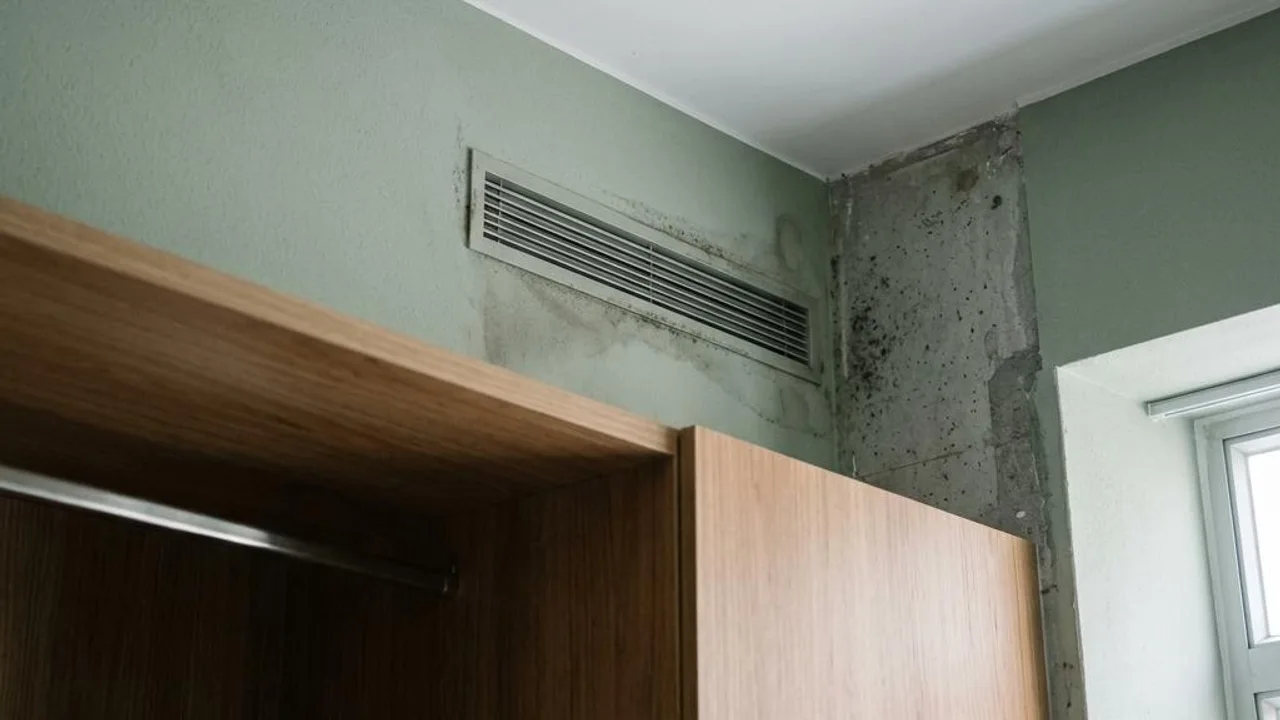
If family members experience eye discomfort or slight respiratory irritation indoors, while this cannot be directly judged as exceeding air quality standards, it is a warning sign to adjust the indoor environment. Controlling indoor relative humidity below 70% and ensuring the indoor ventilation system is operating normally can reduce mold growth and create a relatively healthy living atmosphere. When facing odor problems, the most pragmatic approach is to track ventilation conditions rather than just dealing with surface odors.
- Keep indoor ventilation systems operating smoothly
- Control indoor relative humidity below 70%
- Avoid relying on chemical sprays to mask odors
- Regularly check furniture surfaces for damage
Limitations of Professional Instruments and Environmental Testing
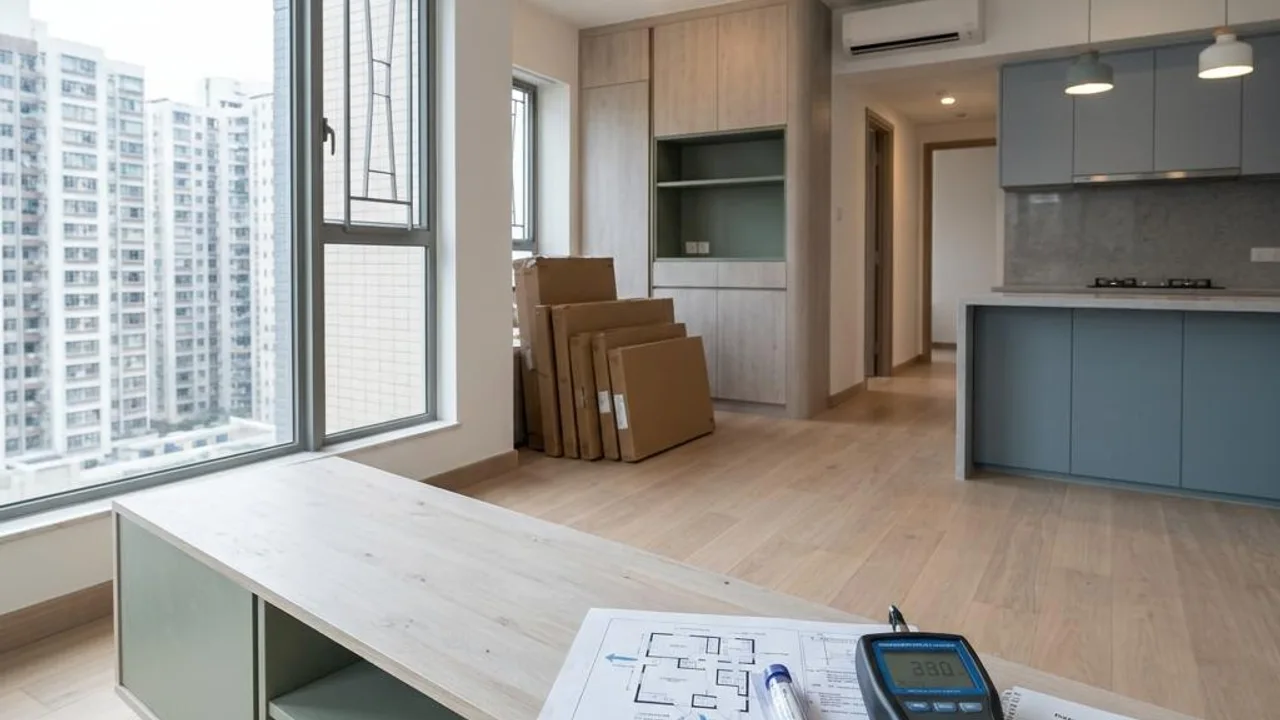
When assessing indoor formaldehyde, professional inspectors usually use instruments such as the Hal Technology Hal-HFC 105 to perform on-site testing to obtain specific air quality data. The main purpose of these data records is to assist homeowners in understanding the current environmental conditions, thereby identifying potential risk areas. However, such tests only reflect the state at the time of testing and are not permanent environmental certificates.
Environmental assessment data is easily affected by variables such as changes in the day's environmental temperature, the level of indoor relative humidity, door and window ventilation conditions, and the placement of the instrument. If the test results show abnormal values, homeowners should seek in-depth analysis from professional environmental consulting agencies; do not over-interpret the data themselves. Professional inspection should be positioned as an auxiliary reference for environmental improvement, rather than a final verdict on home safety.
- Use professional air quality testing instruments
- Provide on-site test data records
- Assist homeowners in preliminary environmental risk assessment
- Professional inspectors perform on-site operations
Effective Preventive Measures Before Moving In
Taking proactive environmental management measures before officially moving in is an effective way to protect air quality. It is recommended that homeowners open windows fully for long periods, using natural wind to increase the frequency of air exchange, thereby diluting and carrying away harmful gases accumulated indoors. In addition, avoid placing too much new furniture in the initial stage of renovation. If you must use them, be sure to keep cabinet doors open for a long time to facilitate the smooth diffusion of gas into the space and discharge it outdoors.
Using an electric fan to assist air convection is also a practical skill for improving ventilation efficiency, especially for dead corners with weak air flow. Keeping the indoor environment dry and fresh has a certain positive effect on slowing down the volatilization of formaldehyde from materials. Homeowners should incorporate these ventilation habits into their daily lives until they are sure that the indoor air quality has reached a relatively stable level, and only then consider reducing ventilation intensity.
- Open doors and windows for long periods to increase air exchange rates
- Avoid adding too much furniture in the initial stage of renovation
- Use fans to assist air convection
- Keep the indoor environment dry and airy
Scope of Service and Professional Division of Labor
The scheduling for related professional testing services is usually between 9:00 AM and 6:00 PM daily to ensure sufficient daylight and environmental observation conditions during the testing process. The report content mainly focuses on the on-site data and observations at the time of testing and does not include image records. The core of this service is to provide homeowners with objective environmental data, allowing them to adjust their indoor environment management plans with scientific evidence after the renovation is completed.
Environmental safety checks belong to a different category than building maintenance or safety certifications. For example, window safety inspections, structural hazard investigations, and electrical safety must be carried out by registered qualified persons or professional contractors, rather than as part of general inspection services. The inspection agency does not provide medical diagnoses or structural safety guarantees. When dealing with home safety issues, homeowners should distinguish between professional areas, and related questions should be consulted with appropriate qualified professionals.
- On-site testing conducted daily from 09:00 - 18:00
- Report content focuses on data analysis
- Window safety requires hiring qualified persons for inspection
- Structural and electrical safety requires professional contractors
FAQs
Formaldehyde concentration in newly renovated units is high; is long-term ventilation enough to improve it?
Long-term and comprehensive ventilation is the most direct and effective way to dilute indoor pollutants and can significantly reduce the accumulation of formaldehyde in enclosed environments. If combined with an electric fan to strengthen indoor convection, the effect is even better, helping to accelerate the release of volatiles from boards and discharging them in time.
What external conditions affect the data of testing instruments?
Test data is highly dependent on the current environmental state, including the day's temperature, air humidity, the opening angle of indoor doors and windows, and ventilation flow. Therefore, data measured on different days may fluctuate; homeowners should regard it as a reference indicator for the environment at that time, rather than a fixed conclusion.
What should I do to contact professionals if I find high indoor formaldehyde concentration?
If the data is abnormal, you should directly consult a professional environmental consulting agency and ask them to provide specific suggestions for improving indoor air flow. If it involves building structure or electrical safety hazards, you must hire a registered engineer or a qualified contractor; do not try to make any changes yourself.