Causes of paint peeling caused by masking tape
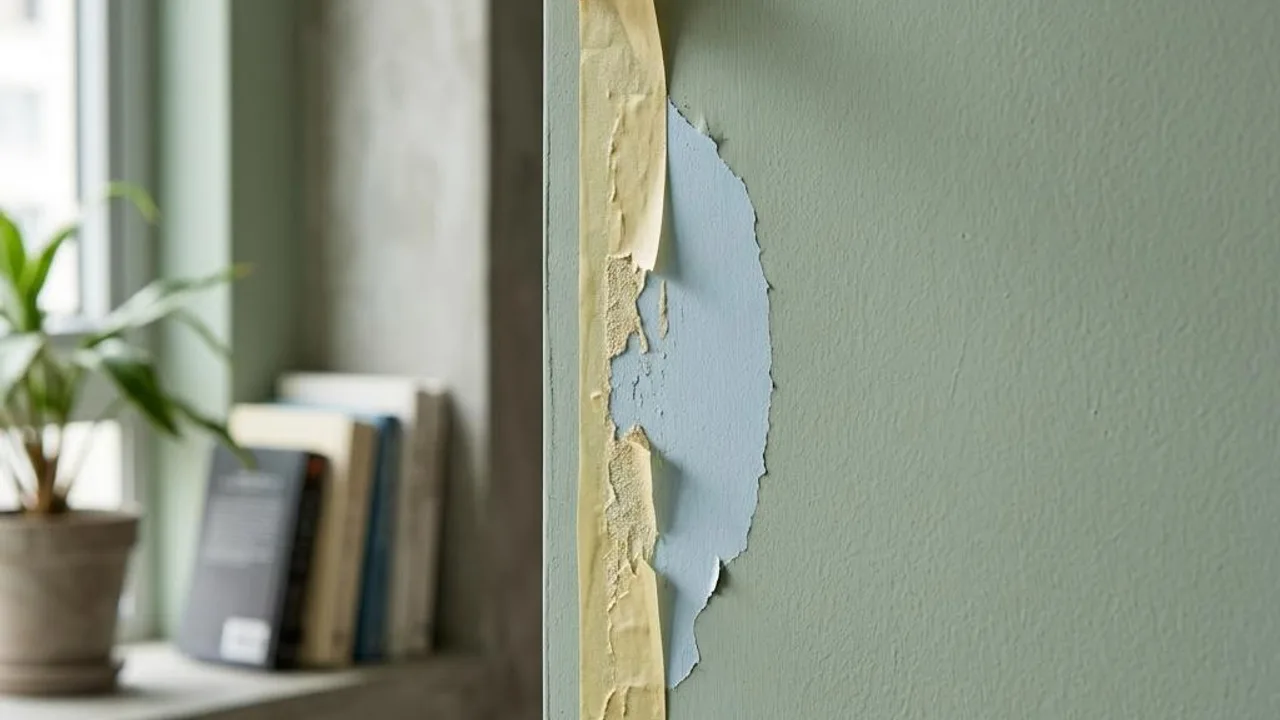
Many owners are accustomed to using masking tape to mark the wall during property handover or renovation inspections to facilitate subsequent follow-up defect rectification. However, if this tape is left on for a long time, it can easily damage new paint. The adhesive components in masking tape undergo chemical changes after contact with air, ultraviolet light, and changes in indoor temperature. If applied to a latex paint surface that has not yet completely stabilised, the adhesive will penetrate into the micropores of the paint surface, forming a tight bond, which will cause the paint film to peel off when removed.
In Hong Kong's humid environment, adhesive is more likely to react with latex paint, leading to serious residue or even peeling. Forcible removal not only destroys the aesthetics of the renovation but may also cause local plaster damage. To avoid secondary damage during property inspection, owners must understand that masking tape is not 'trace-free'. Its duration of use is closely related to the state of the wall paint, and it should never be viewed as a long-term marking tool.
- Adhesive penetration and curing: Prolonged retention leads to a tight bond with the paint film.
- Latex paint drying cycle: The underlying structure is not yet fully stable, and its tensile strength is relatively weak.
- Environmental factors: High humidity and temperature fluctuations accelerate the deterioration of the adhesive.
- Ultraviolet light exposure: Causes the masking tape to become brittle, increasing cleaning difficulty.
Best practices for applying and removing masking tape
Selecting appropriate marking materials and controlling removal time are key to protecting walls. Standard low-tack masking tape is suitable for temporary masking; it is recommended to remove it within 24 to 48 hours after the paint surface has dried. Leaving it on the wall for more than two weeks will significantly increase the risk of paint film peeling. In addition, industrial-grade heavy-duty adhesive tape should never be applied directly to latex paint surfaces; these products are usually for short-term protection of hardware or tiles and have excessive adhesion to wall paint.
If long-term marking is necessary, professional eco-friendly trace-free marking tape should be used; its tack is specially designed to reduce erosion on the surface. For sensitive painted locations, it is recommended to use the 'photograph first, clean later' method, minimising the contact time between the tape and the wall surface to reduce risks.
- Standard low-tack masking tape: Suitable for removal within 24 to 48 hours.
- Long-term retention warning: Exceeding two weeks carries a high chance of damaging the paint topcoat.
- Material selection: Avoid using industrial heavy-duty tape on walls.
- Eco-friendly marking tape: Suitable for scenarios requiring short-term and low-damage protection.
Division of labour between self-marking and professional property inspection
For simple home inspections, owners can make preliminary records through small-scale, short-term markings. As long as the time is controlled and the tape is not left overnight, it can effectively assist in subsequent communication with the renovation company. Such DIY work should focus on recording minor defects, such as scratches on switch panels or single-point paint flaws, and be sure to remove the tape immediately after recording.
For complex wall issues, such as large-area hollowing, obvious cracks, or deep-seated water seepage, it is recommended to have professional property inspection personnel assist with follow-ups. Professional teams will use appropriate tools when handling markings to avoid causing secondary damage to the wall. In addition, professionals can provide more precise defect rectification advice to ensure that wall repairs meet standards, avoiding extra costs for the owner due to improper self-handling.
- Self-marking: Limited to short-term, minor defect recording.
- Professional supervision: Handling large-area defects or technical repairs.
- Risk management: Avoid leaving adhesive tape on unstable surfaces for long periods.
- Professional assistance: Reducing additional costs caused by improper maintenance.
Incorrect and correct ways to handle adhesive residue
Once adhesive residue is found on the wall surface, avoid using hard tools like scrapers or wire brushes for vigorous scraping, as these actions are very likely to damage the wall's paint and plaster, creating more noticeable holes. If a small amount of residue appears, try using a hairdryer at a proper distance from the wall to blow gently for about 30 seconds to soften the adhesive before wiping it off lightly, ensuring the hot air does not damage the paint film.
If the adhesive has deeply penetrated the wall surface, local touch-up painting is often the last resort. Owners should remain calm during cleaning to avoid expanding the range of damage in pursuit of perfection. If the situation is too severe or involves large-scale paint damage, it is recommended to consult a professional team to assess whether the affected wall needs to be repainted to maintain the integrity of the home's renovation.
- Avoid hard object scraping: Do not use scrapers or sharp tools.
- Hot air softening: Use moderate temperature control to clean off residue.
- Local treatment: In severe cases, consider local repainting.
- Prevention is better than cure: Remove marking materials as early as possible.
Techniques for preventing wall surface damage
When using tape markings, shorten contact time to avoid the adhesive reacting with the paint film over long periods. It is recommended to arrange for defect rectification as soon as possible after marking and to take photos to record the location of defects to reduce the risk of erosion on the paint surface.
If adhesive residue is left behind by accident, do not use hard objects such as scrapers to scrape it off, so as to avoid scratching the wall surface or causing plaster to peel off. It is recommended to use soft materials to wipe it off moderately; if the situation is serious, consider local repainting to keep the surface intact.
- Tape markings should be removed on the same day if possible.
- Never use sharp, hard objects to scrape off adhesive residue.
Professional acceptance and safety precautions
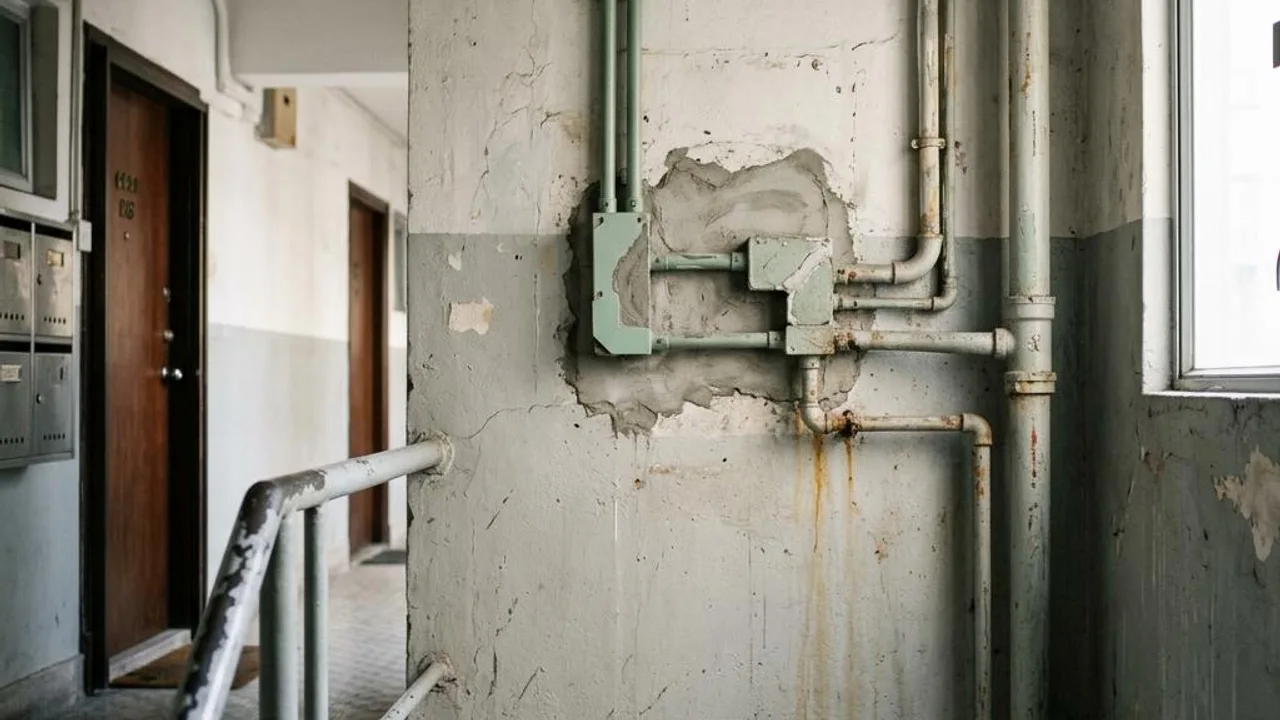
The acceptance process involves not only checking the decorative layer but also paying attention to electrical and structural details. Check the fuse box to ensure switches are normal; if abnormalities are found, arrange for professionals to handle them. Do not attempt to dismantle electrical equipment or internal wall components yourself.
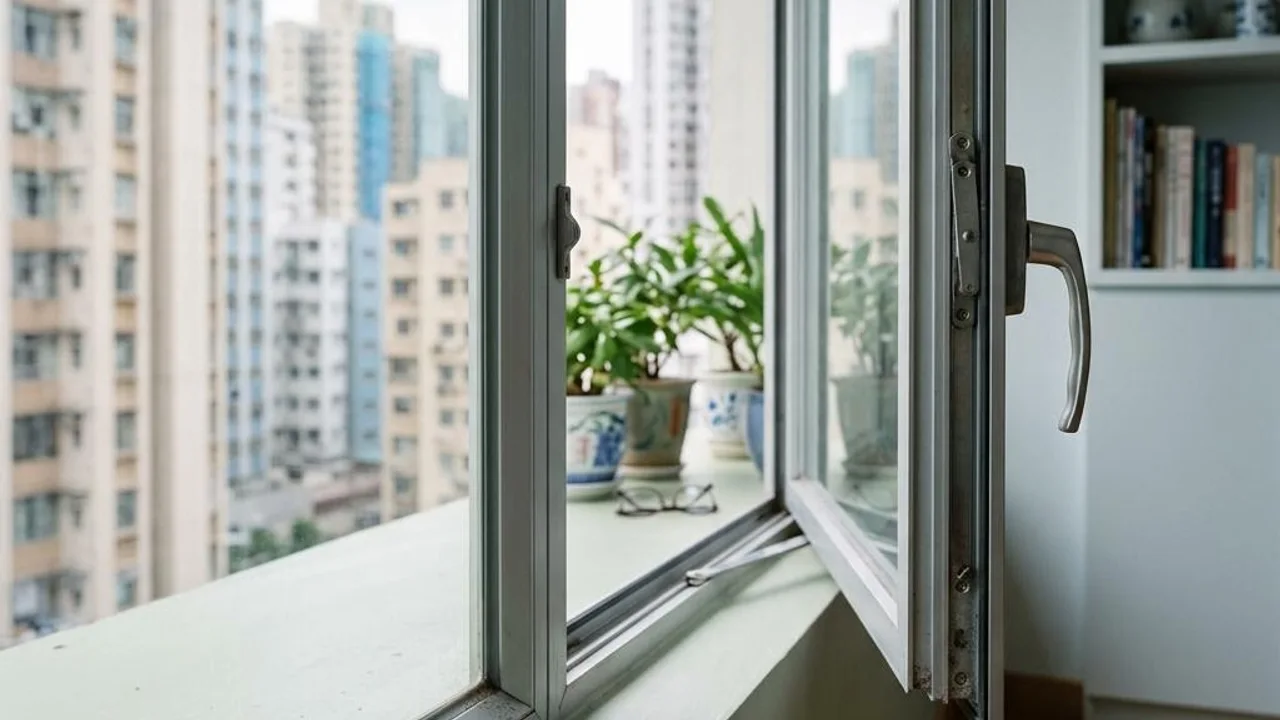
Special attention must be paid to the risk of water seepage near windows. If tape covers the waterproofing position of the window frame, remove it early to avoid affecting the aging of the rubber strips. Any water seepage check should be handled by a qualified person equipped with professional instruments.
- Fuse box inspection must be assisted by a registered electrical contractor.
- Acceptance should prioritise safety and structural integrity.
FAQs
If the wall surface is left with serious adhesive residue after tearing off the masking tape, should I sand it down with sandpaper myself?
It is not recommended to use sandpaper yourself, because sandpaper will wear down the surrounding intact paint film, leading to an expanded repair area and obvious colour differences. It is recommended to first try blowing with warm air to soften the adhesive residue; if it is ineffective, consult a professional master for local paint touch-up treatment.
How should tape markings on the wall be preserved during a month-long renovation defect rectification project?
Tape should not be preserved. If the project duration is long, use the 'take a photo record' then remove the tape method. If marking is mandatory, consider using other auxiliary methods that do not involve sticking to the wall, such as creating a defect rectification list or making non-contact identifiers near the wall defect locations.
Can owners distinguish between different types of property inspection defects by sticking colour labels on the wall?
It is recommended to avoid sticking labels directly for a long time. Even for colour labels, their backing adhesive can damage the wall, and the tackiness of different labels varies. It is recommended to switch to photographic records and build electronic files, which is the safest method to keep defect information in the long term.