
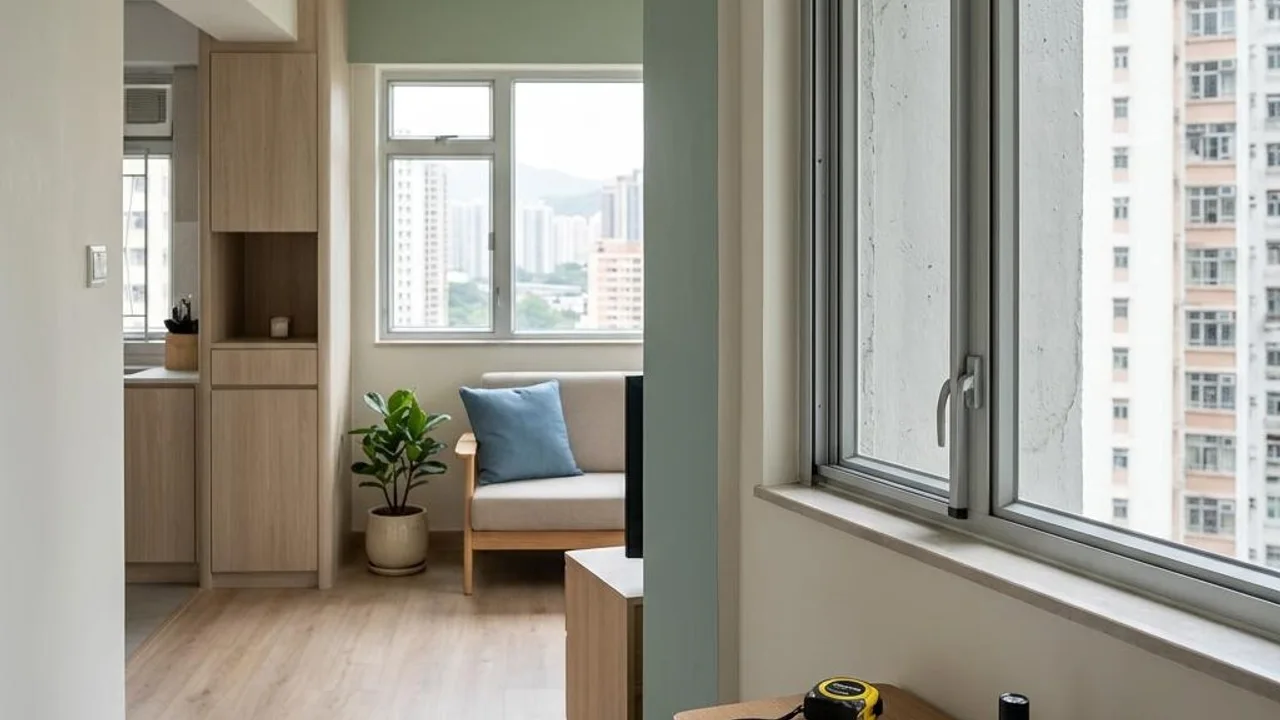
The key significance of HOS property inspection
Buying an HOS flat is an important life decision. Property inspection is not only to confirm the completeness of the handover list, but also to safeguard the quality of living after moving in. During the decoration and installation works of new HOS flats, minor defects are inevitable. Through a systematic property inspection process, owners can identify these potential problems in a timely manner.
The purpose of property inspection is to confirm whether the unit's functionality is working normally. From the wall structure to water and electrical fixtures, detailed inspection can effectively reduce the trouble of frequent repairs after moving in, allowing you to plan your new home layout with peace of mind and ensuring that every cent spent receives the quality assurance it deserves.
- Safeguarding living safety and comfort after moving in
- Establishing a complete record of unit defects as proof of handover
- Preventing subsequent expenses due to minor water seepage or electrical hazards
- Ensuring the quality of decoration materials and equipment meets acceptance standards
Structural and interior space inspection
The structural quality of a building is the top priority for property inspection. Owners should focus on checking the flatness of the unit's walls, floors, and ceilings, paying attention to whether there are abnormal cracks, indentations, or water marks. These signs are often indicators of structural problems or internal seepage and should not be underestimated.
In addition, the operation of windows cannot be ignored. Test whether all windows open and close smoothly, and check if the sealing strips of the window frames are intact, to ensure that they can effectively withstand wind and rain in the future. Any signs of water seepage should be recorded in detail and confirmed with the cause in the company of professionals.
- Observe whether the walls and floors are level and free of abnormal cracks
- Check whether the ceiling has water stains, spalling, or peeling paint
- Test whether windows and door locks operate smoothly
- Verify the sealing performance of window frames and whether there are signs of water seepage
Electrical system safety inspection
Electrical safety involves the core of daily life. When inspecting a new home, focus on checking the sockets, switches, and lighting fixtures in the unit to ensure they are working properly and positioned to meet practical needs. Owners need to pay special attention to whether there are scorch marks at the socket connection points; this is a sign of a serious safety hazard.
Remember, modifications involving fixed electrical appliances (such as electric water heaters, ceiling lights) must be handled by a registered electrical contractor. During property inspection, owners are limited to observing whether their daily operation is normal. If abnormal flickering or power interruption is found, it should be recorded immediately and a professional consulted; do not dismantle them yourself.
- Confirm that all sockets and switches can control the power supply normally
- Check if electrical equipment has abnormal flickering or a burning smell
- Test whether fixed lighting and household appliance functions are working stably
- Ensure high-power appliances have dedicated sockets to prevent overloading
Assessment of water pipes and drainage functions
The sealing of the water pipe system and drainage efficiency are key to ensuring a hygienic environment. During inspection, you should test every tap and shower head one by one to confirm that water pressure is sufficient and there is no intermittent leaking. At the same time, observe whether the toilet flushing function is normal and ensure there is no water leakage.
The drainage system test must include all drainage outlets such as the kitchen, bathroom, and balcony. Pour an appropriate amount of water into the drainage points and observe the flow speed to confirm that the drainage path is clear and there is no risk of backflow. If slow drainage is found, follow-up should be arranged as soon as possible to avoid accumulation of water that breeds bacteria later.
- Test the water pressure performance of kitchen and bathroom taps
- Ensure drainage outlets are smooth and free of blockages
- Observe if there is any water seepage or leakage around the shower and washbasin
- Test the toilet flushing performance and the base seal
Decoration works detail verification
Detailed inspection of decoration quality can effectively reduce complaints after moving in. Wall paint should be smooth, even, and free of obvious color differences or spots. Check whether floor laying is level and if the material and specifications are consistent with those originally agreed upon, ensuring there is no warping or loosening.
For fixed equipment such as cabinets, washbasins, and bathtubs, also confirm the installation sturdiness, and whether drawer and door hinges open and close silently and smoothly. Checking these details not only affects aesthetics but is also directly related to future service life; any obvious damage or improper assembly should be requested to be corrected.
- Examine whether the paint application is even and free of stains or peeling
- Test the opening sensitivity of cabinet hinges and drawer slides
- Confirm that the floor material is level and the joints are intact
- Assess the installation sturdiness of the bathtub and washbasin countertop
Ventilation and environmental comfort
A comfortable home environment cannot be separated from good ventilation and lighting. During inspection, please pay attention to the air circulation in the unit under natural ventilation conditions, and ensure that the placement of doors and windows can effectively introduce natural light and fresh air, which helps reduce the risk of dampness.
In addition, pay attention to indoor and outdoor noise levels at different times. If the unit is close to the street or disturbed by the external environment, the owner can consider adding sound insulation measures based on their actual experience. Property inspection is not just checking parts; it is your first assessment of your future living comfort.
- Test natural lighting and ventilation efficiency
- Observe the storage space and details inside the cabinets
- Pay attention to indoor sound insulation performance and potential noise sources
- Assess whether the overall home layout and space configuration are suitable
FAQs
How should I handle it if I find water stains on the wall during property inspection?
The owner should record the location of the affected area and take photos as evidence. Water stains may be left over from construction or be signs of potential seepage; consult a professional to investigate the cause, and do not carry out sealing or repairs yourself.
If I find a power supply problem with a socket, can I repair it myself?
No. Any repairs involving electrical systems must be carried out by a Registered Electrical Contractor. During a property inspection, homeowners should document any electrical anomalies and engage qualified personnel to perform testing and repairs.
If drainage is slow, does this mean the pipes are blocked?
Slow drainage can have various causes, such as construction debris in the pipes or design issues. Homeowners should document the phenomenon and consult professional technicians to check whether cleaning or further inspection of the piping condition is required.


