
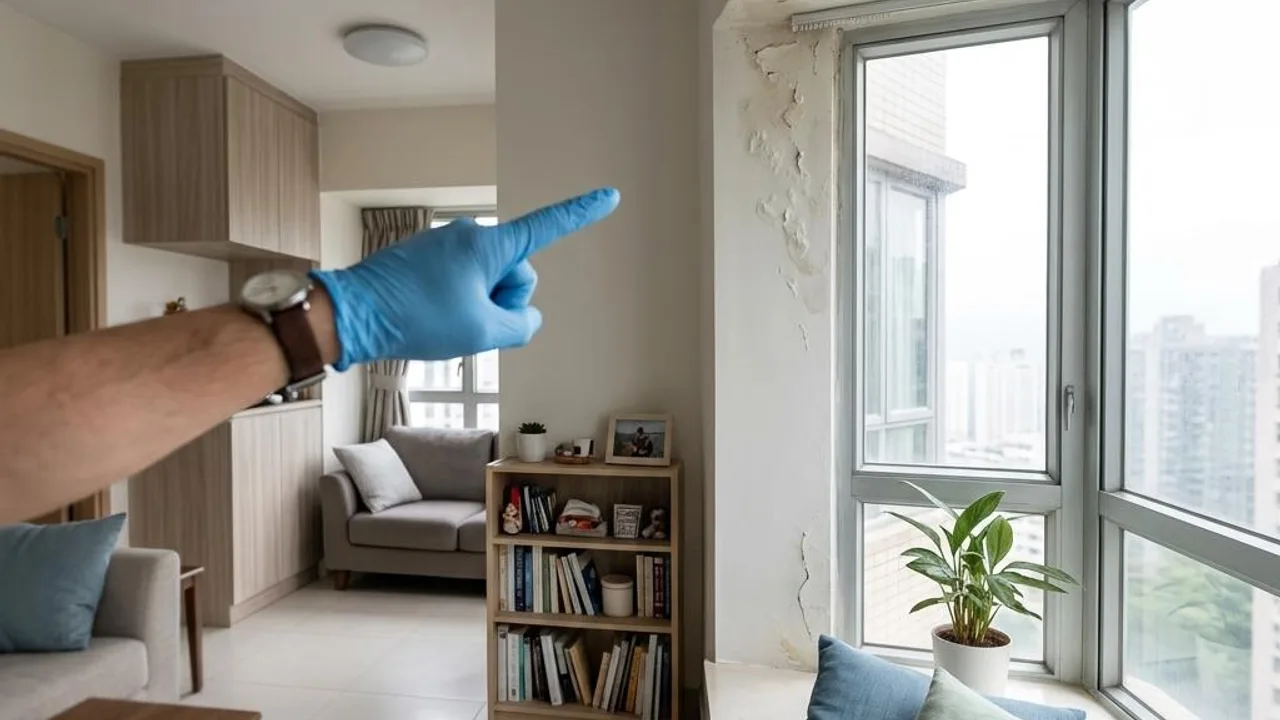
Property inspection is the key to safeguarding first-hand property rights.
When purchasing a first-hand new property, owners are often excited about moving in. However, property inspection is not just about checking surface cleanliness; it involves professional assessments of many concealed details. Many new homes may hide construction oversights that are difficult to see with the naked eye. If these are not discovered and followed up on early during the handover, owners may face expensive maintenance costs and time costs in the future.
Professional property inspection not only ensures that the unit's renovation meets expectations but also serves as important evidence for clarifying the condition of the handover. Through systematic inspection, owners can confirm whether various equipment in the property is operating normally and assess whether the internal structure and facilities comply with the contract. For owners, mastering the correct property inspection process and techniques to avoid traps is the key defensive line for protecting personal interests and ensuring the quality of life in a new home.
- Confirm the property inspection process to protect owners' rights.
- Avoid bearing maintenance costs due to negligence.
- Ensure engineering quality through professional procedures.
- Establish a solid foundation for life after moving in.
Common surface defects in indoor renovation and observation methods.
Developers usually perform cosmetic renovations before handover. Owners should be aware that some renovations may only be superficial, intended to cover up construction flaws in wall details. Common problems include using wallpaper to cover wall cracks or applying thick paint to hide unevenness in plastering work. During the property inspection, the use of light is particularly important; owners should use auxiliary light sources to shine on the wall from the side to expose hidden unevenness or cracks.
In addition to visual observation, one must also pay attention to whether there is hollow sound in the walls, known as plaster hollows. This is usually caused by improper plastering construction and may lead to the plastering layer peeling off in the long run. Owners can gently tap the wall to feel the difference in sound; if a hollow echo is heard, the location should be recorded and the developer requested to follow up. Furthermore, the filling of gaps between floor tiles and the straightness of the joints also reflect the meticulousness and quality of the construction.
- Use side lighting to check for wall cracks and indentations.
- Pay attention to the hollow situation of the plastering layer.
- Check the flatness and filling of floor tile gaps.
- Record the location of defects for subsequent repair reporting.
Concealed engineering and drainage/electrical inspection.
Concealed work such as water and electrical piping and waterproofing layers belongs to a range that is harder to detect during property inspection. Owners can observe whether the water pressure from taps is stable and confirm the basic operation of sockets and switches. If loose sockets, non-functional switches, or leaks in water pipes are discovered, they should be recorded and a professional electrician or licensed plumber consulted to follow up. Do not dismantle electrical appliances or perform circuit repairs yourself.
Regarding windows and sealing performance, owners can observe whether there are signs of water seepage at the edges of the window frames, but it must be noted that this is not a professional certification of structural safety. If it involves high-risk or high-altitude work, it must be handled by professional registered personnel; do not conduct dangerous inspections yourself. At the same time, check whether the water supply pipes are stable and whether there are abnormal noises or vibrations; these details are often early signals of future water leakage, which cannot be ignored.
- Test water pressure stability and drainage smoothness.
- Check socket power and switch operation conditions.
- Note signs of water seepage and sealing at window frame edges.
- Owners are forbidden from performing high-altitude window inspection work themselves.
- Identify potential risks of pipe vibration or loosening.
Equipment verification and confirmation of contract standards.
During the inspection process, ensuring that the unit's equipment matches the sales brochure or the sales contract is a core task. Owners should check the appliance brand, model, and installation location one by one to ensure they match what was promised. Common situations include developers substituting brands due to supply chain issues, or the configuration of functions being different from the show flat. Owners must verify item by item based on the contract list to ensure that the function of every appliance meets contract requirements and confirm that they are installed properly with no obvious damage.
In addition, regarding the confirmation of area and layout, owners can check whether the interior layout matches the floor plan. If design errors or missing facilities are discovered, objections should be raised as early as possible. Check the startup condition of all air conditioners and ensure there is no risk of leakage from the condensate drain pipes; these details are crucial for the experience of living there in the future. If there are any changes or differences, be sure to keep back-up copies of relevant written documents and photos as evidence for communication later.
- Check appliance brands and models based on the sales contract.
- Confirm facility installation location and operational functions.
- Verify that the interior layout is consistent with the developer's floor plans.
- Check the operation of the air conditioning condensate drainage system.
- Record differences and keep relevant written proof.
Objectivity of professional property inspection work.
When owners discover multiple complex issues or hazards involving structural integrity, hiring professional third-party inspectors is a rational approach. A professional team possesses standardized inspection tools and experience, can conduct systematic assessments of wall flatness, seepage risks, and electrical configuration, and records the discovered defects in a formal report to assist owners in effective communication with developers for repairs.
In addition to professional evaluation, a property inspection report is also a powerful document for owners to safeguard their rights. Through the perspective of professional personnel, owners can clarify which flaws belong to construction craftsmanship issues and which ones require special attention regarding safety. This not only assists owners in resolving problems before moving in but also avoids additional financial loss caused by early construction defects during future use.
- Engage a third-party inspection to ensure objectivity.
- Professional team to evaluate potential hazards in the house.
- Provide a standardized property inspection record report.
- Assist owners in clarifying follow-up matters for repairs.
FAQs
If a hollow sound is found in the wall during property inspection, must I ask the developer to redo it?
Wall hollowness is usually caused by improper plastering construction. If the hollow area is large or located in a place that is easily subjected to force or is damp, it is recommended to record the location and ask the developer to assess the risk and repair it to prevent the plastering from peeling off in the future.
How can I observe if there are signs of water seepage at the edges of window frames?
Owners can check around window frames for rust, mould, paint peeling, or water stains, as these are often early signs of water leakage. If obvious seepage is found, consult a professional to identify the cause; do not attempt to dismantle or repair it yourself.
How should an owner proceed if the brand of home appliance does not match the contract?
If you discover that the brand or model of an appliance does not match the sales brochure, you should photograph the appliance, compare it with the contract inventory, and submit a written request to the developer's customer service department for verification, requiring them to follow up or provide an explanation according to the contract agreement.


