Hidden concerns of failed bathroom waterproofing layers
Hong Kong's buildings are densely structured; if bathroom waterproofing is poorly executed, water can seep into the slab structure through daily use, impacting units below. Such hidden leaks usually do not show immediately; often after residing for a period, they result in ceiling paint peeling, mould growth, or persistent water seepage in the unit below, placing a significant burden on neighbourly relations.
Facing seepage complaints, property owners often need to engage in complex liability clarification procedures; if the situation is serious, it may even trigger a statutory water seepage investigation. As the core area for domestic water usage, the integrity of a bathroom's waterproofing works is not only about personal property and renovation longevity but is also a fundamental prerequisite for maintaining community harmony and good neighbourly relations.
- Water seeps into the floor slab via micro-cracks in the floor tiles
- Long-term water accumulation leading to neighbour's ceiling peeling and mould
- Liability and compensation risks derived from seepage disputes
- Impact of water leak investigations on personal privacy and time
Pre-inspection and risk management
Before moving in or undergoing indoor renovation, executing professional water storage and leakage tests is the most cost-effective means of protecting a property. By simulating the water pressure environment of daily life, letting the bathroom undergo testing while in a static state, potential flaws can be discovered within the golden repair period. Whether in the defect rectification warranty period of a new building or the pre-phase of a second-hand renovation, this action can significantly reduce reconstruction costs caused by having to remove wall tiles afterwards.
Pre-emptive waterproofing inspection ensures subsequent renovation works are built on a dry and safe foundation, preventing moisture from being trapped in materials and triggering long-term hazards. Proactive monitoring not only saves materials and money but also maintains renovation progress stability, ensuring the home environment has reliable safeguards regarding structural quality.
- Utilising test procedures to discover hidden hazards in the early construction phase
- Making good use of the new property defect rectification period to request maintenance from the developer
- Assessing seepage risks before second-hand property renovation
- Avoiding the demolition of expensive renovations due to later water leaks
Structural safety and property value maintenance
The harm caused by long-term water leaks to building structures cannot be ignored. Moisture penetration erodes reinforcing bars, promoting rust and expansion, which then induces concrete cracks or even ceiling spalling, directly weakening the building's safety lifespan. Through a rigorous property inspection, checking the quality of the waterproofing layers in shower stalls, washbasins, and floors is the key to effectively isolating water within living areas, directly protecting the property's core structural safety.
A rational approach to waterproofing inspection is an essential path to maintaining long-term property value. A dry, hygienic bathroom environment can significantly enhance quality of life. Strict control over construction details reduces repair pressure caused by structural deterioration, ensuring the unit maintains higher durability and valuation in the market.
- Preventing reinforcing bar rust caused by moisture penetration
- Protecting concrete structures from long-term erosion
- Maintaining the integrity of the bathroom floor waterproofing layer
- Enhancing long-term property durability and market value
Professional instruments and objective inspection
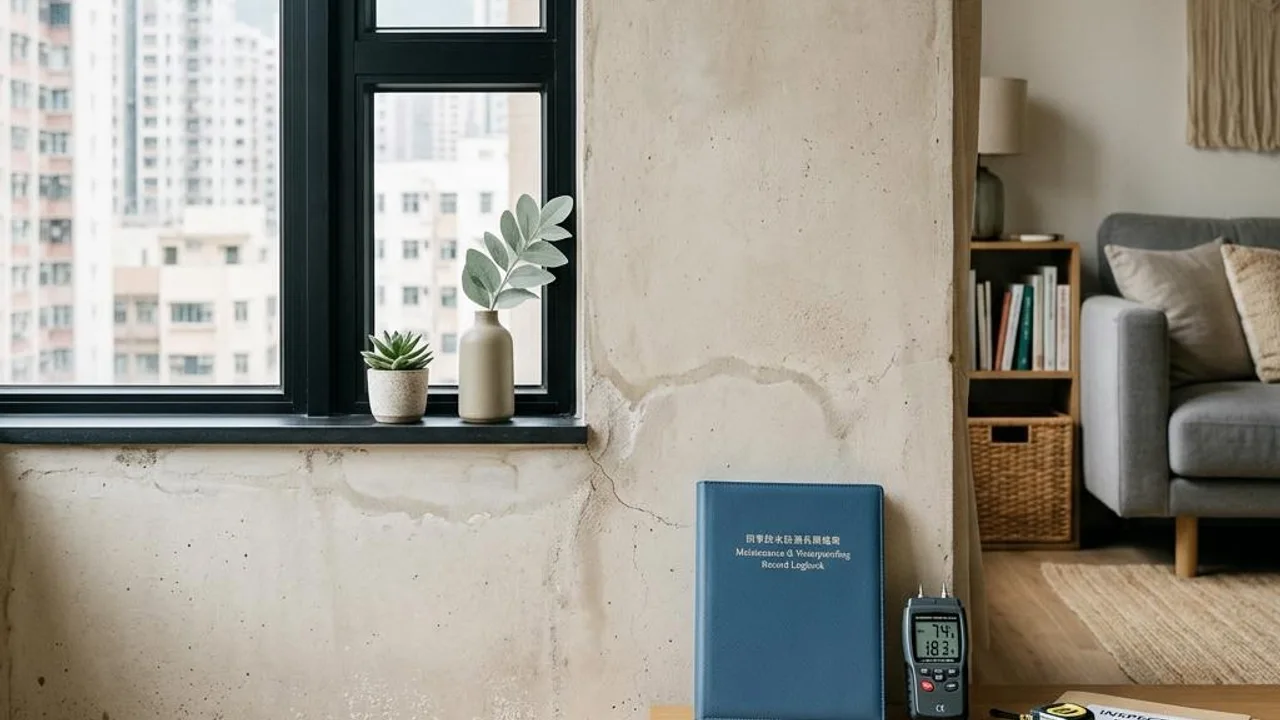
Bathroom waterproofing involves complex architectural physics and materials science; merely observing surface tiles with the naked eye often cannot determine waterproofing performance. Professional property inspection teams are equipped with non-destructive testing instruments, which can evaluate the moisture content of walls and floors without damaging existing decorations. This scientific data provides the most valuable objective basis, ensuring seepage detection is not only broad in scope but also highly targeted.
The report provided by the expert team can assist the owner in accurately locating the source of the leak, providing the most solid technical support for repair works. Through expert diagnosis rather than subjective judgement, the owner can maintain the core of the problem, ensuring the waterproof barrier truly meets functional standards and avoiding ineffective, repeated patching.
- Infrared thermal imaging monitors potential leakage sources
- Microwave moisture meters measure the moisture content inside walls
- Professional dye tests assess waterproofing layer performance
- Providing scientific and objective written reports
Self-observation advice for home waterproofing
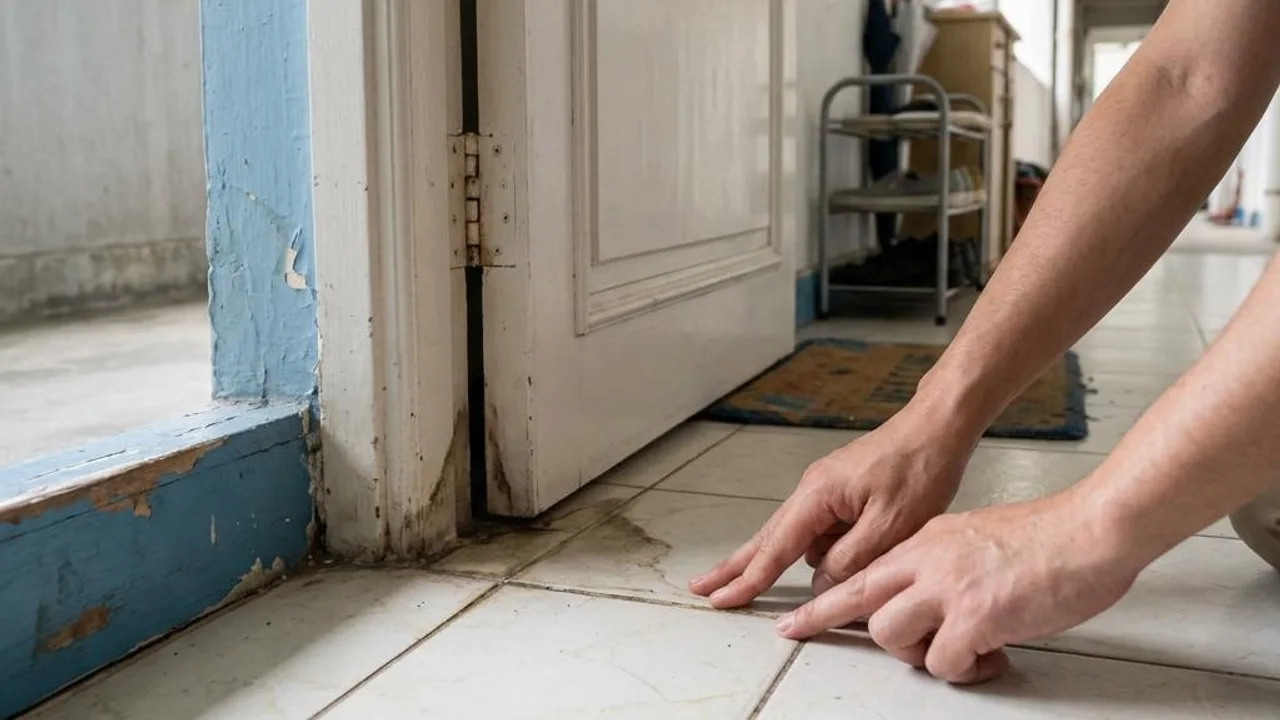
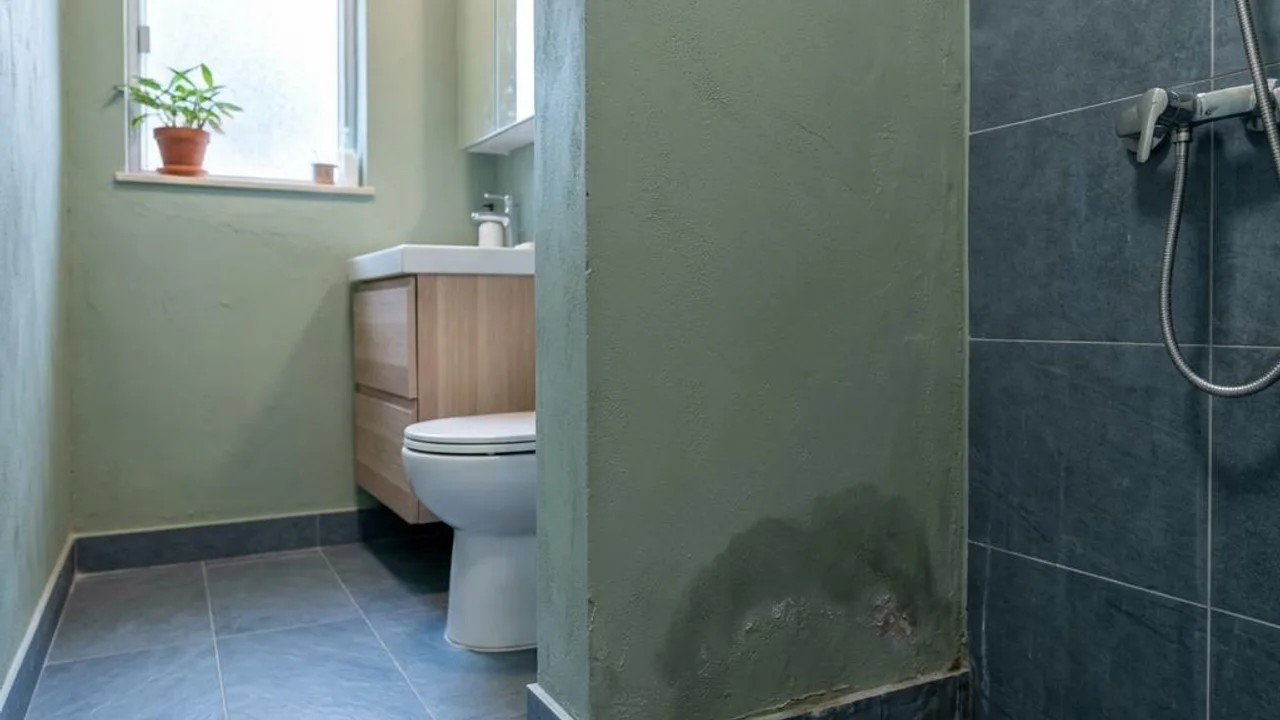
Although professional instrument inspection is the most accurate, property owners can also stay alert in daily life by regularly observing whether abnormalities appear at the edges of the bathroom. For example, whether tile joints show obvious discolouration or mould accumulation, or if there are fine cracks at the interface between the floor and wall corners. Although these phenomena do not guarantee that a structural leak has occurred, they are observation indicators of the waterproofing layer's lifespan decay; it is recommended to consult a qualified person for assessment at the appropriate time.
If an owner discovers water marks appearing in the unit below, or if a bathroom wall remains abnormally damp for a long time, do not conduct large-scale demolition or attempt to use sealant to plug cracks yourself. The most proper approach is to record the specific phenomenon and, with clear photos and time logs, commission a professional with inspection experience to conduct an on-site visit to formulate a correct maintenance plan.
- Regularly pay attention to the condition of wall corners and floor tile joints
- Pay attention to whether walls remain damp for long periods without drying
- Record the time and scope of leakage signs
- Commission a professional to conduct an investigation and diagnosis
FAQs
How to determine if the bathroom waterproofing layer is sufficiently stable during a property inspection?
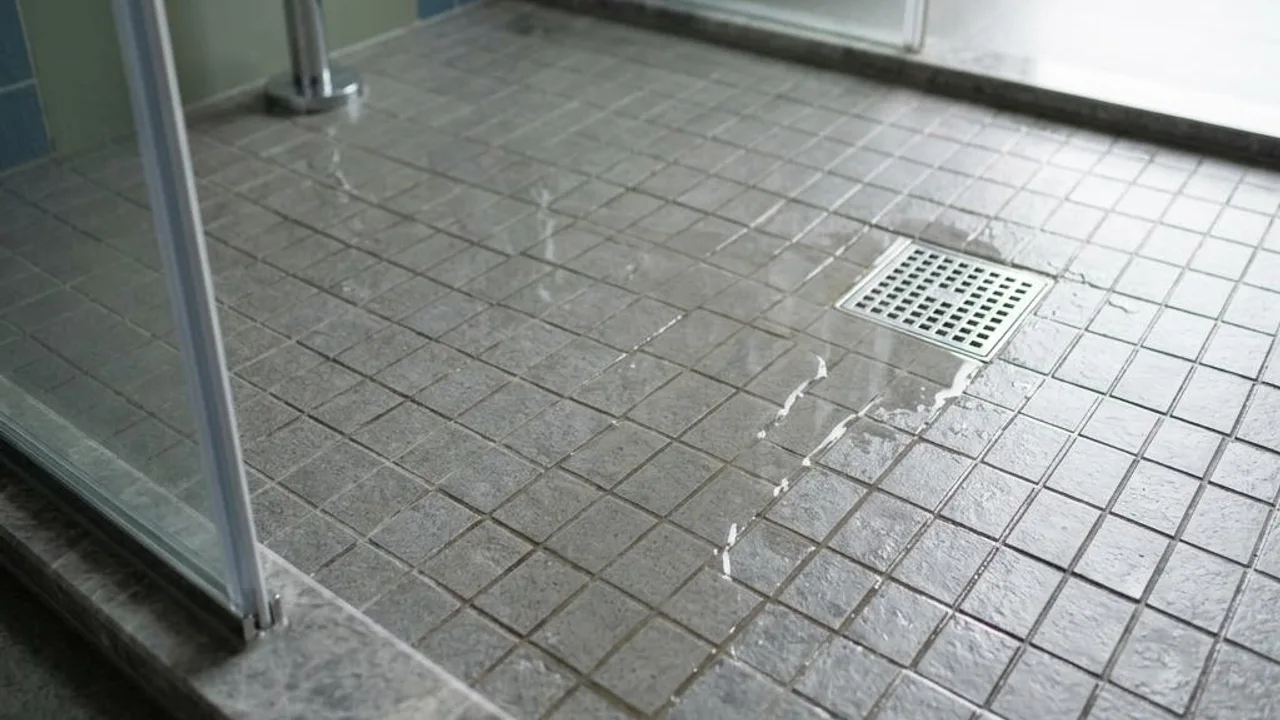
Professional property inspection mainly uses water storage tests, where water is injected into the shower area or floor and left to stand, observing whether the water level drops within a certain period. Supplemented by hygrometers and infrared thermal imaging, moisture data inside walls and floors is detected to comprehensively evaluate whether the waterproofing layer can effectively block moisture penetration.
If signs of leakage are found on the ceiling, how should the owner handle it?
First, communicate with the upstairs neighbour to verify the timing and pattern of the leaks. The owner should record the extent and severity of the affected location, avoiding self-demolition of decorations. It is recommended to invite a professional with relevant inspection equipment to conduct a leak source investigation to obtain an objective inspection report as a basis for clarifying liability and arranging repairs.
Why should one not rely solely on naked-eye inspection for waterproofing works?
The waterproofing layer is located between the tiles and the floor concrete, making it a hidden project. The naked eye can only assess the condition of the surface tiles; it cannot confirm whether the internal waterproofing layer has cracks, hardening, or poor adhesion. Thermal imaging and moisture meters can assist in analysing surface temperature distribution and moisture reactions; however, they are not absolute standards for proving the cause of leaks or hidden structural conditions, nor do they guarantee that internal defects will be completely revealed. If abnormal signs are discovered, it is recommended to consult a registered professional for an in-depth inspection.