The core role of water pipe connections in property handover
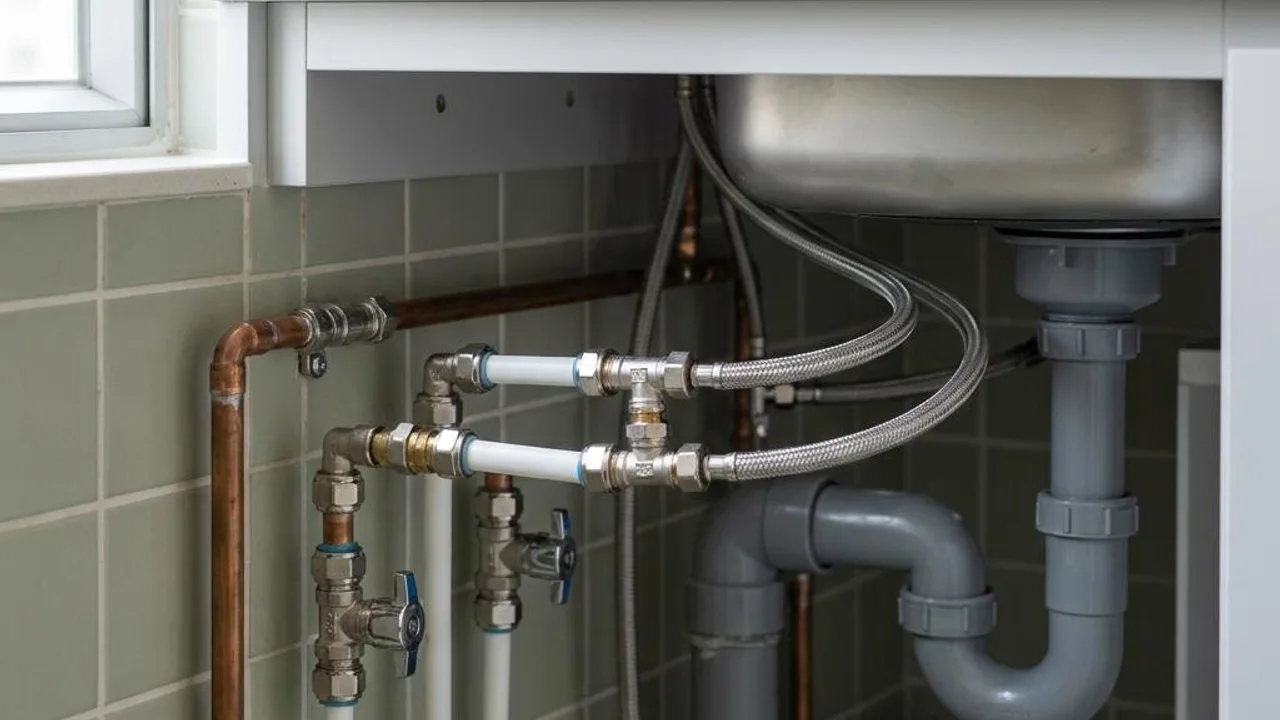
When inspecting units, most owners focus on wall finishes or floor laying but often easily ignore water pipe connections hidden under kitchen and bathroom cabinets or in dark spots. Once water pipe connections are mishandled, although there may be no obvious signs initially, the risk of water leakage is extremely high over time due to contraction and expansion and pressure effects.
The water pipe system is the blood vessels of a residence; if slight seepage occurs at the joints, it will not only cause wall dampness and mould in the long run but also possibly damage wooden cabinets or affect electrical installations. Therefore, performing strict water pipe connection inspections during the property handover stage is a key step to preventing high maintenance costs in the future.
- Joints are the most vulnerable potential leakage points in a water pipe system
- Leakage problems that are not handled in time will lead to wall mould
- A good water pipe system can extend the service life of kitchen and bathroom equipment
Understanding the technical structure of water pipe connections
Water pipe connection refers to the various mechanical devices used to connect water pipes to pipes, or faucets to water pipes. Common materials include copper pipes, stainless steel, or various types of plastics, each with different thermal expansion coefficients and durability. During inspection, ensure that appropriate connectors are used for the joint positions and that they have sufficient sealing performance.
In addition to material selection, the connection technique is equally critical. Whether it is a threaded connection or welding, it must be ensured that the connection position is firm and the sealing ring is in the correct position without any deformation. For connections connecting domestic faucets, it must be guaranteed that they can withstand the pressure changes brought about by daily opening and closing without loosening. This inspection does not guarantee the long-term durability of the connections, the construction quality of concealed pipelines, or the effectiveness of leak prevention. If water supply system safety or complex water pressure problems are involved, please consult a licensed plumber for professional testing and handling; do not dismantle or adjust water supply equipment yourself.
- Connection materials need to be chosen based on the correct scheme for the purpose of the water pipe
- The sealing washer is the key component to ensure no water leakage at the connection position
- Correct installation technique is the foundation for preventing connections from loosening
Systematic inspection process for water pipe connections
Professional inspectors follow strict steps when checking water pipe connections. First is a visual inspection of the appearance of the connectors, looking for corrosion, deformation, or obvious installation marks, such as charring caused by excessive welding or excess glue. These surface features often reflect the construction standards of the installers.
Secondly, observe whether there are signs of water stains. Even in a dry state, if there is discoloration or efflorescence (mineral deposits) at the water pipe connections, these all imply that there has been a record of slight seepage in the past. Finally, one should note whether the connection position is too close to a power socket to ensure basic home electrical safety requirements.
- Checking the surface of connectors for rust or physical damage
- Observing whether there are water marks or mineral deposits around the joint
- Checking whether the distance between the joint and the power socket meets safety standards
Common connection hazards and preliminary screening
Water leakage is the most common water pipe problem, usually stemming from loose joints, aging seals, or pipe construction defects. If you find water dripping at the faucet connection or unexplained dampness in the cabinet, these are signs of leakage. For such problems, it is not recommended that owners handle them themselves; they should be thoroughly assessed by professionals.
Insufficient water pressure may also be a problem caused by the joints, such as valves not fully opened or foreign matter blocking corner joints. If you find unstable water flow during use, in addition to checking the water supply, be sure to observe whether there is pipe bending or pressure at the connections, or issues with valve opening angles, as these will affect water pressure flow.
- Slight seepage should be re-connected and handled by professionals
- Unstable water pressure requires checking valves or bent connections
- Suspected water contamination requires professional assessment of pipe materials and status
Professional observations and advice during acceptance
During the property handover inspection, owners should personally open all kitchen and bathroom faucets to feel if the water flow is smooth, and use dry paper towels to wrap the joints for testing. If the paper towels become wet or water marks appear, they should be recorded immediately and illustrated with photos as a basis for reporting to the property management office or developer.
If signs of rust are found at the connection position, even if there is no dripping at the moment, it may represent long-term dampness. Owners should request professional assistance to check the internal situation and determine whether it is necessary to replace the connectors or re-seal them to avoid the disruption caused by carrying out works after moving in.
- Recording any damp marks and leakage phenomena found
- Using paper towels to test joints to observe subtle water seepage
- Actively consulting professionals for advice regarding rust problems
FAQs
During property handover, if slight water marks are found at water pipe connections, does it definitely mean there is a leak?
Water marks could be residual water left during the construction process, but it could also be potential leakage. Owners should wipe them clean first, use the water supply for a period of time, and then observe again. If the paper towels become wet again, you must request a professional to check whether the connections are loose or poorly sealed.
If the connection position is too close to a power socket, how should I handle it?
Joints close to power sockets pose safety hazards. Owners should take photos, record the distance, raise an objection to the developer or the responsible party, and request that the design of that position be reviewed for compliance with safety standards, and consider whether it is necessary to install waterproof barriers or adjust the installation position based on professional advice.
If I discover an abnormality in the water pipe connection, what preliminary measures can I take?
As the property owner, you may document the issue and take photos, and turn off the water supply valve for that area to prevent the leak from spreading. Do not attempt to disassemble or force any components; you should contact a qualified professional to inspect the cause and have them carry out the necessary repairs or replacement of parts.