
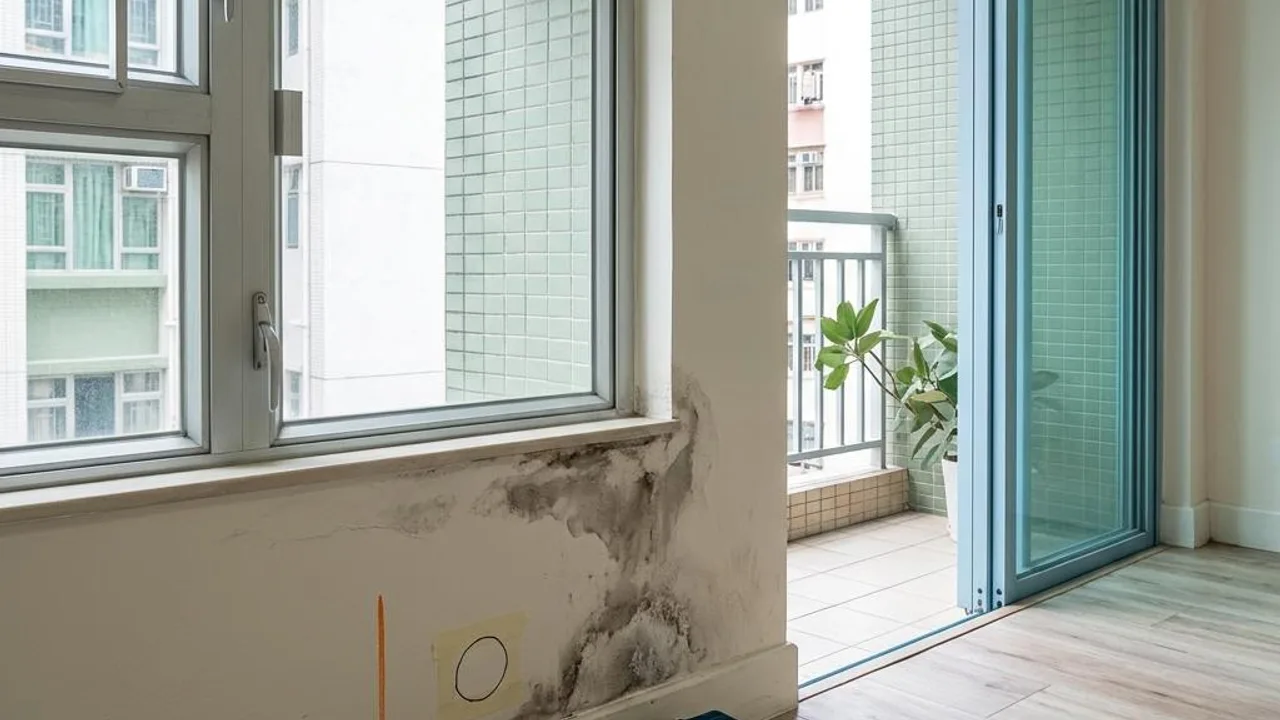
Decision making for inspection before handover
After receiving the keys to a new property, owners often face a dilemma: should they prepare basic tools for self-inspection, or spend money to engage professionals for a check? The choice directly affects whether you can request the developer to correct defects within the maintenance period.
The threshold for DIY inspection is lower, which is suitable for users planning minor renovations; however, when it involves structural safety, concealed pipes, and leakage prevention items, professional instrument inspection capabilities often provide more comprehensive protection. Owners should choose based on the level of retention of the unit's current state and their risk tolerance.
- Consider whether to keep the original kitchen and bathroom fittings
- Evaluate your personal level of concern regarding hidden seepage risks
- Decide whether a standardised report is needed for filing with the developer
- Consider your own architectural knowledge and time costs
Breaking common property inspection myths
There are quite a few misunderstandings about property inspection in the market, which can affect the owner's budget planning. For example, some people believe that if they plan to renovate the entire house, there is no need for inspection, but they ignore the definition of external wall and structural maintenance categories, which might force owners to bear repair costs that should have been the developer's responsibility later.
In addition, there must be an objective recognition of the efficacy of daily tools. Although flashlights and inspection rods can handle most surface defects, they are often insufficient for hidden problems such as construction mud and sand accumulated in pipes or micro-leaks in window frames. Understanding these myths is the first step in decision-making.
- Correcting the misconception that renovation means no inspection is needed
- Recognising the competence boundaries of DIY inspection and professional testing
- Understanding the value of professional reports for filing during the maintenance period
- Avoiding overlooking core risks due to excessive focus on minor defects
Can property inspection be skipped if the whole house is being renovated?
Many owners who plan large-scale renovations think that since wall tiles and floor tiles are to be removed anyway, there is no need for inspection. However, external wall seepage, window frame leaks, and main pipe blockages fall under the category of building structure. Maintenance rights for these items should be clarified before renovation.
If construction starts without an inspection and recording of defects, the developer may blame subsequent problems on the renovation works, causing the owner to lose maintenance eligibility. The cost of such waterproofing and repair works can easily reach tens of thousands of dollars; do not be penny-wise and pound-foolish.
- Structural hidden dangers (such as external wall seepage) are not within the scope of coverage after the maintenance period. Such problems require targeted testing by professionals and are not within the scope of daily inspection procedures.
- Ensure existing defects before renovation are clarified with the developer
- Avoid avoiding maintenance responsibilities after renovation.
- Early inspection can reduce subsequent rectification costs for works.
Limitations of DIY tools and visual inspection
Purchasing ping pong balls, spirit levels, and inspection rods yourself to conduct checks can certainly identify surface issues like door/window operation or paint scratches. However, hidden issues common in old or new properties, such as minor leaks in concealed pipes within walls or failed window frame seals, are often difficult to detect with the naked eye.
These hazards, deeply hidden within the structure, often only erupt after living in the property for several months or after experiencing extreme weather. In contrast, professional inspection equipment can penetrate the interior of pipes and test wall moisture to capture risks invisible to the naked eye.
- Naked-eye inspection cannot identify leakage in concealed pipes.
- Lack of equipment makes it difficult to precisely measure tile hollows.
- Window frame waterproofing works usually require high-precision instrument testing.
- Hidden problems left until after occupation are extremely costly to repair once they erupt.
Value analysis of professional property inspectors
Some mistakenly believe the work of an OPO Inspection professional is just sticking labels, checking paint textures, or renovation gaps. In fact, the core value of a professional inspector lies in assessing structural safety, conducting functional tests, and determining the attribution of liability.
Through standardized inspection data and industry specifications, an inspector can enhance the homeowner's persuasiveness when reporting to the developer, ensuring efficient execution of the maintenance process and allowing the homeowner to communicate effectively during the warranty period.
- Enhance persuasiveness for maintenance reports to developers.
- Provide standard inspection data meeting industry specifications.
- Focus on structural functionality and hidden water leakage risks.
- Ensure efficient communication and execution of maintenance processes.
Suggestions for choosing an inspection method
When choosing an inspection method, consider your budget and property characteristics. If you plan to keep the original kitchen and bathroom and value safety quality, hiring a professional OPO Inspection expert to conduct tests using infrared thermal imagers and endoscopes is a worthwhile investment; these devices can capture hidden risks that you might overlook.
Conversely, if your budget is extremely limited or you are preparing to demolish the entire flat to redo plumbing and waterproofing, then using basic tools to inspect yourself is also an option. Regardless, it is the owner's responsibility to carefully check the property's condition upon taking possession, and you should choose according to your own ability and needs.
- Those keeping original renovation are advised to hire an expert for inspection.
- Those with limited budgets planning full flat renovations may consider DIY.
- Using professional equipment helps observe surface conditions and abnormal temperature differences, but it cannot guarantee the complete exclusion of hidden work risks. Thermal imaging only reflects surface temperature distribution and is not a direct proof of moisture, causes of leakage, or structural defects. Inspection tools cannot guarantee the discovery of all hidden flaws, nor can they serve as final certification for structural, electrical, or gas safety. Furthermore, window inspection is an independent statutory procedure that must be conducted by qualified persons registered with the Buildings Department and is not covered by general property inspection. For projects involving professional engineering, structural safety, or high-risk facilities, these should be handed over to relevant professionals for follow-up. Homeowners are advised never to conduct electrical tests, dismantle fixtures, adjust water pressure valves, or climb out onto exterior walls/windows themselves to ensure their own safety.
- Standard reports help with maintenance liaison during the warranty period.
FAQs
If I intend to renovate the entire flat and replace all wall tiles, do I still need to have the walls inspected?
Yes. Wall structure and exterior wall waterproofing are important items during the warranty period. If wall tiles are removed before inspection, the developer may refuse to assume repair responsibility if leaks in concealed wall pipes or exterior wall water seepage are discovered subsequently, on the grounds that the owner has already carried out renovations.
If I discover slight water marks on the wall during my DIY inspection, how should I handle it?
Owners should first use a camera to document and mark the location of the water marks; do not drill holes or dismantle the wall yourself. You should immediately submit a report in writing to the developer and request that they dispatch qualified personnel to conduct water leakage tests to clarify whether it is caused by pipe leaks or failure of the waterproofing layer.
Can the instruments used by professional inspectors provide a 100% guarantee that a unit has no water leakage?
Professional equipment (such as infrared thermal imagers) is mainly used to assist in identifying abnormal temperature or humidity differences to check for hidden risks, but it cannot serve as an absolute safety certificate. Any inspection result is a record of the condition at that time; if you have any doubts, you should request the developer to arrange more detailed technical inspections.


