
The importance of property inspection and owner responsibilities
Property inspection is an indispensable part of the new home handover process. Through professional scrutiny, owners can discover issues left over during the construction process early. This not only protects owner rights but also ensures that new home facility quality is consistent with contract terms, reducing unnecessary trouble for long-term living.
Although property inspection can identify construction flaws, owners should clearly understand its professional limitations. Through detailed inspection by professional personnel, deviations in appearance and functionality can be discovered, thereby requiring the developer to make corrections before possession, avoiding the discovery of issues after moving in, which would affect living convenience and safety.
- Verify if the handover status is consistent with the sales contract terms
- Early identification of potential flaws and requiring the developer to rectify them
- Ensure new home facilities are operating normally through professional procedures
Preparation work for professional property inspection
Before conducting a property inspection, thorough preparation is crucial for efficiency improvement. It is recommended that owners read relevant property handover standards in advance, build a personal inspection checklist, and have the required tools ready. Although professional property inspection work is complex, the owner having a notebook and camera tools ready is a must.
Ensure the time slot reserved with the developer is sufficient, avoiding interference from other works. A good communication attitude can make follow-up rectification smoother. It is recommended to clearly record issue points during the property inspection and take photos for retention; this record will be your most powerful proof when communicating with the developer in the future.
- Prepare tools such as a tape measure, spirit level, and marker pen
- Use a high-definition mobile phone or camera to record all observations
- Reserve sufficient time to inspect all facilities within the unit
- Verify contract details to ensure all delivery items are complete
Structural wall and floor inspection
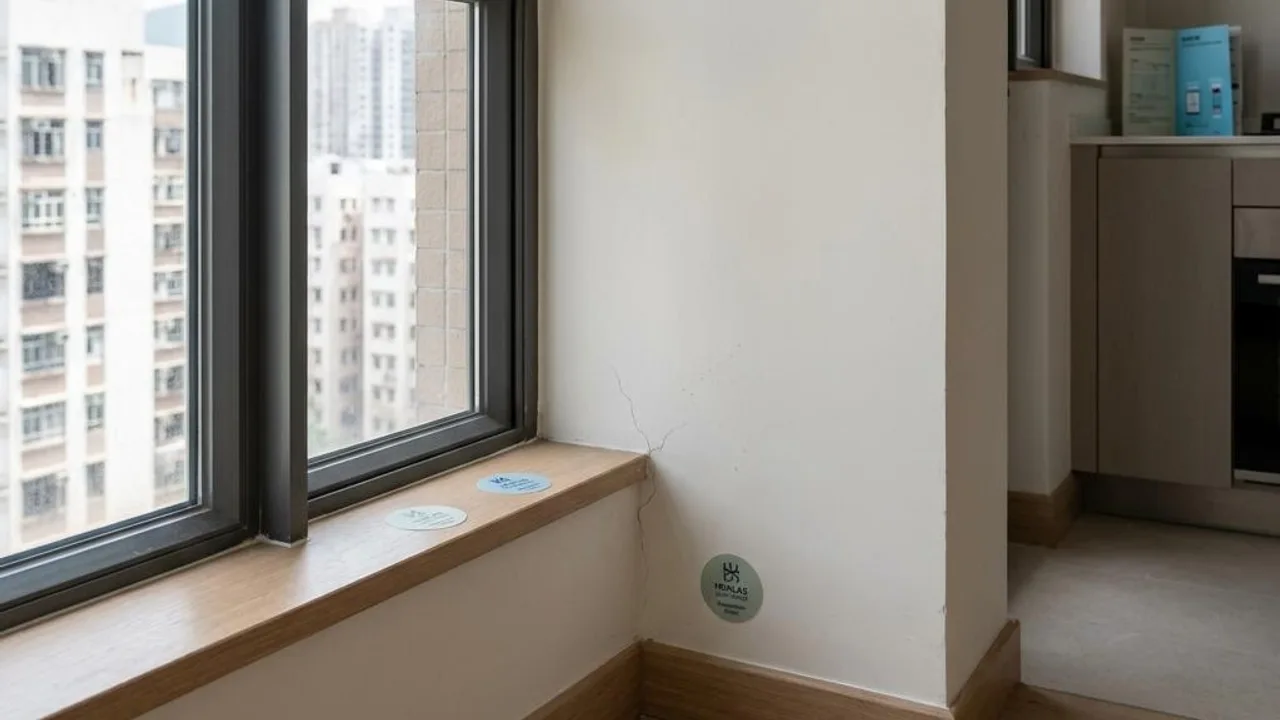
Structural assessment focuses on walls, ceilings, and floors. Carefully observe if there are cracks, dampness, discolouration, or mould growth on walls. These issues often reflect construction quality or water seepage risks. Use a spirit level to check the flatness of the walls to ensure there is no significant tilting or indentation that would affect subsequent renovation.
Floor inspection requires confirming if there is any abnormal noise, looseness, or uneven laying. As part of the building envelope, the sealing performance of windows directly affects the sound insulation effect of the living environment. Be sure to test the smoothness of window opening/closing and note if there are obvious damage or ageing phenomena on the frames.
- Check for flatness and water seepage traces on walls and ceilings
- Stability of floor laying and whether there is abnormal noise
- Test window opening/closing smoothness and sealing performance
- Check if structural components have obvious damage or deviations
Electrical and home facility acceptance
Household electrical safety is the top priority of property inspection. Test the operating status of all switches and sockets in the unit to ensure normal function. Do not test in a damp environment, and do not use power strips shared by high-power appliances to prevent circuit overload. If fixed electrical appliance installation is involved, please consult a professional electrical contractor.
Kitchen and bathroom facilities also require detailed inspection. The drainage speed of taps and the operating condition of flushing systems are key; note if there are signs of leakage at connection points. The stability of kitchen cabinets and bathroom fittings cannot be ignored; ensure all door hinges and drawers have no blockage or looseness when opening/closing.
- Functionality test for all power sockets and light fixtures
- Kitchen tap and bathroom flushing system performance inspection
- Check the opening/closing smoothness of cabinet and drawer components
- Ensure all appliance installation locations comply with safety guidelines
Procedure follow-up after property inspection
After the property inspection ends, it is just the starting point of the handover procedure. Owners should confirm the rectification schedule with the developer according to the checklist. Only sign handover documents after all issues have been repaired and you have confirmed that the house condition meets expectations. This action can ensure your owner rights are maximally protected.
It is recommended that owners establish a comprehensive property inspection report filing system. If complex potential hazards are discovered, developers should be requested in writing to explain the situation. When necessary, qualified professional engineers should be hired to assess the specific impact on structure or safety, and no alterations should be made personally.
- Confirm the defect rectification plan and the final repair timeline with the developer.
- Only sign the handover documents after confirming that all defect rectifications are satisfactory.
- File all repair records and electrical appliance warranty documents.
- Arrange a reinspection if necessary.
FAQs
How should one deal with slight cracks on the wall discovered during a property inspection?
Owners should first use a camera to record the location and length of the cracks and use a marking tool to place a mark next to the spot. Do not fill them in yourself; submit the records to the developer and request them to assess whether the cracks were caused by structural settlement, construction shrinkage, or other factors, and arrange for professionals to follow up on the repairs.
If signs of leakage are found in pipes during a property inspection, how should this be handled?
Please immediately stop using the water supply facilities in that area and notify the developer's representative on-site to confirm the leakage point. Since leaks may involve internal seal issues or installation errors, you should request the developer to hire a qualified licensed plumber for a detailed inspection and repair; do not dismantle or attempt to plug it yourself.
Why is it not recommended to carry out complex or destructive tests before signing handover documents?
Before the official handover, the unit's ownership and liability still rest with the developer. Conducting destructive tests may damage facilities and lead to unclear liability. Owners should ensure quality by observing the appearance, testing functions, and reviewing relevant supporting documents. If there are major safety concerns, they should request the developer in writing to provide a test report.


