Natural coatings and indoor air health.
The respiratory system and immune function of a newborn baby are in a developmental stage, making the quality of the indoor environment where they spend long periods particularly important. As a building material covering a large surface area, wall coatings have a direct impact on indoor air quality. Traditional paints often use chemical thinners during application, which can easily continue to release volatile organic compounds after move-in, causing a long-term burden on the indoor space.
Using environmentally friendly wall paints based on natural minerals or plant extracts can reduce the addition of synthetic glues, lowering the generation of harmful substances at the source. Such coatings have good breathability, which has a positive effect on keeping walls dry and improving the quality of the home environment, effectively safeguarding the respiratory health of young children and creating a safe growing space.
- Use natural, environmentally friendly paints with low volatile organic compound (VOC) emissions.
- Avoid industrial glues containing strong, pungent odors.
- Prioritize mineral-based paints with anti-mould functions.
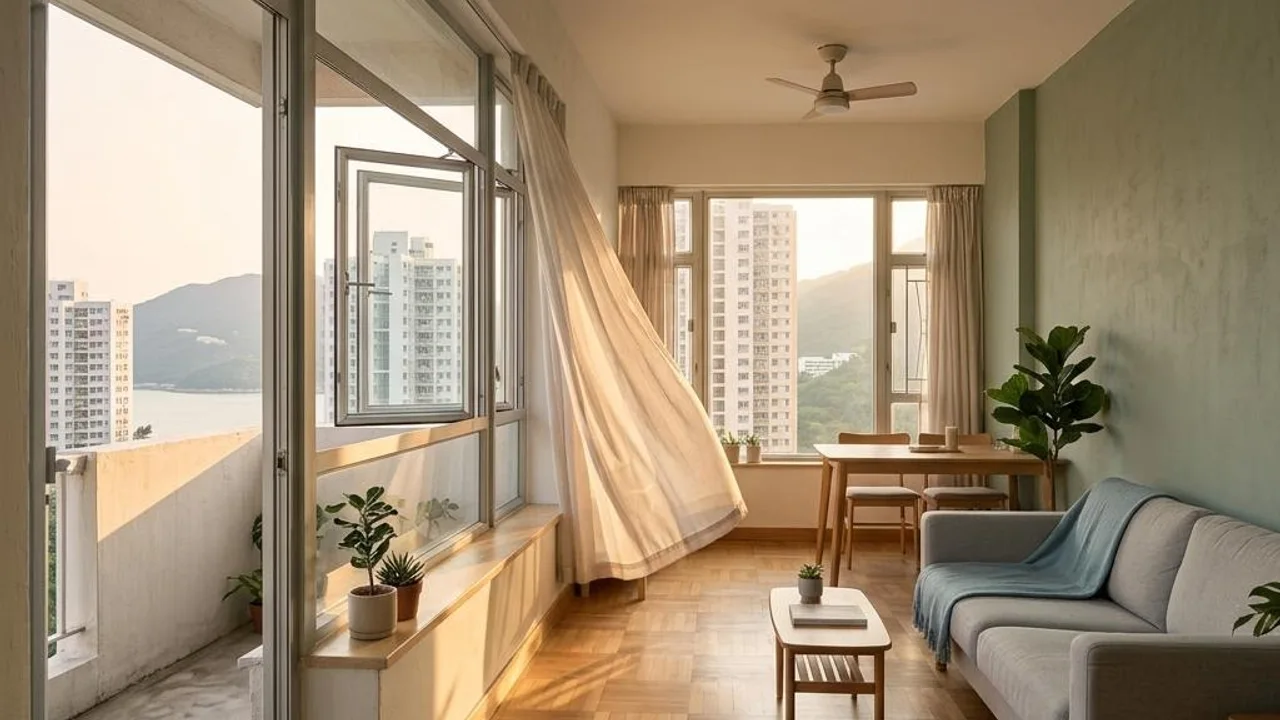
- Ensure good indoor ventilation during construction to facilitate the evaporation of components.
Scientific inspection priorities for wall acceptance.
Environmental commitments for wall projects must be verified through scientific inspection. During the property inspection, it is not just about observing the color or surface appearance of the wall, but also examining the physical properties of the coating. Through professional instrument assessment, it can be confirmed whether the construction quality meets expected standards and problems such as substandard materials or improper construction during the project period can be excluded.
This rational acceptance process ensures the wall paint surface is uncontaminated. Parents should request a professional team to conduct data analysis to master the condition of the building materials after construction, thereby ensuring the baby room is kept within expected safety indicators, reducing potential pollution hazards, and safeguarding the family's living environment.
- Examine whether the wall coating craftsmanship provides even coverage.
- Confirm whether there is any residual chemical odour on the walls.
- Verify whether the components of the selected coating meet eco-label standards.
- Record in detail whether there are any signs of abnormal blistering or peeling on the walls.
Wall maintenance in humid climates.
Choosing high-quality natural wall paint supplemented by rigorous inspection is a rational consideration for maintaining home value. Through correct base plastering and painting techniques, natural coatings can present a soft matte tone, creating a quiet sleeping environment that helps babies rest. Good construction quality can reduce the need for frequent future renovations and extend the life of the wall.
In the humid climate of Hong Kong, high-quality natural coatings generally show better weather resistance. Through preventive wall inspections, the risk of blistering or mould growth can be reduced, laying a solid foundation for the long-term safety of family life, making indoor spaces more durable and avoiding air quality issues caused by wall problems.
- Regularly check the damp-proof performance of walls during humid weather.
- Control indoor relative humidity to maintain it below 70%.
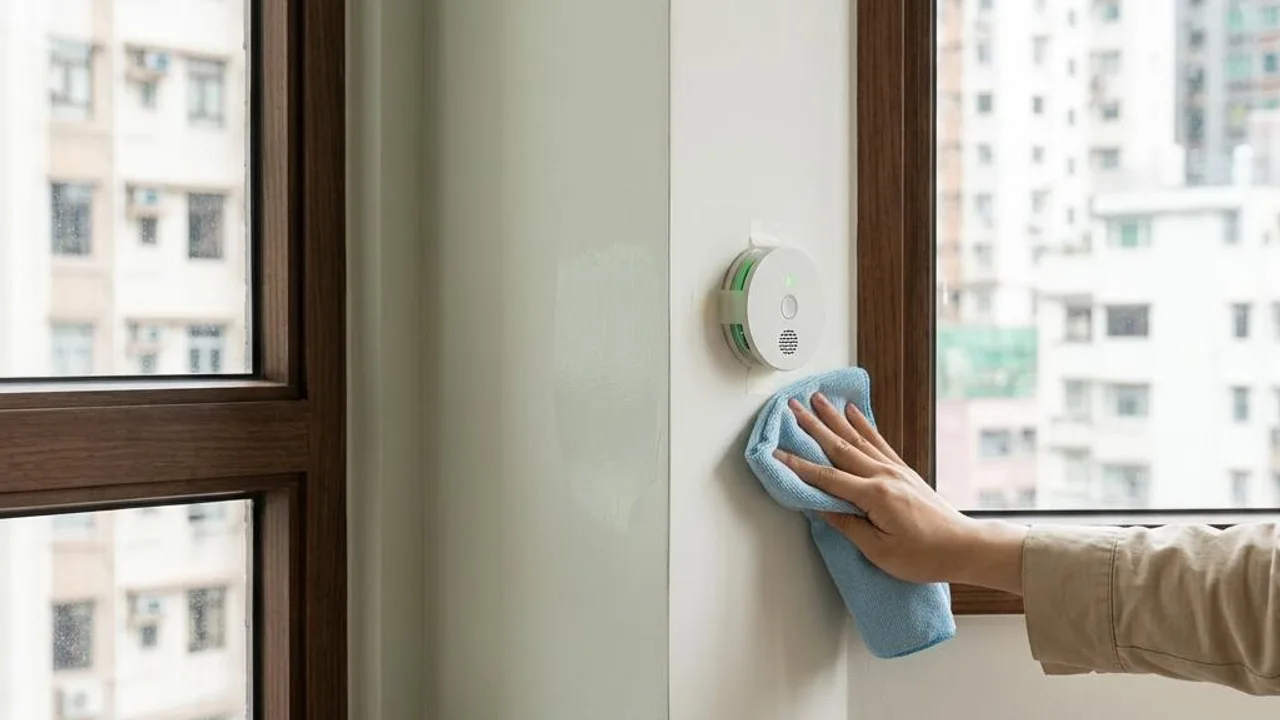
- Use a clean, dry cloth to periodically treat dust on the walls.
- Avoid sticking industrial-strength glue or non-breathable adhesive tape on the walls.
The importance of professional assessment
The composition of wall paint and potential trace chemical residues involve material science; it is difficult to judge the actual quality of base coats through general visual observation. Seeking the assistance of an accredited property inspector is a better approach. Experts are usually equipped with non-destructive analysis tools that can assess environmental health indices while protecting the walls, providing objective reference data for owners.
If unidentified spots are found on the walls or if indoor air quality is poor, you should consult an experienced professional to conduct an investigation to determine if it is caused by seepage rather than just a paint issue. This avoids repeated construction due to improper handling, ensuring the long-term health and stability of the indoor environment.
- Entrust professionals to assess indoor air health indicators.
- Use non-destructive instruments to detect the surface condition of coatings.
- Request remedial suggestions regarding observed environmental problems.
- Prioritize checking for hidden causes of wall seepage or dampness.
Identification of common environmental problems.
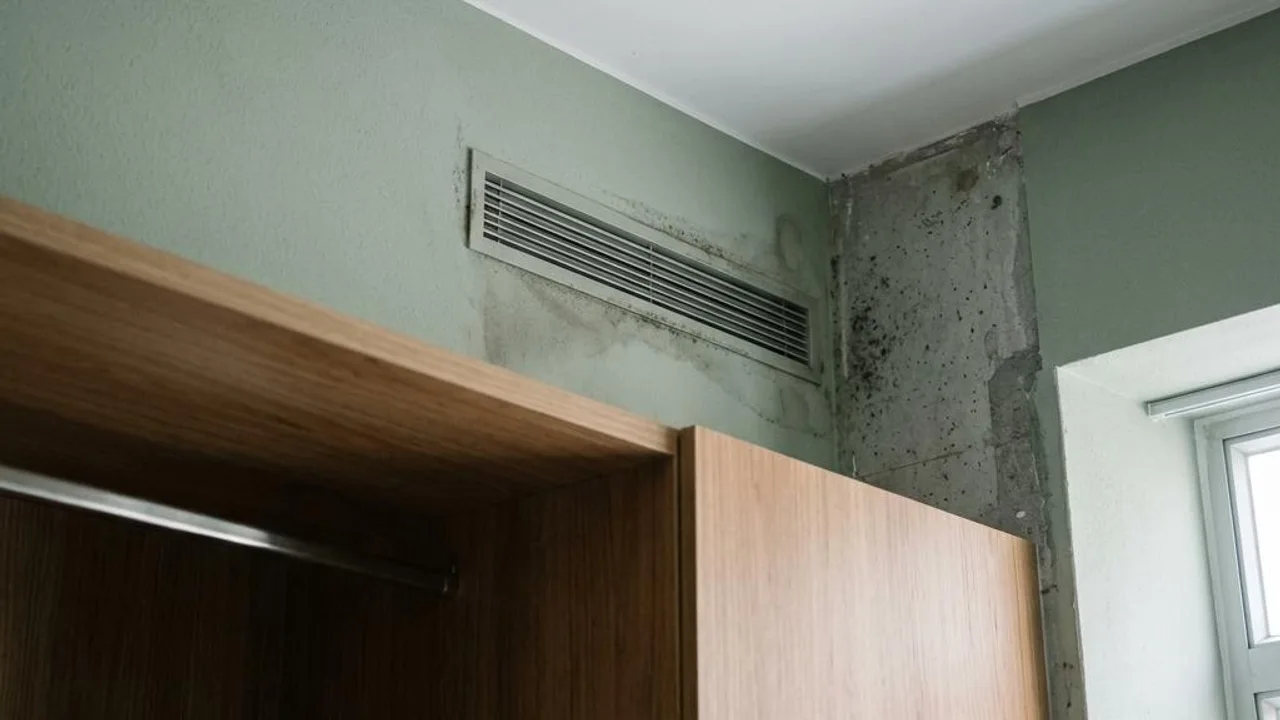
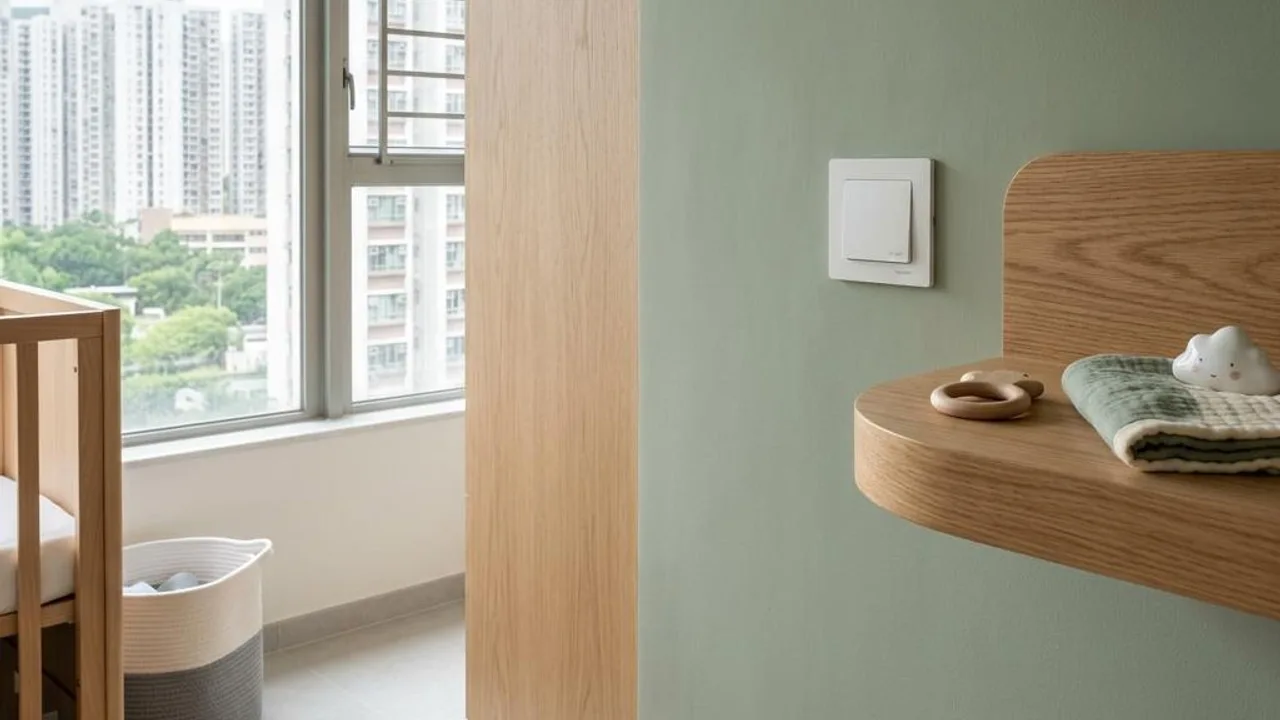
In a baby room environment, common wall problems include mould caused by moisture or coating peeling. Owners should pay attention to whether there are unusual water stains at corners, which are usually related to water seepage rather than paint quality. Correctly distinguishing these types of problems allows homeowners to get to the root of the problem early and prevent hidden hazards from escalating.
In addition to observing the wall's appearance, pay attention to changes in air quality. When the wall has a mouldy smell or paint dust starts to fall off, you should consider whether a professional inspection is needed. Do not casually paint over it without confirming the source, so as not to cover up potential structural problems or seepage hazards, thereby ensuring the baby room's safety.
- Observe whether there are long-term mould spots and water stains at the wall corners.
- Record whether there is any unusual paint dust falling off.
- Identify whether the smell from the wall intensifies with humid weather.
- Check whether there are signs of condensation on the walls.
FAQs
How can I judge if baby room wall paint is safe?
You should check whether the paint has obtained an eco-label certification and possesses low VOC emission indicators. Maintain indoor ventilation after construction, and observe whether the wall coating is even and free of abnormal odors or peeling.
What should be done if mould appears on the walls?
First observe the extent of the mould growth and whether it is accompanied by dampness or seepage. You should consult a professional to identify the source of moisture and keep the interior dry. Avoid cleaning with chemical solvents, as this may be hazardous to the child's health.
Is it necessary to specifically test the wall components during property inspection?
The focus of the property inspection should be on the construction quality of the paint and whether it meets environmental health standards. Using non-destructive tools to detect the condition of the wall helps ensure there are no hidden seepages or construction residues affecting indoor air.