Basic knowledge of home inspection
Property inspection is the most important step in the handover process, aimed at identifying unit defects early for developer follow-up and defect rectification. Although professional property inspection provides in-depth checks, if owners master core skills, they can also use everyday tools to complete preliminary basic inspections to ensure the new home meets the expected standard.
Before starting the inspection, it is recommended to prepare a defect list, a pen, and a mobile phone to establish a systematic inspection process. Stay calm during the inspection, focusing on safety, functionality, and structural integrity, and record defects promptly when discovered to ensure future living quality.
- Prioritise checks involving safety and leakage issues
- Systematically record every problem found
- Use simple tools for basic testing
- Ensure all requests are documented and handed to the contractor
Testing floor flatness and tile hollowness
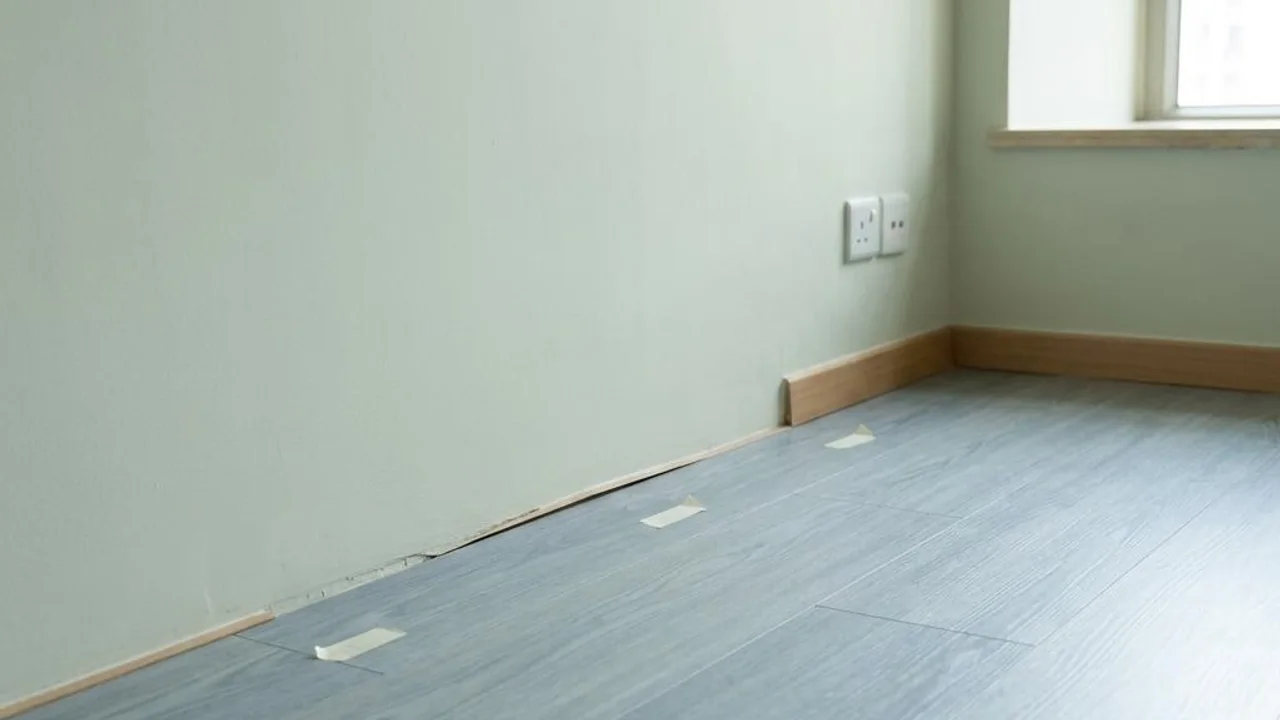
Floor flatness directly affects the difficulty of subsequent furniture placement and wooden flooring installation. The table tennis ball test is the simplest method: place a ball gently in the centre of the floor; if the ball rolls rapidly in a certain direction, it indicates the floor is sloped. If an abnormality is found, inform the developer and request rectification.
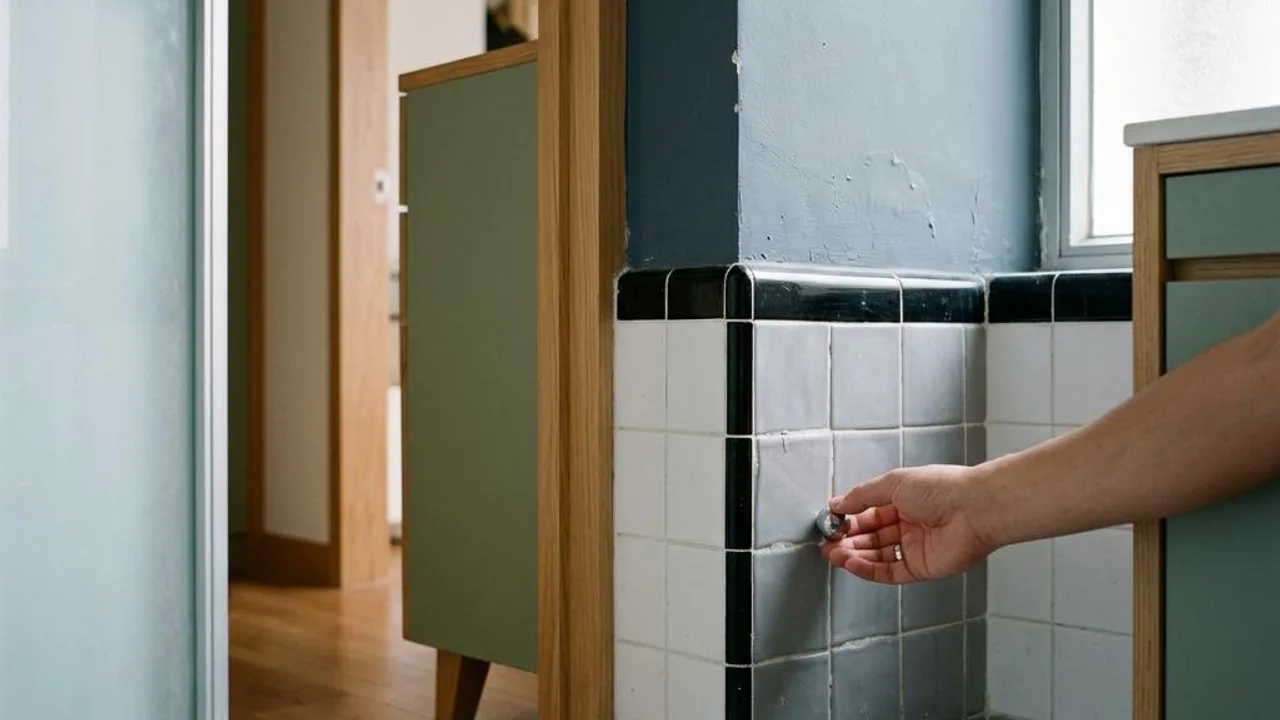
At the same time, use a metal sounding hammer or a coin to tap the tile surface lightly and listen to the sound. If it sounds dull and solid, the cement grouting is sufficient; if a crisp "hollow" sound is emitted, it indicates tile hollowness, which easily leads to cracking or detachment and requires professional re-grouting or tile replacement.
- Table tennis ball test for floor flatness
- Judging by sound using a sounding hammer on tiles
- Checking if wall tiles are loose
- Check if the tile edge joints are level
Testing the sealing of windows and the main door
Waterproofing and windproofing are important parts of home safety. Use a banknote clamped between the window frame or door and the rubber seal, then try to pull the banknote out. If it is easily pulled out without resistance, it means the rubber seals are aged or the frame is deformed, making leakage likely during rainstorms; request replacement of the seals or adjustment of the frame.
In addition, visually inspect whether the waterproof sealant on the outside of the windowsill is full and even. Any small crack can be a source of leakage and should not be ignored. Confirm that the doors and windows open and close smoothly and that the locks operate precisely without strange noises or looseness.
- Banknote test for window seal tightness
- Check for gaps in the waterproof sealant around the window frame
- Test if doors and windows open and close smoothly
- Ensure lock functions are normal
Checking wall verticality and plaster flatness
Wall surfaces that are not vertical not only affect indoor aesthetics but also lead to large gaps when installing custom-made furniture. Download a spirit level app on your smartphone, stick it to the wall, and read the verticality data. Additionally, in dim light, use a torch held close to the wall to shine laterally; if visible shadows appear, it means the plaster or paint base is uneven, affecting aesthetics.
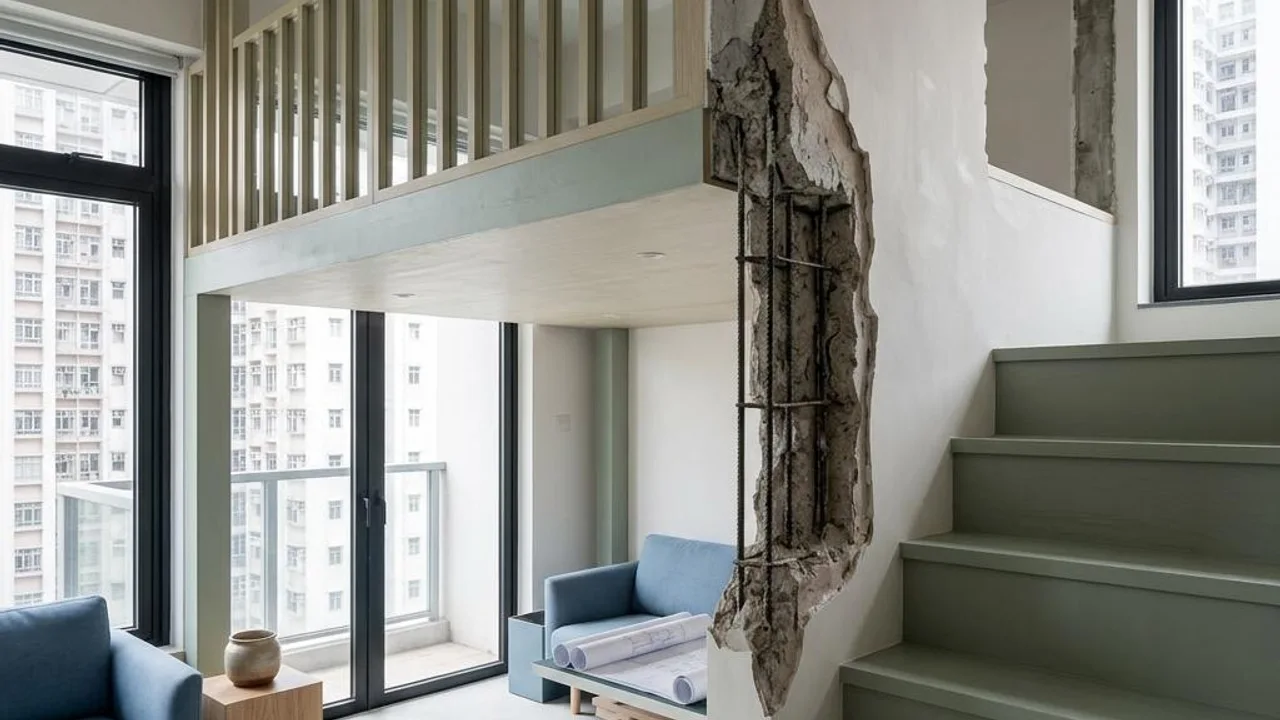
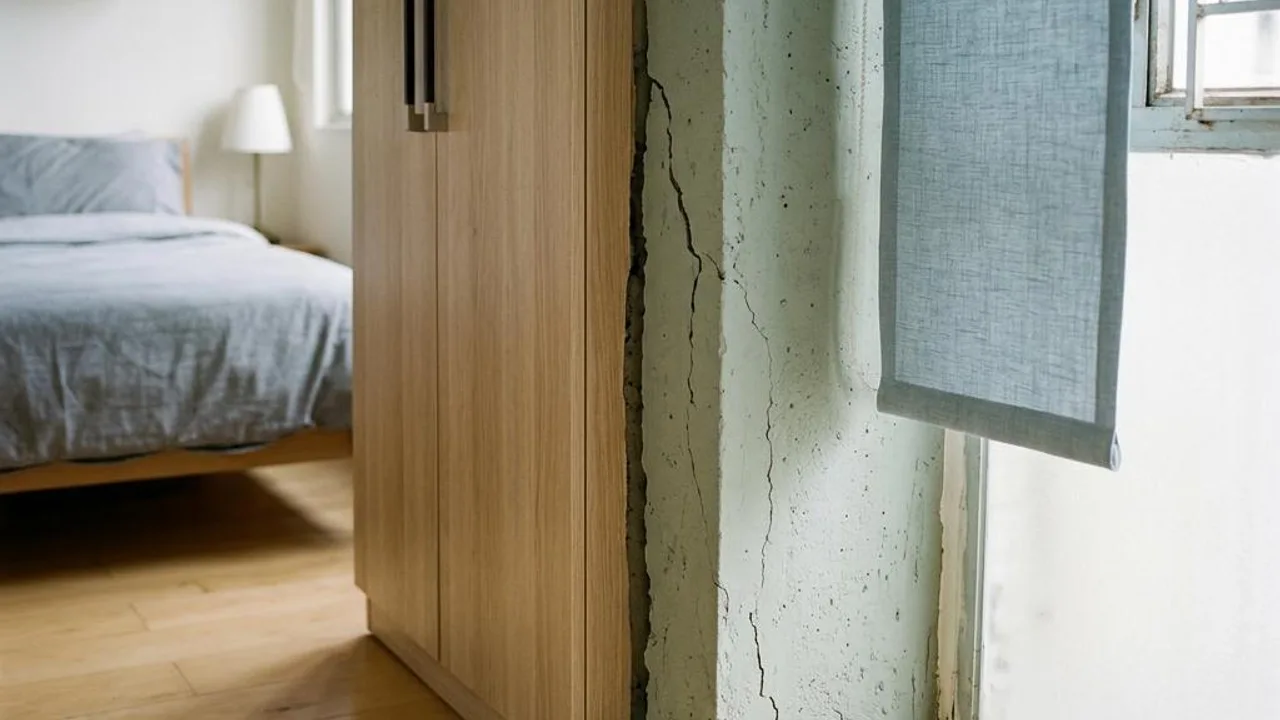
When checking walls, also look for obvious cracks, loose plaster, or signs of dampness. These issues are difficult to fix after handover, so it is recommended to list them for rectification during the property inspection stage.
- Use a phone app to measure wall verticality
- Side-lighting method with a torch to check plaster flatness
- Check for cracks or loose areas on the walls
- Confirm if wall corner lines are straight
Testing the drainage system and water outlets
Slow drainage or backflow is a major annoyance in home life. It is recommended to fill water simultaneously in the kitchen, bathroom washbasin, and shower area, then remove the drainage plugs all at once. Observe whether the drainage speed is smooth and ensure there is no leakage. Also test the floor gradient to ensure water flows quickly towards the drain rather than pooling in corners.
The focus of this test is to verify channel obstruction; if slow drainage is discovered, there may be construction debris in the pipes. It must be thoroughly cleaned by the developer; do not force the use of chemical drain cleaners, as this may damage the pipe structure.
- High-volume water test to ensure smooth drainage
- Check for drain backflow issues
- Confirm if the drain is at the lowest point
- Test all drainage outlets for leakage
Safety testing of electrical sockets and the main switch
Electrical safety is the priority in home inspection. Prepare a simple voltage tester or a phone charger to test whether every socket in the house is energised one by one. Check if socket panels are loose or damaged, ensuring they are installed securely.
Locate the main distribution box in the house, switch individual circuit breakers on and off one by one, and confirm whether the labels accurately correspond to the respective rooms or appliances. It is essential to test the residual current device (RCD) to ensure the tripping function is normal and can effectively protect personal safety in the event of an accident.
- Use a voltage tester to test socket power
- Check if socket panels are securely installed
- Test the correspondence between the main switch and circuit labels
- Test that the RCD tripping function is normal
When is professional property inspection service needed?
Self-inspection is limited to surface checks and cannot guarantee structural, electrical, gas safety, concealed pipes, waterproofing layer thickness, remaining service life, or repair effectiveness. Thermal imaging technology only displays surface temperature distribution and cannot be directly regarded as proof of leakage or concealed structures; tools also cannot guarantee the discovery of all hidden defects. Mandatory window inspection is a statutory procedure that must be performed by a registered qualified person from the Buildings Department and is not part of general property inspection. If professional domains are involved, consult relevant qualified experts; do not guarantee all safety conditions. Do not perform electrical tests, disassemble components, adjust water pressure valves, or climb external windows yourself.
It is recommended to record observations and seek professional assistance when necessary.
If the owner has doubts about the inspection results or discovers suspected structural deep cracks, they should request in writing that the developer appoint a qualified professional to conduct an in-depth investigation, rather than attempting any form of inspection or repair themselves.
- Handling concealed issues like hidden pipe leakage
- Use professional equipment for precision data analysis
- Provide a credible written report
- Assist in claiming rights for defect rectification
FAQs
During a self-inspection, if tiles are found to be drummy, how should the owner handle it?
The owner should mark the area and record it on the defect list, and report it to the developer with a request for handling. Do not attempt to repair it yourself; the contractor should arrange for personnel to assess whether re-grouting or tile replacement is required.
If slow drainage is found during the water test, does it mean the pipes are already damaged?
Slow drainage might only be due to a small amount of construction debris remaining in the pipes. The owner should record the situation and notify the developer for cleaning; do not use chemical drain cleaners to force it, to avoid causing corrosion or other damage.
Regarding window air leakage, is the banknote method sufficient to confirm fault points during self-inspection?
The banknote method can help confirm the tightness of rubber seals and window frame alignment. If no resistance is felt when pulling the banknote out, record the specific location and request the developer to perform professional adjustments or replace the seals to ensure a proper seal.